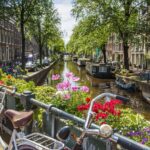
Amsterdam hides its best stories in plain sight. On a private tour, you get a guide who talks at your pace while you move from Begijnhof to the Jordaan and along classic canal views. I especially like the balance of big sights plus quieter courtyards, so you leave with a clearer sense of how Amsterdam grew. The main drawback to plan for: key places like the Anne Frank House are ticketed separately.
Guides such as Carolina and Simon are specifically praised for keeping things lively and for offering choices on what to linger on. One account even mentioned staying upbeat and moving smartly through cold, rainy weather without turning the tour into a sprint.
Because it’s about four hours and very central, you’ll want shoes that can handle wet sidewalks and lots of turns. This is a walking-focused highlights route with a few smart “wait, look at that” moments built in.
In This Review
- Key Points You’ll Actually Care About
- The Value of a Private, 4-Hour Amsterdam Walk
- Begijnhof: The Courtyard That Feels Like a Time Machine
- Dam Square: Where Amsterdam’s Story Starts
- Red Light District (De Wallen): Famous Canals, Big Questions of Respect
- Canal Ring (Grachtengordel): Why Merchant-Era Streets Still Matter
- The Jordaan: A Working-Class Neighborhood with Real Character
- Westerkerk: The Church Connection and the Tower Option
- Anne Frank House Area: The Walk That Adds Context (Ticket Not Included)
- Central Station and Magere Brug: Entry and Exit Points with Meaning
- What You’re Paying For (and What You’ll Still Need to Pay)
- Guide Style Matters: Why the Walk Feels Easy
- Who This Tour Fits Best
- Should You Book This Private Amsterdam Highlights and Hidden Corners Tour?
- FAQ
- How long is this private Amsterdam tour?
- Is this tour private?
- Do you offer hotel pickup in Amsterdam?
- What language is the tour offered in?
- Are tickets for the Anne Frank House included?
- Is entry included for Westerkerk and the tower?
- Which stops have free admission?
- What does the price include?
- What is the cancellation policy?
Key Points You’ll Actually Care About
- Hotel pickup, so you waste less time getting started
- A tight four-hour loop that connects medieval center, canals, and neighborhoods
- Mostly free-entry stops, with the big-ticket items coming separately
- English-speaking guides with room for your questions and pacing
- An Anne Frank area walk-through without the stress of trying to shoehorn everything in
The Value of a Private, 4-Hour Amsterdam Walk
A private walking tour of Amsterdam is often about one thing: time. You’re not standing around trying to figure out which street is worth your steps. You’re moving through the city center with someone who can point out what matters and explain why it matters.
This one is priced at $281.76 per person for about 4 hours, and the price includes all fees and taxes. That matters, because you’re mainly paying for the guide time and the structure of the route. The “extras” are mostly the sites with separate entry, like the Anne Frank House and possibly climbing the Westerkerk tower.
The biggest value for me is the way the route links areas that are usually treated as separate “attractions.” Here, you can see the secret courtyard feel of Begijnhof, then shift to the city’s central squares, and end up at the Anne Frank area and the canal ring on foot. If you only have a day or two in Amsterdam, that connection is the payoff.
You can also read our reviews of more tours and experiences in Amsterdam.


Begijnhof: The Courtyard That Feels Like a Time Machine
Your first stop is Begijnhof, a calm courtyard tucked in the city center. You’ll get about 15 minutes here, and entry is listed as free.
What I like about Begijnhof is that it shows Amsterdam isn’t just canals and museums. It’s also small pockets of quiet that exist right in the middle of everything. Even in a short stop, you can slow your pace and notice the layout—the way a courtyard creates separation from the street.
If you’re the type who enjoys atmosphere, this is a great opener. It sets the tone: you’ll get to see the city’s “soft side” before you hit the louder landmarks. And because it’s free and short, it won’t mess up your schedule.
Dam Square: Where Amsterdam’s Story Starts
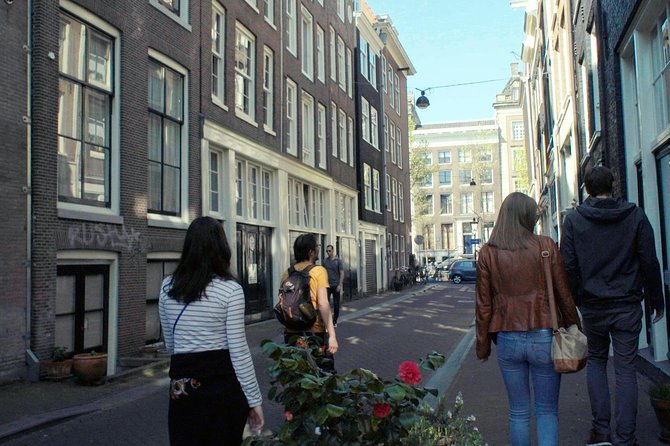
Next is Dam Square, about 10 minutes. Entry is free.
Dam Square is Amsterdam’s classic “center of gravity.” It’s the place you’ll hear about in history overviews and city introductions because it represents how the city began and how it kept evolving. The best part of going early in the walk is that you’re still in “orientation mode”—you’re soaking in the layout, not fighting jet lag.
In a short time, you’ll get the feeling of why this square matters and how it connects to the streets you’ll walk later. Consider this your mental anchor before the tour heads into more specific districts.
Red Light District (De Wallen): Famous Canals, Big Questions of Respect
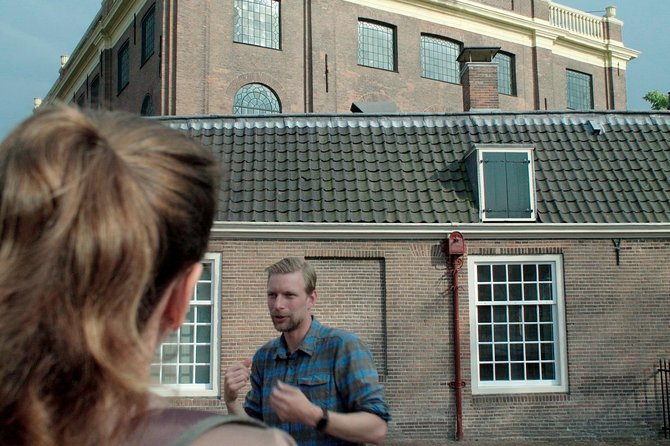
You’ll spend about 30 minutes in De Wallen, the Red Light District area around the oldest church and canals. Entry is free.
Let’s be practical. This isn’t a “theme park” stop. It’s a real neighborhood with real people and a lot of attention from visitors. Your guide’s role here is important: you’ll want context, not just a quick photo and move on.
I’d treat this segment like cultural observation. Look, learn, and stay respectful with your distance. If you don’t enjoy uncomfortable places, you can still get something from it—because the canals, the street geometry, and the neighborhood density show how Amsterdam’s urban form works.
The upside is that you see a side of Amsterdam many people only think they understand. The downside is that it’s not everyone’s favorite vibe. If you’re sensitive to adult-oriented venues, go in with a calm mindset and let your guide steer what you focus on.
Canal Ring (Grachtengordel): Why Merchant-Era Streets Still Matter
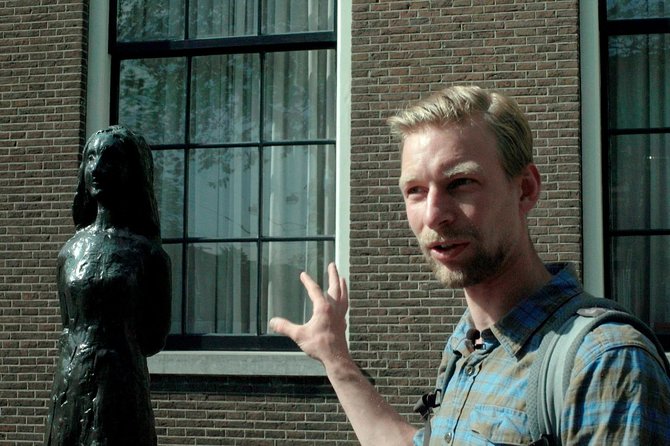
Then comes one of the most visually rewarding sections: the Canal Ring, about 30 minutes. Entry is free.
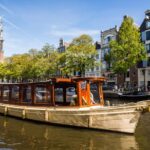
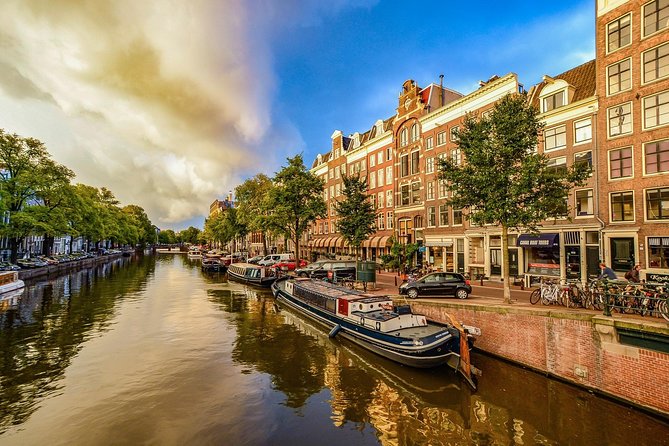
Walking the Grachtengordel area is a powerful way to understand what you’re looking at. You’ll see the canal houses along the waterways—homes linked to the merchant class who shaped the old city center. Even if you don’t remember dates, you’ll start noticing patterns: the way the canals define movement, and how the buildings face the water like it’s part of their identity.
Here’s the value of a guide versus doing this on your own. A guide helps you read the streets. Instead of just taking photos, you start to understand the logic behind the view: why the canals mattered for commerce, transport, and prestige.
Take your time with this segment. If the weather turns, canals and bridges can be extra slippery. Pause when you can, breathe when you need to, and let the city reveal itself at walking speed.


The Jordaan: A Working-Class Neighborhood with Real Character
Your next block is the Jordaan, about 30 minutes, and it’s also free. This stop focuses on how the area connected to the old working-class community and how poorer residents lived.
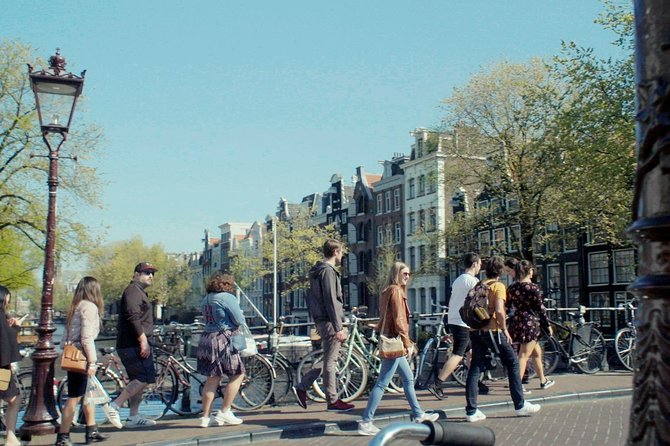
I like that the tour doesn’t just orbit the famous highlights. Jordaan gives you a different lens—more everyday than postcard. You start noticing how neighborhood life shapes streets, corners, and pacing. Even in a short time, you can feel the difference between a city built for merchants and one built for workers.
If you enjoy wandering and people-watching, this is where your energy can shift into something calmer. It’s not just landmarks; it’s atmosphere. You’ll come away with a better sense of Amsterdam as a place where different social classes actually lived side by side within walking distance.
Westerkerk: The Church Connection and the Tower Option
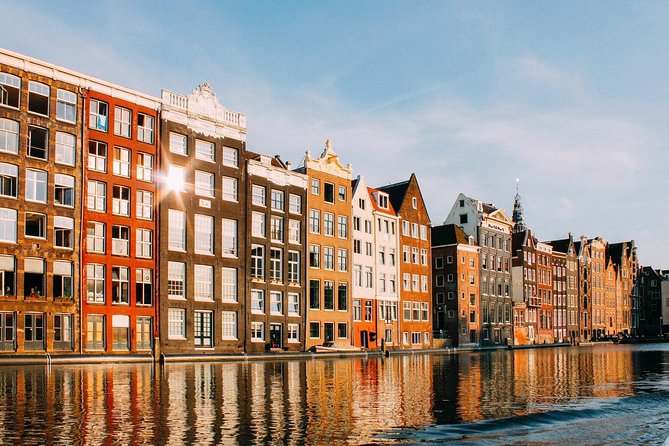
Next up is Westerkerk, about 20 minutes. The church area is listed as not including tower admission, and the tour notes that when lucky you can make it to the top of the tower. (Tower admission is not included.)
Westerkerk is famous for reasons beyond architecture. It’s also part of the Anne Frank connection—she could see this church from her hiding place, which adds a layer of meaning to a visit that might otherwise feel like just another stop.
If you get the tower option, it’s a classic Amsterdam payoff: more height, more angles on rooftops, more understanding of canal layout and street structure. If you don’t, you still get the important context.
A practical note: climbing and weather can be a factor. If you’re traveling in colder months, bundle up. This segment is short, but the difference between “possible tower” and “not today” can depend on timing and conditions.
Anne Frank House Area: The Walk That Adds Context (Ticket Not Included)
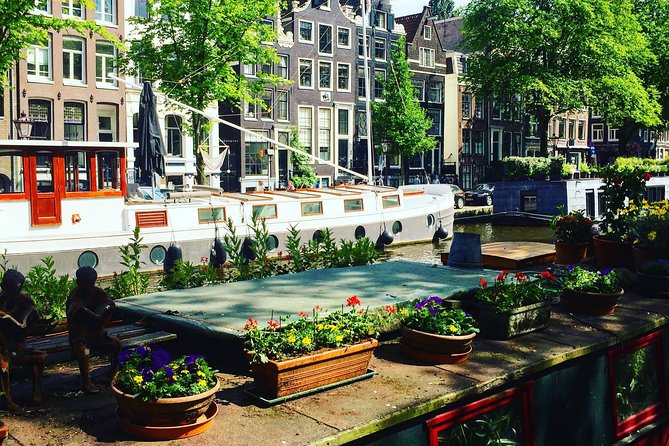
The tour then heads to the Anne Frank House area, with the walk including a view across Prinsengracht toward the canal house where Anne Frank and her family were hiding during World War II. The admission ticket is not included.
This is a key moment on the route because the tour is shaping your understanding before you face any ticketed museum experience. Even if you don’t buy entry that day, walking in the immediate area helps the story feel physical rather than abstract.
Two practical realities to keep in mind:
- You will need to plan separately for entry if you want to go inside.
- The walk itself is part of the experience, but the museum time is an add-on because it’s not included.
If this subject matters deeply to you, I’d treat this segment as a lead-in. It sets the stage so that your visit—when you decide to do it—lands with more meaning.
Central Station and Magere Brug: Entry and Exit Points with Meaning
You end with two big “Amsterdam image” stops that also do a nice job of framing the city.
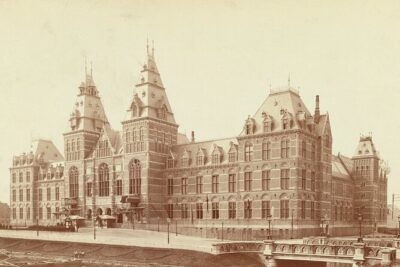
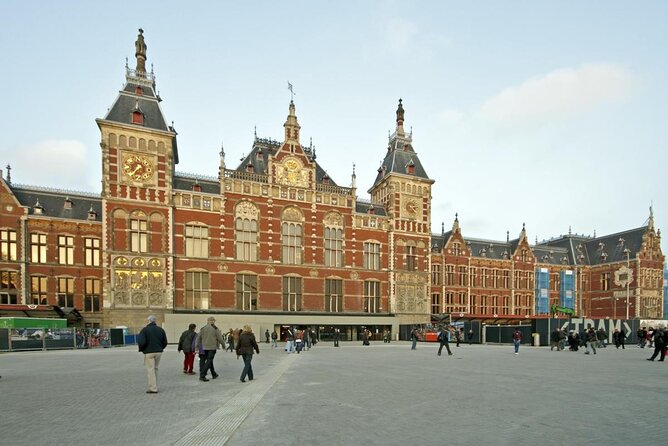
First is Centraal Station, about 10 minutes. Admission is free. The tour highlights the building as a 130-year-old classical structure by architect Cuypers. This is a strong way to feel the city’s scale. Stations in Europe aren’t just transport—they’re civic statements.
Then comes Magere Brug (the Bridge of Love) over the Amstel river, about 10 minutes. Admission is free. The guide will explain how important the river is for Amsterdam, which is a helpful point to remember after you’ve walked canals and neighborhoods.
These final stops work well because they bookend your experience with movement. You start with the city’s older heart, then you wrap with a reminder that Amsterdam’s water routes are still the skeleton of the place.
What You’re Paying For (and What You’ll Still Need to Pay)
Let’s talk value. $281.76 per person for about 4 hours is not a “budget” tour, but it’s also not priced like a full-day private guide with multiple paid attractions.
Included is all fees and taxes, which typically means you’re paying for the guide and organized route without extra guide charges. Not included are souvenirs and gratuities, plus the separate entry costs for places like the Anne Frank House, and the optional Westerkerk tower admission.
So your true cost depends on whether you buy those ticketed items. If you’re planning to visit the Anne Frank House anyway, this tour can still be a win, because the walk gives you context and direction. If you’re skipping the Anne Frank House visit, you should be sure you’re comfortable with an area-focused experience rather than a full museum entry.
Guide Style Matters: Why the Walk Feels Easy
A recurring theme in the guide stories is that they keep you moving without feeling hurried. One account credited guides for being entertaining and packed with facts, and another mentioned the guide maintaining pace and flexibility even during cold, rainy conditions.
You can also expect that your guide will help you choose what to linger on. That’s a subtle feature, but it changes everything. Amsterdam is full of “small things” you might want to see longer, and “bigger things” you might want to skip faster. A private setting gives you the control.
It’s also worth mentioning that food pops up in an organic way. One guide story included stroopwaffles, which is a great reminder that Amsterdam snacks are part of the culture, not just side quests. If your guide suggests a local treat, it’s usually a smart break in the middle of a long walk.
Who This Tour Fits Best
This is best for you if:
- you want a high-impact Amsterdam day without trying to plan 10 stops on your own
- you care about stories that connect neighborhoods, canals, and major landmarks
- you prefer a private guide who can answer questions and adjust pacing
It’s also a good match if you’re visiting for a day or two and want to get your bearings fast. In that situation, even the short stops matter, because they help you understand where you are and what you should explore more later.
If you hate walking, this may still work because stops are short, but the overall style is clearly on foot. Bring comfortable shoes and accept that Amsterdam streets reward steady steps.
Should You Book This Private Amsterdam Highlights and Hidden Corners Tour?
I’d book it if you want a structured walk that still leaves room for questions. The route connects the medieval core, the canal ring, and the Jordaan, then ties into the Anne Frank area without making you juggle too much on your own. Add hotel pickup, and it becomes a low-stress way to see a lot.
I would think twice if you’re hoping for a fully ticketed day where everything is included. The big museum item is not included, and the Westerkerk tower is only possible and not included. In that case, it’s still worth it for the context, but you need to plan the tickets separately.
If you like your guide to be both practical and story-driven, you’re in the right place. Just plan for comfortable shoes, a small weather layer, and the separate ticket for the Anne Frank House if you want to go inside.
FAQ
How long is this private Amsterdam tour?
It’s listed as about 4 hours.
Is this tour private?
Yes. It’s a private tour, and only your group participates.
Do you offer hotel pickup in Amsterdam?
Yes. Pickup is offered, and the tour starts from your hotel.
What language is the tour offered in?
The tour is offered in English.
Are tickets for the Anne Frank House included?
No. The Anne Frank House admission ticket is not included.
Is entry included for Westerkerk and the tower?
Admission ticket is listed as not included for Westerkerk’s tower. The tour notes that you may be able to go up when lucky.
Which stops have free admission?
Begijnhof, Dam Square, De Wallen (Red Light District), the Canal Ring (Grachtengordel), the Jordaan, Centraal Station, and Magere Brug are listed with free admission. Anne Frank House and the Westerkerk tower are not included.
What does the price include?
The price includes all fees and taxes. Souvenirs and gratuities are not included.
What is the cancellation policy?
You can cancel for a full refund up to 24 hours before the experience starts. If you cancel less than 24 hours before, the amount you paid is not refunded.