REVIEW · AMSTERDAM
Red Light District Tour – It’s History & It’s Future
Book on Viator →Bookable on Viator
Red lights are the headline, but the story runs deeper. This 2-hour small-group walk through Amsterdam connects the Red Light District with nearby landmarks like the Weeping Tower and Oude Kerk, led in English at 8:00 pm. You’ll also get local recommendations along the way, so you can keep exploring after the last step.
Two things I really like: the guide’s ability to give clear history without turning the whole night into a lecture, and the way the tour sets a tone of respect for the workers in the Red Light District. The pace stays practical, and the route helps you see what changed over time, not just what you see at street level.
One consideration: there can be some setup chat at the beginning. If you’re the type who wants to start walking right away, plan for a slower first bit before the route really clicks into gear.
In This Review
- Key things to know before you go
- A 2-hour night walk with history, not just a street scene
- Meeting at Café the Schreiertower, ending at Beurs van Berlage
- Weeping Tower: the first stop and why it sets the tone
- St. Nicholas Basilica and Zeedijk: seafaring faith, then a street with a turn in the plot
- Fo Guang Shan He Hua Temple: a quiet pause in a busy city
- Nieuwmarkt and the Red Light District: energy, then the main act
- Oude Kerk: an 800-year-old landmark with admission not included
- Condomerie: funny on the surface, useful underneath
- Beurs van Berlage: finishing at architecture with serious presence
- Price and value: $60.15 for context, pacing, and a tight route
- What the guide does well on sensitive streets
- How to get the most from this tour
- Who should book this Red Light District history walk
- Should you book this tour?
- FAQ
- How long is the Red Light District tour?
- What time does the tour start, and where do I meet it?
- Is the tour offered in English?
- Is it a small group?
- Are entrance tickets included for all stops?
- What’s not included in the price?
- Are alcoholic drinks included?
- Is free cancellation available?
- Are service animals allowed?
Key things to know before you go
- Max 10 travelers for a more personal, question-friendly group pace
- 8:00 pm start for a night view of the district and surrounding neighborhoods
- Beyond the Red Light District stops include churches, a temple, and major architecture at Beurs van Berlage
- Respect-first guidance helps you navigate a sensitive area appropriately
- Condomerie adds an unexpected, playful stop with practical health education
- Some admission tickets aren’t included (including Weeping Tower, He Hua Temple, and Oude Kerk)
A 2-hour night walk with history, not just a street scene
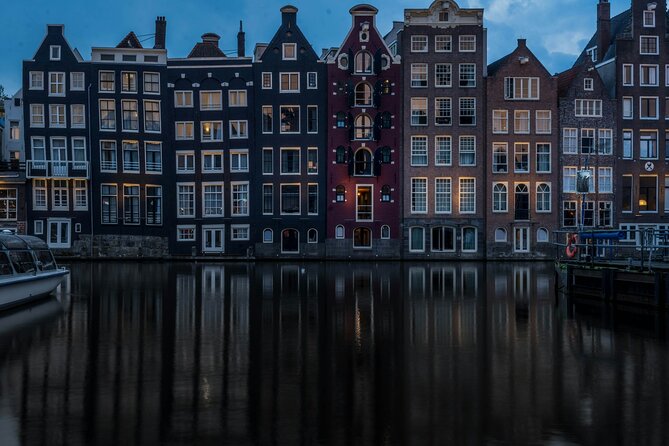
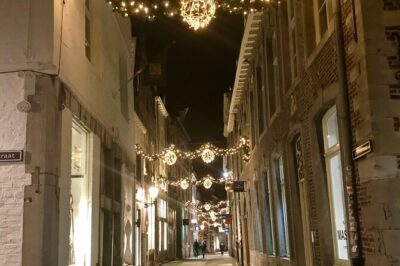
Amsterdam at night has a different rhythm. The Red Light District is the obvious draw, with neon signs, bars, and people moving through the streets. But the point of this tour is that you don’t just look at the neighborhood, you understand how it got there and where it’s headed.
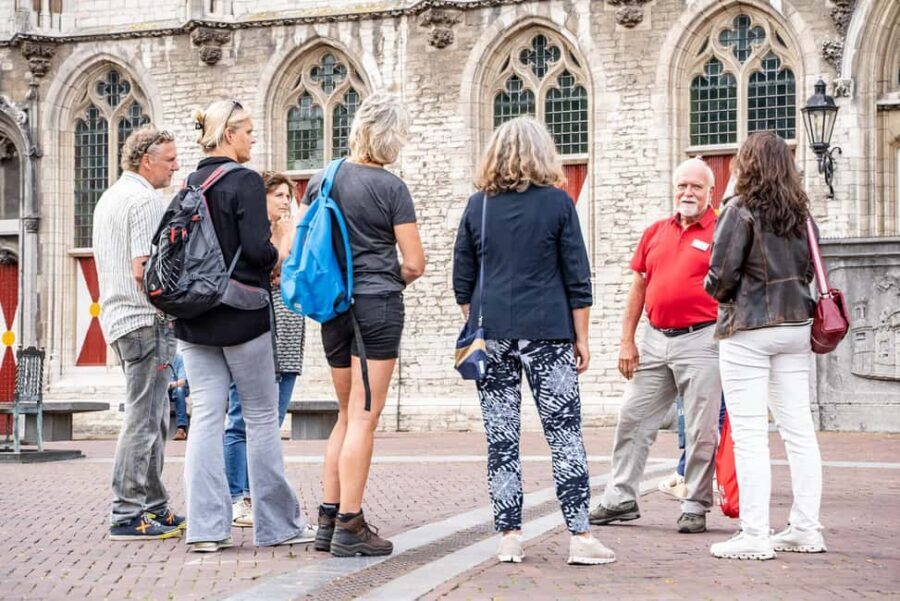
You’ll be on a small-group walk with up to 10 people, which matters in this area. It helps the guide keep everyone together without rushing you. It also makes it easier to ask questions as the story unfolds, especially when the conversation turns sensitive.
The tour runs at 8:00 pm, so you get the district in its evening mode. That’s the time when the streets feel most alive, and also when the guide’s messaging about respect lands best. If you’ve only seen Amsterdam in daylight, you’ll notice how much the city changes once the lamps and shopfronts take over.
You can also read our reviews of more tours and experiences in Amsterdam.
Meeting at Café the Schreiertower, ending at Beurs van Berlage
You start at Café the Schreiertower, Prins Hendrikkade 95, near the old canal-city core. From there you’ll work your way toward Damrak, and you finish at Beurs van Berlage (Damrak 243). Ending near a major landmark is handy because it gives you a strong final anchor to orient yourself afterward.
The walk is short and focused enough that it works as a true add-on to a packed Amsterdam day. It also helps that it’s designed as a 2 hours (approx.) experience rather than a half-day commitment. If you’re trying to maximize your time in the city, this is a solid way to see several famous stops in one go.
Amsterdam is walkable, but even more so when you’re in a route designed for pedestrians. This one also notes being near public transportation, which makes it easier to get to the start and get home afterward without stress.
Weeping Tower: the first stop and why it sets the tone
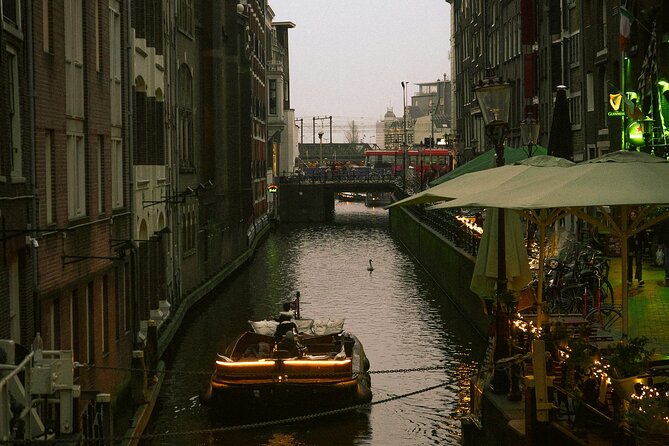
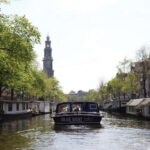
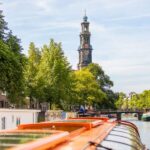
You begin with the Weeping Tower, a landmark framed as a haunting symbol of the city’s past. The tour keeps it brief (about 10 minutes), but it’s an effective opener. Early on, you’re primed to notice that Amsterdam’s street life sits on top of older stories.
Practical note: admission isn’t included for the Weeping Tower stop. Even if you don’t go inside, it’s still a meaningful way to start. You’ll understand that the Red Light District isn’t floating in a vacuum; it’s part of a long-running city story.
St. Nicholas Basilica and Zeedijk: seafaring faith, then a street with a turn in the plot
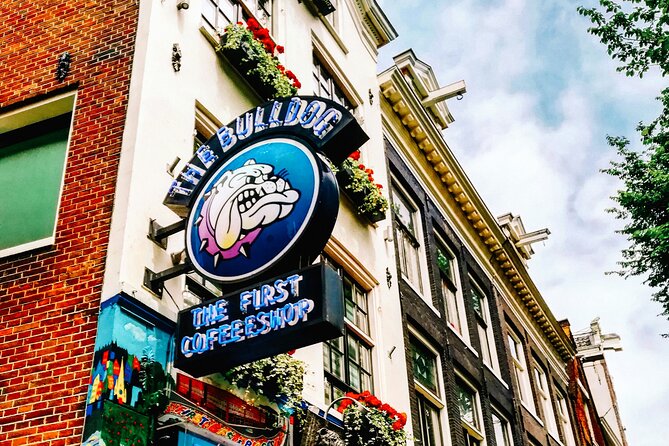
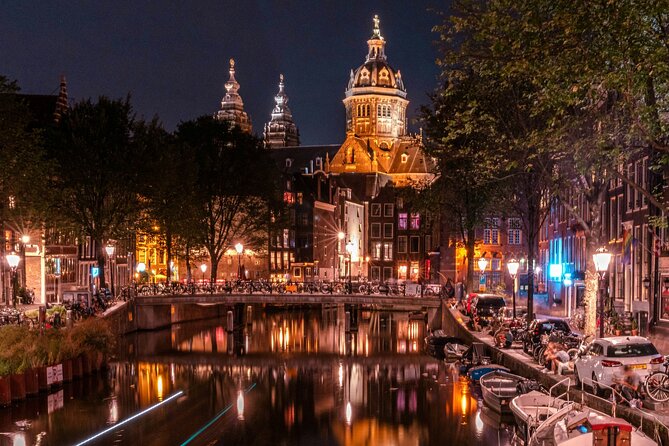
Next comes St. Nicholas Basilica, dedicated to the patron saint of seafarers. This stop is free (no admission ticket needed), and it gives you a breather from the intensity of the Red Light District that comes later. The architecture is part of the appeal here, but so is the theme: Amsterdam’s identity has always been tied to movement—ships, trade, and people coming and going.
From there you shift to Zeedijk, a historic street the tour describes as transforming from a turbulent past. The information you’re given highlights a rough patch framed around the 1970s, followed by change and revitalization. Even if you’re not checking dates and names like a professor, you’ll get the idea: streets evolve, and the city keeps reinventing itself.
Both St. Nicholas Basilica and Zeedijk are short stops, which is great if you want variety without losing time. They also help you build context before you reach the district itself.
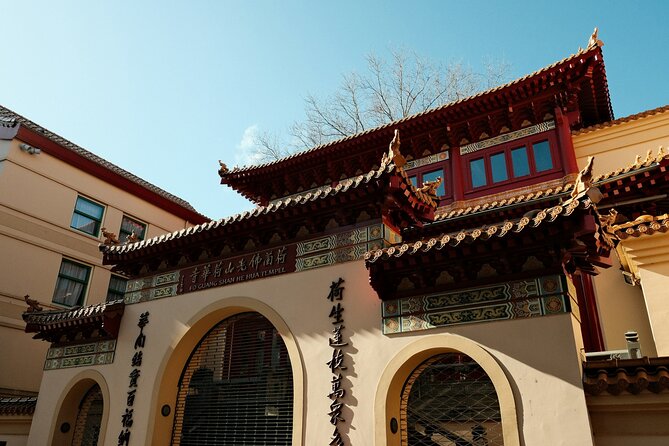
Fo Guang Shan He Hua Temple: a quiet pause in a busy city
Then you get a contrast stop: Fo Guang Shan He Hua Temple. It’s only about 5 minutes, but the point is the switch in atmosphere. The tour frames it as a sanctuary of tranquility and beauty, tied to Buddhist tradition.
Admission isn’t included here, so consider whether you want to plan for extra cost if you’d like to spend more time. Even without extending your visit, the short stop works as a reset. It’s also a reminder that the area you’re walking through isn’t only entertainment and neon. Amsterdam is layered.

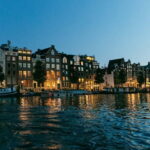
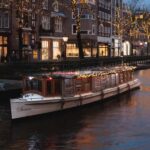
Nieuwmarkt and the Red Light District: energy, then the main act
You’ll spend time at Nieuwmarkt, a lively square with markets and historic character, plus lots of places to grab food or a drink nearby. This stop is free and runs about 15 minutes. It’s a good transition point before the main event because it feels like “Amsterdam as a neighborhood,” not just “Amsterdam as a headline.”
Then you arrive at the Red Light District for about 30 minutes. This is the heart of the tour and it’s free. You’re guided through the streets so you can see what makes the place famous: the neon, the bars, and the daily street life that visitors notice first.
This is also where you need the right mindset. The tour emphasizes respect in a very practical way—how to look, where to position yourself, and how to treat the workers as people rather than attractions. The guide’s communication matters here. In the real world, this area can feel uncomfortable if you don’t know the norms, so having a guide set that tone from the start helps a lot.
Oude Kerk: an 800-year-old landmark with admission not included
After the Red Light District, you move to Oude Kerk, an 800-year-old church in the center of Amsterdam. It’s framed as serene, historic, and architecturally impressive, with a short stop of about 10 minutes.
Practical note: admission isn’t included for the Oude Kerk stop. Still, it’s one of those places where even a quick visit helps you shift gears. You’ll feel how far back Amsterdam reaches, then how that long timeline connects to the buildings and street patterns you’ve just been walking through.
This is one of the reasons I think the tour is worth doing at night instead of skipping it for daytime. Night gives you contrast. You see the Red Light District in full evening mode, then you land in an older world.
Condomerie: funny on the surface, useful underneath
Not every Red Light District tour includes a stop like the Condomerie, and that’s exactly why it works. This is described as the world’s first condom specialty shop, with playful and educational displays focused on safe sex.
It’s only about 5 minutes, and it’s free, so it doesn’t take over your night. But it adds something important: Amsterdam can be direct about adult topics, and the city’s approach here is tied to health and education, not only shock value. If you’re worried the tour will be one-note, this stop helps balance it.
Beurs van Berlage: finishing at architecture with serious presence
The tour wraps at Beurs van Berlage, a former stock exchange now used for events, exhibitions, and concerts. This stop is free and lasts about 15 minutes, giving you enough time to appreciate the building’s presence rather than just snap photos and move on.
It’s a strong final point because it connects to the tour’s broader theme of the past shaping the present. The building makes it feel like Amsterdam isn’t just a collection of neighborhoods; it’s also a city with economic and civic layers that still show up in the streets.
Price and value: $60.15 for context, pacing, and a tight route
The price is $60.15 per person, and it’s set up for a 2-hour small-group walk at night. That’s a fair level for Amsterdam when you consider what’s included: an English guide, local recommendations, and a route that covers multiple major landmarks in one trip.
Here’s where the value math gets real for you: several stops are free, but some admission tickets are not included. The places called out as not included are the Weeping Tower, He Hua Temple, and Oude Kerk. If you plan to do any of those ticketed visits, budget a bit extra so you don’t get surprised.
Alcohol, meals, snacks, coffee, and bottled water are also not included. Alcohol is listed as 18+ only, and drinks are priced separately. For most people, that just means you’ll likely snack lightly or keep drinks minimal and put your money into the experience and any additional stop admissions you choose.
Timing helps the value too. A guided walk that starts at 8:00 pm saves you the hassle of figuring out what to see in the area at night. Even if you’re an experienced independent traveler, a route with a guide’s context is a shortcut to getting it right.
What the guide does well on sensitive streets
The best praise tied to this tour isn’t about scenery. It’s about the guide’s communication. You get history at the beginning so the district’s evolution makes sense, and then you get guidance on how to show the right respect once you’re walking through the Red Light District.
That matters because people can feel awkward in this neighborhood for different reasons: they may be curious, uncomfortable, or unsure how close to get. A good guide doesn’t just explain facts. They set expectations so you don’t become part of the problem.
The tour style is also described as right-sized: enough information to keep things interesting, but not so heavy that you lose the group’s pace. Still, there can be extra talking at the very beginning, so if you want action first, just know that you’ll likely start with a setup phase before the walk really takes off.
How to get the most from this tour
A few practical moves can make your night better.
First, keep your pace flexible at the start. If you’re expecting immediate movement, you might feel the beginning chat more than you want. Once you get going, the route is more enjoyable and easier to follow.
Second, prepare for a night walk by wearing shoes that handle city sidewalks. You’re outside for about two hours, and Amsterdam’s streets can be slick depending on weather.
Third, decide in advance how you want to handle extra costs. Tickets aren’t included for certain stops, and drinks and food are optional and separate. If you want maximum value, treat it like a guided tour plus a couple of optional admissions rather than a full dinner plan.
Fourth, keep your questions ready. The tour format with up to 10 people is good for asking follow-ups when a story connects to what you’re seeing in the street.
Who should book this Red Light District history walk
This is a good fit if you want a guided Amsterdam experience that is more about context than shock. You’ll enjoy it if you like history, architecture, and neighborhood evolution, and you want to see more than one “famous” spot in a single night.
It’s also a solid choice if you want to understand the Red Light District responsibly. The tour is explicit about respect, and that helps you feel steadier as you walk.
You might want to reconsider if you strongly prefer a nightlife party atmosphere. This tour isn’t built like a pub crawl. It’s built like a story-led walk with landmark stops and clear guidance.
Should you book this tour?
I’d book it if you want to connect the Red Light District to Amsterdam’s wider story, and you’re happy to spend part of your evening learning as well as looking. The mix of stops—churches, a temple, a condom specialty shop, and a major architectural landmark—keeps the route from feeling one-note.
I’d skip or choose a different option if you dislike guided walking tours that include early orientation time, or if you’re not interested in the “history and future” framing. The tour’s value depends on your willingness to treat the area as a real neighborhood with real people, not just a photo stop.
If you do book, aim for an open mind, plan your budget for optional admissions, and let the guide set the tone. That’s when the tour feels like a smart Amsterdam night, not just a famous street.
FAQ
How long is the Red Light District tour?
It runs for about 2 hours.
What time does the tour start, and where do I meet it?
The start time is 8:00 pm. The meeting point is Café the Schreiertower, Prins Hendrikkade 95, 1012 AE Amsterdam. The tour ends at Beurs van Berlage, Damrak 243, 1012 ZJ Amsterdam.
Is the tour offered in English?
Yes. The tour is offered in English, and the guide language list also includes Spanish, Italian, and Dutch.
Is it a small group?
Yes. The maximum group size is 10 travelers.
Are entrance tickets included for all stops?
No. Some stops include admission tickets not included, while others are free. The Weeping Tower and Fo Guang Shan He Hua Temple are listed as admission not included, and Oude Kerk is also admission not included. St. Nicholas Basilica, Zeedijk, Nieuwmarkt, the Red Light District, Condomerie, and Beurs van Berlage are listed as free.
What’s not included in the price?
Alcoholic beverages (5–10 euros, 18+ only), dinner (20–50 euros), snacks (5–15 euros), coffee and/or tea (5–10 euros), soda/pop (2–5 euros), lunch (20–50 euros), bottled water (2–5 euros), and brunch (20–40 euros) are not included.
Are alcoholic drinks included?
No. Alcoholic beverages are not included, and they are 18+ only.
Is free cancellation available?
Yes. Free cancellation is available up to 24 hours in advance for a full refund. If you cancel less than 24 hours before the experience starts, it is not refunded.
Are service animals allowed?
Yes. Service animals are allowed.