REVIEW · AMSTERDAM
Your Own Amsterdam: The Art Underground
Book on Viator →Operated by Snurk.Travel · Bookable on Viator
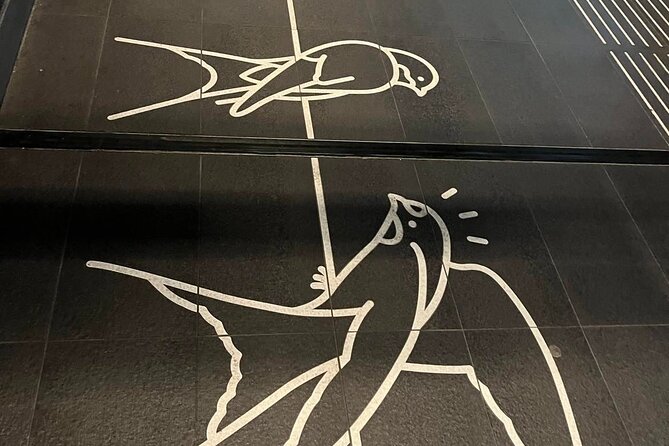
Art shows up in the most unexpected places. This private, English-language tour uses Amsterdam’s stations and underground spaces as your museum—so the city’s stories come with you as you walk and ride. You’ll move from Centraal toward Amsterdam-Noord, with stops that link public art to topics like tulip mania, Dutch East-India trade, colonialism, and the way infrastructure shapes daily life.
I especially love how the route turns transit into context: you’re not just looking at art, you’re learning why it landed there and what it was meant to say. I also liked the guide experience—Maria was patient and clearly able to explain the metro system’s history and how decisions about art in public spaces can be democratic. One possible drawback: the tour price doesn’t include the underground metro tickets, which are listed at 9 euros per person, and that can add up if you’re not expecting it.
In This Review
- Key highlights I think are worth your time
- What this Art Underground tour is really doing
- Where you start and how the timing works
- Centraal Station: art that points to tulip mania and colonial trade
- Rokin Station: excavations older than 2,000 years
- Vijzelgracht and Nieuwemarkt: free stops with cultural signals
- Noorderpark: Amsterdam School architecture and how design shapes people
- Amsterdam-Noord: ecosystems, flora, fauna, and public art
- Price and value: what you’re paying for, and what you should budget
- What kind of traveler should book this?
- If you love Amsterdam, you’ll keep seeing it differently
- Should you book The Art Underground?
- FAQ
- How long is the tour?
- Is this tour private?
- What language is the tour offered in?
- What is included in the price?
- Are metro tickets included?
- Do I need admission tickets for every stop?
- Where do we meet, and where does the tour end?
- Is mobile ticketing used?
- What’s the cancellation policy?
Key highlights I think are worth your time
- Two thousand-year-old clues at Rokin Station and how archaeology changes what you think you know about Amsterdam
- Centraal Station artworks with big themes like climate, tulip mania, and Dutch colonial-era trade
- Free art stops at multiple stations, which helps keep the total cost more predictable
- Amsterdam School architecture at Noorderpark, tied to how design influences society
- Public art reflecting local ecosystems in Amsterdam-Noord, with flora and fauna as part of the story
What this Art Underground tour is really doing
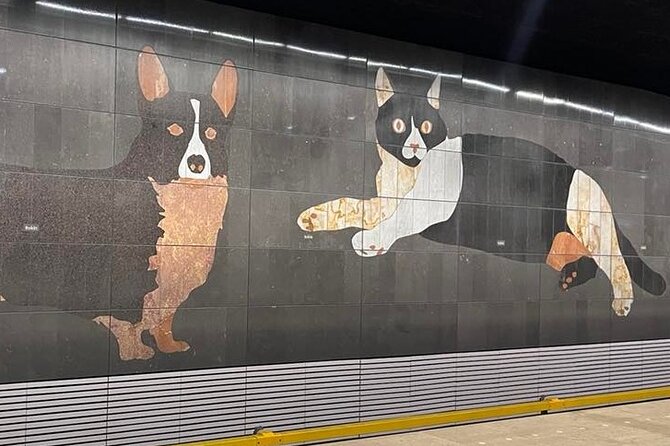
Amsterdam has a strong habit of putting art where people already are. On this tour, that idea becomes the whole point: stations aren’t just transport. They’re civic rooms. And once you start noticing the choices behind the art—materials, themes, and placement—you start reading the city differently.
You’ll spend about two hours on a structured route, with a guide leading you from one station-area to the next. It’s a private tour, so it’s just your group (no mixing with strangers), which matters if you want questions answered without feeling rushed.
There’s also a subtle skill built in. This tour teaches you to look at the “background” of Amsterdam—signage, architecture, transit corridors, and street-level neighborhoods—and spot the connections to history and culture. That’s handy even after the tour ends, because you’ll keep seeing those patterns while you explore on your own.
You can also read our reviews of more tours and experiences in Amsterdam.

Where you start and how the timing works
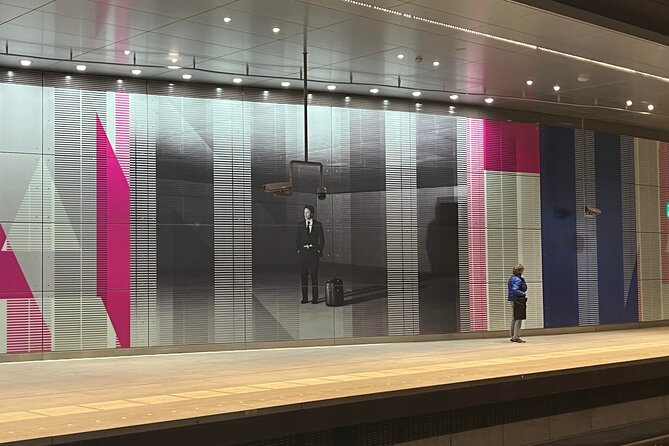
You meet at Stationsplein 13a, 1012 AB Amsterdam. The meeting point is practical: it’s in a central, transit-heavy area, so getting there is usually straightforward.
The pace is designed for short stops—about 15 minutes at each station-area—so you’re not stuck listening for an hour in one place. That’s good for two reasons. First, you actually have time to look around without feeling like you’re on a tight sprint. Second, the themes shift in a way that keeps the tour from getting repetitive.
You’ll finish in Amsterdam-Noord, which is a nice touch. It prevents the classic “stay in the city center and call it a day” feeling.
Centraal Station: art that points to tulip mania and colonial trade
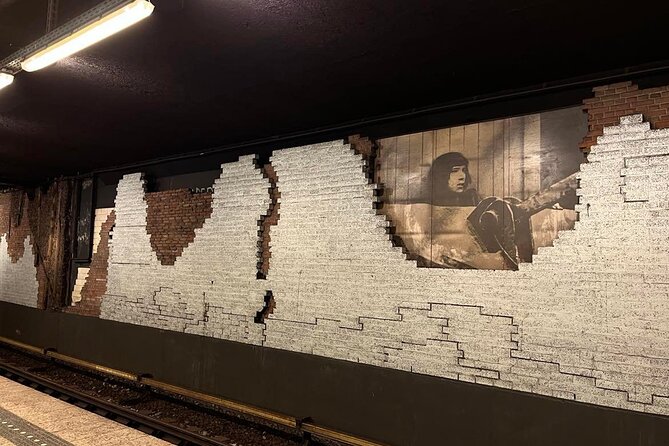
Your first stop is Centraal Station, where millions of people pass through every year. That scale changes how you notice art. Instead of art in a quiet museum room, you’re seeing artwork in a high-flux space where travelers glide past—and where placement really matters.
The tour frames these station pieces as clues. You’ll connect the artworks to broader Amsterdam themes such as local climate, the story arc around tulip mania, and the Dutch East-India trade—plus the role colonialism played in the wealth and networks that shaped the Netherlands. It’s a lot for one station, but the timing helps; you’re given direction on what to look for and why, rather than getting lost in a long lecture.
Why this works for you: even if you’re not an “art person,” the themes keep it readable. Trade routes, economics, and power systems are real-world topics that explain why art often has sharper edges than you expect.
What to watch for: Centraal is busy. If you’re sensitive to crowds or noise, the first minutes can feel intense before you settle in. Wear comfortable shoes and plan to stay alert around foot traffic.
Rokin Station: excavations older than 2,000 years
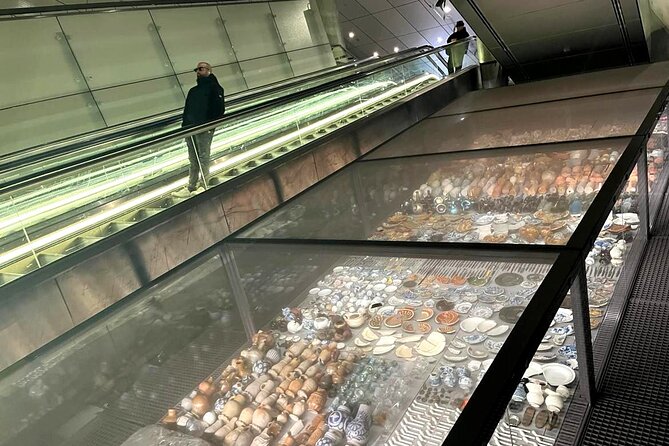
Next up is Rokin Station, where the tour highlights archaeological excavations. The standout detail here is the age: some finds are more than 2000 years old. In other words, you’re learning that Amsterdam’s underground isn’t just infrastructure—it’s layered time.
The guide ties these discoveries to stories about Amsterdam and the people who lived there. That’s the key takeaway: archaeology doesn’t just hand you dates. It helps you picture how the city developed, who shaped it, and what might have been overwritten by later construction.
Why this is special: lots of Amsterdam sightseeing happens on top of the surface. Here, you’re trained to think in layers. That makes everything else you see—canals, streets, architecture—feel like part of a longer process.
Possible consideration: because the subject is archaeology tied to station areas, you’ll likely spend some time reading the environment carefully. If you prefer very hands-on activities, this may feel more interpretive than physical—but it’s still a compelling shift in perspective.
Vijzelgracht and Nieuwemarkt: free stops with cultural signals
At Vijzelgracht, the focus turns to popular Dutch music from the 20th century. It’s a smart change of pace: instead of historical trade and archaeology, you’re moving into cultural memory. Music can be abstract, but in a station context it becomes a public marker of identity—something shared without needing a ticket or a private collection.
Then you head to Nieuwemarkt, where the tour explains why the first metro lines in the 1980s caused strong resistance from locals—and how that tension still affects daily life. This is where transit art starts feeling political in the best sense. You learn that infrastructure isn’t just engineering; it also changes how neighborhoods function, and it can trigger long-running debates.
Both of these stops list admission as free in the itinerary. That’s not just a cost note—it’s a quality-of-life note. You get two meaningful cultural stops without needing extra payments beyond what the metro ride requires.
What you’ll get here: the tour helps you connect art and station design to everyday life. You stop treating transit spaces like neutral hallways.

Noorderpark: Amsterdam School architecture and how design shapes people
Noorderpark brings architecture into focus, specifically the Amsterdam School style and its influence on modern architecture and society.
This is a great stop if you like to think about form and meaning. Amsterdam School isn’t just a visual style; it’s tied to ideas about social life, public identity, and how streets and buildings can reflect values. When you’re in a station-based tour, this kind of architectural conversation feels even more grounded, because you see how design decisions become part of public routines.
How it helps you as a visitor: once you understand the Amsterdam School approach, you’ll recognize similar design logic across other parts of the city. That improves your independent sightseeing after the tour.
Potential drawback: this is still a “look and listen” stop. If you prefer shopping neighborhoods or long canal walks, make sure you’re mentally ready for a design-focused segment.
Amsterdam-Noord: ecosystems, flora, fauna, and public art
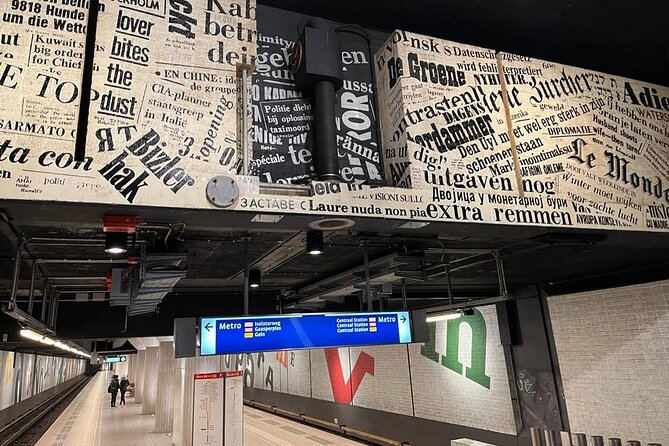
The tour finishes in Amsterdam-Noord, where the spotlight shifts again. Here, you’ll talk about the local ecosystem, flora, and fauna—and how public art reflects that living environment.
This ending feels right because it pulls you away from the center’s heavy historical messaging and into a more ecological angle. Instead of only looking backward at what Amsterdam used to be, you’re also looking at what the city supports now, and how art can respond to that reality.
Why it’s a good finale: it broadens your sense of what public art can do. Not all station art is about famous dates or famous figures. Some of it points toward place-based themes—what grows, what survives, and how nature and city life overlap.
Price and value: what you’re paying for, and what you should budget
The price is listed at $236.59 per person for a tour lasting about two hours. That’s not low. So here’s the value math I’d use:
- You’re getting a private experience (your group only), which is the biggest driver of cost.
- The tour includes a guide, and you’re getting multiple theme-heavy stops instead of one museum-style attraction.
- Several stops in the route are marked with free admission (notably Vijzelgracht and Nieuwemarkt, plus the Noord area stop is listed as free).
Then there’s the extra you should plan for: underground metro tickets are not included and are listed at 9 euros per person. That means your total spend will be higher than the advertised tour price once you add transit.
My practical advice: if you’re traveling solo, this is a premium way to learn. If you’re traveling with a group, the private format can feel more reasonable because you’re not competing for attention with strangers, and you can ask questions tailored to your interests.
Also, the tour notes group discounts, so if you’re booking with friends or family, it’s worth checking what that means for your headcount.
What kind of traveler should book this?
This tour is a good fit if you:
- love art but want it explained through real places (stations and neighborhoods, not just canvases)
- like history that connects to how a city works today—transit, design, and public decision-making
- want a short, structured outing that still covers multiple themes (art, architecture, archaeology, culture)
It’s less ideal if you:
- hate crowds at major transit hubs like Centraal
- expect a hands-on workshop or a long museum-style experience
If you love Amsterdam, you’ll keep seeing it differently
By the end, you’ll likely feel like you’ve “read” the city rather than simply toured it. That’s because each station stop is tied to a theme you can recognize later while walking around Amsterdam—especially architecture styles, how public space decisions get made, and the idea that modern cities sit on top of earlier lives.
And yes, a detail that matters: the guide experience is part of the value. Maria’s explanations were described as patient, with attention to how the metro system’s history and the selection of art in public spaces can be democratic. That kind of framing makes the whole route feel more coherent.
Should you book The Art Underground?
Yes—if you want art and culture that’s grounded in Amsterdam’s everyday machinery: stations, transit lines, and public spaces. I’d book it when you have two hours and you want something more thoughtful than the usual sightseeing loop.
Skip it if you’re mainly chasing broad landmark photos and don’t care much about archaeology, design styles, or public-art meaning. In that case, you may feel like you’re spending time “looking at stuff” without enough payoff for your preferred travel style.
Either way, set aside a little budget for the metro tickets, bring comfortable walking shoes, and come ready to notice details you’d normally ignore. That’s where the tour’s best ideas land.
FAQ
How long is the tour?
It’s listed as approximately 2 hours.
Is this tour private?
Yes. It’s a private tour/activity, and only your group participates.
What language is the tour offered in?
It’s offered in English.
What is included in the price?
A guide is included.
Are metro tickets included?
No. Underground metro tickets are not included and are listed as 9 euros per person.
Do I need admission tickets for every stop?
Not all stops require admission. The itinerary notes that some stops have admission tickets not included, while others are listed as free.
Where do we meet, and where does the tour end?
You meet at Stationsplein 13a, 1012 AB Amsterdam, Netherlands. The tour ends in Amsterdam-Noord.
Is mobile ticketing used?
Yes, the tour includes a mobile ticket.
What’s the cancellation policy?
Free cancellation is available up to 24 hours in advance for a full refund. After that window, refunds aren’t listed as available.