REVIEW · AMSTERDAM
Amsterdam: Rainbow Rural Bike Tour With Local Gay Guide
Book on GetYourGuide →Operated by LGBTOUR_Amsterdam · Bookable on GetYourGuide
Three hours can change how you see Amsterdam.
This Rainbow Rural Bike Tour threads together an ancient windmill with its waterworks and an abandoned harbor covered in murals, while showing how North Holland manages all that water. I like that the ride stays calm and friendly, guided by an LGBTQIA+ local. The main thing to consider is simple: if you cannot ride a bike, this tour is not for you.
You’ll start just beyond the busy core, at Pancakes Amsterdam at the IJ, and pedal through flat countryside and shoreline views that feel a world away from city crowds. It’s priced at $81, and it’s one of those outings where the value comes from the full package: bike rental plus a guide who adds personal, queer-aware context. If you’re coming on a sunny day, great; if weather turns, bring weather-appropriate clothes because the ride continues.
In This Review
- Key highlights you’ll remember
- Getting oriented: Pancakes Amsterdam at the IJ start line
- Why this route feels like a real switch to North Holland
- Windmill stop: seeing centuries-old waterworks up close
- Dykes and water: the engineering story you can see
- Passing NDSM and the feel of Dutch waterside neighborhoods
- The abandoned harbor with murals: art in an older industrial space
- The ferry ride: skyline views from the northern water
- Cows, sheep, and the small rural touches that make it feel Dutch
- Price and value: what $81 buys you
- Who this tour is best for
- Practical tips so you stay comfy for the full 3 hours
- A note on the queer-friendly vibe and local guide energy
- Should you book this Rainbow Rural Bike Tour?
- FAQ
- How long is the Amsterdam Rainbow Rural Bike Tour?
- Where does the tour meet?
- What’s included in the price?
- What languages is the guide speaking?
- Do I need to bring water or sun/rain protection?
- Is alcohol allowed during the tour?
- Is this tour suitable for families and different types of travelers?
Key highlights you’ll remember
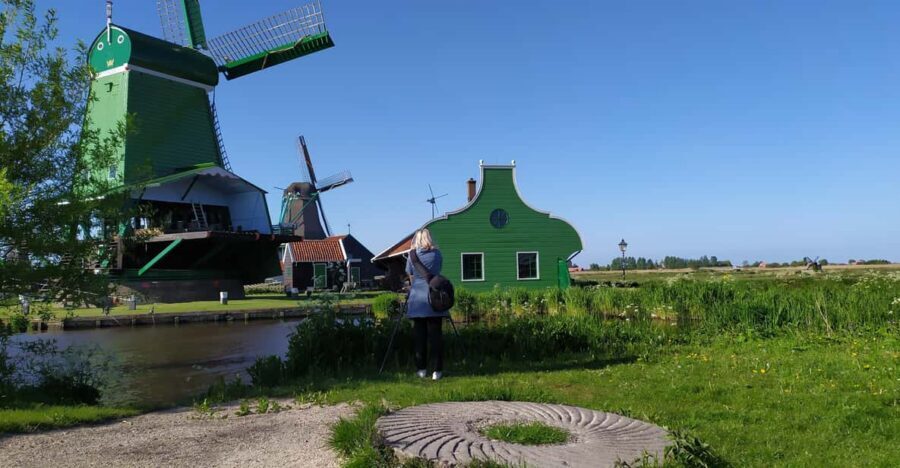
- Close-up windmill waterworks: learn why the Netherlands looks the way it does.
- Dyke and polder views: giant practical engineering, plus big camera-worthy panoramas.
- Abandoned harbor murals: art in an industrial space you’d miss on your own.
- Long ferry return: skyline views from the water, without the stress of navigating.
- Meet locals in a queer-safe vibe: guides from the LGBTQIA+ community, straight-friendly too.
- Easy cycling route: Holland is flat, so the focus stays on scenery and conversation.
Getting oriented: Pancakes Amsterdam at the IJ start line
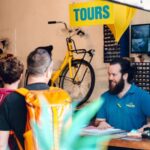
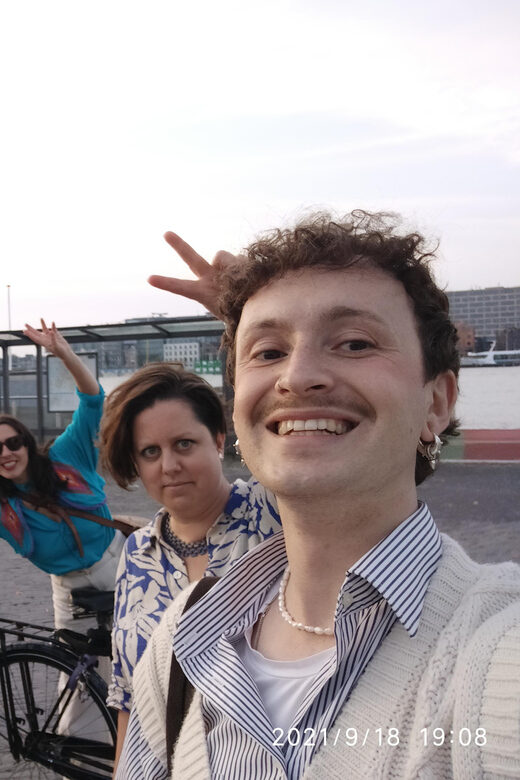
The tour starts at Pancakes Amsterdam at the IJ, behind Central Station, right along the water. You’ll find the group at the restaurant building on De Ruijterkade 35, 1012 AB Amsterdam, and you’ll recognize the guide by a tiny rainbow flag. That matters more than you’d think in a big transit area—less time wandering, more time rolling.
The ride is set up to be relaxed. You’re not wrestling traffic stress or doing steep climbs; you’re getting your bearings fast and settling into a countryside rhythm right after your meet-up.
You can also read our reviews of more cycling tours in Amsterdam
Why this route feels like a real switch to North Holland
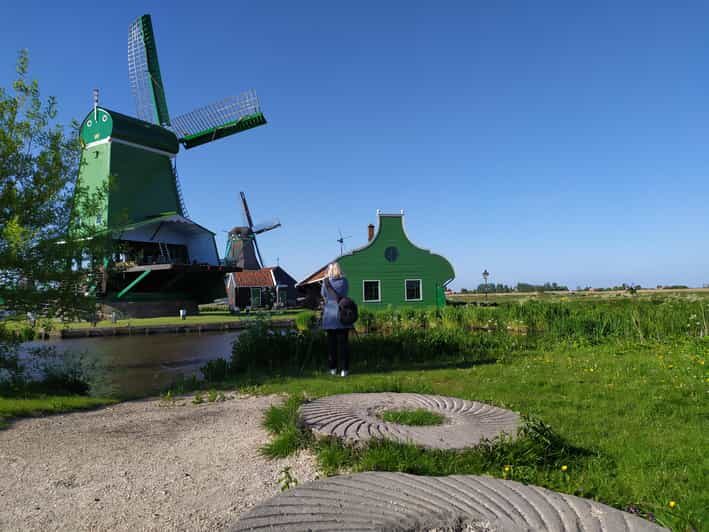
This is a north-of-the-city experience, not just a quick loop around the canals. You’ll cross the water from Amsterdam’s center and step into the kind of Dutch scenery people picture: polders, wooden houses, windmills, and wide open skies. The timing (about 3 hours) is short enough to stay fun, but long enough to feel like you actually left the city.
I like that it’s framed as a place where you can meet open-minded people from around the world without it turning into a party tour. Based on how the ride has been described by families and couples, the vibe is welcoming and reassuring, with a guide who keeps things moving while also making time for photos.
Windmill stop: seeing centuries-old waterworks up close
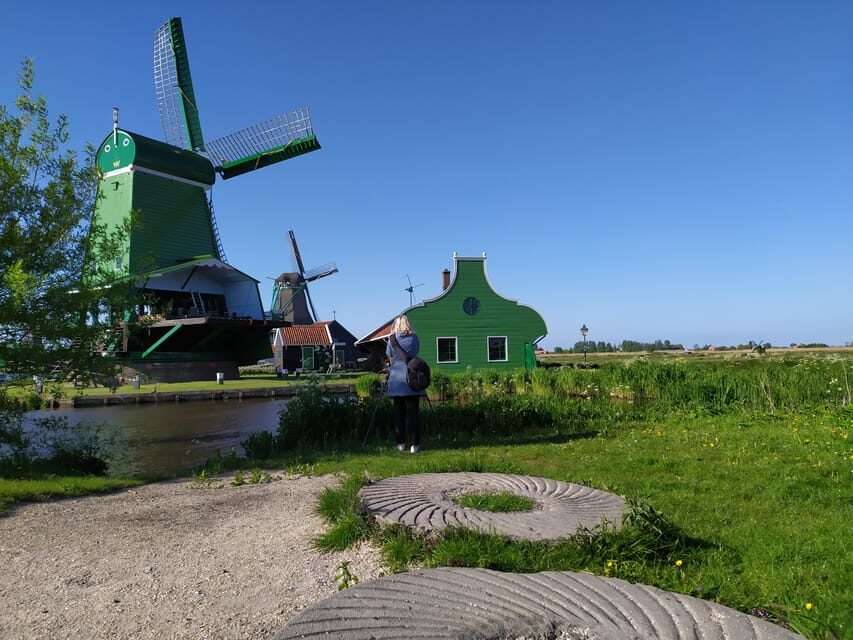
One of the best parts is the centuries-old Dutch windmill stop. You’re not just looking at it from far away—you get close enough to understand how it fits into the region’s water management. In the Netherlands, water isn’t an occasional problem. It’s the reason for the dykes, the polders, the canals, and the way land and life work together.
The guide adds context while you take in the views from the break. That pairing—practical explanation plus a moment to stand, look, and breathe—makes the windmill more than a postcard object.
A small practical note: windmills often mean exposed open areas. Even in mild weather, plan for cool breezes, especially if the day starts cloudy and turns later.
Dykes and water: the engineering story you can see
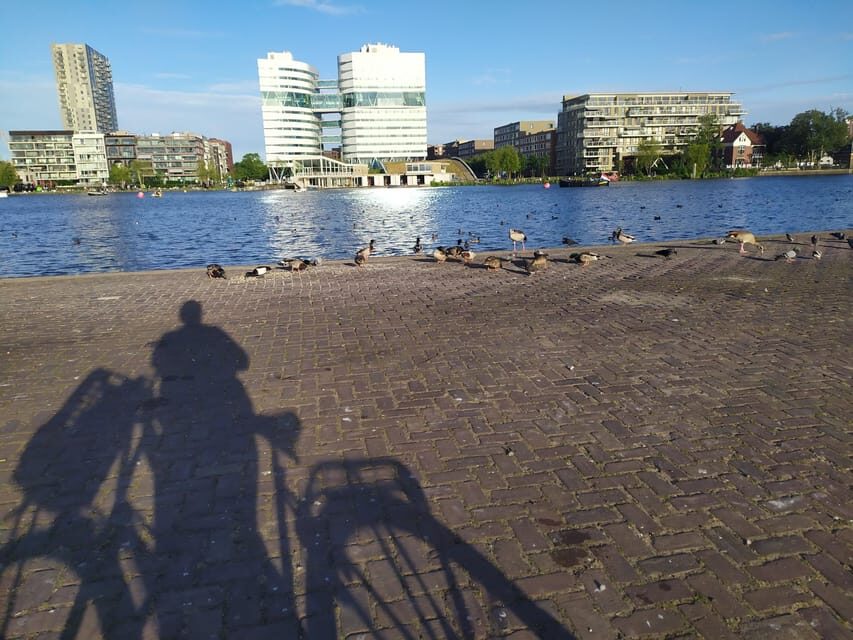
As you keep cycling, the tour leans hard into dyke country. The question the ride naturally raises is simple: how do Dutch people deal with all that water for centuries? You’ll get the answer through what you can physically observe—dykes shaping the edges of land, water channels doing their job, and the way the countryside is organized around water levels.
I like this approach because you’re not memorizing facts. You’re seeing the landscape, reading the water lines, and understanding why the Netherlands looks the way it does. It’s the kind of learning that sticks because it’s anchored to real places you pass every few minutes.
Passing NDSM and the feel of Dutch waterside neighborhoods
On the route, you may pass by the NDSM area, which shows a different side of Amsterdam’s north than the classic postcard canals. The vibe here is more industrial and creative, and it helps break up the ride so it doesn’t feel like pure farmland the whole time.
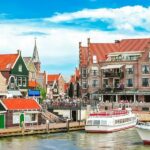
In general, the north of Amsterdam can feel more chill than the center. That’s a win for cyclists because the ride stays calmer and easier to enjoy. You’ll also see typical Dutch wooden houses along the way, with a sense of everyday life close to the water.
If you’re the type who loves details—colors, building shapes, waterfront textures—this segment is where you’ll start snapping photos without feeling like you’re constantly stopping.
You can also read our reviews of more guided tours in Amsterdam



The abandoned harbor with murals: art in an older industrial space
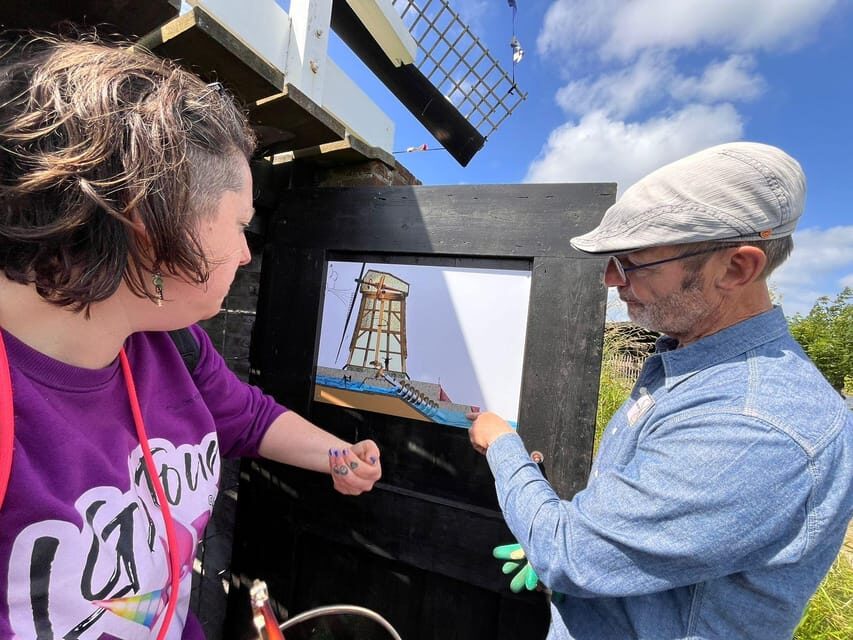
Later you head to an abandoned industrial old harbor area that’s now known for murals. This is one of the stops that turns the tour into more than scenery. You’re cycling into a space that feels lived-in by art rather than by industry, and the walls become a kind of open-air gallery.
What makes it special on a bike tour is pacing. You can take in the murals while still feeling motion around you—no museum-stiffness, no long waits. It’s the sort of place that’s much harder to find and appreciate on your own if you don’t already know the north’s creative corners.
If you’re visiting with kids, murals tend to land well because they’re visual fast. One family report also highlighted how the guide’s jokes kept the energy up without derailing the historical and personal storytelling.
The ferry ride: skyline views from the northern water
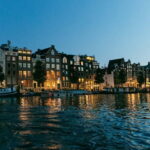
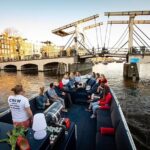
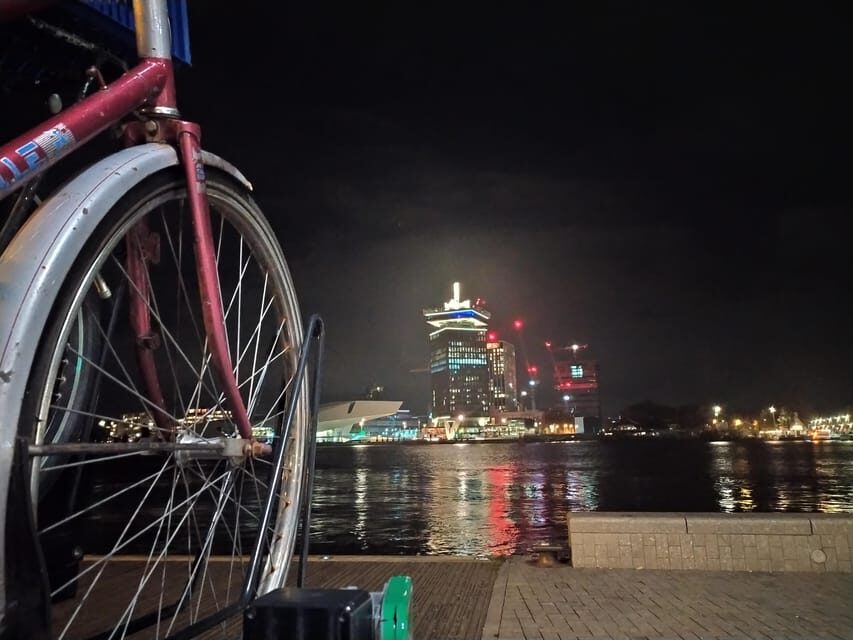
The tour finishes with a long ferry ride back. This is a smart inclusion because it gives your legs a break while you get the best possible vantage point: the Amsterdam skyline from the water.
From the ferry, you’re not trying to shoot photos over shoulder-to-shoulder crowds. You’re moving smoothly, and the city reveals itself in sections—buildings, bridges, and water reflections. It’s also a good moment to wind down and talk with the group before you return to the start area.
You’ll want to keep an eye on the weather here. If it’s windy, dress for it; if it’s sunny, you’ll probably wish you’d brought sunglasses.
Cows, sheep, and the small rural touches that make it feel Dutch
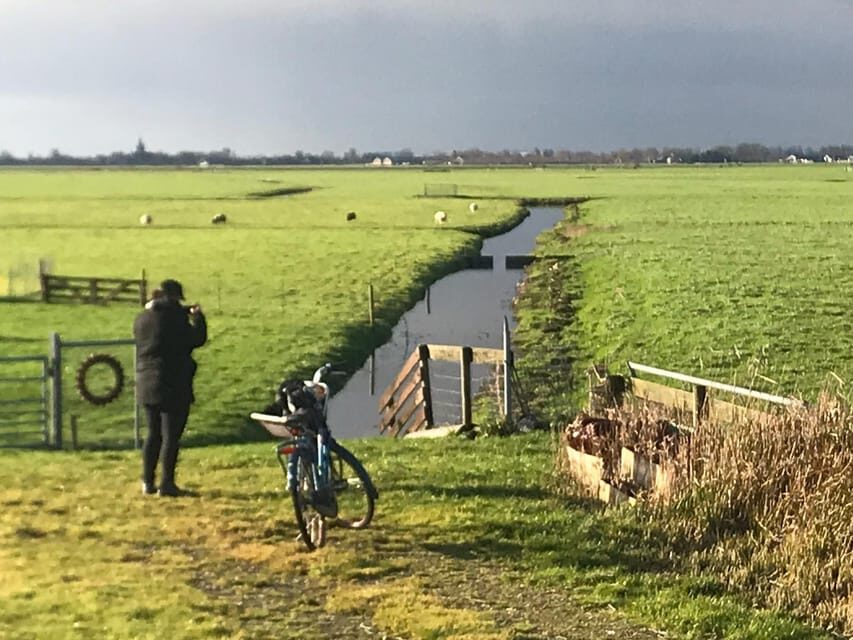
Even though this is centered on bikes, windmills, dykes, and harbor art, it also includes the small rural touches that make the countryside feel real—cows and sheep. Those details matter because they signal you’re truly in the Netherlands’ pastoral rhythm, not just doing a scenic city perimeter.
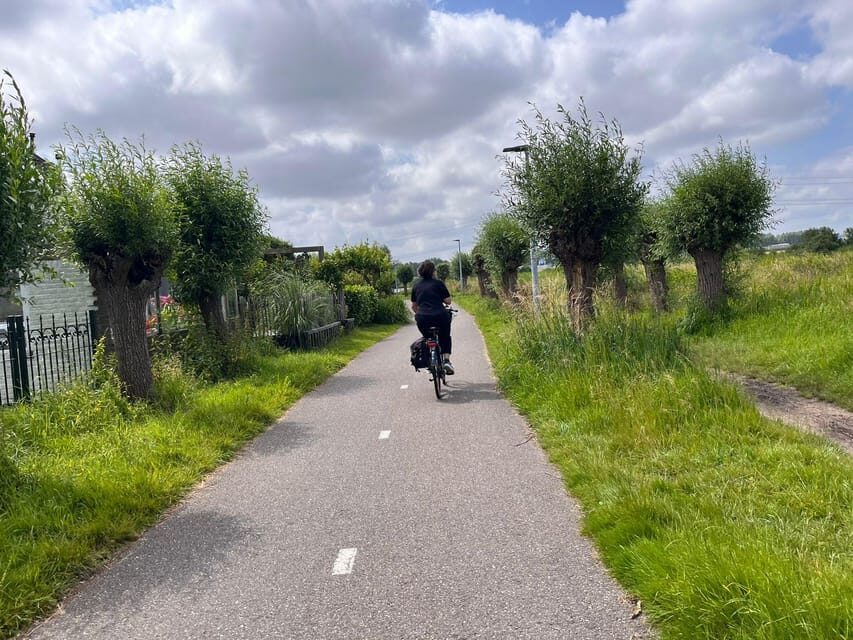
The route is designed so cyclists of different comfort levels can enjoy it. Since Holland is famously flat, the challenge is usually just staying relaxed in traffic-free or low-stress cycling conditions. The baseline requirement is straightforward: you have to know how to ride a bike.
Price and value: what $81 buys you
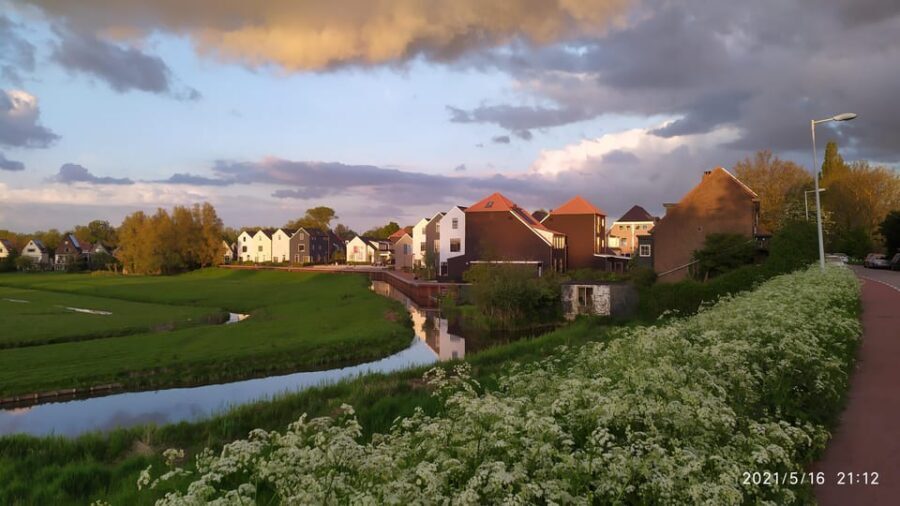
$81 for a 3-hour bike tour includes bike rental, and that’s a big chunk of value in Amsterdam where renting can add up. You’re also paying for guide time, route planning, and access to stops that are easier with local context—especially the specific windmill waterworks and the abandoned harbor mural area.
Where the price feels most justified is in the guide approach. The tour is described as straight-friendly, with guides who are part of the LGBTQIA+ community in Amsterdam. That matters because it shapes the atmosphere: you’re not just looking at places, you’re hearing personal stories and local queer perspective while you ride. One couple also noted how reassuring and kind the guide felt, which can make a group tour a lot more comfortable.
Add to that the included practical support: rain ponchos are provided if needed, and the guide provides a quick way to get started and feel oriented from the first minute.
Who this tour is best for
This works well for a few different types of travelers:
- Couples and solo travelers who want a queer-safe ride without feeling like they need to be part of a nightlife scene.
- Families looking for an active outing that still teaches—kids can enjoy the murals and rural moments while adults enjoy the waterworks explanations.
- Cyclists who are comfortable on a bike but don’t want a technical ride. It’s flat and the pace is meant to feel easygoing.
- Friends groups who like photos and storytelling, since the guide often pauses for picture time.
It’s especially appealing if you’ve already seen the canal highlights and want a different side of Amsterdam: the north, the water-managed countryside, and the creative industrial spaces.
Practical tips so you stay comfy for the full 3 hours
You’ll want to wear weather-appropriate clothing. Amsterdam can switch conditions fast, and this is an outdoor bike tour with open-water segments and ferry time.
A few smart prep ideas:
- Bring a water bottle and something for sun or rain (sunscreen, sunglasses, cap).
- If rain shows up, you’re not stuck—rain ponchos are provided if necessary.
- Photos are part of the experience, so keep your hands free at stops and secure your phone or camera.
Also note the tour rules: alcohol and drugs are not allowed. That keeps the ride calmer and makes the group feel more comfortable for everyone.
A note on the queer-friendly vibe and local guide energy
The tour is explicitly Rainbow-focused, with guides described as part of the LGBTQIA+ community. It’s also described as straight-friendly, meaning you don’t have to be queer to feel comfortable here; you just need to be respectful.
From the way the guide’s personality has been described—bubbly, joyous, reassuring, and kind—you can expect a human connection, not just a lecture. In one account, Sanne was especially attentive to stopping for photos, even making playful detours when color-matching house moments popped up.
If you like tours that blend facts with personal perspective, this is that style.
Should you book this Rainbow Rural Bike Tour?
Book it if you want:
- a flat, easy bike experience that still feels like a real outing,
- windmills and dykes explained in a way you can picture,
- murals and an abandoned harbor atmosphere,
- and a ferry finish with skyline views instead of another long pedal back.
Skip it if:
- you cannot ride a bike, or
- you hate outdoor activities where weather can influence comfort, even with ponchos available.
If you’re planning a short Amsterdam trip and want one memorable “North Holland day” without overthinking logistics, this tour is a strong pick. It’s not just about seeing places—it’s about understanding how the Netherlands works, while doing it in a welcoming group.
FAQ
How long is the Amsterdam Rainbow Rural Bike Tour?
The tour lasts 3 hours.
Where does the tour meet?
You meet in front of Pancakes Amsterdam at the IJ, De Ruijterkade 35, 1012 AB Amsterdam, located at the back of Central Station by the water.
What’s included in the price?
Bike rental is included, along with the guided tour experience. The guide provides queer joy and happiness, and rain ponchos are provided if needed.
What languages is the guide speaking?
The live tour guide speaks English and Dutch.
Do I need to bring water or sun/rain protection?
It’s recommended to stay well-hydrated and bring items like sunscreen, sunglasses, or a cap. Weather-appropriate clothing is also suggested.
Is alcohol allowed during the tour?
No. Alcohol and drugs are not allowed.
Is this tour suitable for families and different types of travelers?
Yes. It’s described as suitable for all levels of cyclists because the route is flat, and families are most welcome. The tour is straight-friendly as well.