REVIEW · AMSTERDAM
Amsterdam: High Wine at wine bar Paskamer, 3-rounds
Book on GetYourGuide →Operated by Paskamer · Bookable on GetYourGuide
Three pours, one focused lesson. At wine bar Paskamer in De Pijp, the High Wine turns a casual night into a structured tasting with three glasses matched to small bites, guided by WSET-certified sommeliers. I love the wine-and-food pairing focus and the way the staff explain what you’re drinking and why it works. One catch: it’s not a full dinner, so expect small portions and plan to eat more afterward if you’re truly hungry.
This is also an easy, friendly setting to slow down. Paskamer has been named Wine Bar of the Year in the Netherlands (2022), and the vibe is lively without feeling like a loud bar where you have to shout over your own curiosity. The whole experience runs about 2 hours, with a tasting session that clocks in around 1.5 hours, so you get real guidance without burning half a day.
Before you book, check two practical notes. The experience is not suitable for children under 18 or for pregnant women, and if you have dietary needs, you should mention them when you reserve so the pairing can be adjusted in advance.
In This Review
- Quick hits before you book
- Price and value: $43 for a guided tasting format
- Getting started at Paskamer in De Pijp
- The three-round flow: how the High Wine actually works
- Timing and pacing
- Why the bite size matters
- The pairing focus: what to watch for and how to get more out of it
- What you’ll eat
- De Pijp timing: making this fit into an Amsterdam evening
- Dietary needs, language, and who should skip this
- Practical tips for a smoother, more enjoyable tasting
- Should you book the Paskamer High Wine?
- FAQ
- What is included in the Paskamer High Wine?
- How long does the High Wine experience take?
- Where does the experience start?
- How much does it cost?
- Can I add another wine and bite?
- Is the High Wine a full dinner?
- Do they offer dietary adjustments?
- What languages are spoken during the experience?
- Who is it not suitable for?
Quick hits before you book
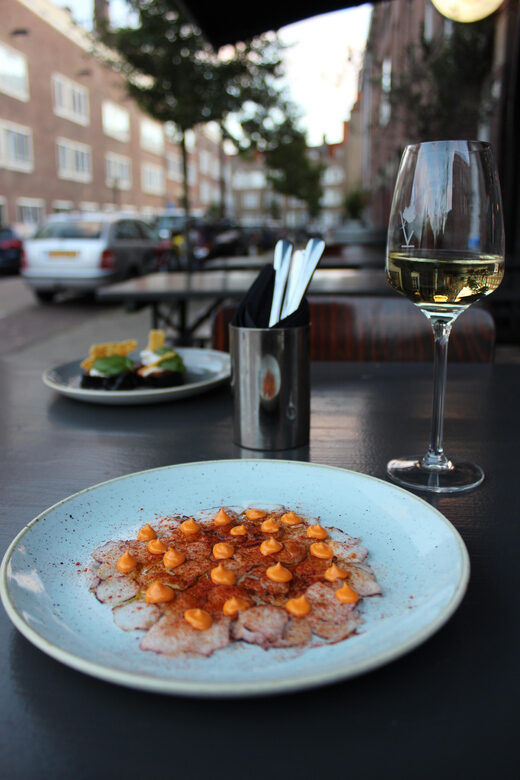
- Three rounds, three matching bites: each glass has a partner bite designed to match it.
- WSET-certified guidance: the explanations are part of the value, not just background noise.
- De Pijp wine-bar atmosphere: an Amsterdam neighborhood setting that feels social, not formal.
- Not dinner, more like a tasting: portions are smaller than a normal meal.
- Optional extra round: you can add one more glass and bite for EUR 11 per person.
Price and value: $43 for a guided tasting format
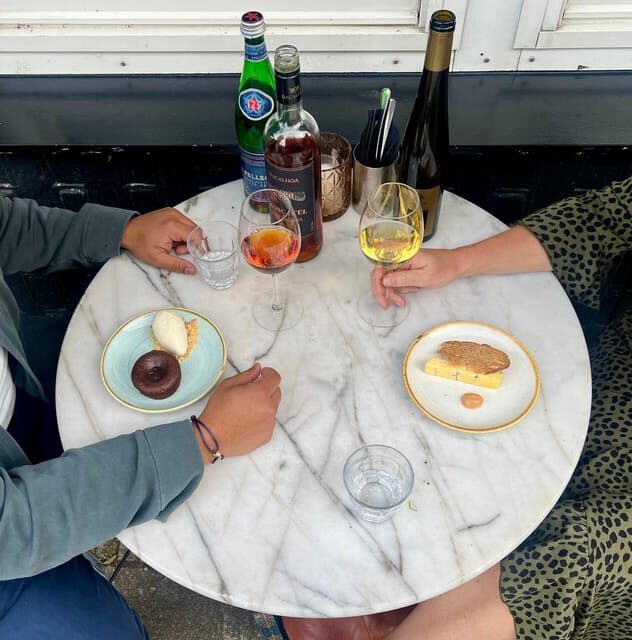
At $43 per person for a 2-hour outing, you’re paying for more than wine. You’re paying for structured pacing (three rounds), a deliberate food match (three bites), and guided interpretation from a certified sommelier.
Here’s how to think about value in plain terms: if you just wanted a glass of wine in Amsterdam, you could pay less and wing it. But a High Wine is built to answer the questions you usually have while drinking—what you’re tasting, what to pay attention to, and how the bite changes the experience. That’s why the pairing format matters.
One more detail that affects value: the portions are explicitly smaller than a full dinner. That means the $43 is best viewed as a premium tasting and conversation time, not a “replace a meal” deal. If you eat like you’re training for a marathon, you may want the optional add-on or to extend your stay with more food and wine.
If you want a bigger night without changing the plan, you can add EUR 11 per person for an extra round of one wine and one bite. That option is handy because it lets you scale the experience to your appetite and curiosity.
You can also read our reviews of more wine tours in Amsterdam

Getting started at Paskamer in De Pijp
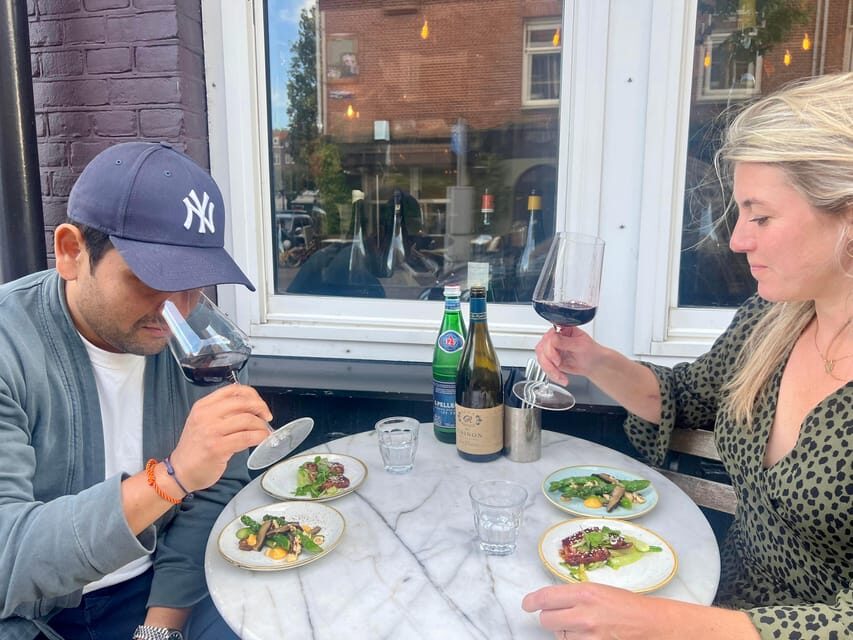
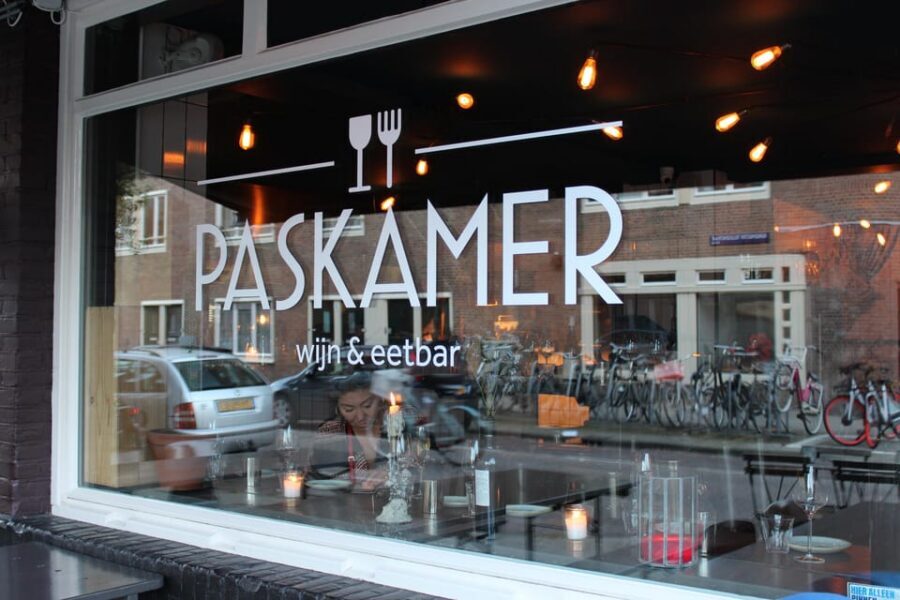
Your High Wine experience begins at Wijnbar Paskamer. From there, the tasting happens in the De Pijp area, which is one of those Amsterdam neighborhoods where you can feel the city around you. You’re not doing this as a tour that drags you through multiple stops; you’re focusing your attention where you need it—on the glass in front of you.
Plan to arrive with breathing room. The experience asks you to reserve about 90 minutes ahead of time for the session. That matters because you’re going to want a calm start, not a rushed one where you’re still checking your timing while the first glass is being served.
Also, since this is a private group, you should expect a more personal flow than a big public tasting. That usually helps with questions, pacing, and making sure you keep up with what’s being served each round.
The staff speak Dutch and English, so you should be able to follow the explanations comfortably, even if you’re not fluent in Dutch. And yes, the venue is wheelchair accessible, which is a genuine plus if you want to enjoy the full tasting without accessibility headaches.
The three-round flow: how the High Wine actually works
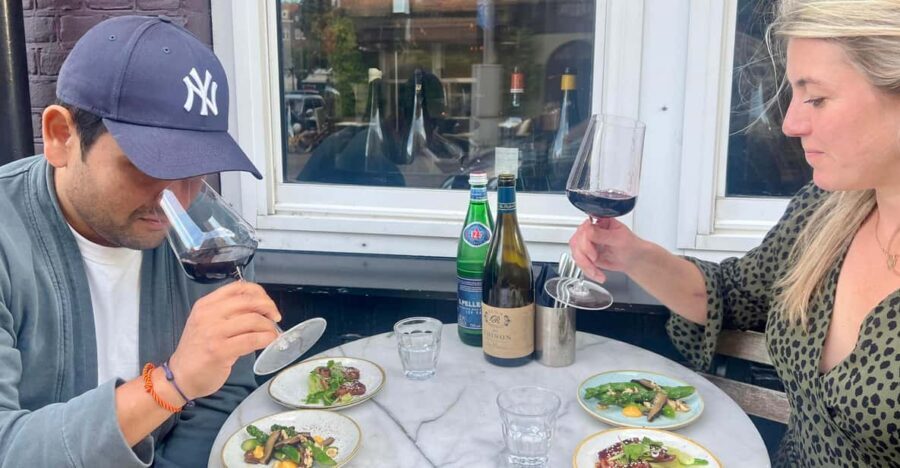
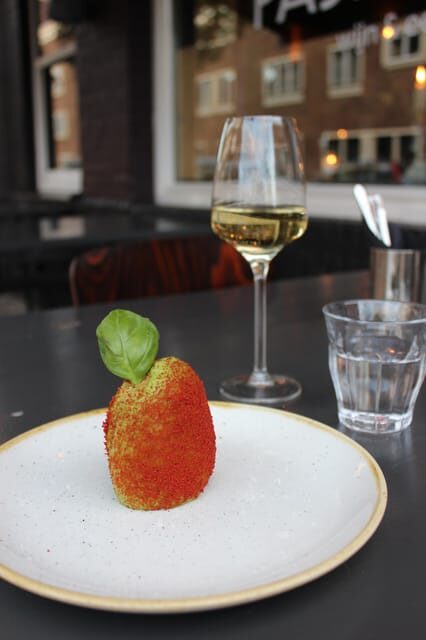
A High Wine is simple in structure, but the format is the point. You’ll be served three quality wines, each accompanied by a small bite that matches what’s in your glass. The sommelier explains the wines and the reasoning behind each pairing, so you get a mini lesson you can use later.
Think of each round as a conversation between two things:
- the wine (what it tastes like on its own)
- the bite (how it shifts the flavors, smooths edges, or highlights certain notes)
You’ll likely find this more satisfying than random pairings because the food isn’t just “something to eat.” It’s there to do work for your palate.
Timing and pacing
The overall duration is 2 hours, with the tasting around 1.5 hours. In practice, that means you won’t be stuck waiting through long gaps between pours. You also won’t feel like you’re sprinting from one sip to the next. It’s set up so you can notice the change round by round.
Why the bite size matters
The bites are small, and that’s stated clearly—this can’t replace a full dinner. That’s not a flaw, though. Smaller bites are often easier for pairing because you can taste the wine-bite interaction without being overwhelmed by a huge plate. The tradeoff is obvious: if you want to leave truly full, you’ll probably need more food either before or after.
You can also read our reviews of more drinking tours in Amsterdam





The pairing focus: what to watch for and how to get more out of it
One of the most praised aspects of the experience is the combination itself: food that actually pairs well with the wine. That’s exactly what you should aim to notice during your three rounds.
Here’s how to make the pairing lesson stick:
1) Taste the wine first, not the bite first
Take a moment to notice how the wine feels—dry vs. soft, fruity vs. more earthy, light vs. more weighty. Then bring in the bite and observe the change.
2) Watch for “match” effects, not just flavors
A good pairing doesn’t only add more taste. It can balance acidity, soften tannins, or make aromatics pop. Even without technical terms, you’ll feel when the pairing creates harmony.
3) Ask one simple question each round
The sommelier is there to explain why the pairing was chosen. If you ask what to pay attention to for that specific glass, you’ll get a better experience than just nodding politely while the wine disappears.
Because the sommeliers are WSET-certified, you can expect explanations that go beyond “trust us.” The goal is to help you taste with more intention, so you can later order wine with some confidence.
What you’ll eat
The details here stay high level—three matching bites, served alongside three wines. You won’t be getting a full multi-course dinner, and you shouldn’t plan your food expectations like that. But you are getting enough food to keep your palate engaged and help you appreciate how the wine changes with each bite.
If you have dietary requirements, you should inform the staff in advance. They can adjust the pairing when you provide prior notice, which is a big quality-of-life factor. (Don’t show up with last-minute constraints and hope for miracles—this is a pairing experience, and planning matters.)
De Pijp timing: making this fit into an Amsterdam evening
This experience is built to slot into a real day of sightseeing. You’re looking at a 2-hour block, and the core tasting session is about 1.5 hours, so you can treat it as either:
- an early-evening anchor (then dinner afterward), or
- a later start if you’ve already eaten and want a focused wine lesson.
Because it isn’t a full dinner, it’s smart to decide your “food plan” first. If you want dinner after, you’ll likely enjoy leaving with your appetite still intact and a clearer sense of what styles you like.
If you want to stay longer, you can extend your stay with more food and wine. And you can add an extra round for EUR 11 per person if you’re in a “just one more” mood. That option is especially useful if you’re learning quickly and realizing you want more of the pairing format instead of switching to an a la carte menu right away.
Dietary needs, language, and who should skip this
If you’re traveling with dietary restrictions, good news: you can request adjustments. Just tell the team your wishes when you book. Since the experience relies on matching wine and bites, pre-planning is what makes the adjustment possible.
Language is also straightforward: the sommelier/instructor speaks Dutch and English, so you should be able to follow the guidance without struggling to piece together translation through other guests.
Now, the two “don’t book” flags are also clear. The High Wine experience is not suitable for pregnant women and children under 18. That’s not a minor detail—it affects safety and the nature of the tasting format, so it’s worth respecting those limits when you’re choosing activities.
Practical tips for a smoother, more enjoyable tasting
Here are a few details that make the experience feel effortless once you’re sitting down:
- Arrive with time
Reserve about 90 minutes for the experience start so you don’t feel rushed when the first round begins.
- Go in curious, not competitive
This isn’t a test. Your job is to notice what changes when food meets wine.
- Pace your sipping
With three rounds, you’ll likely feel more relaxed if you sip slowly and use the bites to reset your palate between pours.
- Use the sommelier as your guide
If there’s a style you tend to like—dry, fruity, bold—ask early. The staff can explain the wines and why the bites were selected, which helps you learn for your next wine purchase or bar stop.
- If you need an extra round, add it intentionally
The optional extra round (EUR 11 per person) is useful if you still want the pairing structure, not if you only need an extra glass. Decide based on what will help you enjoy your evening.
Should you book the Paskamer High Wine?
Book it if you want a high-quality, guided wine-and-food pairing experience in Amsterdam that doesn’t require a complicated schedule. The format is built for learning: three wines, three matching bites, and explanation by WSET-certified sommeliers. And the value is strongest when you treat it as a tasting rather than a full dinner replacement.
Skip it if you need a guaranteed big meal, because the portions are explicitly small. Also skip it if any of the stated ineligibility factors apply (pregnancy or children under 18).
If you’re the type of person who likes to understand what you’re drinking—and you want the experience to feel focused instead of scattered—this is a smart choice for De Pijp, with award credibility and a pacing that works well for an evening out.
FAQ
What is included in the Paskamer High Wine?
You get three quality wines, three matching bites, and guided pairing from a certified sommelier.
How long does the High Wine experience take?
The duration is about 2 hours, with the tasting activity around 1.5 hours.
Where does the experience start?
It starts at Wijnbar Paskamer, in the De Pijp area of Amsterdam.
How much does it cost?
The price is $43 per person.
Can I add another wine and bite?
Yes. You can add an extra round for a supplement of EUR 11 per person for one additional wine and one bite.
Is the High Wine a full dinner?
No. The portions are smaller than a normal dinner, so it cannot be treated as a complete dinner with wine pairing. You can extend your stay with more food and wine if you want.
Do they offer dietary adjustments?
With prior notice, they can adjust the experience for dietary wishes. Make sure you mention your dietary needs when booking.
What languages are spoken during the experience?
The instructor/sommelier speaks Dutch and English.
Who is it not suitable for?
It’s not suitable for pregnant women and children under 18.