REVIEW · AMSTERDAM
Amsterdam: German Guided Canal Cruise with on Board Bar
Book on GetYourGuide →Operated by Starboard Boats · Bookable on GetYourGuide
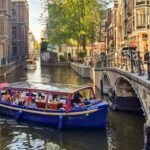
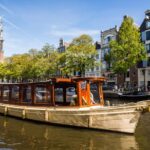
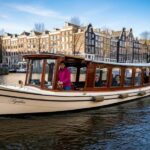
Canals feel different when you’re moving quietly. This German-guided one-hour cruise gives you a clear, story-led way to see Amsterdam from the water, with stops timed so you catch the big-name sights plus the little details a guide points out. I like the fully electric boat too—no smoky noise, just gentle gliding and a calm ride for photos and questions.
The main thing to plan for is timing. The boat departs on schedule from the Starboard Dock, and if you’re late, they can’t wait for you (and refunds aren’t available for late arrivals), so give yourself buffer time and aim to arrive early.
In This Review
- Key Highlights at a Glance
- Entering Amsterdam From the Water: What the 1-Hour Cruise Feels Like
- Why the Electric Boat Is More Than a Marketing Detail
- German-Guided Stories: How You’ll Understand the Canals Instead of Just Passing Them
- Stop-by-Stop: The Landmarks You Glide Past (and What to Watch For)
- Starboard Dock (Starting point)
- Dancing Houses
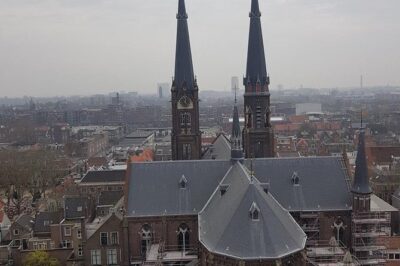
- Zuiderkerk
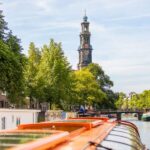
- Munttoren
- Oude Kerk (Amsterdam’s Oldest Church)
- Basilica of Saint Nicholas, Amsterdam
- Het Scheepvaartmuseum
- Montelbaanstoren
- Museum Rembrandthuis
- Herengracht
- Seven Bridges View Point
- Stadsherstel Amsterdam
- Prinsengracht
- Magere Brug
- Returning to Starboard Dock
- On-Board Bar and the Relaxed Pace
- Price Check: Is $25 Good Value for This Canal Cruise?
- Meeting Point and Timing: How to Avoid the One Real Stress Point
- Potential Hiccups: Language Changes and Boarding Reality
- Who Should Book This Cruise (and Who Might Skip It)
- Should You Book This German Canal Cruise?
- FAQ
- How long is the Amsterdam German canal cruise with onboard bar?
- Where is the meeting point?
- What language is the live tour guide?
- Are drinks included in the ticket price?
- Is the boat fully electric?
- Is the tour suitable for wheelchair users?
- How early should I arrive?
- How do I get there using public transport?
- Is there free cancellation?
Key Highlights at a Glance
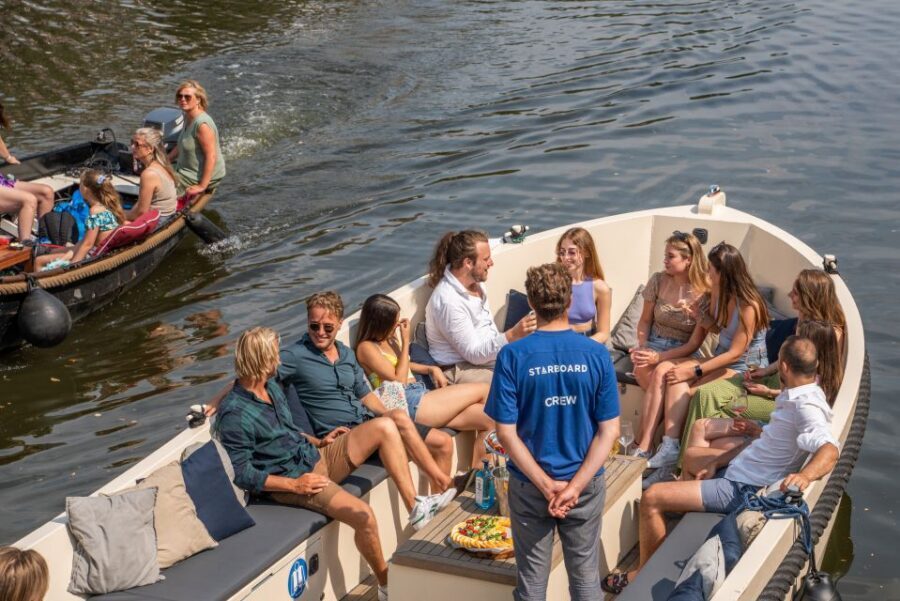
- German-speaking host with an easy Q&A vibe thanks to the manageable boat size
- Electric motors for a quieter, more eco-friendly cruise
- Landmark route that includes Oude Kerk and photo-friendly spots like Magere Brug and the Seven Bridges
- On-board bar where you can buy a drink during the ride
- Short, focused passes (often 1–5 minutes each), making it feel efficient rather than rushed
Entering Amsterdam From the Water: What the 1-Hour Cruise Feels Like
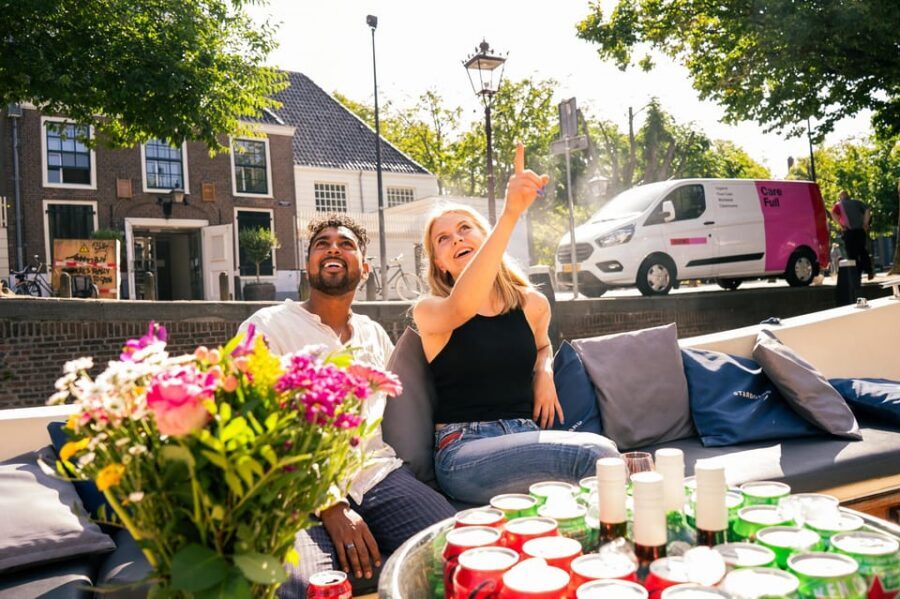
This is a tight, sensible way to see a lot without burning a whole day on transit and museum lines. In one hour, you get a canal-wide perspective that walking tours just can’t match. The boat moves at a relaxed pace, so your best strategy is to stay present—look up at the facades, then back down to the waterline details where the architecture repeats.
You also get that calm “host-led” format. A German-speaking guide is with you the whole time, giving context as you go past key landmarks and bridges. And because the boats are set up for small-group interaction, it’s not just a lecture-on-water. If something makes you curious—leaning canal houses, historic churches, or the city’s seafaring roots—this is the kind of trip where you can ask and get a direct answer.
One more practical note: you’ll be on an open or closed electric boat depending on the sailing, so bring weather-ready layers. Even in pleasant months, Amsterdam can switch moods fast on the water.
You can also read our reviews of more boat tours in Amsterdam
Why the Electric Boat Is More Than a Marketing Detail
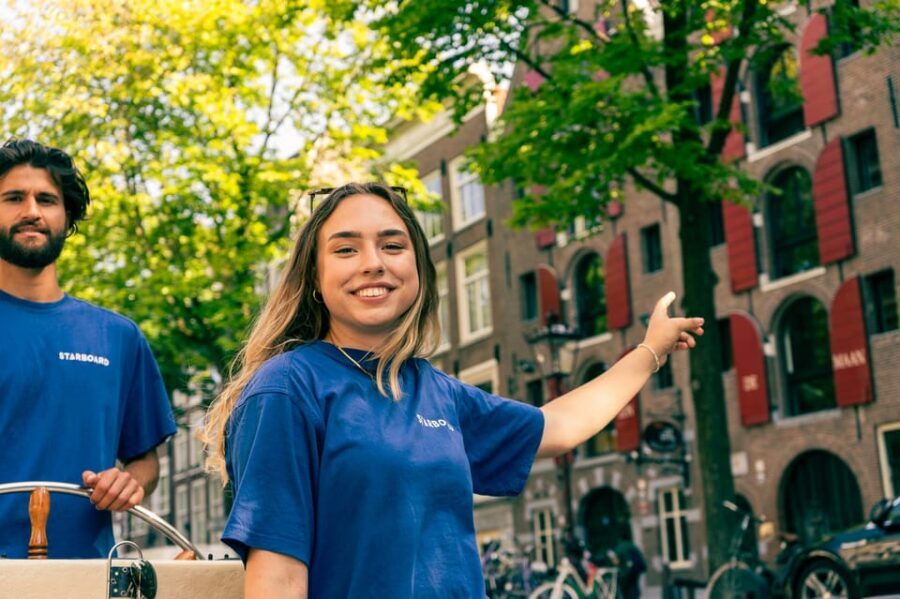
Amsterdam’s canals are crowded, and sound can bounce off buildings like you’re in an outdoor amphitheater. Electric propulsion matters here because the ride stays quiet and gentle. You hear the city in a more natural way—voices, water movement, and the rhythm of bridges—rather than a loud engine drowning out your guide.
It also changes how you take in the view. When you’re not fighting noise, it’s easier to follow the stories the host is telling about what you’re seeing. And for photos, a calm ride helps you keep your framing steady, especially around the bridge crossings where you’ll want quick, clear shots.
Finally, it’s simply a better-feeling way to be on the canals. You’re not just sightseeing—you’re gliding, which makes the whole hour feel less like a ride and more like a guided float through the city’s “old layer.”
German-Guided Stories: How You’ll Understand the Canals Instead of Just Passing Them
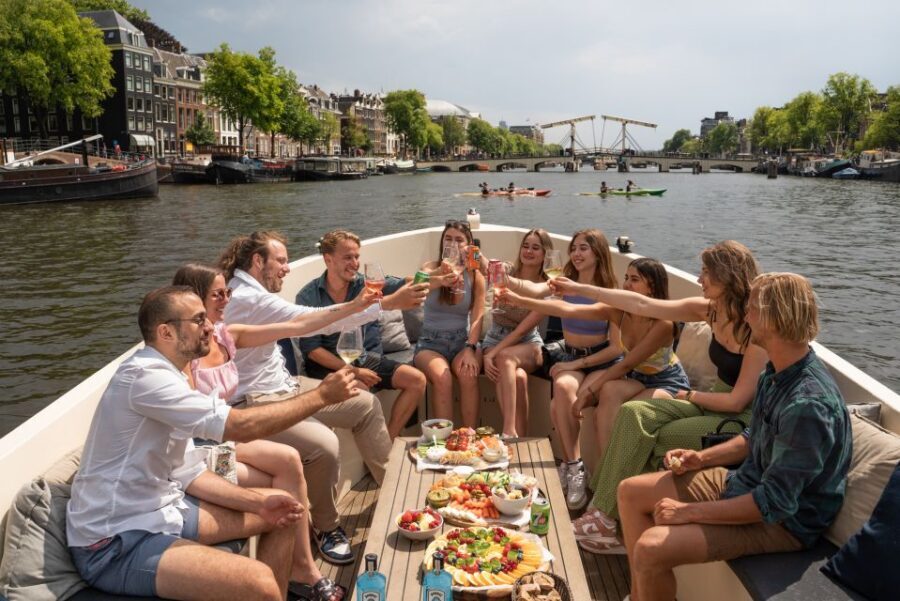
The value of this cruise isn’t only the landmarks—it’s the explanation that connects them. Your host covers Amsterdam’s history, culture, and architecture in a way that matches what you’re actually looking at from the water.
A few themes the guide highlights:
- Amsterdam’s seafaring tradition and how it shaped the city
- Historic churches and what stories sit behind them
- Leaning canal houses, explained as part of the city’s canal-side building story
- A mix of facts and anecdotes, plus small observations you’d miss on your own
If you’re lucky with the crew, you might even hear names like Yannis or Pedro mentioned as hosts on some departures. Since the guide experience can really affect how fun and understandable the tour feels, it’s worth knowing the company runs a guide team rather than only one fixed face.
The ride is also built for questions. The boat is small enough for you to interact with the guide while still having room to enjoy the views. That turns the hour into something you can remember, not just a checklist of sights.
Stop-by-Stop: The Landmarks You Glide Past (and What to Watch For)
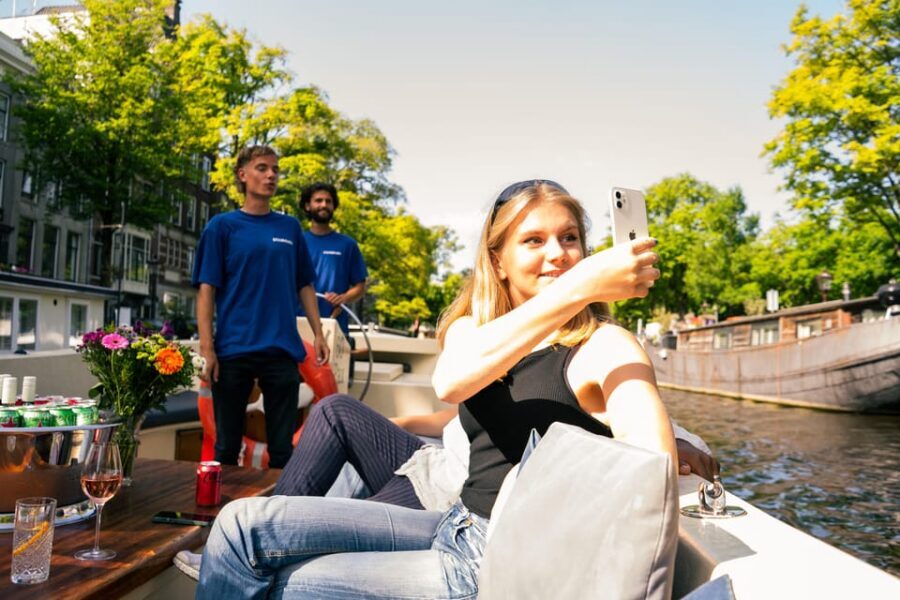
This cruise is structured around a sequence of canal-side icons. You’ll typically get a brief look at each stop (often 1–5 minutes), so your goal is to scan like a photographer: establish the wide view, then catch one detail before moving on.
Starboard Dock (Starting point)
You board at the Starboard Dock on the Amstel, near Rembrandtplein. This matters because it sets you up for an efficient canal route right away. If you arrive early, you’ll have time to check in calmly and be ready when the boat schedules the departure.
You can also read our reviews of more guided tours in Amsterdam



Dancing Houses
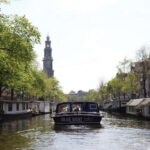
The first notable sight is the area known for the Dancing Houses. From the water, the “quirky” look of these buildings reads instantly—you can see why people talk about them as something you have to see in motion. With only a short cruise segment here, keep your camera ready and don’t get stuck only on one angle.
Zuiderkerk
Next is the Zuiderkerk. Churches look especially different from canal level because you see how the building sits in the urban layout, not just its facade. Even in a brief pass, the guide’s commentary helps you read the skyline correctly—what’s important, what’s symbolic, and why it matters to the canal neighborhood.
Munttoren
The Munttoren is a tower stop, and towers always work well from water because they rise straight out of the canal corridor. If you like architecture, this is one of the places where you’ll naturally slow your attention and look upward. Just remember the timing is short—get your “wide” shot first, then zoom in if you want a second take.
Oude Kerk (Amsterdam’s Oldest Church)
Then comes the impressive Oude Kerk, highlighted as Amsterdam’s oldest church. This is one of the strongest “wow” moments on the route because historic churches feel monumental when framed by canal bridges and narrow canal houses. The guide connects it to the city’s historic layers, so even if you’ve seen church exteriors elsewhere, this perspective makes it feel local and specific.
Tip: for photos, hold position and watch how bridges and facades align. Your best shots will usually be right as you’re approaching or passing a crossing.
Basilica of Saint Nicholas, Amsterdam
After that, the Basilica of Saint Nicholas appears next in sequence. Another church stop, it gives variety to the skyline and keeps the history thread going. The benefit here is that you’re not only seeing religious buildings—you’re hearing how the guide ties them into broader city stories as you move through the canal corridor.
Het Scheepvaartmuseum
You’ll pass Het Scheepvaartmuseum. Even if you’re not stepping inside, the museum stop helps ground the seafaring theme the guide talks about. From the boat, you’re seeing the city’s relationship to trade, water, and history rather than just reading about it.
Montelbaanstoren
Then it’s Montelbaanstoren. Again, this is a good “architecture read” stop because the tower shape and canal-side placement stand out from the water. If you prefer visual learning, this is where you start to feel how the canal grid creates sightlines.
Museum Rembrandthuis
You cruise by museum Rembrandthuis next. Even without entering, it’s a handy marker for where “Amsterdam the city” meets Amsterdam the creative legacy. If you already plan to visit museums later, this stop gives you spatial context, so when you arrive on land you’re not starting from zero.
Herengracht
Then the route reaches Herengracht. This is where canal cruising starts to feel like a guided walk along the city’s “main canal rhythm.” You’ll see the continuous canal-side architecture and how buildings line up across the water. The guide’s stories about leaning canal houses and the canal building culture really make sense when you’re watching the waterfront stretch out.
Seven Bridges View Point
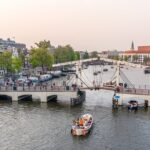
Next is the Seven Bridges View Point. This is one of those Amsterdam photo moments the city is famous for, and the view works well from the water because bridges become frames, not obstacles. Expect to want at least a couple photos here—one wide for the bridge geometry, one closer for the canal houses on either side.
Stadsherstel Amsterdam
You pass Stadsherstel Amsterdam on the route. This is another landmark-style stop that keeps the cruise varied between churches, towers, museum areas, and canal stretches. Even if you don’t know the name before boarding, you’ll likely understand why it’s worth noticing once the guide connects it to the wider city fabric.
Prinsengracht
The cruise continues along Prinsengracht. If you’re thinking, Wait, weren’t we just on another canal?—you’re right to notice the shift. Seeing different canal sections back-to-back helps you understand that Amsterdam is not one single canal look. Each segment feels distinct, and the guide keeps you oriented with the stories behind what you see.
Magere Brug
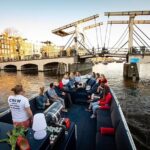
Then you hit Magere Brug, which the cruise calls out as a top photo spot. From the water, this is where the canals really look like postcards, because the bridge sits so neatly within the canal corridor. If you’re serious about photos, this is the place to slow down and aim for a clean, steady frame.
Returning to Starboard Dock
After the last bridge moment, you glide back to Starboard Dock. This is when you’ll realize why the cruise works: you didn’t just see famous structures. You saw how they connect—how the city’s history repeats along the canal edges, block after block.
On-Board Bar and the Relaxed Pace
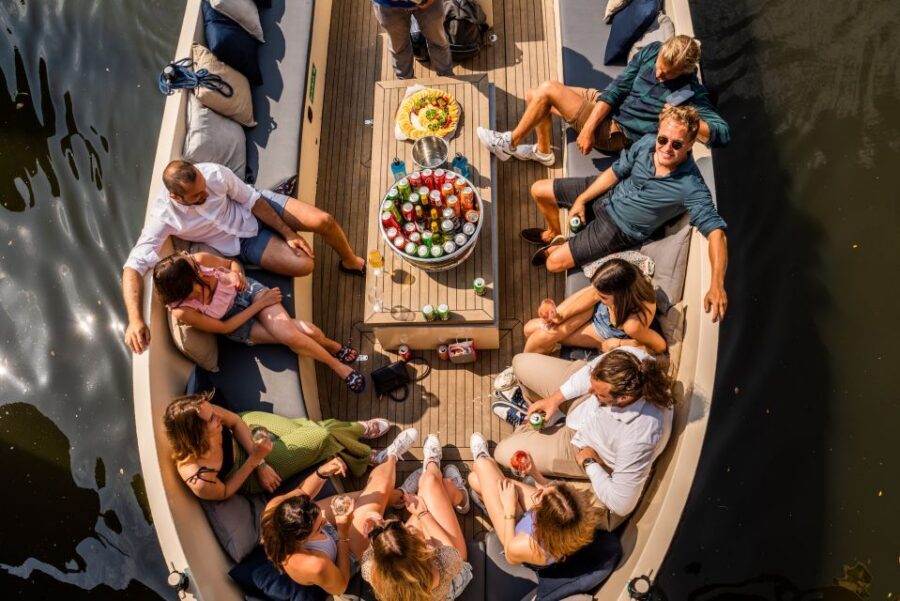
Yes, there’s a bar onboard. You can order a drink during the cruise, but beverages aren’t included in the price, so plan on paying for whatever you choose. I like this setup because it turns the hour into a true break, not just a commute with narration.
The ride itself is also timed to feel personal. Since the boat size is manageable, you’re not stuck in a big herd with zero chance to ask questions. That means you can focus on what you care about—whether that’s church architecture, how canals shaped the city, or why certain buildings seem to lean.
Price Check: Is $25 Good Value for This Canal Cruise?
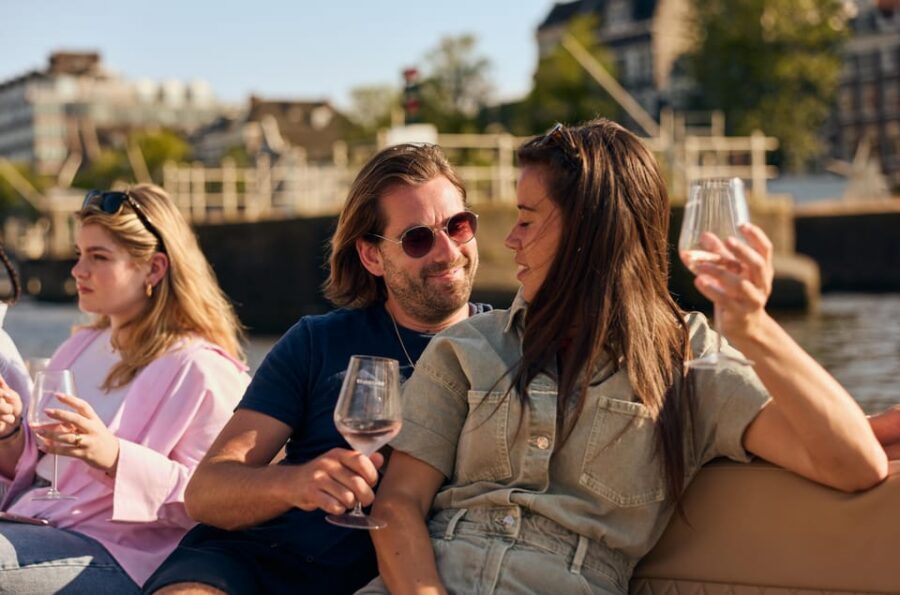
At $25 per person for a one-hour electric canal cruise with a German-speaking host, the value is in the combination:
- You’re paying for guided context, not just transportation.
- You’re getting an electric boat experience with a quieter ride.
- You get a route that includes multiple named landmarks rather than one single stretch.
For a short trip window—say you’re doing Amsterdam for a weekend—this can be a smarter buy than spending a full morning piecing together canal views on foot. You leave the boat with the sense that you understand what you saw, not only that you photographed it.
Is it perfect value? Only if you can use the German guide. If you don’t speak German, this specific tour may feel less useful. Also, because you’re on a one-hour schedule, you’ll want to show up ready to watch and listen right away.
Meeting Point and Timing: How to Avoid the One Real Stress Point
Your meeting point is directly on the Amstel near Rembrandtplein. It’s listed as a short walk from Waterlooplein metro (about 4 minutes) and reachable by trams 14 and 4 to Rembrandtplein.
Here’s the practical advice: arrive around 15 minutes early. The boat departs as scheduled and cannot wait for late arrivals, and late arrivals mean no refunds. That sounds strict because it is strict. It’s also why the experience usually stays smooth for everyone else onboard.
Weather matters too, because you’ll be outdoors (or partly outdoors) depending on the boat type. Bring weather-appropriate clothing so you can enjoy the full hour without huddling.
Potential Hiccups: Language Changes and Boarding Reality
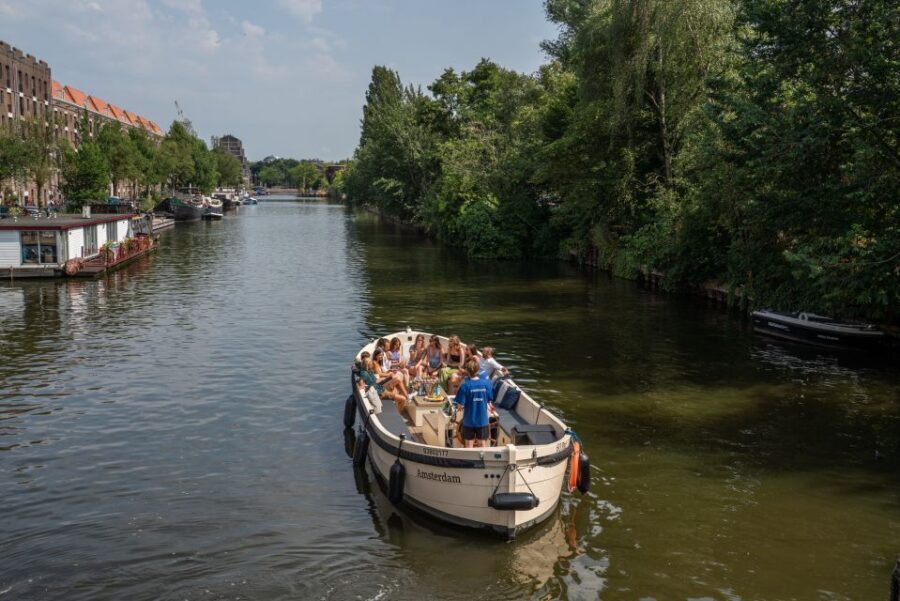
This is usually a straightforward experience. Still, it’s worth knowing two practical realities.
First, the tour is officially German. If something affects the German host, you may be offered an English alternative on short notice. If German is important to you, treat this as a possibility worth keeping in mind before you commit.
Second, boarding can be a little physical. The tour isn’t suitable for wheelchair users, and there are reports of guests needing to handle a higher step and even manage crossing over onto the dock. If you have mobility limitations—or if stairs and uneven steps make you uncomfortable—plan accordingly and choose a more accessible option.
Who Should Book This Cruise (and Who Might Skip It)
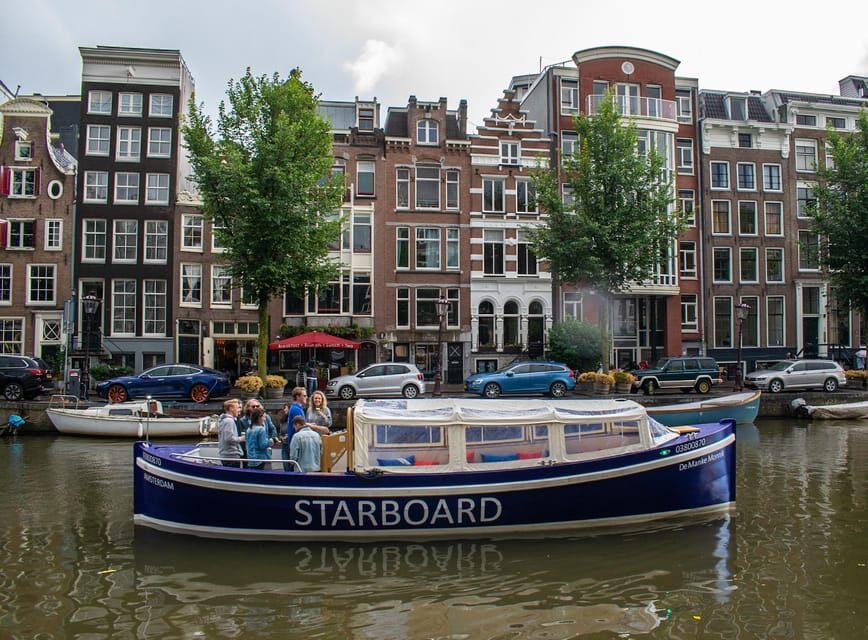
You’ll probably love this if you:
- Want a guided canal overview in just one hour
- Like history and architecture, but don’t want museums or self-guided reading time
- Enjoy photos at bridge spots like Magere Brug and the Seven Bridges
- Want a quieter ride thanks to electric motors
- Are okay spending the hour listening in German (or you’re comfortable with a guide-led format)
You might skip it if you:
- Need wheelchair accessibility
- Only want sightseeing without structured narration
- Are likely to arrive late or hate strict departure times
Should You Book This German Canal Cruise?
If you’re choosing one canal experience that gives you both views and guidance, this is a strong pick. The $25 price works when you treat the hour as a focused learning-and-scenery session: electric comfort, a German host, and an efficient route with landmark names you’ll recognize later on land.
Just show up early, dress for the weather, and be realistic about boarding and language. If you do that, you’ll leave feeling like Amsterdam makes sense from the water—not just like you went past pretty buildings.
FAQ
How long is the Amsterdam German canal cruise with onboard bar?
The cruise lasts one hour.
Where is the meeting point?
You meet at the Starboard Dock on the Amstel near Rembrandtplein.
What language is the live tour guide?
The live tour guide speaks German.
Are drinks included in the ticket price?
No. Beverages are available for purchase onboard, but they are not included.
Is the boat fully electric?
Yes. The boats are equipped with electric motors.
Is the tour suitable for wheelchair users?
No. It is not suitable for wheelchair users.
How early should I arrive?
You should arrive about 15 minutes before departure, since the boat departs on schedule and cannot wait for late arrivals.
How do I get there using public transport?
It’s about a 4-minute walk from Waterlooplein metro station, or you can take tram lines 14 and 4 to the Rembrandtplein stop.
Is there free cancellation?
Yes. You can cancel up to 24 hours in advance for a full refund.