REVIEW · AMSTERDAM
Amsterdam: Historic City Sightseeing Canal Cruise
Book on Viator →Operated by Amsterdam Circle Line · Bookable on Viator
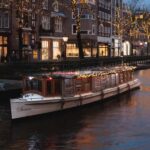
Glide past history in just an hour. Starting near the Anne Frank House, this Amsterdam canal cruise gives you a quick, scenic route through the city’s famous water-belt sights and big historic landmarks. It’s built for time-crunched days: you sit back, float along, and let the city come to you.
I love how easy the meeting point is—right in front of the Anne Frank House—so you can get oriented fast. I also like the value of the short ride for $18.71 per person, since you’re looking at churches, canal houses, bridges, and modern waterfront buildings without needing a long walk. One drawback to plan around: the narration is delivered through a recorded system, and some seats can make the audio hard to hear clearly.
In This Review
- Key takeaways before you go
- Why the Anne Frank House area is a smart starting line
- Price and value for a one-hour canal loop
- Onboard comfort: where to sit and how the audio works
- Canal Ring hits: Museum of the Canals to Westerkerk
- Houseboats, historic bridges, and canal house facades
- Brouwersgracht, Amsterdam Centraal, and the IJ waterfront
- Amstel River landmarks: EYE, Hermitage, and Stopera
- Should you book this Amsterdam canal cruise?
- FAQ
- Where is the meeting point?
- How long is the canal cruise?
- Is the tour offered in English?
- Do I need a paper ticket?
- What is the maximum group size?
- Is free cancellation available?
- Are service animals allowed?
Key takeaways before you go
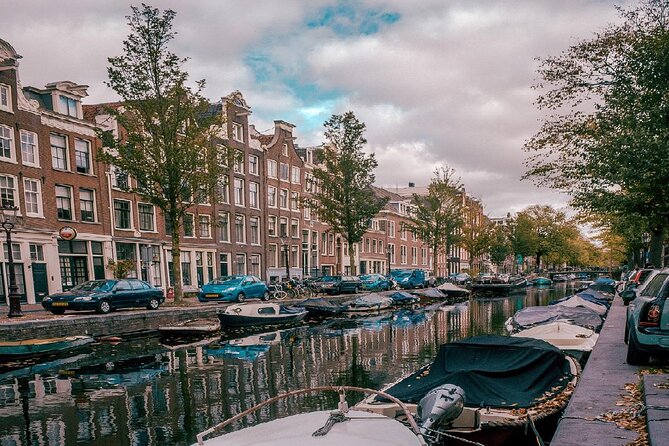
- Easy start: Meeting point is in front of the Anne Frank House, simple to spot and convenient for central sights.
- Short but wide view: In about an hour, you see both the classic canal-belt area and major waterfront landmarks.
- UNESCO Canal Ring from the water: You get architecture angles that you’ll never get on foot.
- Audio is the make-or-break: The recording can be difficult to hear from certain seats, especially in wind or at the back.
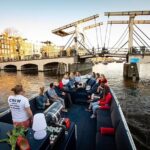
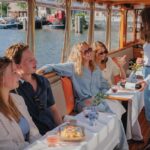
- Stay inside or out: You can choose a warmer indoor seat or take in the views on open-air spots.
- Not a huge crowd: Max group size is 68, so it usually feels manageable.
Why the Anne Frank House area is a smart starting line
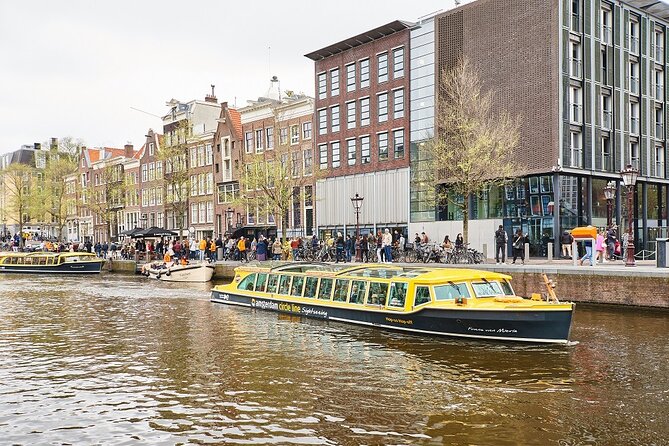
Starting by the Anne Frank House is genuinely practical. You’re already in the center of the canal story, and it puts you within reach of several major stops along the canal network. Even if you’re doing other timed tickets the same day, this pickup location helps you avoid the typical “where is this dock?” stress.
It also means the cruise matches how many people plan Amsterdam: you often want a fast way to connect neighborhoods and landmarks. From this area, you’re immediately in the heart of the city’s water-based layout—channels, bridges, and iconic canal facades.
Finally, it’s well positioned for transit. The experience is described as being near public transportation, which matters because Amsterdam can throw curveballs at you with weather, crowds, or rerouted walking plans.
You can also read our reviews of more tours and experiences in Amsterdam.
Price and value for a one-hour canal loop
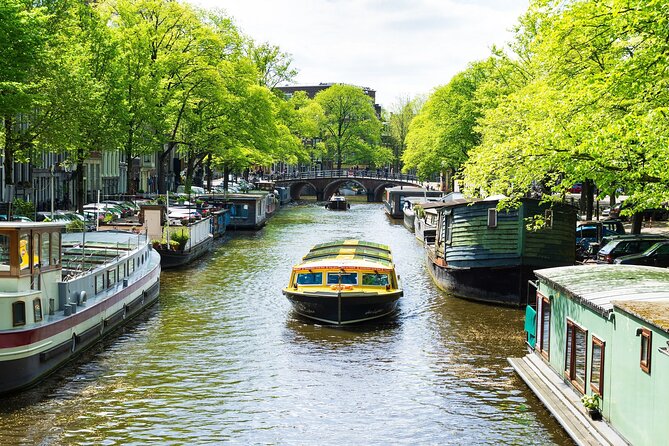
At $18.71 per person for about an hour, this isn’t just “cheap sightseeing.” It’s a time-saver. Amsterdam’s best-known sights are packed tightly, but walking between them can eat hours—especially if you’re also juggling museum lines.
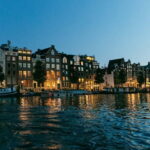
The value is in the mix: you get to see the classic canal-belt look, including UNESCO-listed water views, plus major civic and waterfront architecture. You’ll float past churches and historic canal houses, then continue toward the riverfront where Amsterdam starts feeling more modern.
There’s also a setup win: you receive a mobile ticket, so you’re not hunting for a printed voucher while you’re cold and tired. And with a maximum group size of 68, it’s less likely to feel like a sardine-can boat (though any canal cruise can vary by sailing time).
Onboard comfort: where to sit and how the audio works
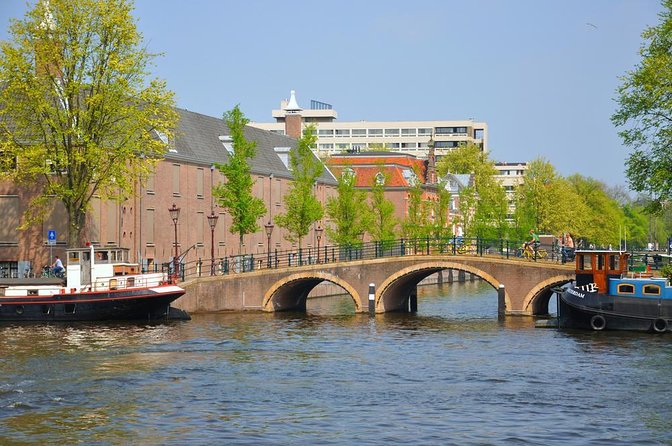
This experience is offered with English, but a big practical point is how the information comes to you. Multiple notes highlight that the narration is recorded through an onboard voice system, and hearing it can depend on where you sit.
If you want the views, the back/rear seating can be great because it offers less visual obstruction. But you might find you can’t hear the narration as well from certain spots. If you care most about the commentary, try to sit closer where sound carries better and the speakers feel more direct.
Weather matters too. People mention enjoying the ride even in cold, windy conditions, with the option to stay inside or go outside. So dress like you’re going to be outside for a while, even if you plan to duck in and out.
One more heads-up: language switching has been mentioned as sometimes confusing, so if you’re expecting English the whole way, keep an eye on the audio and be ready for moments where it changes.
Canal Ring hits: Museum of the Canals to Westerkerk
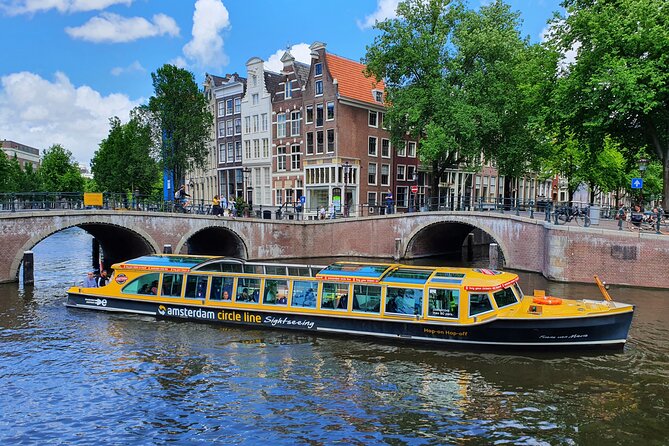
Your cruise story kicks off around canal history and the way Amsterdam grew along its waterways. The route begins with the Museum of the Canals, a good “setup stop” because it frames what you’re about to see: 400-plus years of canal life, not just pretty buildings.
Soon after, you’re right by the Anne Frank House on the Prinsengracht. The story here is specific and powerful: during World War II, Anne Frank hid from Nazi persecution with her family and four others in the Secret Annex at the rear of the 17th-century canal house. Her diary was published in 1947, and later the Anne Frank Foundation was formed to protect the property from redevelopment pressures.
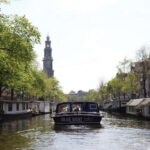
Next comes the Westerkerk area. This Reformed church sits in the western part of the Grachtengordel, next to the Jordaan, between the Prinsengracht and Keizersgracht. From the water, you can read the church’s relationship to the canal belt—how the city’s religious landmarks anchor the neighborhoods.
If you’re short on time, this is one of the best sequences for getting meaning, not just photos. You see how a house-museum story, a major church, and canal geography all connect.
Houseboats, historic bridges, and canal house facades
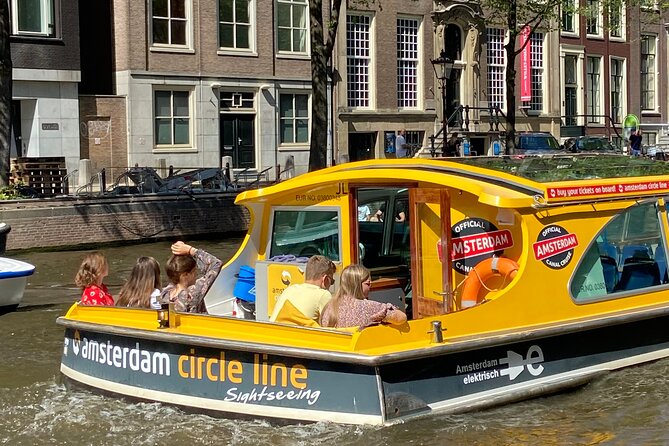
One of the more “alive” moments on this kind of cruise is when the route shifts from landmark buildings to everyday canal life. The Houseboat Museum is a great example. It’s described as the chance to see what houseboat living is like on an Amsterdam canal, and the building is tied to a real piece of working history: it’s located in Hendrika Maria, a former cargo ship built in 1914. The cargo hold is now a cozy living space, with conveniences and—surprisingly—room to breathe.
Then you pass through an area of smaller canals and older street textures, including Leidsegracht (a cross-canal connecting major canal lines) and De Beulingsloot, one of the oldest and shortest canals in the center.
You’ll also catch classic canal-house styles from the water. A highlight mentioned is the Bartolotti House at Herengracht 170–172, built around 1617. The name ties to a wealthy owner and an inherited fortune story—plus a merchant link to Bologna—so the facade isn’t random. It’s part of the money-and-maritime history that shaped Amsterdam’s canal belt.
Finally, the cruise includes the Melkmeisjesbrug, a fixed bridge with centuries of history behind it. It connects to the old milk market held nearby and has been mapped by cartographers across the 1600s. Practical change came later: shipping ended enough that a drawbridge was replaced with a permanent bridge in the late 1800s, and later renovations refined the structure in the early 1900s and again in 1966. From the boat, it’s the kind of detail you’d never notice if you were just walking past.
Brouwersgracht, Amsterdam Centraal, and the IJ waterfront
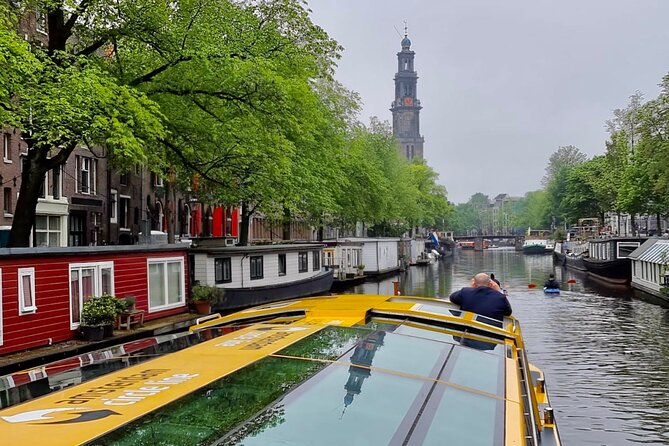
As you glide onward, you reach the Brouwersgracht, which connects the Singel with the Singelgracht and forms a border along the canal belt. It’s also part of the Jordaan edge, so it helps explain why this area feels both central and distinct. Even the way house numbers count from the Brouwersgracht shows how the canal belt functions like a map key.
Brouwersgracht also has a modern reputation: in 2007, it was voted the most beautiful street in Amsterdam by readers of Het Parool (out of 150 nominations). That’s the kind of claim you can actually test from the water, since you see rows of canal houses with consistent architectural rhythm.
Next, the cruise heads toward big civic landmarks. Amsterdam Centraal is designed by Pierre Cuypers, known also for the Rijksmuseum. The structural work is credited to railway engineers, while Cuypers focused mainly on decoration. From the water, you can see how grand the station feels in relation to Amsterdam’s water layout.
Then the route opens out to the IJ, Amsterdam’s waterfront water body that used to be a bay. This is where the city changes texture. Instead of only narrow canal scenes, you get wider sightlines and a sense of Amsterdam’s working-water roots.
Amstel River landmarks: EYE, Hermitage, and Stopera
One stretch brings you to the Amstel, Amsterdam’s river-life spine. The Amstel is tied to major events—Liberation Day concerts, the Head of the River rowing match, and a canal parade connected to Pride celebrations. Even its age is framed in deep time: it formed after a freshwater river cut into a tidal channel of the IJ around 1050 BC.
From there, you pass the EYE Filmmuseum. The building is designed by Delugan Meissl Associated Architects and is described with clear venue details: two gallery exhibition spaces, one 300-seat cinema, two 127-seat cinemas, and an intimate 67-seat option. If you’re the kind of person who likes architecture with a function, it’s an easy landmark to “read” from the water.
You’ll also float by the Posthoornkerk, designed by P.J.H. Cuypers in 1860. It replaced a hidden church called De Posthoorn on the Prinsengracht, and construction happened in two phases: the choir/transept/crossing tower/nave between 1860 and 1863, then a two-tower front added later from 1887 to 1889. The church’s extra height and internal galleries reflect that it wasn’t built as a standalone structure—another detail you notice more from a boat than a sidewalk.
Near the Amstel again is Hermitage Amsterdam, a satellite of the Hermitage Museum in Saint Petersburg. It sits in the former Amstelhof, a classical building from 1681. The museum’s modern scale is part of the story: total area 12,846 m², with exhibition space 2,172 m² across two large halls plus smaller rooms. It’s the kind of stop that connects Amsterdam’s local canal world to international museum culture.
The cruise finishes with Stopera, a building complex housing both the city hall and the Dutch National Opera and Ballet. Even the name has meaning: it comes from a protest slogan, “Stop the Opera,” and the theater has not used that name in its communications. From the water, it’s a sharp contrast to the canal-belt buildings—useful when you want your photos to show Amsterdam’s full timeline.
Should you book this Amsterdam canal cruise?
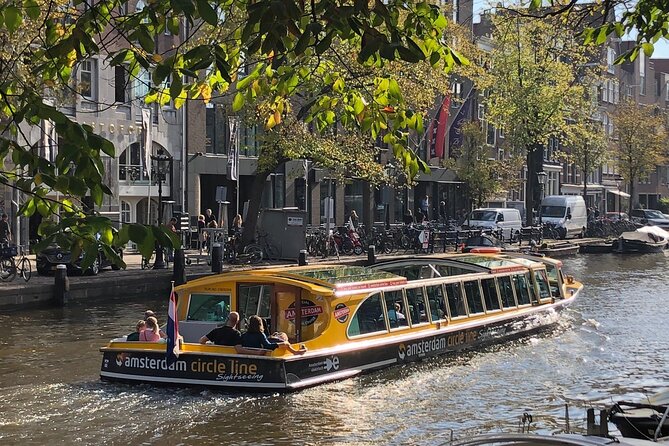
I’d book it if you want a high-output hour in the city center. This is ideal for first-timers, solo travelers, and anyone pairing it with timed museum tickets. The starting point by the Anne Frank House helps you line up the rest of your day, and the route covers classic canal-ring scenes plus major waterfront architecture in one pass.
I’d think twice if your top priority is very detailed, live storytelling. The narration is recorded (and language switching or volume can be an issue), and some seats won’t give you easy audio clarity. If you’re sensitive to sound, plan to sit where you can hear, and expect the ride to be more “scenic + factual” than “deep, interactive lecture.”
If you’re planning it on a day when big canal events or disruptions are possible, build a little slack into your schedule. One report mentioned a Pride Parade affecting departures at a specific time, so don’t schedule a tight connection right after your cruise without buffer time.
FAQ
Where is the meeting point?
The meeting point is easy to find in front of the Anne Frank House.
How long is the canal cruise?
The duration is about 1 hour.
Is the tour offered in English?
Yes. English is listed as an available language.
Do I need a paper ticket?
No. You get a mobile ticket.
What is the maximum group size?
The experience has a maximum of 68 travelers.
Is free cancellation available?
Yes. You can cancel for a full refund if you cancel at least 24 hours before the experience starts.
Are service animals allowed?
Yes. Service animals are allowed.