REVIEW · AMSTERDAM
Amsterdam private city walking experience with a local
Book on Viator →Operated by Guidance Travel · Bookable on Viator
Amsterdam teaches fast when you walk with a local. This private 2-hour city walk (usually closer to 2 to 2.5) takes you past the big anchors and the quieter corners, with a guide who keeps the story clear instead of turning it into lecture mode. I like that it’s run as a true private group up to 12, so you can ask questions without shouting over strangers.
What I really appreciate is the way Manouk builds the route around your pace and interests. In my experience reading her past tour style, she brings maps and pictures to help you connect what you’re seeing, and she also includes small local edible treats that make the walk feel personal rather than purely sightseeing.
One thing to consider: it’s mostly on foot. If you’re traveling with limited mobility or you get wiped out by lots of short stops and standing around in open plazas, you may want a slower plan or frequent pauses.
In This Review
- Key highlights worth knowing
- Entering Amsterdam via Beursplein, the city’s money-minded starting line
- Dam Square and the Royal Palace: civic power plus WWII memory
- Begijnhof: a quiet courtyard that teaches tolerance in real space
- The House on the Three Canals and the bicycle bridge idea
- Nieuwmarkt: Waag, guilds, and the so-called dancing houses
- Zeedijk and Chinatown’s changing identity
- Centraal Station: architecture plus why transit shaped everything
- Price and group value: when $180.62 per group makes sense
- What the tour feels like in motion (private group style)
- Who should book this private walk?
- Should you book this Amsterdam private city walk with Manouk?
- FAQ
- How long is the Amsterdam private city walking experience?
- Is this tour private or shared?
- Where does the tour start and end?
- How much does it cost and what is the group size?
- What language is the tour offered in?
- Do I need to bring anything for tickets?
- Are there admission fees for the stops?
- Is the tour suitable for most travelers?
- Is the tour near public transportation?
- What’s the cancellation rule?
- Does it allow service animals?
Key highlights worth knowing
- Manouk’s friendly, tailored approach: she adapts the walk to history and architecture interests
- Maps and pictures in-hand to make landmarks easier to place
- Local edible treats during the route, not a full meal stop
- A tight loop: Beursplein to Dam Square to Begijnhof and back again
- Landmarks with contrast: royal power, WWII memory, courtyards, guilds, Chinatown history, and Centraal Station
Entering Amsterdam via Beursplein, the city’s money-minded starting line
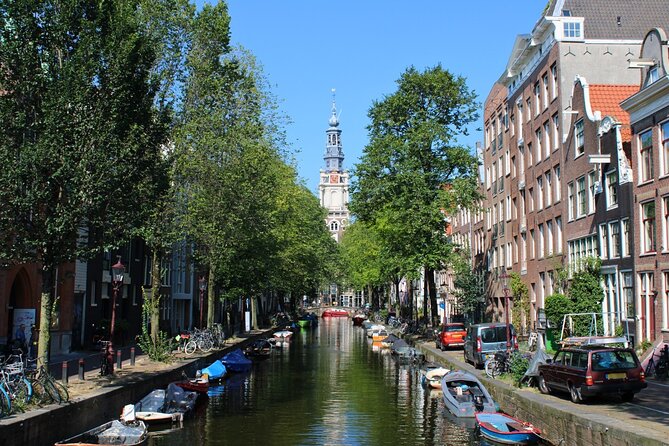
You start at Beursplein (1012 JW Amsterdam), and that choice works. It’s a place where Amsterdam’s identity as a trade city is never far away, even if you’re just looking at streets and buildings. The guide sets the tone right away by explaining where the city’s name comes from and how a fishing village grew into a center of global business by the 17th century.
Beursplein also gives you an easy mental warm-up. You’ll connect early Amsterdam to what you see later in the walk: how waterways, commerce, and governance became tightly linked. If you’ve only seen Amsterdam as canals and bicycles, this stop helps you understand the engine.
What to watch for: let your eyes wander from the broad square down toward street-level details. A good guide will point out how the city layout reflects its trading past.
Possible drawback: this stop is about context. If you’re hoping for big photo moments at every step, you might feel the pace is a little “explain-first” before you get into courtyards and famous facades.
You can also read our reviews of more tours and experiences in Amsterdam.


Dam Square and the Royal Palace: civic power plus WWII memory
From Beursplein you head to Dam Square, one of those places that feels like it belongs on a postcard and in a history book. Here, the guide ties the square to the city’s formation, then brings in the Royal Palace on the Dam—not just as a pretty building, but as a sign of how power sits in public space.
Then comes the heavier part: the square’s role during the Second World War. Even without going deep into dates and lists, the guide’s job is to help you understand why this location matters beyond architecture. That kind of context is what makes a quick walking tour feel meaningful instead of just scenic.
What you’ll get out of it: a sense of how Amsterdam presents authority in the center of everyday life. It’s one thing to read about nations and power; it’s another to stand in the same civic “stage.”
Possible drawback: Dam Square can feel busy and open. If you prefer quieter corners, expect the square itself to be your loud moment of the tour, then look forward to the calmer stops afterward.
Begijnhof: a quiet courtyard that teaches tolerance in real space
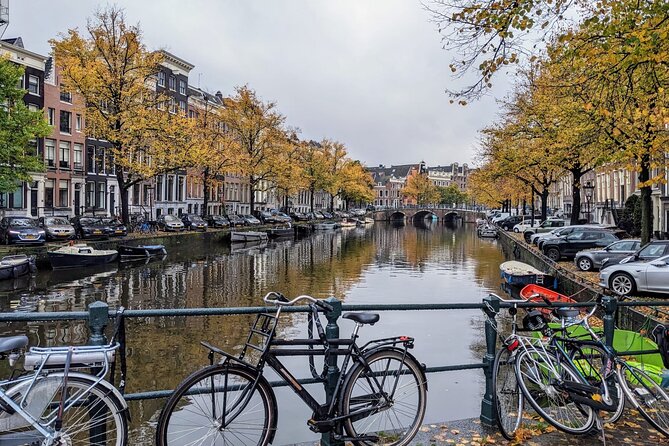
Next is Begijnhof, and the mood shifts. You move from the square’s exposure to a sheltered courtyard where the atmosphere changes even before the guide explains anything. The tour focuses on the religious history of this serene space and what it reveals about Amsterdam’s tolerance.
You’ll also see older residential architecture, including one of the oldest houses in Amsterdam and two wooden cottages (often described as the two wooden cottages). This is one of those stops where you feel the age through materials: the scale, the layout, and the “lived-in” sense of the place.
Why this stop is valuable: Amsterdam’s reputation for openness isn’t a slogan. When you’re standing in a place like Begijnhof, you can better understand how tolerance showed up in the city’s institutions and housing patterns.
Possible drawback: courtyards can be visually simple. If the weather is bad or you’re expecting crowds and spectacle, it may feel understated—until you notice details and let the guide point them out.
The House on the Three Canals and the bicycle bridge idea
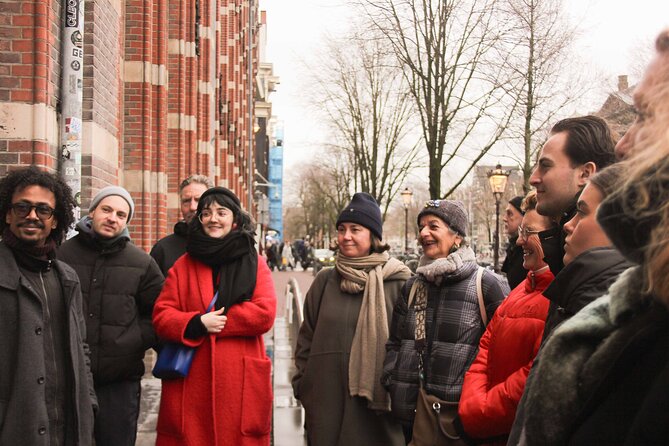
Then you get to House On The Three Canals, which sounds like a riddle until you see it. The guide explains how a particular building relates to the canal network and introduces the concept of the bicycle bridge.
This is a smart stop for two reasons. First, it connects Amsterdam’s canal geometry to how people actually move through the city today. Second, it gives you an architecture-focused moment that isn’t just about big names or official monuments.
What to watch for: the way canals shape building placement. Even if you don’t “study architecture,” you’ll start noticing how Amsterdam bends space to water, and water to daily life.
Possible drawback: this stop is shorter, so you’ll need to stay engaged. If you drift into photo-only mode, you might miss the explanation that makes the odd features click.
Nieuwmarkt: Waag, guilds, and the so-called dancing houses
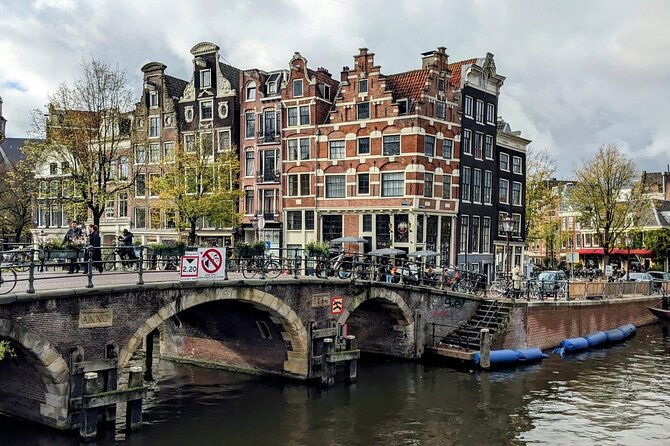
At Nieuwmarkt, the tour shifts toward the city’s social and economic structure. You’ll learn about the Waag, an old city gate that later became a guild hall. Then the guide connects that to the importance of guilds in Amsterdam—how groups organized work, standards, and reputation.
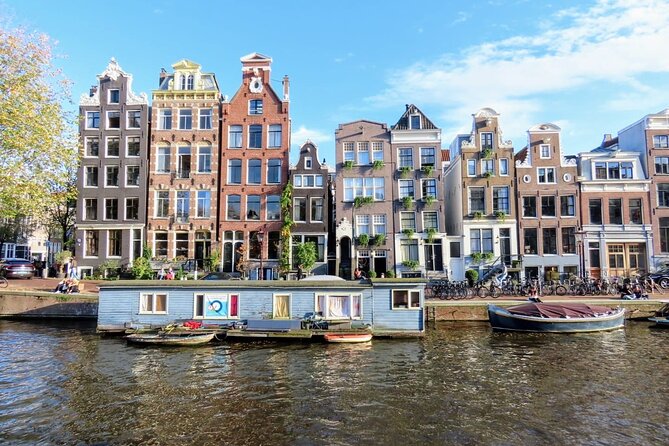
You’ll also see the dancing houses, which are famous for the way they look like they lean or move. The guide’s framing matters here: you’ll likely get the story behind why they look the way they do and what that says about building challenges in a waterlogged city.
Why this stop helps your visit: you stop thinking of Amsterdam as frozen in time. Guilds and buildings explain why neighborhoods and institutions look the way they do now.
Possible drawback: if you’re not drawn to craft-economy stories, the guild section may feel a bit abstract. Still, keep an eye on how the guide ties it to streets and structures you can see.


Zeedijk and Chinatown’s changing identity
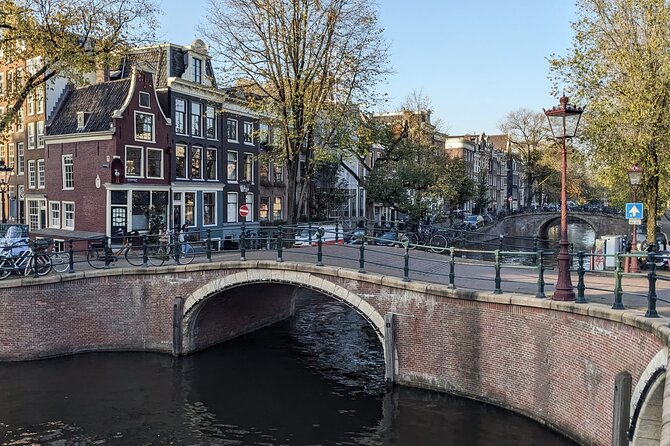
Next is Zeedijk, where the tour turns to a more modern story. The guide walks you through how the area’s Chinatown identity developed, including the fact that in the 1970s it was once considered the most dangerous part of Amsterdam. Then the tone changes again: you’ll learn how the area declined from that reputation and how the street has transformed into a favorite spot for many Amsterdammers.
This stop is a good reminder that neighborhoods aren’t “set.” They evolve with migration, policy, and everyday choices.
What makes it interesting: you get an Amsterdam that’s not only about canals and class. You see how the city’s identity can flip over decades.
Possible drawback: this is more about social change than monuments. If you’re looking for only landmarks with immediate visual payoff, you may have to rely on the guide’s explanation to get full value here.
Centraal Station: architecture plus why transit shaped everything
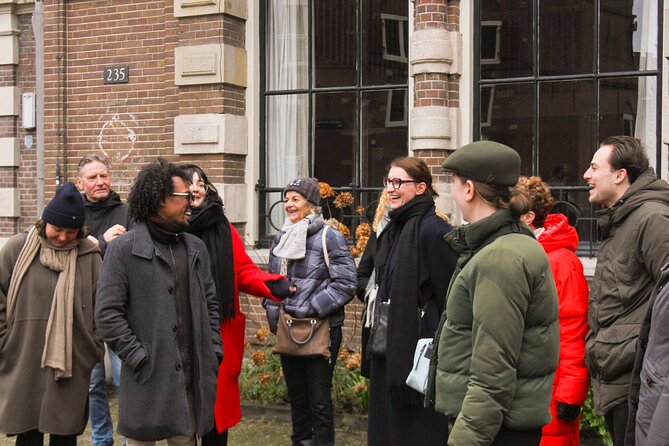
The tour ends at Centraal Station, and it’s a fitting finale. You’ll explore one of Amsterdam’s most stunning buildings and hear why the station’s location has mattered for centuries as a transportation hub—and as a symbol of connection and prosperity.
Even if you’ve seen photos of Centraal Station before, standing there with context is different. You start to recognize the station as more than a place to catch a train. It’s part of the city’s long-term story of movement: people, goods, money, and ideas flowing through the same node.
What you’ll take away: Amsterdam’s global feel isn’t random. It’s built into how the city connects.
Possible drawback: because the area is busy and transit-oriented, it can feel like “you’re done with sightseeing and back to commuting.” The upside is that you finish at a transport landmark, so you’re set for onward plans.
Price and group value: when $180.62 per group makes sense
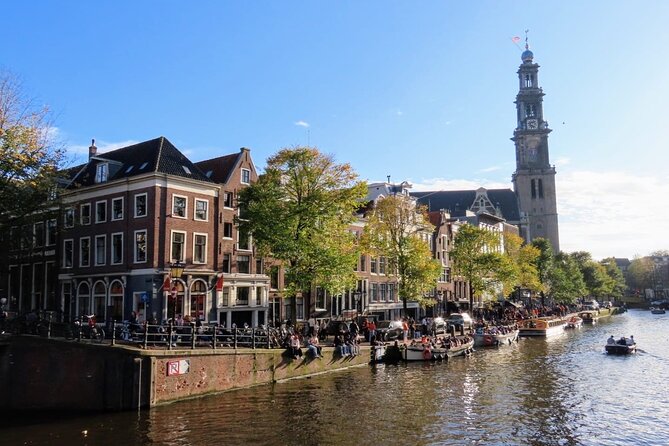
This experience costs $180.62 per group for up to 12 people, lasts about 2 hours (often stretching to 2 to 2.5), and is offered in English. That pricing structure is the key: you’re paying for a private walk, not a per-person ticket.
So the value depends on your group size:
- If you’re two people, you may feel it’s pricey compared with standard group tours.
- If you’ve got a small family, a friend group, or even a mixed group of travelers, it starts to look smarter fast. You’re effectively buying conversation time with a local guide for everyone in your party.
Also, the format matters. This isn’t a “you stand at each spot for five minutes and leave” style. The route is paced to let the guide explain what you’re looking at, then discuss how it connects to Amsterdam today.
My practical take: if you want history that stays tied to real places—and you like being able to ask questions—this private setup is a good match for the money.
What the tour feels like in motion (private group style)
Because it’s private, your walk doesn’t feel like a race through highlights. The guide can adjust the flow, and in the past, Manouk has been praised for adapting the walk to history and architecture interests.
In particular, I like that this kind of guide work includes practical teaching tools. Maps and pictures help you connect details you might miss on your own. And the included small edible treats give you a break that still feels tied to the city rather than a random snack stop.
The short time window is also a feature. With only about two hours, it’s ideal for a first visit day. You get orienting context without burning your whole schedule.
Who should book this private walk?
This is a strong choice if you want:
- a first-timer-friendly route that covers big areas without hopping around too much
- a more personal experience where you can ask questions and shift focus toward architecture or history
- a guide who keeps the story organized and doesn’t treat the walk like a checklist
It’s not the best fit if you:
- want a tour that’s mostly about shopping stops or nightlife
- can’t handle a fair amount of walking and standing in plazas and courtyards
- prefer long museum-style stops rather than short, story-driven landmarks
Should you book this Amsterdam private city walk with Manouk?
Yes, I’d book it if your ideal Amsterdam day includes guided context, memorable landmarks, and a route that ends somewhere useful like Centraal Station. The big wins here are the private group feel, the guide’s ability to tailor the walk, and the way the stops move from commerce to civic power to quiet courtyards to neighborhood change.
Also, the stops are mostly free to access, so your money goes into the guidance—not admissions. If you’re traveling in a group of 3 to 12, it’s often a very solid value for a local perspective.
If you’re a solo traveler, you can still enjoy it, but do the math in your head: the price is per group, not per person.
FAQ
How long is the Amsterdam private city walking experience?
It’s listed at about 2 hours, and it may run about 2 to 2.5 hours depending on pace and walking time between stops.
Is this tour private or shared?
It’s private. Only your group participates.
Where does the tour start and end?
It starts at Beursplein, 1012 JW Amsterdam and ends back at the meeting point.
How much does it cost and what is the group size?
The price is $180.62 per group for up to 12 people.
What language is the tour offered in?
The tour is offered in English.
Do I need to bring anything for tickets?
You’ll receive a mobile ticket.
Are there admission fees for the stops?
The stops on the route are listed as free admission.
Is the tour suitable for most travelers?
It’s marked as suitable for most travelers.
Is the tour near public transportation?
Yes, it’s noted as near public transportation.
What’s the cancellation rule?
You can get a full refund if you cancel at least 24 hours before the experience’s start time. If you cancel less than 24 hours before, you won’t get a refund.
Does it allow service animals?
Yes, service animals are allowed.