REVIEW · AMSTERDAM
Amsterdam: Sex, Drugs, and Freedom Walking Tour
Book on GetYourGuide →Operated by Trigger Tours · Bookable on GetYourGuide
Sex, drugs, and street-level reality. Amsterdam keeps it complicated, and this walking tour tries to make sense of it in two hours. I like the way the tour uses a local’s perspective to connect landmarks to the city’s equality and tolerance story, not just gossip. I also like how guides keep it interactive, answering questions as you move through the streets. One thing to consider: this isn’t for anyone who wants a purely upbeat, comfortable stroll—it touches on adult industries and drug policy.
You’ll see famous squares and also the spots that don’t show up on the standard photo run. The tour’s focus on how Amsterdam developed permissive drug laws and a regulated sex industry makes it a strong first-time intro to the area. Guides are often praised for being clear and well paced, so the information stays digestible even when the topics get tense.
The main drawback is simple: you’re walking for about two hours in tight streets, and the content may feel awkward if you’re sensitive about prostitution or drug use. It’s also not suitable for people with mobility impairments.
In This Review
- Key Highlights You’ll Actually Notice
- A 2-hour walk through Amsterdam’s sex and drug rules
- What the guide is really aiming for: context, not rumors
- The Red-light District: how legalization changed the neighborhood
- Coffeeshops and soft drugs: what Amsterdam’s rules mean in real life
- Landmarks included: why Old Church, Condomerie, Royal Palace, and Dam Square matter
- Off-the-beaten-track sites you’d likely miss on your own
- Gay rights, equality, and sexual liberty: the thread tying it together
- What you’ll need to feel comfortable (and what you won’t get)
- Price and value: is $31 worth it?
- Who this tour suits best (and who should skip it)
- Practical odds and ends before you go
- Should you book Amsterdam: Sex, Drugs, and Freedom Walking Tour?
- FAQ
- How long is the Amsterdam: Sex, Drugs, and Freedom Walking Tour?
- How much does the tour cost?
- What’s included in the price?
- What languages are available for the live guide?
- Where is the meeting point?
- What should I bring with me?
- Is this tour suitable for people with mobility impairments?
Key Highlights You’ll Actually Notice
- Local perspective: you get street-level explanations, not just textbook facts
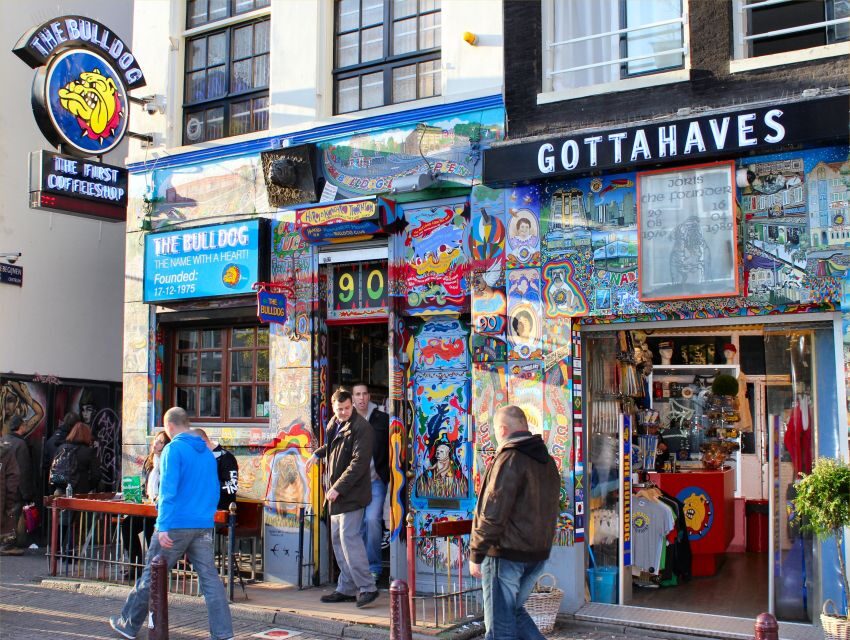
- Drug policy made practical: the tour focuses on how coffeeshops and soft drugs fit the system
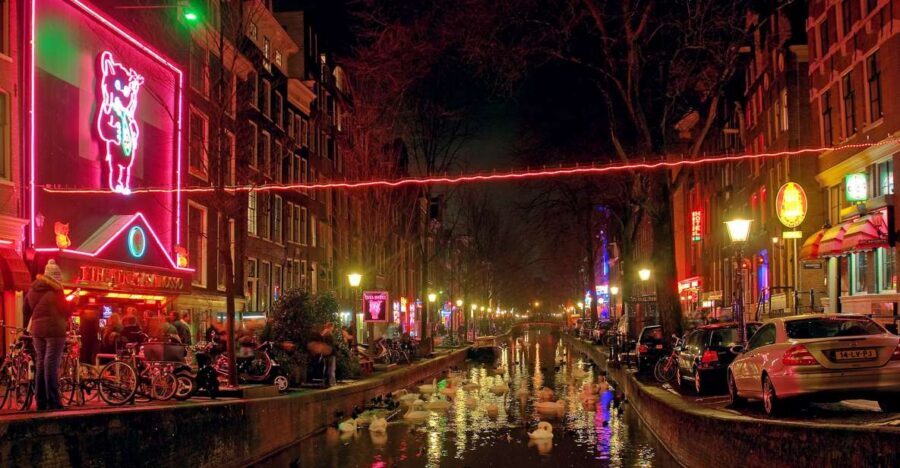
- Prostitution regulation, explained: you learn how legalization shaped the Red-light District
- Well-paced Q&A: guides handle questions as you go, keeping the group together
- Landmarks with meaning: you’ll connect stops like Dam Square and the Royal Palace to the broader story
- Adult-industry context: you hear how sex work operates and why it became part of city planning
A 2-hour walk through Amsterdam’s sex and drug rules
Amsterdam has a reputation for being liberal. This tour doesn’t argue with that. Instead, it explains how that reputation works on the ground, where laws meet neighborhoods and everyday life.
The format is refreshingly straightforward: a 2-hour expert-guided walking tour with a live guide in Spanish, Dutch, English, or German. You’re not stuck in a classroom. You’re moving through winding streets and alleyways, which matters, because the city’s adult and alternative scenes don’t sit neatly on one street. They’re woven into the urban fabric.
I like that the tour frames its topics as systems, not shock value. You’ll hear the reality behind the Netherlands’ permissive drug laws, including the history and origins of coffeeshops. You’ll also learn how prostitution was legalized and how that has shaped how the Red-light District functions over time.
Because it’s adult-focused, there’s no pretending the subject matter is light. If you want a polished sightseeing route with zero discomfort, you might prefer a different Amsterdam tour.
You can also read our reviews of more walking tours in Amsterdam



What the guide is really aiming for: context, not rumors
The best tours don’t just name places. They explain why those places exist.
Here, the guide acts like your translator between two worlds: Amsterdam as postcard capital, and Amsterdam as a city that built policies around equality and harm reduction. The Netherlands is described as a pioneer in the fight for equality, and the tour ties that theme to social awareness, sexual liberty, and gay rights.
You’ll also get direct answers to questions as they come up. Several guides have a reputation for staying engaging and responsive—people specifically praised guides for explaining things clearly and handling Q&A well. That matters because topics like sex work and drug regulation can turn into awkward debates fast. A good guide keeps it factual and makes space for different reactions.
Language variety is a plus too. If you’re not comfortable with English, you can still pick the tour in Spanish, Dutch, or German.
The Red-light District: how legalization changed the neighborhood
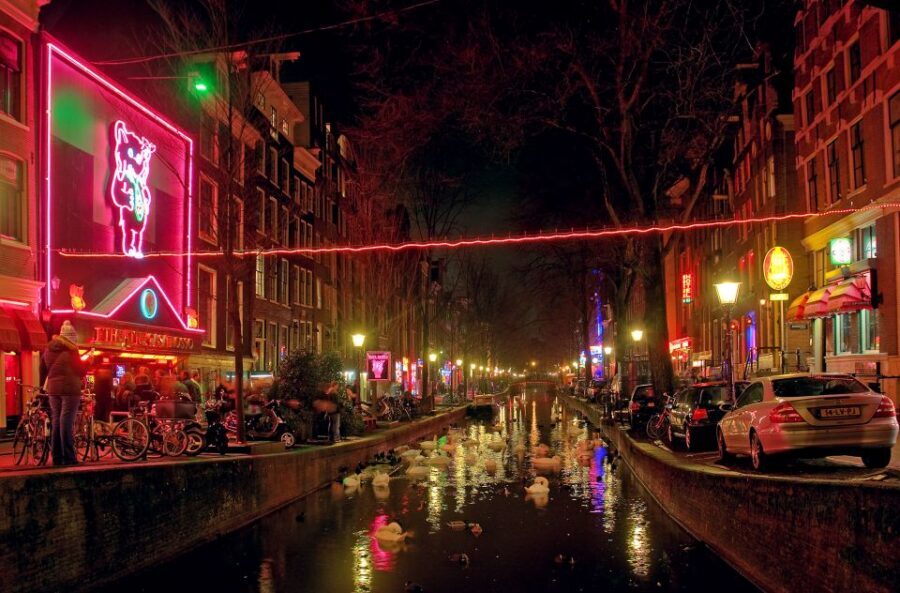
This tour takes on the big question: how does a legal framework reshape a district?
You’ll learn about the legalization of prostitution in the Netherlands and how it influenced the Red-light District as it evolved. The goal isn’t just to describe what you see. It’s to explain why the Red-light District looks the way it does, and why Amsterdam built rules around a controversial industry rather than pushing it entirely out of sight.
You’ll also get a reality check on the complex issues surrounding prostitution in Amsterdam. The tour discusses how it operates and what it’s like to work as a prostitute, which gives the story more human weight than stereotypes do.
One standout detail from guide-style anecdotes: guides have shared unusual, memorable stories like sleeping in the monkey. It’s the kind of quirky detail that makes the tour feel like you’re getting local context, not just reading a sign on a wall.
Important note for your expectations: you may see or pass the kinds of premises that are associated with the district, but this tour’s angle is explanation. It’s not designed as a leering scavenger hunt.
Coffeeshops and soft drugs: what Amsterdam’s rules mean in real life
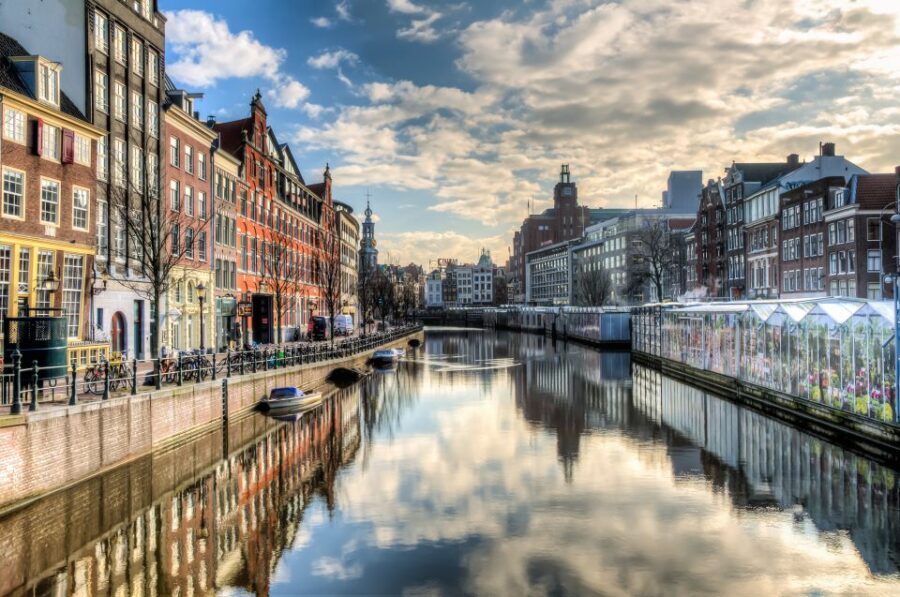
Amsterdam’s drug reputation is famous, but the policy is not “anything goes.” This tour walks you through the peculiar drug regulations that shape daily behavior in the city.
You’ll hear about the history and origins of the coffeeshops—how they came to exist and why they became part of Amsterdam’s approach to soft drugs. The tour also covers the use and manufacturing of soft drugs, according to the tour description, with an emphasis on what the laws are trying to manage.
This is where pacing matters. If you’ve got only a couple of hours in Amsterdam, you want the key ideas without wading through a lecture. Reviews point out that guides keep the information easy to digest and well paced, and some guides were even described as answering lots of questions on the spot.
If you’re curious about how a government can allow certain behaviors while still regulating them, you’ll likely find this section practical. It helps you connect the abstract idea of permissive policy to the real city mechanics you’ll see around you.
One consideration: someone wanting a heavy focus on drugs and the Netherlands economy might wish for more time. This is still a balanced tour, and the schedule is tight.
Landmarks included: why Old Church, Condomerie, Royal Palace, and Dam Square matter
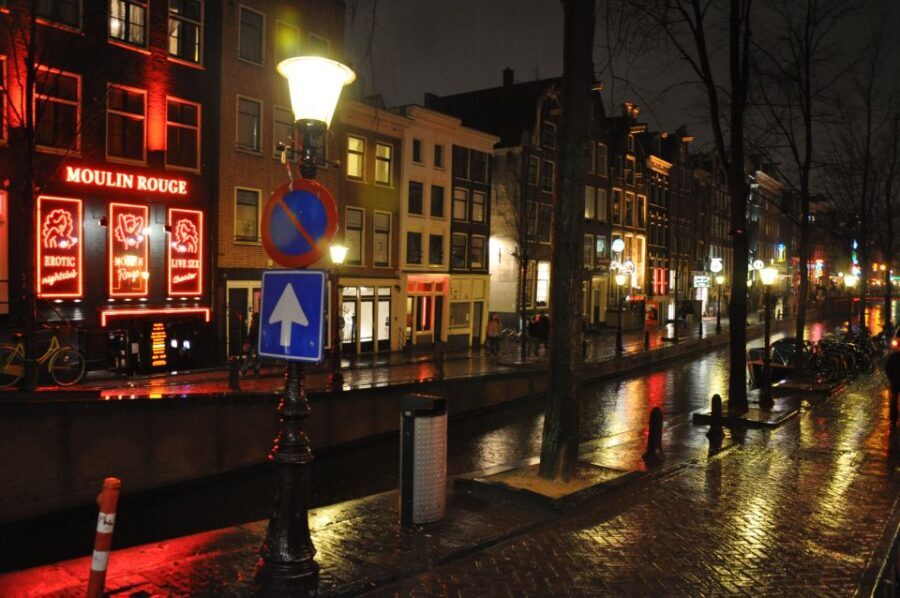
Even if the topic is alternative, the route doesn’t skip Amsterdam’s core geography. You’ll pass or visit major sights alongside the lesser-known areas.
Here are some of the named stops you can expect:
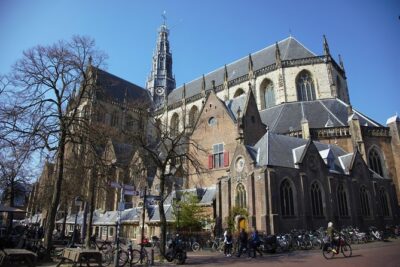
- Old Church: the tour uses it as a reference point for the city’s story layers. It’s not about climbing or lingering; it’s a marker that helps connect history to modern policy debates.
- Condomerie: a name you’ll remember. This stop fits the sex-and-liberty theme and adds a visual anchor to the topic of sexual liberty in Amsterdam.
- Royal Palace and Dam Square: these are central, unmistakable landmarks. They help you understand how liberal ideas and public policy exist right next to the city’s official heart.
I like this approach because you don’t get stuck thinking Amsterdam’s alternative culture lives only in hidden corners. The city center and the regulated, adult-oriented scene sit close together—so the tour’s geography reinforces its argument.
If you’re the type who likes city orientation, this mix of iconic and less-known stops helps you get your bearings fast without only chasing photos.





Off-the-beaten-track sites you’d likely miss on your own
A big promise here is that you’ll visit places known only to locals and sites off the beaten track. That’s not just marketing fluff. In a city like Amsterdam, the difference between a good walk and a basic wander is knowing where to slow down.
This tour’s value is the way it blends themes—drug policy, sex work regulation, equality movements—into a walking route that makes those ideas feel spatial. The guide points out what to notice and why it matters.
Also, it’s specifically designed as a “local eyes” tour. That’s the right way to handle sensitive topics. If you go in with no context, you’ll see only surface details. With a guide, you get the reasons behind the scenes.
And yes, the tour includes sites you might only find by knowing where to look—so it helps if you want more than the usual canal-and-museum circuit.
Gay rights, equality, and sexual liberty: the thread tying it together
The tour repeatedly comes back to a broader theme: Amsterdam’s inclusive attitude and the Netherlands’ fight for equality, including gay rights.
That doesn’t feel like a random add-on. It works because both the sex industry discussion and the drug policy discussion can be framed as questions of how a society handles difference. What the tour emphasizes is that Amsterdam didn’t only react to controversy—it built a system around it.
If you’re visiting from a place with different norms, this section can be a useful adjustment. It helps you understand that Amsterdam’s permissiveness is part of a wider cultural approach, not just a single controversial practice.
One more thing: guides are often praised for being friendly and calm, especially when groups get a bit distracted. If you’ve ever been on a walking tour where someone wanders off, you’ll appreciate the importance of staying organized. This tour’s human element sounds like it’s handled well.
What you’ll need to feel comfortable (and what you won’t get)
This is a walking tour, so comfort matters. Bring comfortable shoes and water. Also wear comfortable clothes, since the streets you’ll move through are not the same as wide museum sidewalks.
Two practical realities:
- You won’t get food or drinks included, so plan accordingly before or after your two hours.
- It’s not suitable for people with mobility impairments, so keep that in mind when choosing alternatives.
Timing-wise, it runs about two hours. That’s long enough to cover the big ideas and named sights, short enough that the tour doesn’t become a full-day emotional marathon.
Price and value: is $31 worth it?
At $31 per person for a 2-hour guided walking tour, you’re paying for two things: interpretation and access to someone who can connect dots in real time.
For this topic, interpretation is everything. Drug laws and the sex industry are not subjects you can responsibly “self-tour” using only your own assumptions. A competent guide turns a confusing, sensitive area into a structured explanation—history, policy, and how the Red-light District operates.
The tour also includes entry-style participation through listed stops like Dam Square and the Royal Palace, plus smaller local sites. And you get live guidance in multiple languages.
If you’re in Amsterdam for a short stay and you want a first look that goes beyond headlines, $31 is a reasonable value. If you’re expecting a long academic lecture or detailed economics, you may feel the schedule is tight—one review noted a desire for more drug and economy detail. This is still an intro-style tour, designed to fit in two hours.
Who this tour suits best (and who should skip it)
This tour is a good match if you:
- want a factual, policy-based view of Amsterdam’s sex and drug reputation
- like walking tours that explain why places look the way they do
- enjoy asking questions and hearing answers as you go
It might be a poor match if you:
- dislike discussions of prostitution or adult industries
- want a strictly family-friendly sightseeing vibe
- need accessibility support for mobility impairments
Practical odds and ends before you go
Meeting point can vary depending on the option booked, so check your confirmation details. The tour language options are Spanish, Dutch, English, and German, and private groups are available if you want a quieter experience.
You’ll be outside most of the time, so bring water and dress for walking.
Cancellation is described as free up to 24 hours in advance for a full refund, and you can reserve and pay later to keep your plans flexible.
Should you book Amsterdam: Sex, Drugs, and Freedom Walking Tour?
If you want to understand Amsterdam’s liberal reputation without relying on myths, I think this is a smart booking. The tour’s focus on why things work the way they do—drug regulations, coffeeshop origins, prostitution legalization, and the equality thread—makes it more useful than a generic “see the sights” walk.
Book it if you’re curious, respectful, and okay with sensitive topics. Skip it if you’re easily uncomfortable or you need accessibility accommodations. For $31, two hours with a guide who can handle questions and keep the group moving is solid value.
FAQ
How long is the Amsterdam: Sex, Drugs, and Freedom Walking Tour?
The tour lasts 2 hours.
How much does the tour cost?
The price is $31 per person.
What’s included in the price?
It includes a 2-hour expert-guided walking tour.
What languages are available for the live guide?
The live tour guide is available in Spanish, Dutch, English, and German.
Where is the meeting point?
The meeting point may vary depending on the option booked.
What should I bring with me?
Bring comfortable shoes, water, and comfortable clothes.
Is this tour suitable for people with mobility impairments?
No, it is not suitable for people with mobility impairments.