REVIEW · UTRECHT
Castles, Canals and Good Folk: A Self-Guided Audio Tour of Utrecht
Book on Viator →Operated by VoiceMap Audio Tours · Bookable on Viator
Utrecht gets personal when you walk with audio. This self-guided VoiceMap route in English sends you through Utrecht at a comfortable pace, with standout stops like the city-centre market, Jacobikerk, Oudaen, and Neude Square. I especially like the offline-ready setup and the self-paced route that’s easy to follow while still letting you take breaks.
My only real caution: the early directions can be a bit landmark-y (think things like head toward the big tree), so you may need to check the map on your phone more than you expect at the start.
In This Review
- Key Highlights at a Glance
- How the VoiceMap Audio Tour Works in Utrecht
- Starting at Hoog Catharijne P5: Getting Oriented Quickly
- Utrecht City-Centre Market: The Best Place to Start Hungry
- A 1920s Working-Class Neighbourhood Museum Stop
- Jacobikerk and Utrecht’s Protestant Faith Streets
- Oudaen City Castle (Built Around 1276) and a Cellar Brewery Pause
- Neude Square’s Post Office: A Landmark Worth Slowing Down For
- The Fabric Market That’s Been Running for 400 Years
- Boutique Hotel Past: The Eye Hospital Story and the University Neighbourhood
- The Northern Quarters and a Wartime Bunker
- The Sculpture of the Remarkable Young Woman and the Knights of Utrecht Ending Near Janskerk
- Timing, Walking Pace, and Break Planning
- Price and Value: Why $8.99 Can Make Sense for Utrecht
- What’s Included vs. What You’ll Need to Bring
- Who Should Book This Utrecht Audio Walk (and Who Might Skip It)
- Should You Book This Self-Guided Audio Tour?
- FAQ
- What language is the tour available in?
- How long does the self-guided audio tour take?
- Can I download the audio and maps for offline use?
- What devices is the VoiceMap app available on?
- What do I need to bring with me?
- How much does the tour cost?
- Where does the tour start and where does it end?
- Are museum tickets included?
- Is this tour only for my group?
- Can I use the tour more than once?
Key Highlights at a Glance
- Offline audio, maps, and geodata via the VoiceMap app (so you’re not stuck hunting signal)
- English narration with lifetime access so you can re-walk the route later
- Market stop with classic Dutch tastes like croquettes and pickled herring
- Oudaen City Castle (built around 1276) plus a pause option at the craft brewery in the cellars
- Neude Square’s post office plus a long-running 400-year fabric market
- Northern quarters + a wartime bunker for a sharper side of Utrecht
How the VoiceMap Audio Tour Works in Utrecht
This is a self-guided experience powered by the VoiceMap app for Android or iOS. You download the content ahead of time, and then the audio and maps guide you from stop to stop as you walk. The big practical win here is offline access: audio, maps, and geodata are available when your phone loses signal or you wander into spotty coverage.
Plan to use it like a gentle walking companion, not like a strict itinerary. The narration is designed around real places you’ll want to look at anyway—churches, squares, markets, and a castle—so you don’t feel like you’re hearing facts while racing past everything.
You can also read our reviews of more tours and experiences in Utrecht.
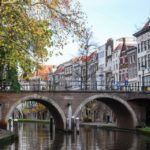


Starting at Hoog Catharijne P5: Getting Oriented Quickly
You begin outside the east entrance area of Hoog Catharijne, at Hoog Catharijne P5 (Interparking), Daalsesingel 3511 LC Utrecht. The end is near Janskerk, finishing close to the Faculteit Recht, Economie, Besturr en Organisatie (REBO), 3512 BK Utrecht.
Because the first directions can be a little vague, don’t treat the opening minutes as a test of your navigation skills. Open the app, let it show where you are, and follow the route from there. If you’re the type who likes certainty, take 2 minutes at the start to confirm the map location before you set off.
Utrecht City-Centre Market: The Best Place to Start Hungry
One of the smartest choices on the route is the stop that’s basically Utrecht’s food and snack heartbeat. This is a classic Dutch city-centre market where you’ll have plenty to look at and (if you want) plenty to eat.
Expect a spread of recognizable favorites: croquettes, pickled herring, fresh bread, and a range of cheese varieties. Even if you skip buying anything, this stop works because it grounds you in how a city actually feels day to day. It’s also a good warm-up mentally—markets are easy landmarks, so you know you’re on track.
Practical tip: keep your snack plans flexible. The narration encourages breaks, and markets are a place where you’ll naturally want to stop and browse.
A 1920s Working-Class Neighbourhood Museum Stop
Next you head to a small but impressive museum focused on the people who lived in Utrecht’s working-class neighbourhoods during tough times in the 1920s. The key benefit here is scale: it’s not trying to overwhelm you. You get a concentrated story about everyday life and the pressures people faced, which adds texture to everything you see later on.
The main drawback is also simple: it’s a museum stop, and museum tickets or entrance fees are not included. So if you want to go inside, budget for that separately and check whether the visit fits your timing. If you’re short on time or you’d rather keep the walking flow going, you can still use it as a context stop from outside, then decide on entry once you see what’s possible.
Jacobikerk and Utrecht’s Protestant Faith Streets
Utrecht has long played a role in Dutch religious life, and this part of the walk makes that idea feel real. The route introduces you to Jacobikerk, an important Protestant church, then leads you into a neighbourhood filled with stories connected to faith and commitment.
This stop is valuable because it changes your lens. You’ve been in the market world—food, commerce, everyday life—and now the narration shifts you toward the beliefs and community anchors that shaped the city’s identity. It’s a good pairing: even if you don’t know much about Protestant history, the church and its surrounding context give you something concrete to picture.


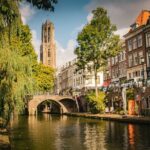

Oudaen City Castle (Built Around 1276) and a Cellar Brewery Pause
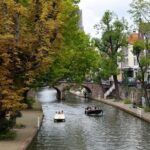
Oudaen is one of the big anchor points on the route: a city castle built around 1276. That date alone gives it weight, but the stop also works for another reason—you’re not just looking at walls. This is a refreshment-friendly moment on the walk.
The route specifically calls out the chance to check out the craft brewery in the cellars. If you like beer culture, this is where the experience stops feeling like a list of landmarks and starts feeling like a day out in Utrecht.
A practical consideration: castles can mean stairs, uneven ground, and crowds around popular areas. The audio tour format keeps you flexible, but you still should plan a sensible break here rather than trying to “race through” a photo stop.
Neude Square’s Post Office: A Landmark Worth Slowing Down For
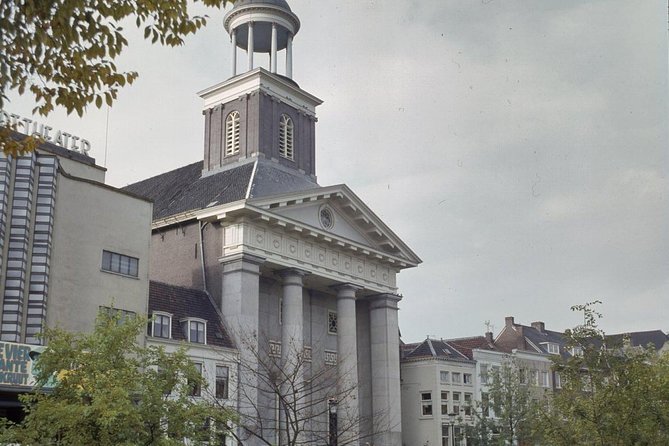
The tour takes you to Neude Square, home to what’s described as the most beautiful post office in the Netherlands. Even if you’re not the kind of person who cares about postal history, this kind of claim matters because it signals that the building is visually worth your attention.
This stop is a great example of why a self-guided audio tour beats a rushed group pass. You can stop, look, listen to the narration, then spend an extra minute or two just taking it in. Squares also help you reorient. If you’ve had to rely on the map earlier, Neude gives you a clearer “you are here” visual anchor.
The Fabric Market That’s Been Running for 400 Years
After Neude, the route hits the largest and oldest fabric market in the Netherlands, operating for around 400 years. This is one of those details that turns a busy modern street into a time marker.
What I like about this stop is the way it connects trade to place. A fabric market isn’t just shopping; it’s a window into what people needed and how goods moved through the city. If you’re the type who enjoys everyday history, this part of the walk pays off quickly.
If you don’t plan to buy anything, still take the time to watch what’s happening. The market’s age is part of the story, but the lived-in atmosphere is what makes it memorable.
Boutique Hotel Past: The Eye Hospital Story and the University Neighbourhood
On this route you’ll pass a boutique hotel that used to be an eye hospital. You don’t need to be a medical history fan for this stop to land. It’s a reminder that buildings evolve, and cities reuse spaces in practical ways over time.
Then you move through the older university neighbourhood of Utrecht. This is another good “pace reset” section of the route because it gives you contrast. After castles and markets, the university area tends to feel more about everyday movement—people on foot, study routines, and a different kind of local rhythm.
Two small practical notes:
- You’ll likely want to keep your phone accessible for map checks in denser streets.
- It’s a good segment for listening carefully, since the surrounding streets can look similar as you walk.
The Northern Quarters and a Wartime Bunker
One of the more serious turns on the route comes when the audio guides you through the northern quarters and toward a wartime bunker. This is where the tour earns its name Beyond postcard Utrecht.
Why this matters: it balances the more cheerful stops (markets, squares, castle breaks) with a reminder that history includes hard chapters too. Even though it’s self-guided, the narration is structured to give the bunker stop meaning, not just location.
If you prefer lighter sightseeing, this is still worth it, because it doesn’t ask you to spend hours on one topic. It gives you a focused moment, then brings you back to walking through the city.
The Sculpture of the Remarkable Young Woman and the Knights of Utrecht Ending Near Janskerk
As you work your way toward the end, the route includes a powerful sculpture of a remarkable young woman who continues to have meaning long after her passing. This stop is emotionally different from the market and castle moments, and that contrast is exactly why it works in a short walking tour.
The tour finishes near Janskerk with a story about the Order of the Knights of Utrecht. Ending near a church like Janskerk is a smart design choice: you get a clear destination landmark, and it places you close to places to sit afterward. The end point is also not too far from the start area, so it feels like a loop through different Utrecht flavors.
Practical tip: because the end is near cafes, plan a “no-rush” finish. This route is short enough that you’ll likely want to keep walking a bit after the audio ends—just don’t let it turn into a separate plan you didn’t mean to make.
Timing, Walking Pace, and Break Planning
The duration is about 1 hour to 1 hour 30 minutes. That range is realistic because you’ll naturally pause for photos, check shop fronts, and possibly step into the museum if you want. It also helps that the route passes cafés and pleasant places for breaks.
Here’s how I’d plan it:
- Start with a calm pace and let the audio guide your flow.
- Build in one longer break at Oudaen (castle + cellar brewery option).
- If you’re a snack person, treat the market stop as your main early indulgence.
Because you’re self-guided, you’re also free to adjust. If a street looks busier than expected, keep moving to the next landmark and let the app catch you back up.
Price and Value: Why $8.99 Can Make Sense for Utrecht
At $8.99 per person, this is priced like one good coffee-and-a-museum combo, not like a full-day guided tour. The value part isn’t just the price tag—it’s the format.
You get:
- Lifetime access in English
- A VoiceMap app for Android/iOS
- Offline access to audio, maps, and geodata
That means you’re not only paying for narration; you’re paying for a tool you can reuse if you want to return to Utrecht or if you want to re-walk parts of the route on a future day.
Also, self-guided often saves money indirectly: you skip paying for a guide’s time, and you decide if you want to spend extra on museum tickets or snacks along the way.
What’s Included vs. What You’ll Need to Bring
Included:
- Lifetime access to the tour in English
- VoiceMap app for Android and iOS
- Offline access to audio, maps, and geodata
Not included:
- Smartphone and headphones
- Transportation
- Food and drink
- Tickets/entrance fees for any museum or attraction stops
So bring a charged phone, download the content before you start, and use headphones or your device’s audio at a comfortable volume.
Who Should Book This Utrecht Audio Walk (and Who Might Skip It)
This works best if you:
- Want to see Utrecht without coordinating a group
- Like history told through specific places—churches, markets, castles, and local landmarks
- Prefer to pause for snacks and photos instead of marching to a schedule
You might skip it if you:
- Hate map-based navigation or don’t like following landmark directions
- Want a fully guided experience with an on-the-spot human answering questions
- Don’t want any chance of optional ticketed stops (since museum entry fees aren’t included)
Should You Book This Self-Guided Audio Tour?
Yes, if you want an efficient, low-stress way to connect Utrecht’s everyday life with its bigger themes—faith, work history, long-running markets, and even the wartime bunker story. The offline setup is a major plus, and the route design makes it easy to take breaks.
I’d book it especially if you’re going to Utrecht for a short window or you want something you can replay later thanks to the lifetime access. Just do one thing to set yourself up for success: download everything before you start, and trust the map early on if the narration points you to something like a big tree.
FAQ
What language is the tour available in?
The tour is offered in English.
How long does the self-guided audio tour take?
It takes about 1 hour to 1 hour 30 minutes.
Can I download the audio and maps for offline use?
Yes. Offline access is included for audio, maps, and geodata.
What devices is the VoiceMap app available on?
The VoiceMap app is for Android and iOS.
What do I need to bring with me?
You need your smartphone and headphones.
How much does the tour cost?
The price is $8.99 per person.
Where does the tour start and where does it end?
It starts outside Hoog Catharijne at P5 (Interparking), Daalsesingel 3511 LC Utrecht, and ends near Janskerk by Faculteit Recht, Economie, Besturr en Organisatie (REBO), 3512 BK Utrecht.
Are museum tickets included?
No. Tickets or entrance fees for any museums or attractions are not included.
Is this tour only for my group?
It’s listed as a private tour/activity, meaning only your group participates.
Can I use the tour more than once?
Yes. You get lifetime access to the tour in English.