REVIEW · AMSTERDAM
Cheese making workshop next to De Hallen, heart of Amsterdam
Book on Viator →Operated by De Kaasserie · Bookable on Viator
Cheese making in Amsterdam is more hands-on than you expect. This small-group workshop near De Hallen teaches you how to make two fresh cheeses in about three hours—plus you leave with both cheeses and recipe follow-ups.
I especially like the calm, patient teaching style and the fact you are not just watching. You get real practice with beginner-friendly tools and all ingredients included. One consideration: since you’re making two styles and finishing with tastings, it’s a class that moves steadily, so plan to arrive on time.
You’ll start in the De Kaasserie area (Bellamystraat 8) and spend time around the De Hallen neighborhood, with a stop at Ten Katemarkt along the way before you get into the studio work. Then the focus shifts fully to making, seasoning (including herbs and colors on the acid cheese), and tasting with a drink.
For food lovers who like learning by doing, this is an excellent use of a half day. If you only want a quick snack or you’re very sensitive to the idea of experimenting with flavors and textures, you might want to keep your expectations flexible.
In This Review
- Key things that make this workshop worth your time
- Cheese in Amsterdam, in plain terms: what you’ll learn
- De Kaasserie by De Hallen: the setting and how the 3 hours feel
- Stop-by-stop: what happens around De Hallen and Ten Katemarkt
- Rennet cheese first: your first curds, your first success
- Acid coagulation: the fresher, more playful cheese
- The tasting and drink: how you learn by evaluating
- Take-home cheese, tools, and emailed recipes that help you repeat
- Who this is best for (and who should choose something else)
- Price, value, and timing for a $144.49 workshop
- A smooth plan for your day near De Hallen
- Should you book the De Kaasserie cheesemaking workshop?
- FAQ
- What is the duration of the cheesemaking workshop?
- How many people are in the class?
- What language is the workshop offered in?
- What cheeses will I make?
- Can I take the cheese I make home?
- Is there tasting at the end?
- Where do I meet and does it end nearby?
Key things that make this workshop worth your time
- Two coagulation methods: rennet first, then acid coagulation, so you understand the difference in practice.
- Herbs and color time: you can experiment while finishing the acid-coagulated cheese.
- Take-home results: you leave with your two cheeses and basic tools, not just recipes.
- Small group size: capped at 8 travelers, which keeps questions from getting lost.
- A proper tasting finish: homemade cheeses plus a drink at the end, so you can evaluate your work.
Cheese in Amsterdam, in plain terms: what you’ll learn
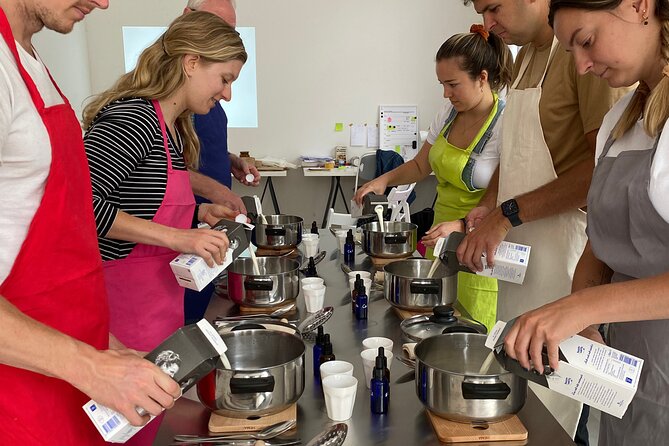
This workshop is built around a simple goal: you learn cheese making by making cheese. In other words, you are not stuck with vague instructions or “look, don’t touch” vibes. The format is beginner-friendly, and everything you need is included—ingredients, materials, and the basic tools you’ll use during class.
The core lesson is about coagulation—how milk turns into curds and then into cheese. You’ll make two fresh cheeses with two different methods:
- Rennet-coagulated cheese (a classic path where enzymes help set the curd)
- Acid-coagulated cheese (where acidity helps curdle the milk)
If you’ve ever wondered why cheeses can feel so different even when they start from the same basic ingredient, this is the fastest way to see it. You get to compare textures and outcomes directly, then taste them at the end.
You can also read our reviews of more tours and experiences in Amsterdam.
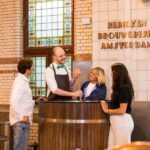
De Kaasserie by De Hallen: the setting and how the 3 hours feel
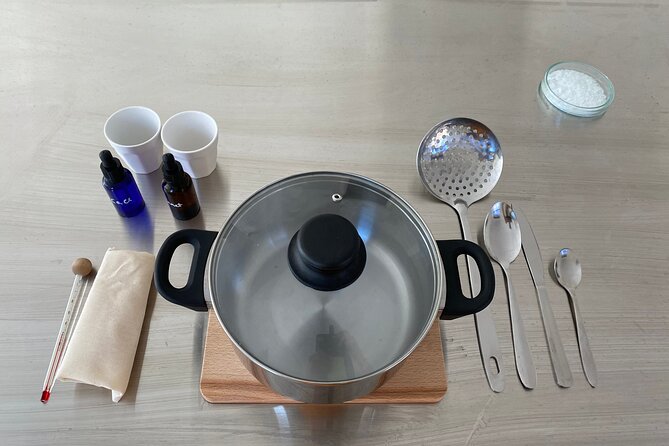
The class takes place at De Kaasserie, a food design studio setup. Starting near De Hallen matters because it places your workshop in a real, food-focused part of Amsterdam—easy to pair with a market walk and a nearby meal before or after.
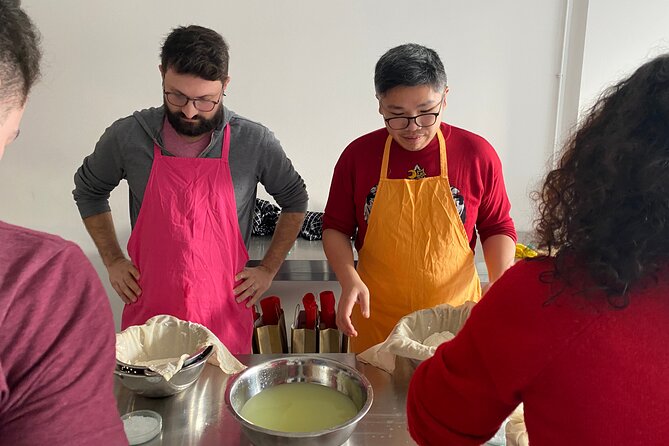
The experience is scheduled for about three hours, and the group limit of 8 is a big part of why it works. With a small group, you get attention when you need it, and the instructor can slow down when your questions come up. In practical terms, this keeps the workshop from feeling rushed even though you are making two cheeses and doing tastings.
One smart detail: there’s a stop at Ten Katemarkt in the overall flow. That gives the experience a “local neighborhood” feeling instead of being trapped in one room the entire time. The trade-off is time spent walking between points, so if you’re planning a tight schedule afterward, give yourself a little buffer.
Stop-by-stop: what happens around De Hallen and Ten Katemarkt
Stop 1: De Hallen Amsterdam
This is where the experience begins in the De Hallen area. Even if your hands-on cheese work happens back at the studio, that opening matters. You’re in the right neighborhood to start thinking like a cook—markets, ingredients, and food culture are part of the context here. If you like learning with your senses turned on, you’ll feel that right away.
Stop 2: Ten Katemarkt
Ten Katemarkt is included as a second stop, which helps break up the workshop rhythm. Rather than jumping straight into equipment and milk, you get a short, grounded moment in the neighborhood. It’s also useful if you want to arrive and get oriented in Amsterdam before you commit to the studio portion.
Back to the studio work
After those neighborhood moments, the workshop proper takes over: ingredients, hands-on steps, and guided making. The pace then becomes very “do this, then this,” with the instructor keeping you moving and helping you troubleshoot.
Rennet cheese first: your first curds, your first success
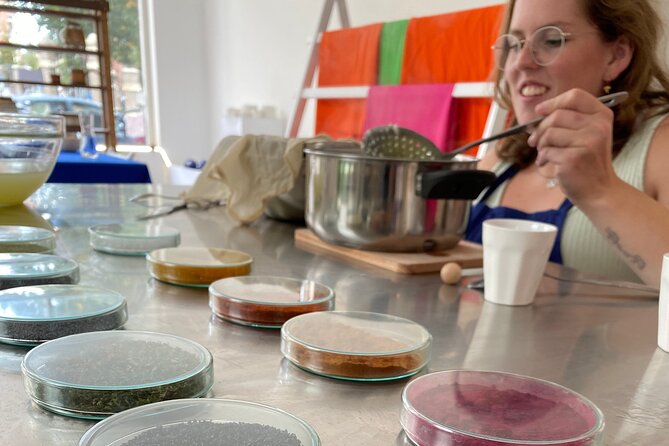
The workshop starts with the rennet-coagulated cheese. For beginners, this is a good entry point because it teaches a clear cause-and-effect sequence: add the right component, watch the milk set, and understand when curds are ready to handle.
You are not just learning a recipe—you’re learning how to read the process. That’s key if you plan to make cheese later. The workshop’s value isn’t only in the final cheese; it’s in the ability to recognize what’s happening midstream and adjust without panic.
If you like cooking classes where you can actually see the transformation, this part tends to be the most satisfying. The act of making curds gives you a tactile understanding of cheese that you can’t really get from reading.
Acid coagulation: the fresher, more playful cheese
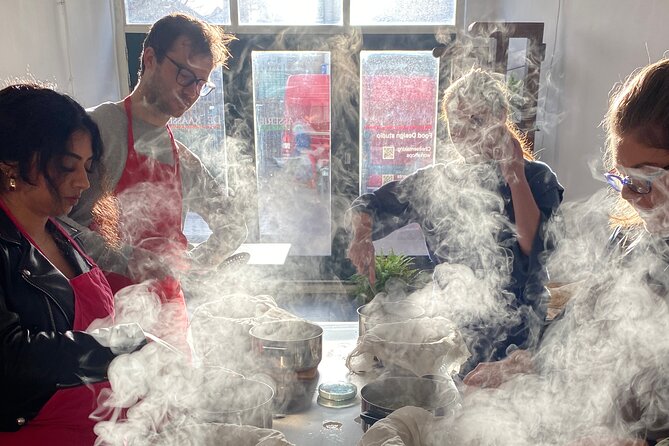
Next comes the acid-coagulated cheese. This method is different in texture and behavior, and it’s the second big learning moment of the workshop. Acid coagulation can feel more immediate, and it encourages experimentation because the cheese you’re making is fresh and flexible.
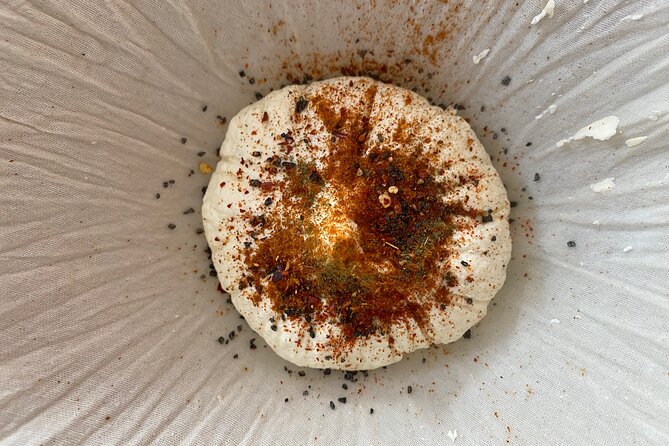
This is also where the class becomes more creative. When you finish the acid-coagulated cheese, you’re encouraged to experiment with:
- herbs
- colors
That might sound like a fun add-on, but it actually teaches you something practical: how flavor and presentation choices affect the final result. Even if you do not plan to make decorative cheese at home, you’ll come away with ideas for seasoning and customizing.

The tasting and drink: how you learn by evaluating
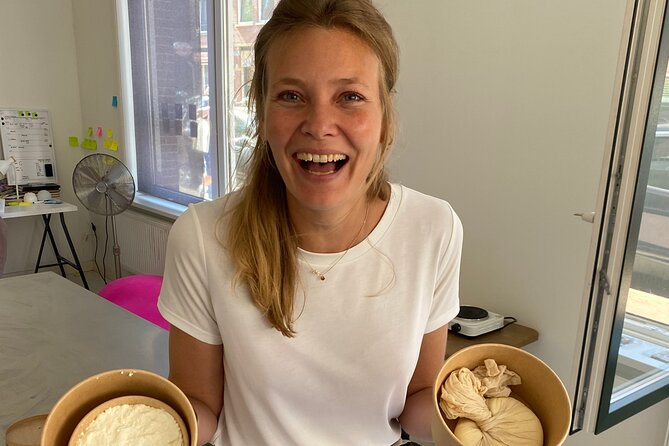
After the hands-on work, the workshop ends with a homemade cheese tasting plus a drink. This is more than a victory lap. It’s where you connect process to outcome.
You get to taste what you made and also taste the varieties involved in the class. That helps you calibrate your senses—what you expect to taste when coagulation changes, and what herb or color additions actually do to flavor.
A small detail that adds comfort: the environment is described as calm and peaceful, with a super patient tone. That matters during tasting because it’s easier to learn (and laugh) when you’re not stressed about doing something “wrong.”
Take-home cheese, tools, and emailed recipes that help you repeat
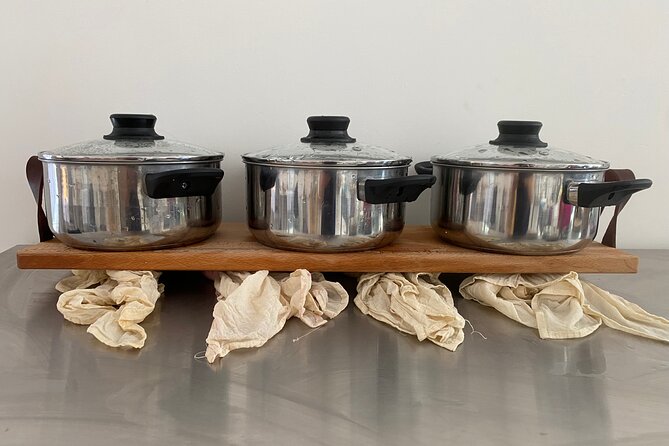
One reason I like this workshop is that it doesn’t end with an empty container. You can take with you:
- your two cheeses
- the basic tools
- recipes via email (so you can keep experimenting after the class)
That combination is what turns a one-time activity into a skill you can actually practice. Cheesemaking can feel intimidating until you’ve made it once. After that, your brain has a real reference point: you remember the look of the curd, the timing, and the point where things start behaving differently.
The emailed recipe follow-ups are also a practical safety net. Even if you’re confident in the kitchen, it’s nice to have a clear reminder of steps and flavor options. And because the class encourages herbs and color ideas, you’ll likely find yourself tweaking seasonings at home.
Who this is best for (and who should choose something else)
This workshop is especially good if you:
- are a food lover who likes hands-on learning
- want a beginner-friendly intro to the craft
- enjoy cooking with herbs and experimenting with flavor
- want a small-group experience instead of a big crowd format
It can also be a strong choice for visitors who want something more “local-feeling” than typical Amsterdam sightseeing. The class format is intimate, and it gives you a craft-based story to take home—not just photos.
Who might think twice? If you want a very light, casual snack activity, this one is more committed. You are making two cheeses and finishing with tasting, so you should expect a real class experience rather than a quick demo.
Price, value, and timing for a $144.49 workshop
At $144.49 per person, it’s not a bargain. But it also isn’t overpriced for what you’re getting: two cheeses, included ingredients/materials, tools you can take home, a guided tasting, and recipe follow-ups by email—plus a small group of up to 8.
When you break it down, you’re paying for:
- guided instruction that keeps beginners from getting stuck
- a full process workflow (rennet and acid coagulation)
- the materials that would cost money and time if you tried to DIY immediately
- a take-home result you can taste later
Also consider timing. This workshop is commonly booked about 58 days in advance on average, which is a sign that dates can fill up. If you know your Amsterdam schedule, you’ll save stress by booking early rather than gambling on last-minute availability.
A smooth plan for your day near De Hallen
Because you’ll be starting near De Hallen and your activity runs roughly three hours, I’d treat it like a meal-time anchor for your day. Arrive a little early so you can settle in and avoid rushing. After the workshop, you can build your next stop around what you now know you like—especially if you’re the kind of person who will want to buy herbs, spices, or other ingredients nearby.
If you’re carrying your take-home cheese, plan simple transport back to your lodging. Fresh cheese can be delicate, and having a calm plan beats trying to squeeze in multiple stops right after class.
Should you book the De Kaasserie cheesemaking workshop?
Yes—if you want a genuinely hands-on food experience in Amsterdam and you like the idea of learning by making, not just watching. The best reasons to book are the small-group feel, the patient, engaging instruction, and the fact you leave with two fresh cheeses, some basic tools, and recipe follow-ups you can use later.
If you’re unsure, ask yourself one question: do you enjoy cooking work where you touch ingredients, observe changes, and then taste what you produced? If that sounds like you, this workshop is a smart, memorable way to spend a few hours in the city—right in the heart of Amsterdam’s food-minded neighborhood.
FAQ
What is the duration of the cheesemaking workshop?
The workshop lasts about 3 hours (approx.).
How many people are in the class?
The experience has a maximum of 8 travelers.
What language is the workshop offered in?
It is offered in English.
What cheeses will I make?
You’ll make two types of fresh cheese: one coagulated with rennet and one coagulated with acid.
Can I take the cheese I make home?
Yes. You can take the two cheeses with you, and you also receive the basic tools.
Is there tasting at the end?
Yes. There is a homemade cheese tasting, finished with a drink.
Where do I meet and does it end nearby?
You start at De Kaasserie, Bellamystraat 8, 1053 BL Amsterdam, Netherlands, and the activity ends back at the meeting point.