REVIEW · GOUDA
Gouda: Museum Gouda Entry Ticket
Book on GetYourGuide →Operated by Museum Gouda · Bookable on GetYourGuide
Gouda tells its story in paintings and clay. I love the interactive 1562 maquette, and I love how Gouda plateel pottery is treated as real cultural history, not just decoration. The one catch: there’s no included guide or audio, so you’ll do more of the reading yourself than you might expect.
Museum Gouda is set in a 14th-century guest house, which makes the whole visit feel like you’re walking through the city’s layers, not just viewing objects behind glass. Plan for a relaxed 1-day visit, and you’ll get a mix of permanent collection pieces plus temporary exhibits, with staff who can help in English or Dutch.
If you want lots of built-in explanations, you may feel a little short-changed. If you enjoy museums where the labels do most of the talking, this is a very satisfying way to spend your time in Gouda.
In This Review
- Key highlights at Museum Gouda
- Walking into Museum Gouda’s 14th-century guest house
- Your 1-day game plan: what to prioritize first
- Altar paintings and the 16th-century iconoclasm story
- The painters to look for: Ferdinand Bol and Isaac Israels
- The interactive maquette of Gouda in 1562
- Civic guard pieces and militia portraits: 17th-century Gouda in people
- Gouda plateel and why the city became known for pottery
- Temporary exhibitions: your chance to add a twist
- What’s included with the ticket (and what isn’t)
- Price and value: is $19 for Museum Gouda fair?
- Who should book this ticket?
- Should you book Museum Gouda entry ticket?
- FAQ
- Where is Museum Gouda located?
- How much is the Museum Gouda entry ticket?
- How long should I plan for the visit?
- What does the ticket include?
- Is food or parking included?
- What languages are available?
- Is the museum wheelchair accessible?
- What is the cancellation policy?
Key highlights at Museum Gouda
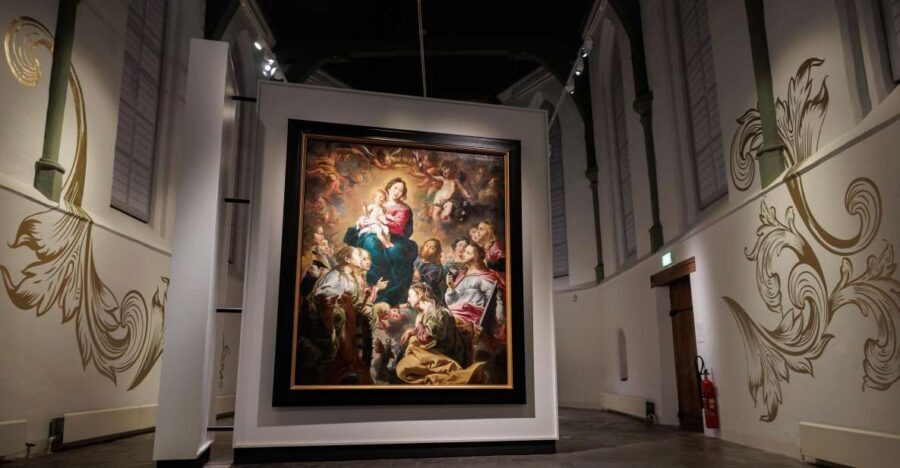
- Interactive 1562 maquette showing what Gouda looked like centuries ago
- Altar paintings that survived iconoclasm, including works by major masters
- Civic guard and militia portraits that bring 17th-century civic life into focus
- Ferdinand Bol and Isaac Israels among the painters you can look for
- Gouda plateel pottery that explains why this city became famous
- Temporary exhibitions to break up the permanent collection
Walking into Museum Gouda’s 14th-century guest house
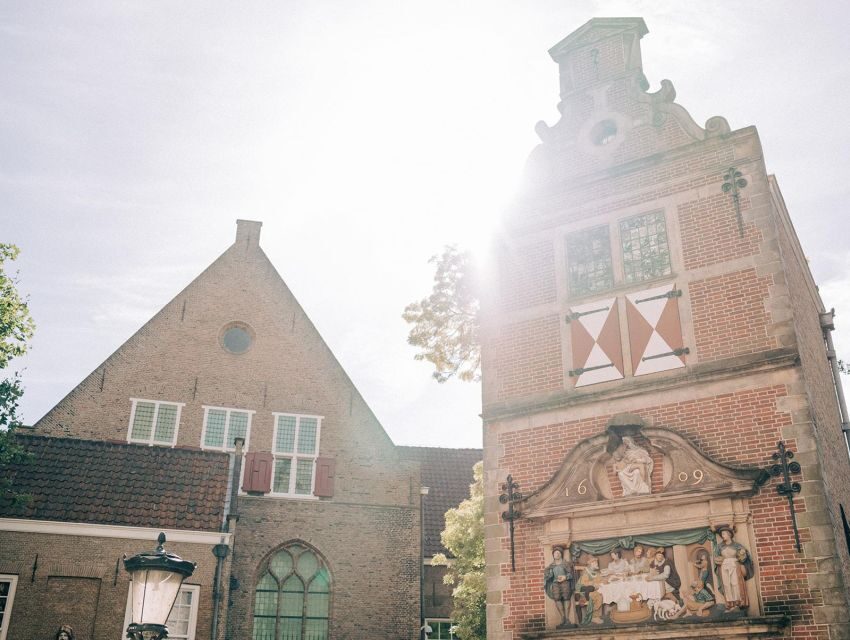
Museum Gouda starts with the building itself. You’re in a guest house dating back to the 1300s, and that sets a different mood than most modern museums. The walls feel like part of the story, which helps when the collection spans roughly 600 years.
For a self-guided ticket, the museum’s layout matters. The ticket gives you entry, and then you choose your pace through the permanent collection and any temporary exhibits. That means you’re not locked into a rushed route. It also means the museum’s signage and wall texts carry more weight, especially if you’re the type who wants context in real time.
There’s an English/Dutch host or greeter on hand, and the museum is wheelchair accessible. So if you need help finding a specific section, or you want to confirm where something like the maquette is located, you won’t be completely on your own.
A few more Gouda tours and experiences worth a look


Your 1-day game plan: what to prioritize first
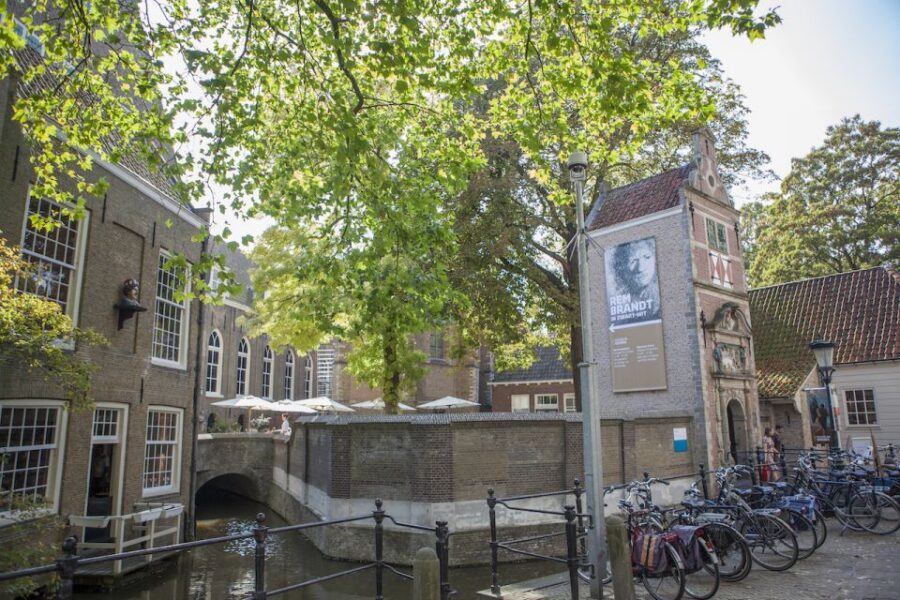
You only have one day, so I’d treat this like a strategic browse. Museum Gouda covers a lot: altar paintings, civic guard pieces, militia group portraits, ceramics, and art from different centuries. If you try to read everything all at once, you’ll end up tired and disappointed.
Here’s a simple order that matches how the collection is described:
- Start with the 16th-century section and the iconoclasm survivors.
- Then hit the interactive 1562 maquette so the city’s layout and history “click” into place.
- Follow with 17th-century civic guard and militia portraits, then move into the later art and ceramics.
- Finish with the pottery focus and temporary exhibitions, so you leave with a strong visual memory.
That approach gives you a story arc: art and belief, the city itself, civic life, then the objects Gouda became known for. It also helps you avoid wandering randomly, which is easy to do in a museum with many rooms.
Altar paintings and the 16th-century iconoclasm story
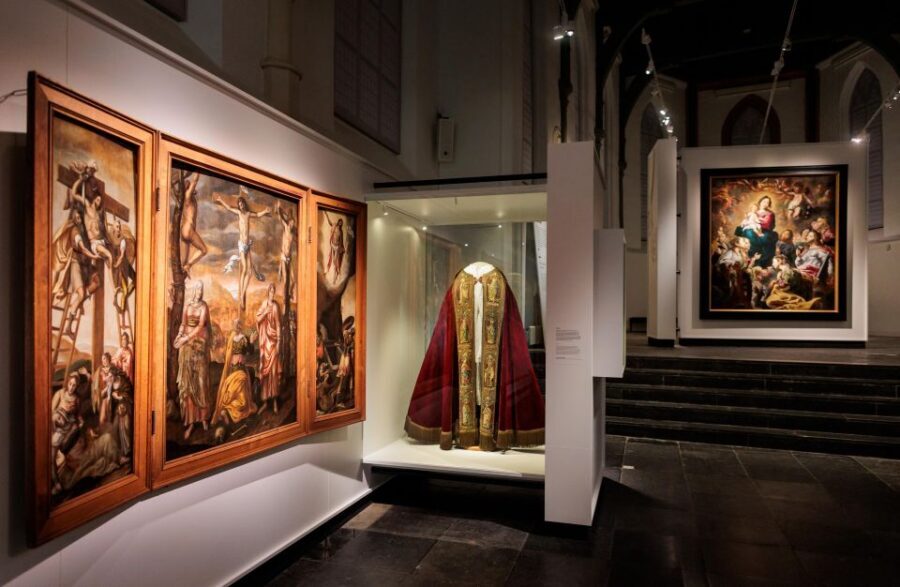
One of the museum’s most compelling themes is what survived. The collection includes altar paintings that endured the iconoclasm that swept through the Netherlands in the 16th century. That’s not just a historical footnote. It changes how you look at the paintings, because survival becomes part of their meaning.
When you see these altar pieces, slow down a bit and compare what remains visible. Even without extra narration, the idea is powerful: these works made it through a period when a lot of religious imagery was targeted. You’re not only looking at art. You’re looking at endurance.
This section is also where you’re likely to feel the most difference between people who love museum labeling and people who want a guided explanation. One booking note flagged that there’s no guide or audio built into the ticket, and in this kind of history-heavy room, you’ll feel that more. If you enjoy reading the context, you’ll get a lot out of it.
The painters to look for: Ferdinand Bol and Isaac Israels
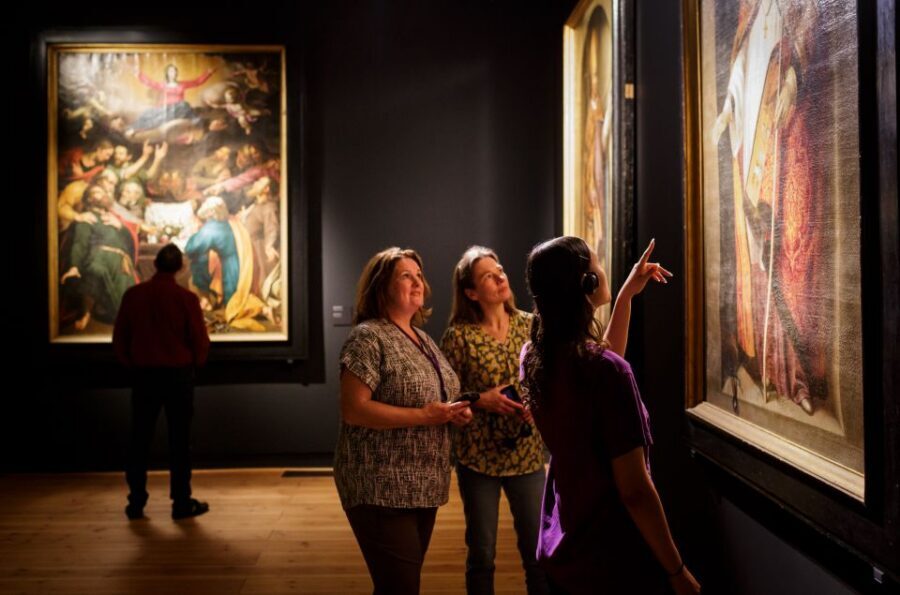
Museum Gouda doesn’t just show a scattering of famous names. It includes works by recognized painters such as Ferdinand Bol and Isaac Israels. That’s a big deal for value, because it means you’re not limited to regional art or decorative objects. You’re looking at artists with established reputations.
Bol and Israels are worth hunting for because they give you anchors across time. As you move through the permanent collection, you’ll notice how the museum connects different eras through style, subject matter, and the changing role of art in public life. In other words, the museum isn’t only saying Gouda had a past. It’s showing how art functioned within that past.
One past booking also mentioned major names like Vermeer and Rembrandt along with a striking tower in the museum experience. Even if those aren’t your focus, that kind of name-drop is a useful reminder: you may spot works that feel more broadly famous than you’d expect from a city museum ticket.
The interactive maquette of Gouda in 1562
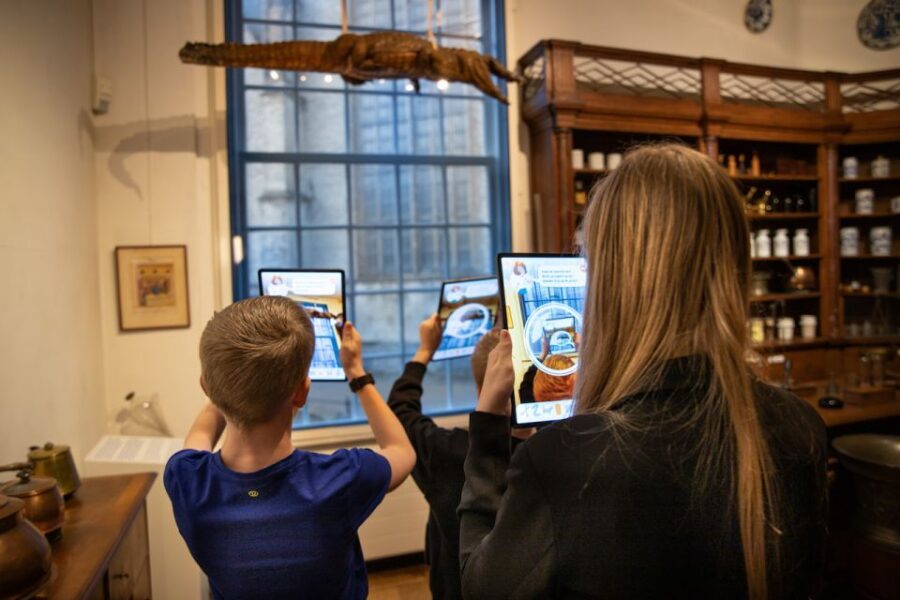
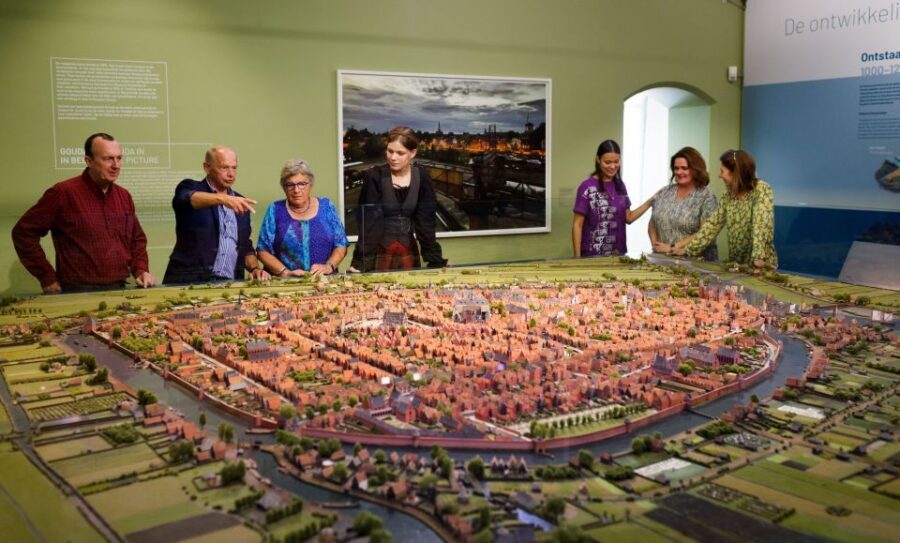
If there’s one element that makes Museum Gouda feel built for real attention, it’s the massive interactive maquette of the city in 1562. This is where the museum shifts from paintings-on-walls to understanding space and structure.
Standing in front of it, you get a chance to visualize how Gouda might have looked at a specific point in time. That’s the kind of detail that can turn history from abstract to physical. Even if you’re not a map person, a city model helps you connect streets, buildings, and the sense of place behind the art and objects.
Practical tip: don’t rush this area just because it’s interactive. Spend enough time so you can actually build a mental image before moving on. Once you’ve got the city layout in mind, the later rooms (especially civic and militia portraits) land differently.


Civic guard pieces and militia portraits: 17th-century Gouda in people
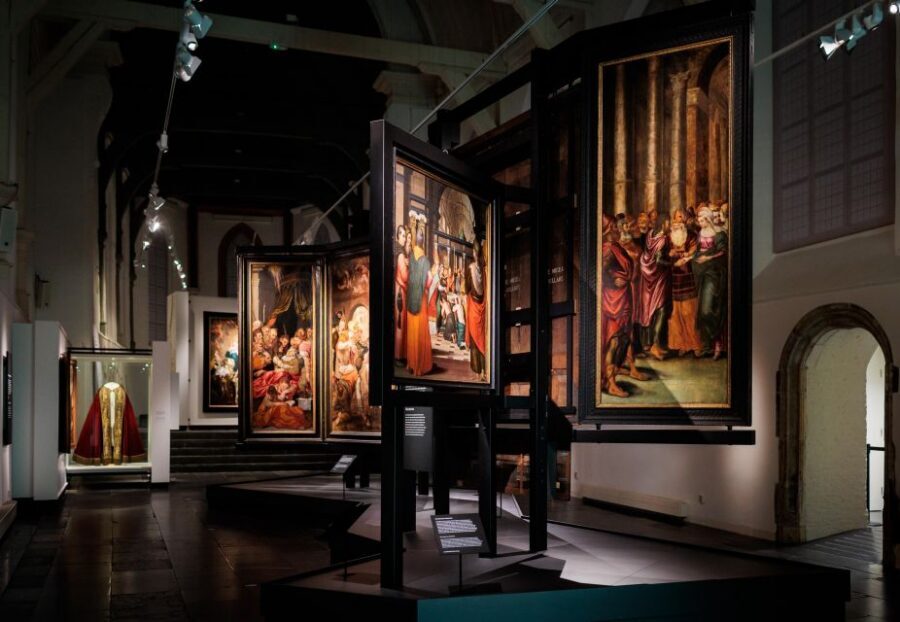
The museum includes 17th-century civic guard pieces and militia group portraits. These works matter because they show Gouda not only as a place of churches and artists, but as a city made of organized citizens.
Look for how the portraits communicate status and community identity. You’re usually trained, as a modern visitor, to see portraits as individuals. In civic guard and militia pieces, the emphasis often shifts toward groups, roles, and public presence. That changes the emotional tone of what you’re viewing.
And again, this is where self-guided museum visitors do best. Without an included guide or audio, you’ll rely on the museum’s own explanations on the wall. If you like piecing together context from the label, you’ll probably enjoy this section a lot. If you need spoken interpretation, it may feel like work.
Gouda plateel and why the city became known for pottery
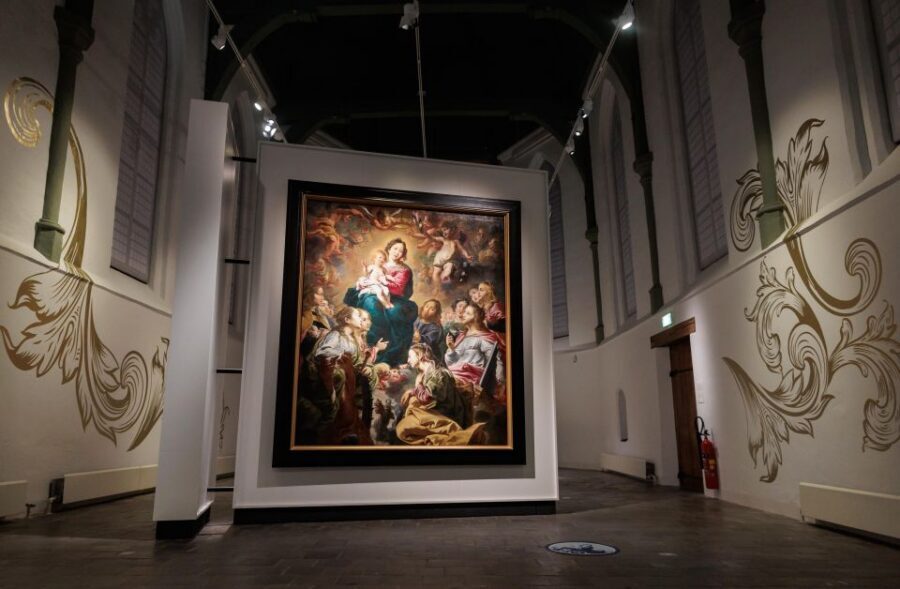
Gouda isn’t just a name tied to cheese. The museum makes a strong case for why the city became famous for Gouds plateel, a type of decorative pottery.
This is one of the easiest sections to appreciate even if you skim. Plateel is visual by nature—pattern, color, and craftsmanship. The museum’s approach helps you connect the objects to local identity and historical craft traditions, rather than treating pottery as filler between paintings.
If you want a souvenir of sorts in your head, aim to spend a little longer here than you think you need. When you’re finished, you should be able to explain, in plain terms, what plateel is and why it mattered to Gouda’s reputation. That’s a strong payoff for a ticket that’s only meant to last 1 day.
Temporary exhibitions: your chance to add a twist
The museum also has temporary exhibits alongside the permanent collection. That’s valuable because it gives you something extra beyond “the core museum,” especially if you’re visiting with more than one interest.
Temporary exhibits can also help reset your attention. Museums with deep permanent collections sometimes risk becoming repetitive. A change of theme—new objects, different time periods, or different ways of presenting the story—keeps the visit from flattening into one long gallery.
I’d plan on stopping for at least one temporary exhibit even if you feel pressed for time. If your schedule is tight, prioritize the temporary room that sounds most aligned with what you enjoyed most in the permanent collection (art, civic life, or pottery).
What’s included with the ticket (and what isn’t)
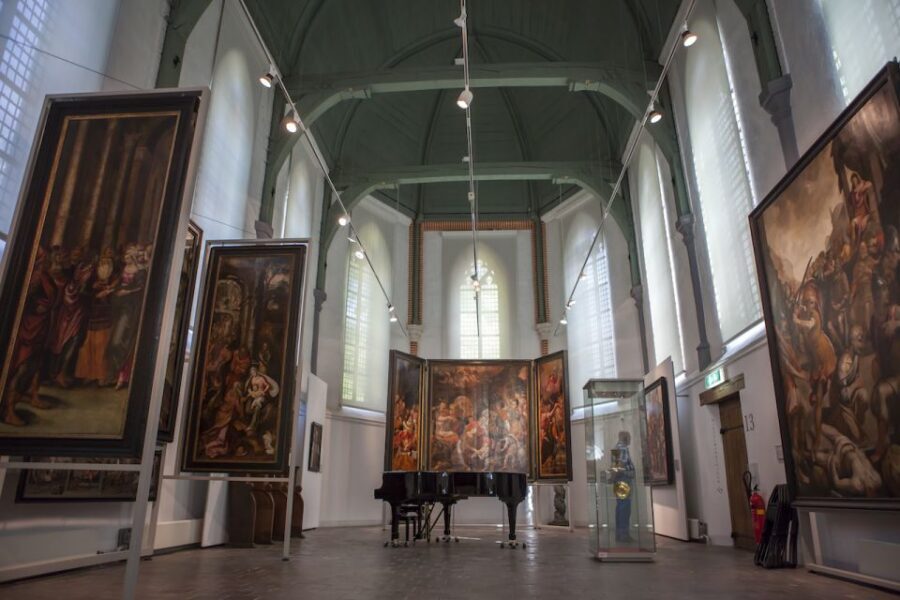
This experience is straightforward: you’re buying an entry ticket to Museum Gouda. That means you get access to the permanent collection and temporary exhibits during your visit window.
What you do not get, based on booking feedback, is an included guide or audio guide. That matters. If you like your museums with narration, the lack of audio can feel like a missed chance. One booking note specifically called out that there weren’t audio explanations, and that lots of works felt under-explained without them.
So my advice is simple: bring a label-reading mindset. If you like learning from text panels, images, and object descriptions, this format can actually feel more flexible and personal. If you want guided storytelling delivered to you, you might prefer a guided option instead.
Price and value: is $19 for Museum Gouda fair?
At about $19 per person for a 1-day visit, this ticket price feels reasonable for a museum that covers multiple centuries and several distinct collection strengths: altar paintings, civic guard pieces, and plateel pottery, plus an interactive maquette.
The value is strongest if you use the whole museum rather than treating it as a quick stop. If you spend time in the maquette and then circle back to the ceramic and civic sections, you’ll get a clearer sense of what Gouda was like and why the city’s art and craft mattered.
If you’re only casually interested in museums, or you tend to skip anything that requires reading, the ticket can feel a bit steep. But if you enjoy art history that connects to place, the price lines up well with the effort you put in.
Who should book this ticket?
Museum Gouda entry works best for you if:
- You like art and objects that connect to a specific city’s identity
- You enjoy comparing different centuries in one building
- You want an interactive history moment from the start
- You’re curious about Dutch civic life, not only religious art
It may feel less ideal if:
- You strongly prefer guided tours or audio interpretation
- You dislike museum labels and want spoken context
- You only want highlights and tend to move fast through rooms
If you’re doing a Gouda day and want something more grounded than a typical walking tour, this ticket is a solid anchor.
Should you book Museum Gouda entry ticket?
I’d book it if you want a one-stop museum visit that explains Gouda through art, civic identity, and famous pottery, all in a setting that dates back centuries. The interactive 1562 maquette and the plateel focus are the two elements that make this feel more than a quiet collection.
I would hesitate only if you’re expecting a guided, talk-to-you museum experience. With no included audio or guide in the ticket format, you’ll need to engage with the exhibits yourself. If that’s your style, Museum Gouda is a very worthwhile use of your day in South Holland.
FAQ
Where is Museum Gouda located?
Museum Gouda is in South Holland, Netherlands.
How much is the Museum Gouda entry ticket?
The price is $19 per person.
How long should I plan for the visit?
The experience is listed as lasting 1 day.
What does the ticket include?
The ticket includes entry to Museum Gouda.
Is food or parking included?
No. Food and drinks and parking are not included.
What languages are available?
The host or greeter can help in English and Dutch.
Is the museum wheelchair accessible?
Yes, it is wheelchair accessible.
What is the cancellation policy?
Free cancellation is offered up to 24 hours in advance for a full refund.