REVIEW · AMSTERDAM
Amsterdam: Private Food Tour with a Local
Book on GetYourGuide →Operated by Withlocals · Bookable on GetYourGuide
Food tastes better when someone local maps the route.
This private walking tour starts near Museumplein and meets at Otemba Gyoza Bar, right in the city’s everyday action. A guide like Raoul or Louke (names that show up with this tour) explains what you’re eating and why it matters, while steering you toward places you’d usually miss if you only chased top sights.
I especially like the mix of classic Dutch comfort food and real neighborhood snacks, with stroopwafel and bitterballen included as core stops. I also like how the route blends food with short city highlights, then pivots into De Pijp for cafés and bar-side culture. One practical drawback: it’s a 3-hour stroll, so you’ll want solid walking shoes and you should skip it if you need wheelchair access.
In This Review
- Key highlights worth planning around
- Starting at Otemba Gyoza Bar near Museumplein
- Ten tastings that feel like a real food strategy
- Dutch classics: stroopwafel, bitterballen, and the comfort-food logic
- The biggest market stop in Europe: what you should look for
- Surinamese family-run restaurant and Amsterdam’s food mix
- De Pijp walking time for cafés, local bars, and old-new vibe
- How your guide changes everything (names you may see)
- Price and value: what $224 buys in 3 hours
- What to bring, how to pace yourself, and who it suits
- Should you book this Amsterdam private food tour?
- FAQ
- Where is the meeting point for the Amsterdam private food tour?
- How long is the tour, and is it private?
- How much food is included?
- Are vegetarian options available?
- Is hotel pickup or drop-off included?
- What should I wear or bring?
- Is the tour wheelchair accessible?
Key highlights worth planning around
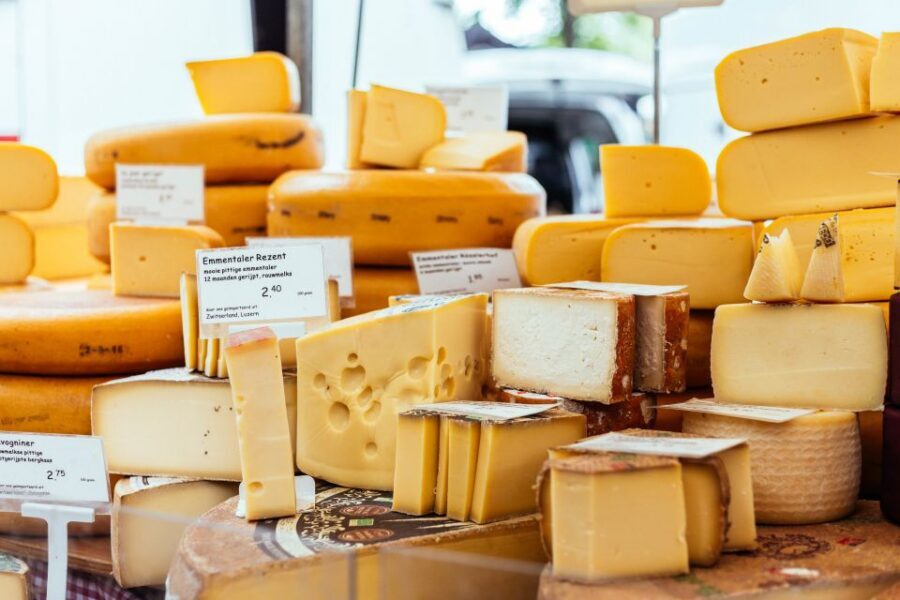
- 10 food and drink tastings per person, designed to feel like a proper eating plan, not just samples
- The largest market in Europe stop, built into the walking route
- Dutch classics plus international comfort, including a Surinamese family-run restaurant
- De Pijp neighborhood time, with hip cafés and the old-meets-new feel of Amsterdam
- Vegetarian alternatives available, so you’re not stuck with bread and water
- Carbon neutral experience, a small but real bonus when you’re thinking about travel impact
Starting at Otemba Gyoza Bar near Museumplein
The tour’s meeting point is easy to find if you’re already in the Museumplein area: stand in front of Otemba Gyoza Bar and look for your guide with your group. It’s a smart start. You begin in a part of Amsterdam that’s central, walkable, and convenient for arriving on foot from many museums and hotels.
From there, your guide handles the pacing and the order of stops. That matters more than you’d think. Amsterdam has a lot of food options, but spacing them out wrong turns a food tour into a sugar-and-sauce sprint. Here, the rhythm is meant to keep you full-but-not-miserable as you move through different parts of the city.
Your tour is private, too. That means no waiting for a slow group, no awkward pauses for people who miss the next turn, and more freedom to ask questions while you eat. In past experiences with this kind of format, guides also tend to share restaurant ideas for after the tour, which is useful because Amsterdam food is best in repeat visits, not one-and-done.
You can also read our reviews of more food & drink experiences in Amsterdam



Ten tastings that feel like a real food strategy
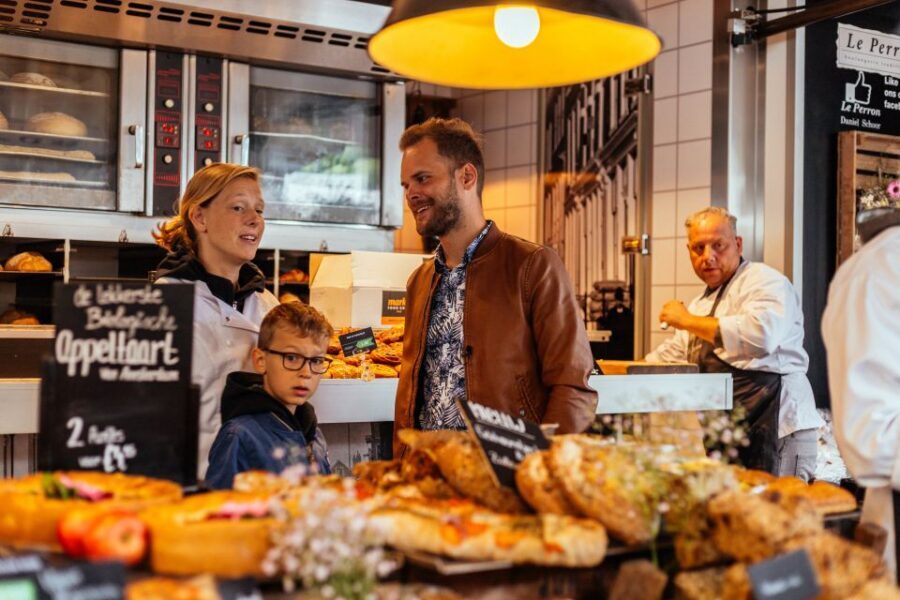
Most food tours give you bites. This one aims for 10 tastings per guest. That number is a big deal for value and for how your afternoon feels. At $224 per person, you want the food to do real work. Ten stops typically means you get multiple flavors, multiple textures, and a couple of chances to cool things down (like with coffee, beer, or something sweet).
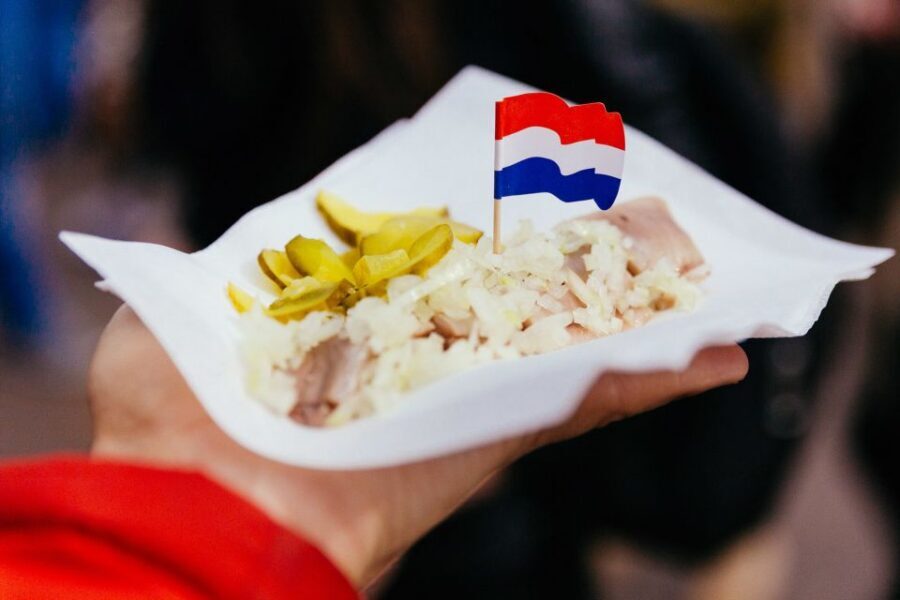
Also, it’s private and 3 hours long. So you’re not just sampling; you’re getting a guided route through how Dutch snacks and Dutch-influenced street food fit together in daily life. Your guide can point out what to expect in taste and texture, which helps if you’re unsure about things like raw or pickled fish.
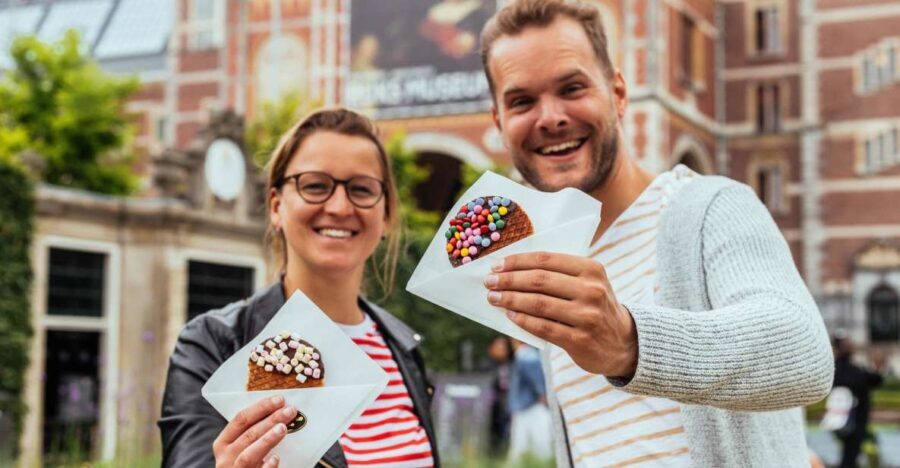
And yes, it’s not only savory. You should expect desserts and classic sweet comfort items. The tour description calls out stroopwafel, and multiple guide styles around this route lean into that warm, caramel-like experience that feels almost like a snack you’re supposed to have in Amsterdam.
Dutch classics: stroopwafel, bitterballen, and the comfort-food logic
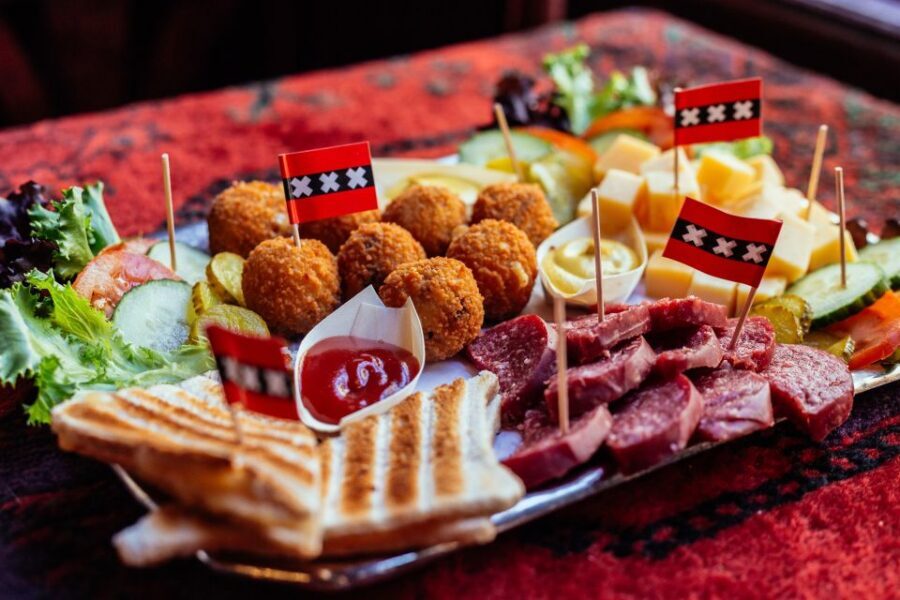
Let’s talk about the headline Dutch snacks you should plan to enjoy: stroopwafel and bitterballen.
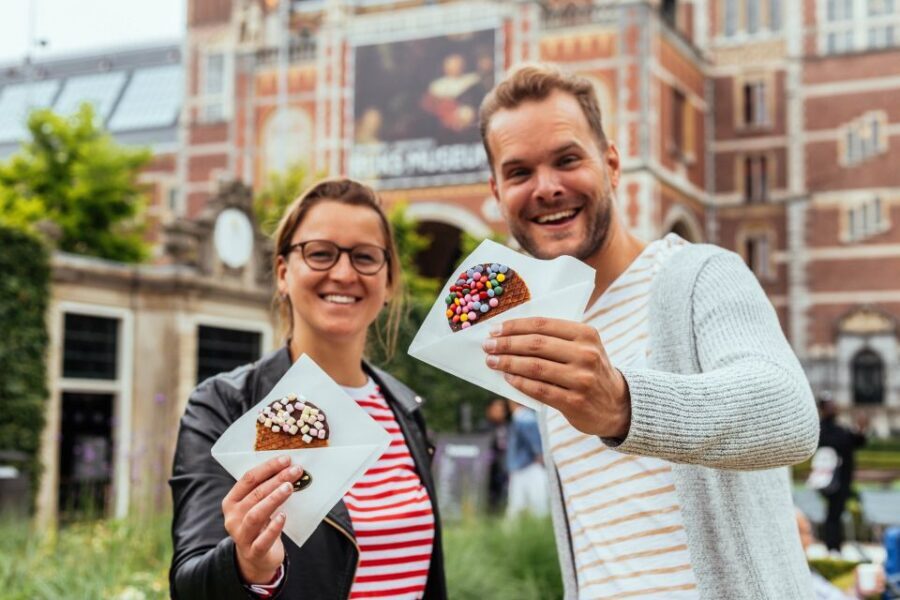
Stroopwafel is thin waffle, warmed and filled with syrup. It’s the kind of snack that seems simple until you taste it warm and fresh. On a walking tour, it’s perfect because it hits the comfort zone fast. It also gives you a sweet reset after more savory bites.
Bitterballen are small, fried meat croquettes, usually served with mustard. They’re one of those foods that feel like they were invented for social eating: grab one, crunch it, dip it, and keep talking. If you’re used to fries and burgers, bitterballen are a satisfying shift—crispy outside, soft inside, and usually salty enough to keep you coming back for one more bite.
A lot of food-tour value comes from getting the classics done properly. Here, those two are explicit parts of the experience, which is reassuring. If you’re nervous about trying Dutch street food, starting with these two is a pretty logical way to build confidence.
The biggest market stop in Europe: what you should look for
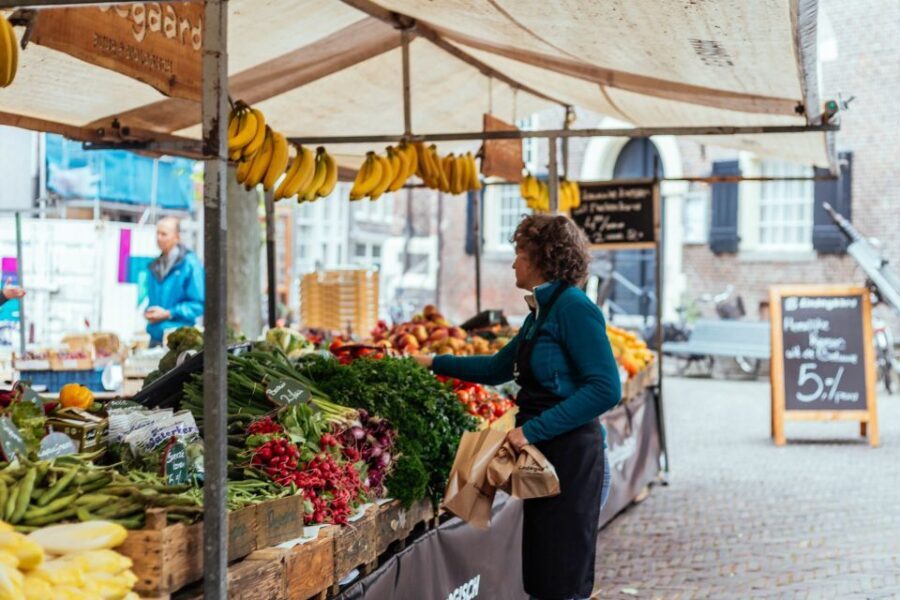
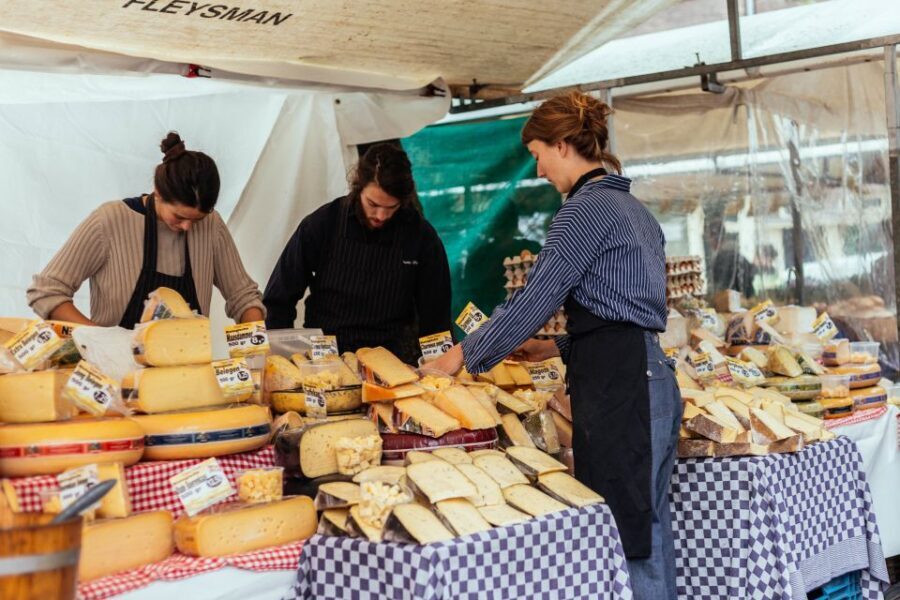
The itinerary includes a stop at the largest market in Europe. Even without naming it here, you should expect a classic Amsterdam market atmosphere: food stands, quick tastings, and the feeling that locals pick up lunch and snacks without turning it into a performance.
This kind of market visit matters because it changes how you understand the food. City street food can look random until you see how people actually buy and combine it. Markets also tend to show you what’s seasonal, what’s common, and what locals treat as everyday normal.
What to do on this stop:
- Watch what people buy for themselves and not just what tourists take photos of
- Use your guide to explain any unfamiliar items so you can choose confidently
- Pace yourself. If you eat too much at the market, you’ll ruin the next hour
And here’s a small tip that pays off: markets reward curiosity. If something looks odd, ask your guide what it tastes like and how it’s typically eaten. Food tours are one of the best times to ask basic questions without feeling silly.
Surinamese family-run restaurant and Amsterdam’s food mix
One of the best parts of this tour is that it doesn’t keep you trapped in traditional Dutch-only food. You’ll have an experience at an authentic Surinamese family-run restaurant, which is a valuable window into Amsterdam’s real food mix.
Why this matters: Amsterdam’s culture shows up in its snacks and comfort meals. Surinamese food brings warmth, spice, and strong flavors that can contrast nicely with the more buttery or fried Dutch classics. It’s also the kind of meal that helps you see why Amsterdam is so good at street food: the city has layers.
Depending on the guide, you may also see other international influences show up in the tastings. One guide route includes Indonesian-style snacks as a finishing beat, and other classic bites can include seafood like pickled herring or fried cod. Even if your exact tastings vary, the pattern is consistent: your guide uses Amsterdam’s multicultural food reality instead of sticking to a single-country script.
Vegetarians aren’t left out either. Vegetarian alternatives are available, and good guides usually build a vegetarian path that still hits the textures you came for—crisp, savory, and not just a sad substitute.
A few more Amsterdam tours and experiences worth a look




De Pijp walking time for cafés, local bars, and old-new vibe
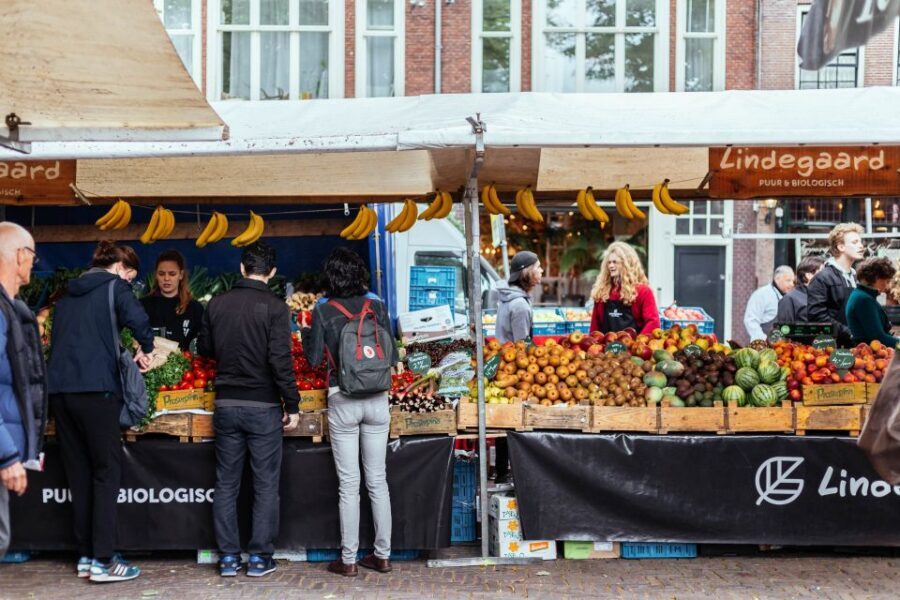
A major highlight is time in the Pijp area. De Pijp is where Amsterdam feels like it has a pulse that doesn’t depend on museum tickets. It’s full of cafés next to local bars, and the energy is more everyday than showy.
On this tour, De Pijp isn’t just a photo stop. You use the neighborhood to connect the dots between food and city life. You’ll see how people actually hang out between meals, and your guide can explain what’s local about the places you’re walking past.
If you’re the type who wants a city tour that ends with a plan for later, De Pijp is where that often happens. Guides can point you toward a café style that matches your mood—something relaxed for a dessert stop, or somewhere more snack-and-beer leaning if you’re in that frame of mind.
And since it’s private, you can ask for a specific vibe: quieter side streets, livelier bar culture, or something best for first-time Amsterdam dinner planning.
How your guide changes everything (names you may see)
A good guide turns food into context. With this tour, that’s the whole point. You’re meeting a local who’s passionate about food traditions, and the guide’s job is to choose stops that make sense together, not just list famous items.
Across guide styles, names like Raoul and Louke show up in the guide roster for this experience. Other guide names you might encounter include Dina, Tania, Olav, Manu, and Zohair. The common thread is how they talk through what you’re eating, and how they tend to steer you toward spots that feel personal rather than tourist-stock.
A practical tip: tell your guide what you like before you start. If you’re excited about street food, say so. If you’re cautious about strong flavors, say so early. With a private format, you’re more likely to get adjustments that match your comfort level without feeling like a request for special treatment.
And if you’re curious about what to order afterward, ask on the walk. Many guides naturally share recommendations for the rest of your trip once they see what you’re enjoying.
Price and value: what $224 buys in 3 hours
Let’s do the simple math first: you’re paying $224 per person for 3 hours and 10 included tastings. That puts the food component at about $22 per tasting before you even count the guide time.
Is that cheap? No. But this is a private tour, and it includes a local guide plus multiple food stops across neighborhoods, including market time and a sit-down style restaurant experience. You’re also getting guidance on what to eat and where, which saves you time and guesswork.
In Amsterdam, the cost of eating out can add up fast if you’re paying for small items one by one at busy places. The value here is that your afternoon is planned around the food you want, with someone local handling the friction.
Also, included carbon neutral labeling is worth noting for travelers who care about how their trip fits the bigger picture. It doesn’t change the taste, but it’s still a meaningful detail.
What to bring, how to pace yourself, and who it suits
This tour is not suitable for people with mobility impairments or wheelchair users, so plan accordingly. It’s built around walking and frequent stops, so comfortable shoes are a must.
Bring:
- Comfortable shoes you can walk in for 3 hours
- A light layer, because Amsterdam weather can shift between snack stops
Pacing is part of the experience design. But you can help yourself by drinking water when you can, and not doing the one-more-bite thing every time your guide offers you a new taste. You’ll feel better later, and you’ll enjoy the sweet stuff more when you actually save room.
Who it suits:
- Food-first travelers who like walking through real neighborhoods
- People who want Dutch classics plus international food context
- Couples or small private parties who want a flexible, question-friendly tour
- Vegetarians who want a structured tasting plan with alternatives
Who should consider something else:
- Anyone who needs a low-walking, low-stand experience
- People who only want a single-country tasting list and not the multicultural Amsterdam angle
Should you book this Amsterdam private food tour?
Book it if you want an Amsterdam food experience that’s more than a list of dishes. The included stroopwafel and bitterballen, time at the largest market in Europe, and a stop at a Surinamese family-run restaurant are exactly the kind of mix that makes a first visit feel smart.
Skip or consider alternatives if you can’t handle 3 hours of walking and frequent stops, since this isn’t set up for wheelchair access. Also, if you hate fried foods or strong flavors, tell your guide right away so they can steer tastings toward your comfort zone.
If you like local recommendations, De Pijp alone is worth having a knowledgeable route. Add in 10 included tastings, and you’re paying for both food and navigation through Amsterdam’s eating culture.
FAQ
Where is the meeting point for the Amsterdam private food tour?
Meet your guide in front of Otemba Gyoza Bar.
How long is the tour, and is it private?
The tour lasts 3 hours and it’s a private group experience with a live English-speaking guide.
How much food is included?
You’ll get 10 food and drink tastings per guest.
Are vegetarian options available?
Yes. Vegetarian alternatives are available.
Is hotel pickup or drop-off included?
No. Pick up and drop-off are not included.
What should I wear or bring?
Wear comfortable shoes. The experience involves walking.
Is the tour wheelchair accessible?
No. It is not suitable for people with mobility impairments or wheelchair users.