REVIEW · ROTTERDAM
Kinderdijk Bike Tour
Book on Viator →Operated by Travel Kinderdijk · Bookable on Viator
Windmills beat city noise. A private bike-and-boat trip to UNESCO Kinderdijk with guide Marco turns the polders into a story you can actually ride, and the food stop with a local pastry is a simple pleasure I’d schedule again. The only real catch: this runs best with good weather, so pack for rain.
I like that you’re not doing Kinderdijk as a checklist. You get cycling viewpoints, a windmill-view boat ride, and time at the official windmill and museum, plus a guide who adjusts the pace. Expect a moderate ride level, not a couch-to-10-kilometers type of day.
In This Review
- Key things that make this Kinderdijk tour work so well
- Entering The Day: Rotterdam Waterbus Starts the Rhythm
- From Rotterdam to Kinderdijk: The Boat Ride Is More Than Transit
- Cycling the Polders: Easy Riding, Great Wildlife, Real Canals
- The Classic Taste Break: Drink and Pastry on a Local Spot
- Working Windmills Up Close: Inside the Machinery, Not Just Outside Photos
- Cheese Farm Stop: A Local Producer Detour (Sundays Excluded)
- Price and Value at $239.65 Per Person: What You’re Really Paying For
- What to Bring So the Weather Doesn’t Ruin the Day
- Who This Tour Suits Best (And Who Might Hesitate)
- Should You Book the Kinderdijk Bike Tour?
- FAQ
- Where does the tour meet in Rotterdam?
- How long is the Kinderdijk bike tour?
- Is this a private tour or shared group?
- Does the tour include a bike and entrance tickets?
- Is the tour offered in English?
- What food and drinks are included?
- Do I need to bring rain gear?
- Is the cheese farm stop part of the itinerary?
- What happens if the weather is poor?
- Quick closing note
Key things that make this Kinderdijk tour work so well
- Private guide, real pacing: Marco or Marga can tailor the route to your time and interests.
- Waterbus + boat viewpoints: you approach the windmills with angles you do not get on foot.
- Working windmill access: you get inside a grain windmill and learn how the machinery works.
- Local food stops: you’ll pause for a drink and pastry, plus time near local producers.
- Flat riding through polders: the bike paths are set up for easy cruising, with great wildlife spotting.
- Cheese farm detour (not Sundays): a stop for locally made cheese varieties when schedules allow.
Entering The Day: Rotterdam Waterbus Starts the Rhythm
The day feels calm from the start because it’s built around Rotterdam’s water routes. You meet at the Watertaxi / Waterbus dock at Willemskade (Waterbus line 53 area). That matters because Kinderdijk is easier when you let the waterbus do the heavy lifting first.
You also get a private setup, so it’s not you trying to stick to a group while everyone else sprints to the next photo. Instead, your guide keeps the day flowing: route talk on the water, then bike time when the scenery opens up. The tour is offered in English, and confirmation comes at booking, which helps you feel set before you roll up to the dock.
One detail worth double-checking when you book: the water travel piece. The tour experience is designed around waterbus connections between Rotterdam and Kinderdijk, and the add-on cost is sometimes described as a return waterbus fare or a dayticket option depending on what you choose. Either way, plan your timing so you don’t arrive at the dock late; this kind of tour has a rhythm, and the schedule is part of the value.
You can also read our reviews of more tours and experiences in Rotterdam.

From Rotterdam to Kinderdijk: The Boat Ride Is More Than Transit
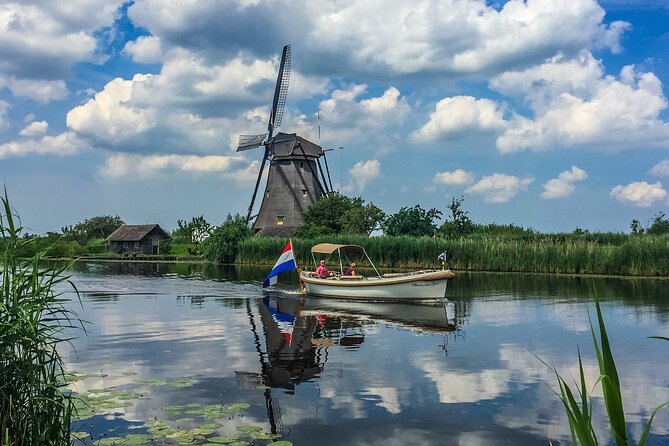
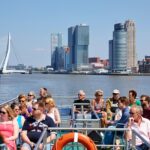
This isn’t just a ride to get you there. The water segment gives you windmill views from the waterways, which is the kind of perspective you’ll remember even after the photos fade. From the water, the windmills sit in their true setting—the polders, canals, and farm edges—and everything looks more intentional.
On the boat, your guide’s role shifts into storyteller mode. With a private group, you can ask questions without feeling like you’re slowing everyone down. And because you’re moving through the region instead of hopping between viewpoints in a single direction, the whole area clicks faster.
You’ll then land in Kinderdijk with a good sense of orientation. That makes the bike portion easier. It’s one of those small, smart design choices that saves time and reduces stress, especially if you’re not from the Netherlands.
Cycling the Polders: Easy Riding, Great Wildlife, Real Canals
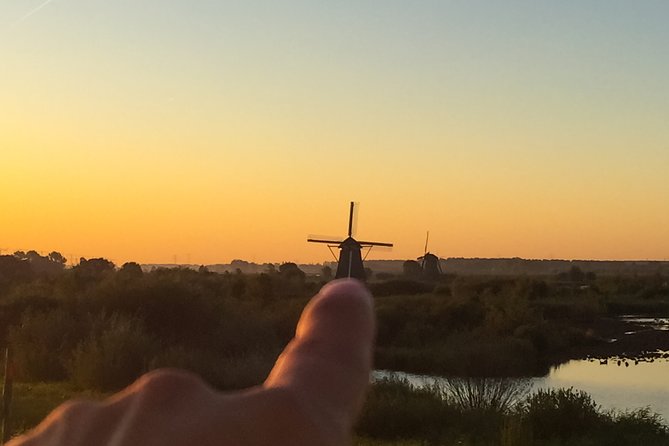
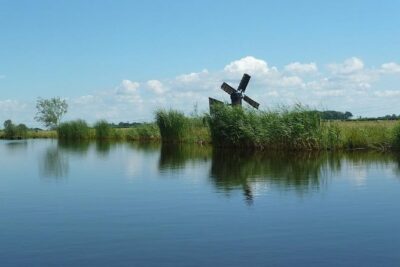
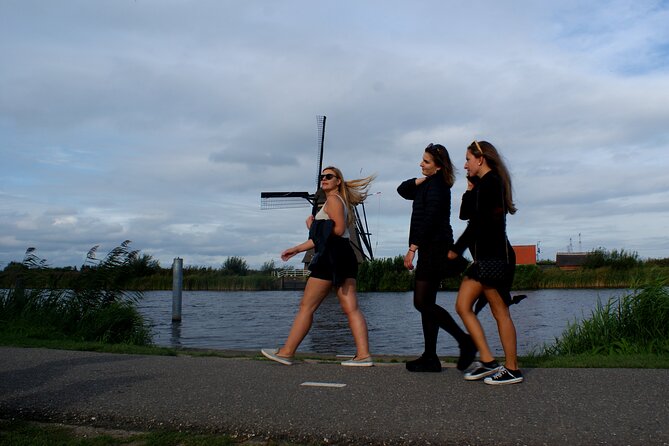
The cycling part is the heart of why this works as a tour, not just an outing. You’ll bike around scenery tied to Holland’s low-country structure—flat ground, canals, farmland edges, and the wide sky that makes windmills feel even bigger than they are.
This route suits people with moderate fitness. You’re not climbing hills, but you should still expect real riding time. In one example day, the route was about 10 miles, and it felt like a full, satisfying countryside loop rather than a short spin around the perimeter.
Here’s what tends to make the ride special:
- Wildlife spotting: swans and ducks with ducklings show up, and rabbits and even cows can pop into view when you’re cruising slowly enough.
- Photo opportunities: the guide pauses at the right moments so you get shots without feeling rushed.
- Quiet pacing: a private guide (like Marco, in many examples) can slow down for you if you want to watch the sails turn or just absorb the polders.
Bring a camera, yes. Also bring patience. The best moments are often the ones where you stop, breathe, and let the scenery do its job.
The Classic Taste Break: Drink and Pastry on a Local Spot
Mid-tour, you get a break that feels practical and Dutch. You stop for one drink and a local pastry, with coffee or tea included in the package.
This matters more than people expect. When you’re riding and learning, your brain can only hold so much history at once. The snack stop gives you a clean reset. It also grounds the day in everyday life around the windmills, not just museum walls and signage.
A couple examples show how this typically plays out: some days include a bakery-style coffee cake stop, and others pair a latte with pastry while you’re seated in a small local setting. You’re not locked into a big tourist café vibe; you’re aiming for something closer to how people actually take a break.
If you’re sensitive to sugar crashes, plan your pace around the snack—enjoy it, then keep moving at a steady rhythm.
Working Windmills Up Close: Inside the Machinery, Not Just Outside Photos
This is where the tour earns its reputation.
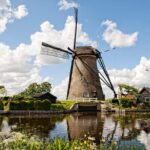
You don’t just look at windmills from the road. You visit the official authentic windmill and museum and you get time connected to a working grain windmill experience. On these days, volunteers or caretakers show you what’s happening inside, including how the gears function and how the mechanism supports milling flour production.
One of the most memorable parts is the hands-on feel. You may even climb inside as part of the explanation, then step back outside for a demonstration of setting the sails and turning the cap. That turns the windmill from a pretty landmark into a machine with a job.
This is also where a skilled guide makes a noticeable difference. Marco and Marga show up in different experiences as guides who can translate the details into plain language and help you see what you’re looking at. You’ll come away with a mental picture of how the windmill works, not just an image of wooden sails.
If you love engineering, old trades, or just the satisfaction of learning how something works, this segment is the main event.



Cheese Farm Stop: A Local Producer Detour (Sundays Excluded)
Another thoughtful part is the detour toward a local biological cheese farm. It’s built into the day, but there’s an important timing note: it’s not on Sundays.
On these farm moments, you’re usually connecting with people who do the work, not just selling souvenirs. In one example, the guide’s background as a cheesemaker added real conversation value. You’ll get a chance to talk through how cheese production fits into daily life in the area, and you may have tasting and buying options depending on what’s open that day.
If you’re visiting on a Sunday, you should still go. The cheese farm segment is the bonus, not the backbone. The tour’s core is windmills, cycling, and the water viewpoint system.
Price and Value at $239.65 Per Person: What You’re Really Paying For
At $239.65 per person, this isn’t a cheap “see the sights and go” excursion. The value is in what’s bundled and how it’s delivered.
You’re paying for:
- A private guiding service
- Use of a bicycle
- Entrance fees to the windmill/museum experience
- A local drink and pastry
- Water travel built into the day, via waterbus connection and return, aligned with pick-up at Rotterdam
When you add up those components, the price feels more like a packaged day with fewer headaches. You’re not standing in ticket lines or figuring out how to connect water routes while also trying to bike and navigate.
That said, the best value depends on your travel style. If you love guided context and want someone to manage timing (especially with boat and museum timing), you’ll likely feel this was money well spent. If you prefer total independence and don’t care about guided explanations inside the windmill, you might find cheaper DIY routes.
What to Bring So the Weather Doesn’t Ruin the Day
This tour depends on good weather, so your packing matters. Even in the Netherlands, you’ll want to plan for quick changes.
Bring:
- Rain clothes, or at least something that keeps you comfortable if the sky shifts
- A sun cap, sunglasses, and a camera
Also note what’s not included: bottled water isn’t part of the package. Bring your own bottle or be ready to buy water where you stop.
One more practical thought: cycling days feel easiest when you’re dressed for comfort and layered temperatures. If you get cold easily on the water, add a light layer even if Rotterdam starts sunny.
Who This Tour Suits Best (And Who Might Hesitate)
This tour fits best if you want a structured countryside escape from Rotterdam without turning it into a long travel day.
You’ll probably love it if you are:
- A couple or solo traveler who likes a guide to handle the flow
- A family with kids (there’s reduced cost for ages 4 to 12, and the bike paths tend to be fairly manageable)
- Someone who wants more than windmills from the outside—especially the chance to hear and see how a working mill operates
- A photographer who values the timing of stops and the chance to get clean angles
You might hesitate if:
- You want a totally spontaneous self-guided day with no schedule at all
- You don’t handle time on bikes for several hours well, even if the route is flat
Should You Book the Kinderdijk Bike Tour?
Yes, if you want the “Kinderdijk experience” to feel like a real day out in the countryside, not just a photo mission. The combination of water viewpoint, cycling through the polders, and time at the working windmill is the winning formula.
This is especially worth it when you care about how things work and you want a guide who can adjust the pace. If weather cooperates and you come with comfortable riding expectations, this one is the kind of trip that sticks.
FAQ
Where does the tour meet in Rotterdam?
You meet at the Watertaxi / Waterbus dock at Willemskade, near Waterbus (53), Rotterdam.
How long is the Kinderdijk bike tour?
It runs about 3 hours, with the overall experience described as around 3 to 4 hours.
Is this a private tour or shared group?
It’s a private tour, meaning only your group participates.
Does the tour include a bike and entrance tickets?
Yes. The tour includes use of a bicycle and entrance tickets to the windmill and museum experience, along with private guiding.
Is the tour offered in English?
Yes, it is offered in English.
What food and drinks are included?
You get coffee and/or tea, plus one drink and a local pastry during the ride.
Do I need to bring rain gear?
Yes. You’re advised to bring rain clothes, and also a sun cap/sunglasses depending on the day.
Is the cheese farm stop part of the itinerary?
There is a stop at a local biological cheese farm, but it is not on Sundays.
What happens if the weather is poor?
The experience requires good weather. If it’s canceled due to poor weather, you’ll be offered a different date or a full refund.
Quick closing note
If your idea of a great Kinderdijk day includes both quiet countryside cycling and hands-on windmill learning, this is a strong match. The water-to-bike flow is efficient, and the private guide angle is what turns the site into something you understand, not just something you pass through.