REVIEW · THE HAGUE
The Hague: Beginner’s Surf Lesson Adults
Book on GetYourGuide →Operated by Hart Beach Quiksilver Surfschool · Bookable on GetYourGuide
Few things beat first-wave nerves.
In Scheveningen, you get a 2-hour beginner surf lesson that turns ocean fear into ocean fun, with certified instructors who teach in Dutch and English. I especially like how the focus stays practical, starting from safety and board control instead of guessing.
What really impressed me is the small-group feel (up to 6), which keeps you from floating around hoping someone notices. The only real drawback to keep in mind: you must bring your own swimwear and towel, and you’re not riding for 2 hours straight—part of the time is spent learning and practicing on land and in the shallows.
In This Review
- Key highlights in plain terms
- Entering Scheveningen for your first waves
- Where the lesson meets: Strandweg 3 in Scheveningen
- Price and value: what $47 actually covers
- The 2-hour flow: from safety rules to standing up
- 1) Beach briefing and water safety
- 2) Learning the basics: surf techniques in manageable steps
- 3) Board-up and practice catching waves
- What gear they provide (and what you still must bring)
- Small-group instruction: why up to 6 makes a difference
- Instructors: Dutch and English coaching you can actually follow
- The moment you ride: what first-wave success feels like
- Who this is best for (and who should choose something else)
- Should you book this beginner surf lesson in The Hague?
- FAQ
- FAQ
- How long is the beginner surf lesson in The Hague?
- Where is the meeting point for the lesson?
- How many people are in the group?
- What languages do the instructors speak?
- What’s included in the price?
- What should I bring with me?
- Is there an age requirement?
- Is free cancellation available?
Key highlights in plain terms
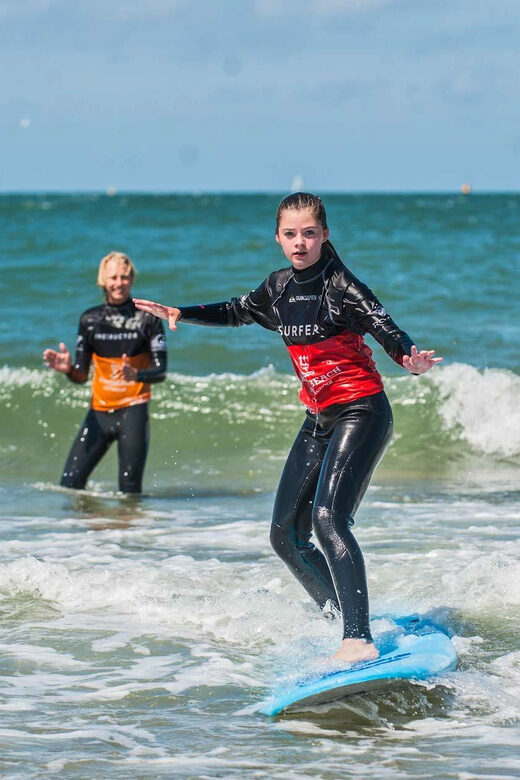
- Small group of 6 or fewer for more coaching per person
- Soft-top boards built for beginners and easy handling
- Wetsuit, cap, and hot showers so you’re not stuck cold and uncomfortable
- Dutch and English instructors for clear safety teaching
- Aim: your first wave with guidance on timing and takeoff
Entering Scheveningen for your first waves
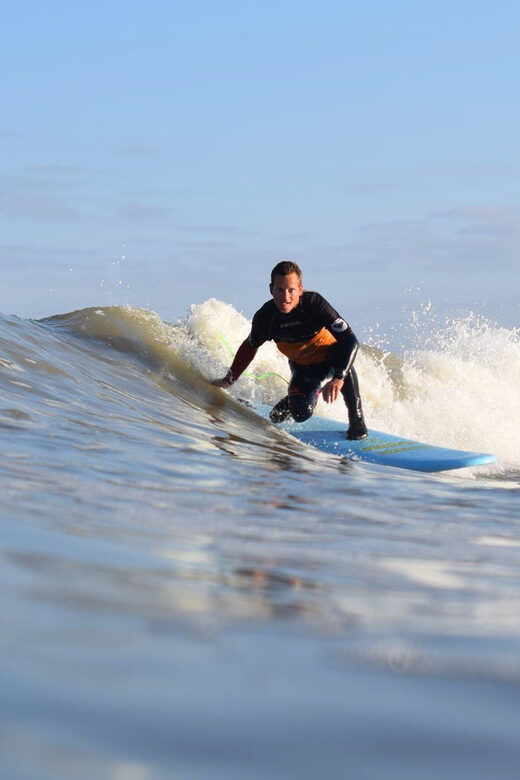
Scheveningen is the beach district of The Hague, and it’s a smart place to learn because the whole experience is built around getting you onto a stable start. You’re coming for a beginner lesson, so the goal isn’t to turn you into a pro by sunset. It’s to help you feel capable quickly: stand up, control the board, and time your takeoff with real instruction.
The lesson is simple in concept and tight in execution. You’ll begin on the beach, move through key technique steps, then get time catching waves. And since the instructors speak both Dutch and English, you can focus on what to do instead of translating every instruction in your head.
A few more The Hague tours and experiences worth a look
Where the lesson meets: Strandweg 3 in Scheveningen
Your meeting point is Strandweg 3, 2586JK Scheveningen, The Hague. Plan to arrive a little early so you’re not rushing your wetsuit and gear setup. That matters more than you’d think, because the clock is short on a 2-hour lesson and the best learning happens before you feel flustered.
Once you’re there, you’ll get your kit and get sorted for the water. This is one of those activities where small delays can affect your practice time, so a calm arrival helps you get the most out of the session.
Price and value: what $47 actually covers
At $47 per person, this lesson isn’t just someone talking at you. It includes the key parts that usually add friction to surf lessons:
- Soft-top surf board
- Warm wetsuit and cap
- Lockers plus hot showers
- Separate changing rooms
- Gloves and boots if needed during the winter months
In other words, you’re not paying extra to figure out what to wear or how to stay warm. The included hot showers and changing rooms are also a quiet win. Surfing makes you cold and salty fast, so being able to rinse and change immediately is part of the experience quality, not an afterthought.
The 2-hour flow: from safety rules to standing up
Here’s how the timing typically feels in a beginner lesson like this, with the structure you’d want for first-timers.
1) Beach briefing and water safety
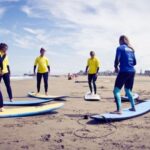
You’ll start on the beach in a small group of 6 students or less. The instructor explains how to stay safe, which is honestly the foundation for everything else. If you understand where to stand, how to handle your board, and what the water rules are, you can learn technique without panic taking over.
They’ll also cover how to safely go out into the water. For many first-timers, that part is the biggest mental hurdle. Once you know the system, the ocean stops feeling random.





2) Learning the basics: surf techniques in manageable steps
Next comes the techniques you actually need as a beginner—how to keep your surfboard under control, how to read the waves, and how to time your takeoff.
The instructor will walk you through multiple technique points, but the best part is that it’s paced for beginners. You’re not expected to do everything at once. You’ll focus on key movements and repeat them, which is what turns theory into muscle memory.
3) Board-up and practice catching waves
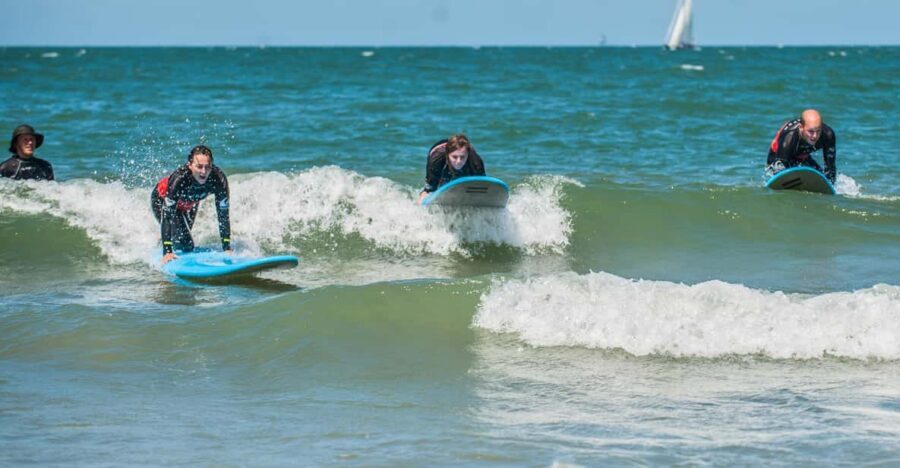
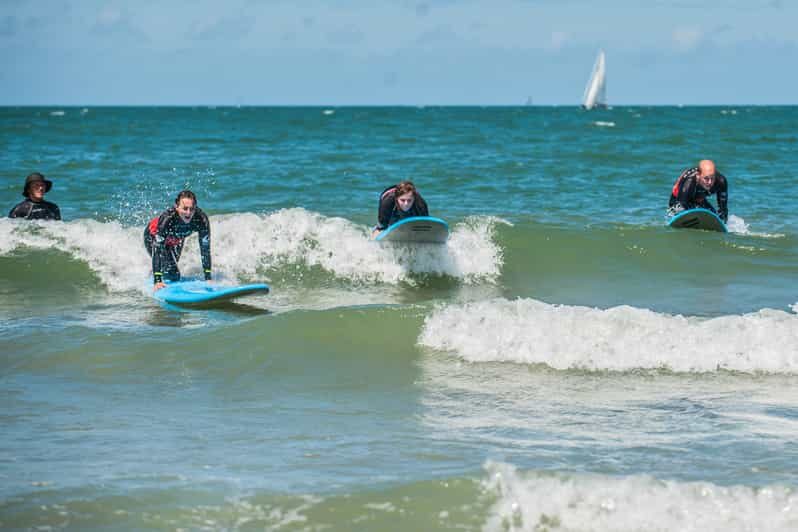
Then it’s time to grab your surfboard and catch some waves. This is the moment you’ll remember: that first time you feel the board respond and realize it’s not as impossible as you thought.
You’ll work on:
- keeping balance as the board moves
- reading the timing of the waves coming in
- getting the takeoff right—especially your moment of commitment
The aim is not perfect surfing. The aim is getting the experience of standing and riding, with feedback that helps you improve during the same session.
What gear they provide (and what you still must bring)
This lesson comes with a lot of comfort items, and that matters in the Netherlands where the ocean can feel chilly.
Included:
- Soft-top surf board
- Warm wetsuit and cap
- Lockers for personal belongings
- Separate changing rooms
- Hot showers after the surf
Winter add-ons:
- Gloves and boots if needed during winter months
Not included, and you’ll need to bring:
- Swimwear
- Towel
Bring the towel even if you think you’ll manage without one. You’ll likely want it for the shower-and-dry transition right after your session.
Small-group instruction: why up to 6 makes a difference
The class is limited to 6 participants, which is exactly the size that supports real coaching. With fewer people, you’re more likely to get correction when you need it, rather than waiting your turn.
Based on how the experience is described in strong feedback, this is also where the lesson stays non-intimidating. A patient coach and clear instruction help you feel comfortable trying again when the first attempt doesn’t work.
If you’re the type who freezes when attention is on you, small-group settings can be a big relief. You get support without the pressure of being the center of every moment.
Instructors: Dutch and English coaching you can actually follow
This surf lesson is led by instructors who speak Dutch and English, and that language mix is a practical advantage. When you understand the safety rules and technique cues clearly, you spend less energy worrying and more energy learning.
You’ll hear instruction on:
- how to stay safe in the water
- how to go out safely
- surf techniques for beginners
- how to time takeoff and catch your first wave
And from the feedback, what people seem to love most is the calm, patient teaching style. That matters because beginners don’t need hype. They need feedback you can use in your next attempt.
The moment you ride: what first-wave success feels like
Catching your first wave is the headline reason to book. But the real value is how the lesson sets you up to succeed enough times to build confidence.
When you get the timing right, it feels like everything clicks:
- you’re stable enough to stand
- the board tracks instead of tumbling
- you’re moving with the wave rather than fighting it
Even if you only manage a few solid rides, the takeaway is huge: you’ll know what to do next time. You’ll leave understanding your balance, your takeoff timing, and how to read waves at a beginner level.
Who this is best for (and who should choose something else)
This is a great fit if:
- you’re an adult beginner and want a structured first lesson
- you want coaching in Dutch and English
- you appreciate safety briefings and clear technique steps
- you like a small group setting
You might want to skip it if:
- you’re younger than 16 (the lesson requires you to be at least 16)
- you don’t want cold-weather prep (you’ll be in the water and will use the wetsuit)
- you want a longer session mainly riding waves with minimal instruction (this is still a beginner lesson, so practice time is shared with teaching and safety)
Should you book this beginner surf lesson in The Hague?
If you want a first taste of surfing without chaos, I’d book it. The best reason is the balance: the lesson focuses on safety, technique, and actually catching waves, all in a tight 2 hours with small-group attention. You also get key comfort perks—wetsuit, board, hot showers, lockers—which makes the whole thing easier to manage than many “bring your own gear” activities.
Book it especially if you’re nervous about trying something new. The teaching approach is set up to keep beginners from feeling out of place. Just remember to bring swimwear and a towel, and show up ready to learn step-by-step.
FAQ
FAQ
How long is the beginner surf lesson in The Hague?
The lesson lasts 2 hours.
Where is the meeting point for the lesson?
Meet at Strandweg 3, 2586JK Scheveningen, The Hague.
How many people are in the group?
The class is small group sized, limited to 6 participants or less.
What languages do the instructors speak?
Instructors speak Dutch and English.
What’s included in the price?
The price includes a soft-top surf board, warm wetsuits and cap, separate changing rooms, hot showers, and lockers. Gloves and boots are included if needed in winter months.
What should I bring with me?
Bring swimwear and a towel.
Is there an age requirement?
Yes. You must be at least 16 years old to take part.
Is free cancellation available?
Yes. You can cancel up to 24 hours in advance for a full refund.