REVIEW · NETHERLANDS
Zeeland Strand safari met visnet NL/DE
Book on GetYourGuide →Operated by www.zeelandguidedtours.nl · Bookable on GetYourGuide
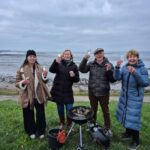
A trawl net turns the beach into a classroom. In Zeeland, you pull a big net through shallow North Sea water and sort the catch on the sand with trawl-net focus, plus magnifying jars and shell IDs. The guide keeps it lively with fun facts about the animals, plants, and shells you run into.
I also love the way the tour stays easy for kids and still satisfying for adults, thanks to guide Mark-style storytelling and answers that don’t brush questions aside. One drawback: it’s a real beach outing, so you should dress for cold wind and wet sand, and it is not suitable for wheelchair users.
In This Review
- Key highlights you’ll feel in the moment
- Zeeland Strand Safari in 2 Hours: What You Do on the Shore
- Where You Meet and Why That Matters at Duinzigt
- The Main Event: Pulling the Big Trawl Net
- Magnifying Jars and Identification Cards: Turning Finds Into Names
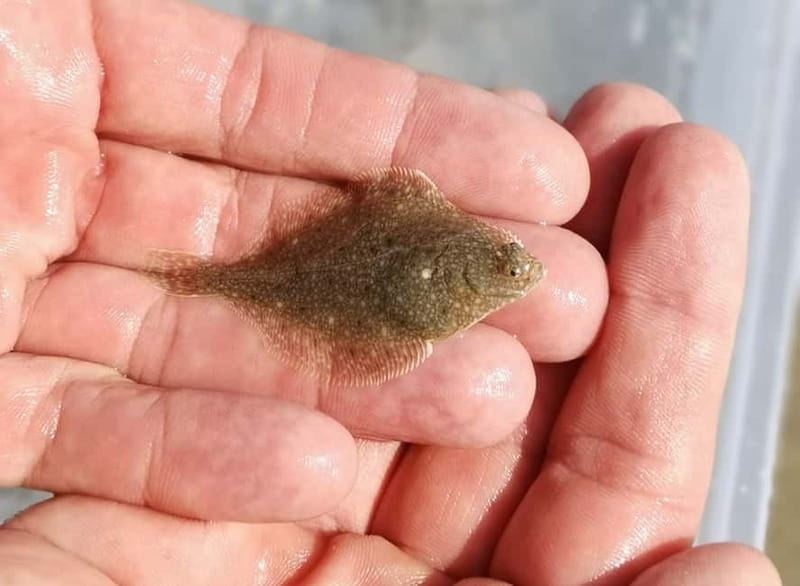
- What You Might See in the North Sea Shallows
- The Guide Makes the Difference: Stories, Humor, and Real Answers
- Price and Value at About $19 for Two Hours
- Who This Safari Is For (and Who It’s Not)
- What to Bring (So You’re Comfortable in Windy Weather)
- Safety and Respect: Shallow Water, Careful Handling
- Bad Weather Plans: What Happens If It Turns
- Should You Book the Zeeland Strand Safari With Visnet NL/DE?
- FAQ
- Where is the meeting point for the Zeeland Strand Safari?
- How long is the tour?
- What does it cost?
- What languages are spoken during the tour?
- What is included in the tour?
- What should I bring?
- Should I dress warmer than I think?
- What animals or items might we see?
- Is the tour suitable for wheelchair users?
- What happens in bad weather?
- Can I cancel for a full refund?
- Can I reserve now and pay later?
Key highlights you’ll feel in the moment
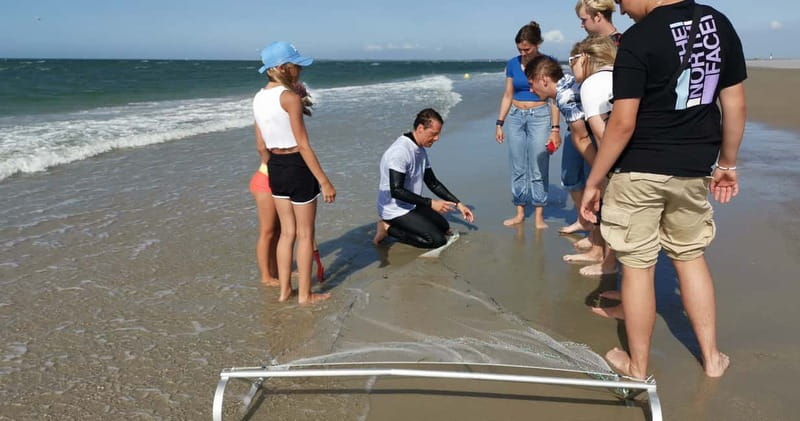
- Hands-on trawl net in shallow water for a North Sea snapshot you can see and touch
- Magnifying jars + identification cards so you learn names, not just shapes
- Entertaining, question-friendly guiding with humor and patience for young and old
- Tide-pool logic meets beach walking as you follow what the shoreline life is doing
- Strong safety + respect rules to keep things safe and the marine life treated carefully
Zeeland Strand Safari in 2 Hours: What You Do on the Shore
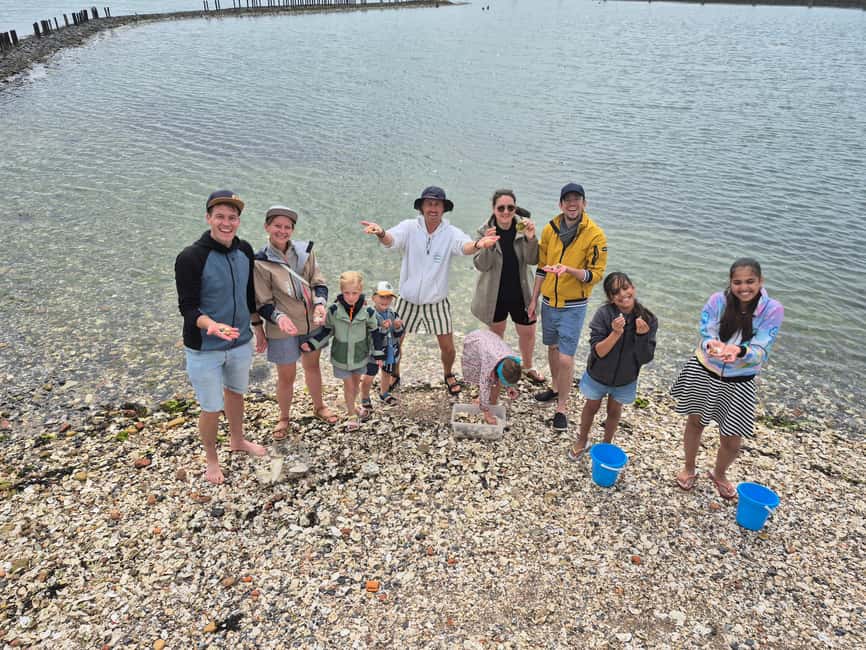
This is the kind of outing that turns a normal beach walk into something you can actually explain afterward. Over about two hours, you move along the coastline with a large trawl net, then pause to examine what you’ve collected.
The tour is built around interaction. You’re not watching a presentation from a bench. You’re helping with the catch, looking closely, and learning what you’re seeing in plain, practical terms.
And yes, you’ll still get beach time. You’re outside the whole way, so it’s equal parts activity and reset.
You can also read our reviews of more tours and experiences in Netherlands.


Where You Meet and Why That Matters at Duinzigt
You meet in front of the entrance of restaurant Duinzigt, at the roundabout. It sounds small, but meeting-point clarity saves time and stress, especially if you’re traveling with kids or trying to match weather windows.
The tour runs in German and Dutch, so you’ll want to pick a departure time that matches the language you prefer. When the guide can answer quickly in your language, the whole experience clicks faster.
Also, plan to arrive a little early. Even on a short tour, it helps to get your towel and change clothes ready without rushing.
The Main Event: Pulling the Big Trawl Net
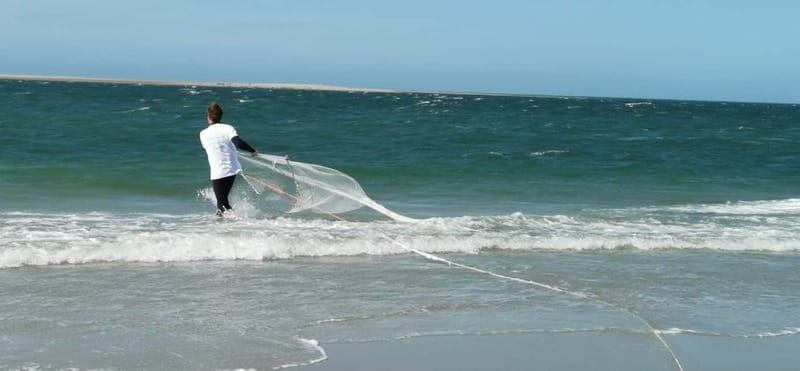
The core activity is the big trawl net drag through the shallow waters along the coastline. The idea is simple: the net scoops up a slice of what’s living near the shore, where currents and tides bring food and create shelter.
In a short span of time, you get a hands-on look at the underwater world without needing snorkeling gear or special training. And because it’s shallow, it stays focused on accessibility and safety rather than risky surf conditions.
You’ll also learn fast why the shoreline matters. Many animals hang out close to the coast because it’s calmer, food is nearby, and there’s plenty to hide under rocks and in sand.
Magnifying Jars and Identification Cards: Turning Finds Into Names
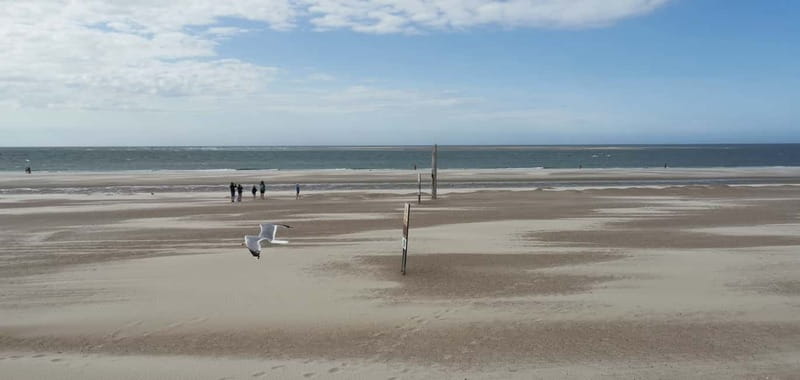
The tour doesn’t stop at catch-and-release excitement. You get magnifying jars for close looks, plus identification cards so you can match what you find to real species.
That pairing is what makes this feel educational in a way that sticks. A kid sees a shape, peers closer, and then the card gives you the name. Adults get a similar payoff: you’re not guessing, you’re labeling.
This part is also where the guide’s teaching style matters. A good guide doesn’t just read off facts. They point out traits you can actually notice on the sand.
What You Might See in the North Sea Shallows
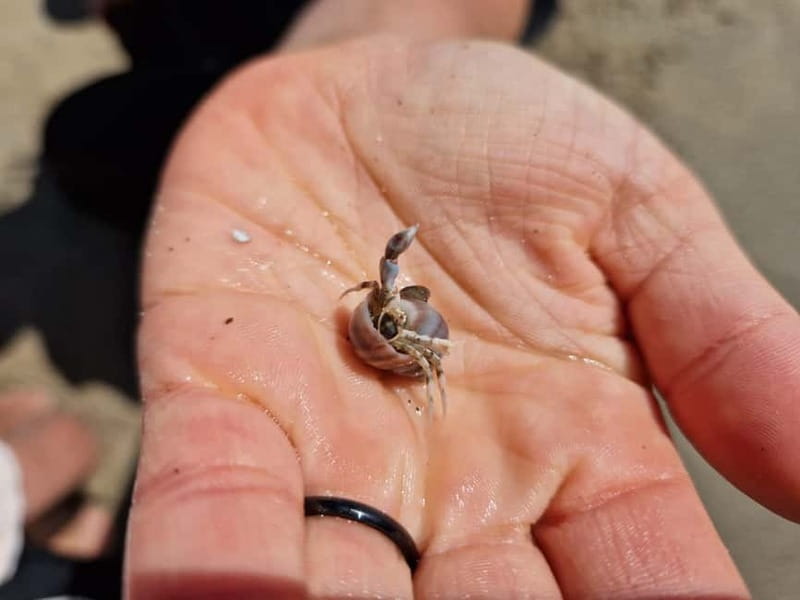
The North Sea has plenty of life that’s easy to miss if you’re only scanning for shells. This safari is designed to put those hidden bits in your hand.
Here are the types of wildlife and finds the guide may help you identify:
- Starfish, in different shapes and sizes
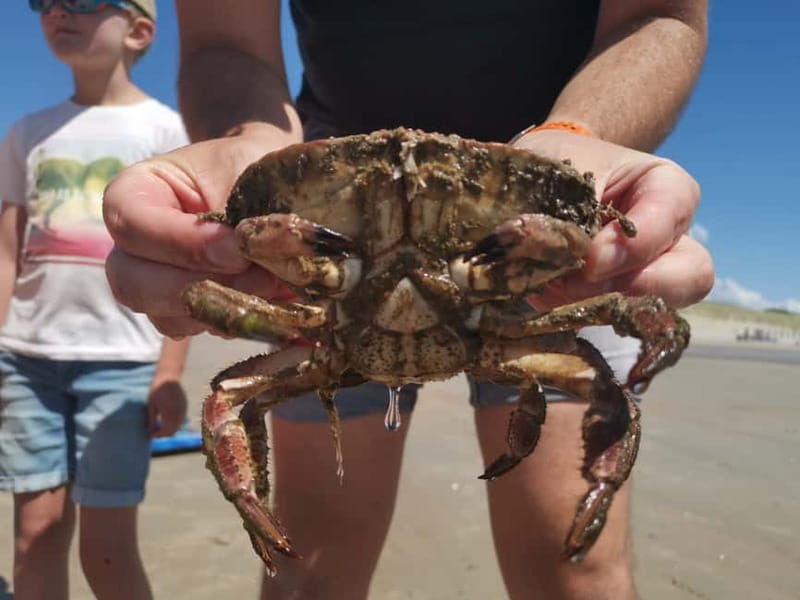
- Crabs, including smaller shore crabs and larger North Sea types
- Shrimps, often tucked under rocks or in sandy areas
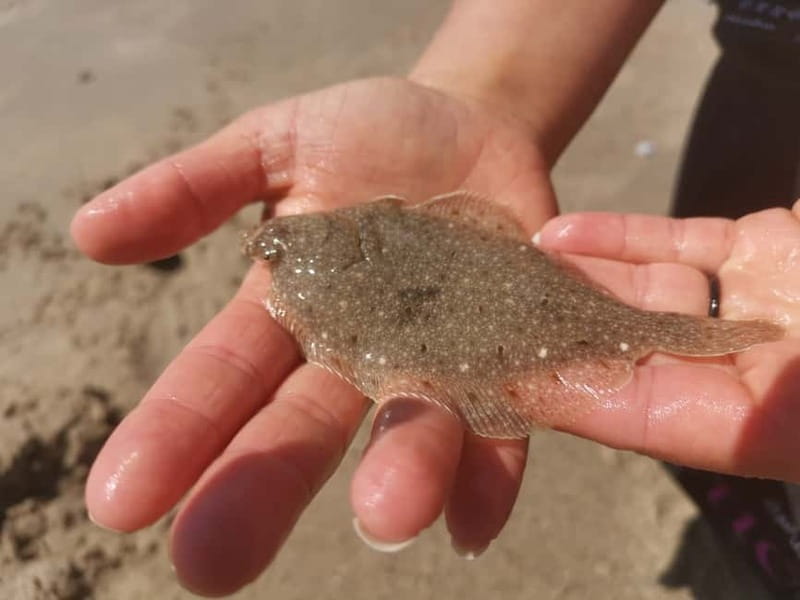
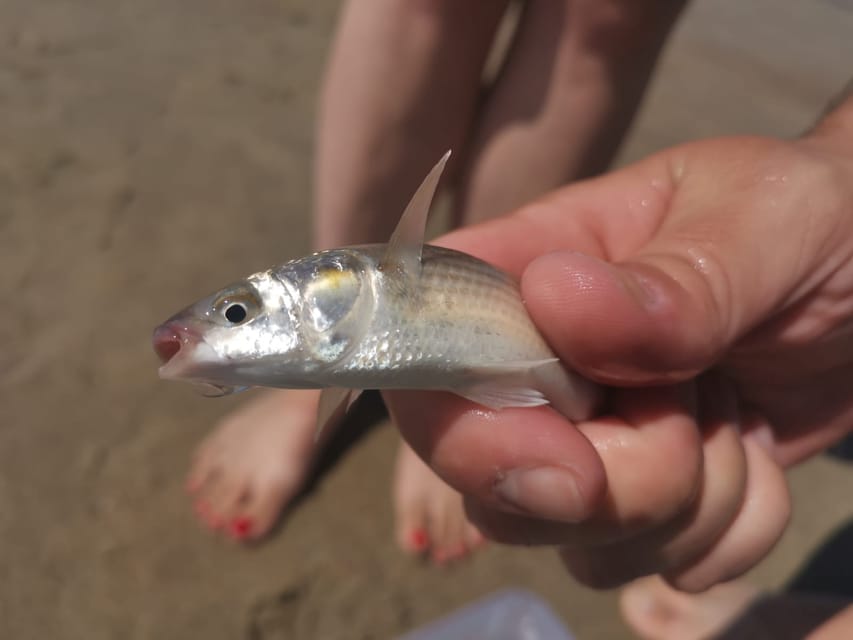
- Fish, such as small shore-living species like sand eels
- Shells washed up on the beach, ready for identification
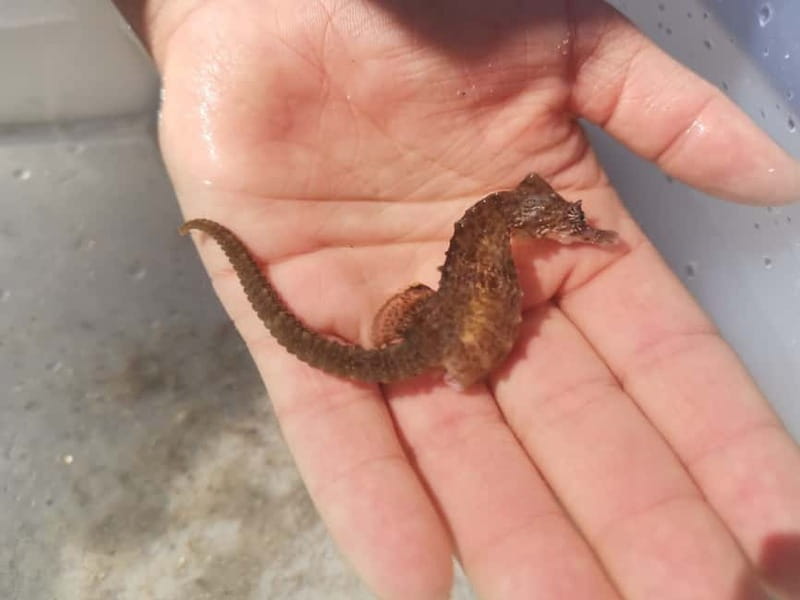
- Possible extras like seahorses, cuttlefish, jellyfish, and even seals
Some of this is seasonal or luck-based, so don’t expect every item on the list every time. But the tour’s structure means you’ll still have plenty to sort and talk about even if your catch is modest.





The Guide Makes the Difference: Stories, Humor, and Real Answers
The best part of this safari isn’t just the net. It’s how the guide connects the finds to everyday explanations.
The tour includes fun facts that make you see animals differently. You might hear about how starfish can regenerate a lost arm, or why crabs walk sideways based on how their legs are built.
You’ll also get details that feel nerdy in the best way:
- how to tell the difference between a common seal and a grey seal
- how to spot male crab traits
Guide Mark comes up in the reviews as the person who can juggle that mix: humor for kids, and still-serious attention to sea-related safety. One family loved how he kept kids engaged by making contact in a playful way, while still getting adults to hop into the net activity instead of hanging back.
And if you’re lucky, you may even see the tour’s conservation-minded side up close. One guest shared a moment involving sepia/cuttlefish eggs found near the end, followed by an extra step to help release them in an area known for seaweed that small sepia need. That’s not something I’d count on every time, but it shows the guide’s attitude: handle finds with care, and think beyond the photo.
Price and Value at About $19 for Two Hours
At about $19 per person for two hours, you’re paying for a few things that matter on a beach outing: a live guide, teaching materials (magnifying jars and identification cards), and access to the larger trawl-net setup.
What you’re not paying for is also part of the value. You don’t need special equipment beyond what the tour asks you to bring, and you’re not buying a complicated excursion with transport changes and long day schedules.
Is it the cheapest thing in Zeeland? Probably not if you’re comparing it to a free beach walk. But if you want hands-on learning, this is strong value. You get structure, guidance, and real interpretation instead of wandering and hoping you spot something interesting.
Who This Safari Is For (and Who It’s Not)
This is set up for young and old, and that balance shows in how the activity is described: hands-on, visual, and full of guide stories that can be simple or detailed depending on the question.
It’s a great fit if:
- you want a family-friendly activity that doesn’t feel like a lecture
- you like nature basics with immediate, practical examples
- you’re in Zeeland for a short stay and want one memorable outdoor event
It may not be the best fit if:
- you need wheelchair access (it is stated as not suitable)
- you strongly dislike wet sand or getting in shallow water, even though the tour stays within safer shoreline areas
If you’re traveling with kids who get bored easily, this kind of “find, look closer, match a name” rhythm is usually a win.
What to Bring (So You’re Comfortable in Windy Weather)
Even in summer, the beach can feel cooler than you expect. The tour specifically warns that it can be colder, so dress like it’s a bit brisker than inland.
Bring:
- towel
- swimwear
- change of clothes
- extra warmer clothing for the beach
This isn’t just for comfort. It changes how much you enjoy the tour. If you’re chilly, you’ll focus on warming up instead of learning. If you’re dry and comfortable, you’ll pay attention to the tiny shells and small creatures the guide helps you spot.
Safety and Respect: Shallow Water, Careful Handling
Safety is part of the tour design. You stay in shallow water and the activity avoids strong currents. That means the experience stays focused on learning and collecting without turning into a risky situation.
The tour also emphasizes respect for nature. Animals and plants are handled carefully, and finds are returned to their natural environment after observation. That’s important if you’re bringing children, because it teaches good habits along with the biology.
In practice, that respect creates a calmer tour tone. You’re encouraged to examine closely, not just grab whatever you can.
Bad Weather Plans: What Happens If It Turns
Because this is an outdoor sand-and-shallows activity, weather matters. The tour notes that in bad weather, it may be canceled or moved to a forest/dune safari instead.
This is worth considering when you’re planning your day. If you can keep some flexibility, you’ll likely have an easier time making the tour work.
Also, pack warmer layers even if the forecast looks fine. Beaches have their own weather, and wind has a way of finding the gaps in your outfit.
Should You Book the Zeeland Strand Safari With Visnet NL/DE?
Book it if you want a hands-on, two-hour nature activity that actually teaches you what you’re looking at. The mix of trawl net, magnifying jars, and identification cards turns a quick shoreline stroll into something you’ll remember.
Skip it if you need wheelchair-friendly access, or if you know you won’t enjoy any chance of wet conditions at the beach. And if your goal is a long, luxury-style sightseeing day, this isn’t that. This is focused, active, and grounded in the reality of beach life.
If you’re staying in Zeeland and want one good dose of North Sea nature without overplanning, this is a smart pick for families, couples, and curious solo travelers.
FAQ
Where is the meeting point for the Zeeland Strand Safari?
You meet in front of the entrance of restaurant Duinzigt at the roundabout.
How long is the tour?
The tour lasts 2 hours.
What does it cost?
The price is $19 per person.
What languages are spoken during the tour?
The live tour guide speaks German and Dutch.
What is included in the tour?
It includes loop jars/search cards, and you help with the big trawl net to discover marine life.
What should I bring?
Bring a towel, swimwear, and a change of clothes.
Should I dress warmer than I think?
Yes. It can be colder on the beach, so bring extra warmer clothing.
What animals or items might we see?
You might encounter starfish, crabs, shrimps, small fish (like sand eels), shells, and possibly other marine life such as jellyfish, cuttlefish, seahorses, and seals.
Is the tour suitable for wheelchair users?
No, it is not suitable for wheelchair users.
What happens in bad weather?
With bad weather, the tour can be canceled or transferred to the forest/dune safari.
Can I cancel for a full refund?
Yes. You can cancel up to 24 hours in advance for a full refund.
Can I reserve now and pay later?
Yes. You can reserve now and pay later, paying nothing today.