REVIEW · NETHERLANDS
e-Scavenger hunt Goes: Explore the city at your own pace
Book on Viator →Operated by Qula · Bookable on Viator
Goes looks different when you treat it like a hunt, not a checklist. This e-scavenger hunt gives you an on-your-phone walk with built-in stops around town, including the Stadshaven of Goes and the grand Maria Magdalena Church area.
I especially like the freedom to control the timing. You can start and pause whenever it suits you, which is great when you’re stopping for coffee, errands, or photo breaks.
The main drawback to factor in is tech risk. If the app has trouble with GPS or translation for your device, the game can feel more frustrating than fun, and that makes the value depend on your phone’s reliability.
In This Review
- Quick Highlights Before You Go
- How the e-Scavenger Hunt Works From Stationsplein
- Stops That Explain Goes, Not Just Pass Through It
- Stadshaven of Goes: Harbor to Marina, a Built-In Welcome
- Maria Magdalena Church Area and the Castle-Shadow Building
- De Bevelanden Museum in a Former Monastery
- City Hall of Goes: Watch for the Phases
- Zusterstraat 13: Orphanage Complex, Black Sisters, and a Courtyard Gate
- The Old Man’s House With Garden and the National Monument Feel
- Podium ’t Beest and the Tuesday Grote Markt
- Price and Value: $37.29 for Up to Six People
- Tech Reality: GPS, Translation, and Battery Tips
- Accessibility and Comfort on the Walk
- Who This e-Scavenger Hunt in Goes Is Best For
- Should You Book This e-Scavenger Hunt in Goes?
- FAQ
- How long does the e-scavenger hunt take?
- Where does the hunt start and end?
- What’s the price for this experience?
- Is this a private experience?
- What language is the game offered in?
- What do I need to play the game?
- Can I start and pause the game whenever I want?
- Is it near public transportation and accessible?
Quick Highlights Before You Go
- Self-paced route: Start, pause, and keep going on your schedule.
- One fee for up to six: Better value if you share the group price.
- Top sights in a smart order: You’ll cover major landmarks without overplanning.
- Family-friendly pacing: A format that works well for kids and grown-ups with different interests.
- Stays central: You’re walking through key parts of Goes (including Grote Markt on Tuesdays).
- Built for your phone: The hunt runs through an online app, so your device is the tool.
How the e-Scavenger Hunt Works From Stationsplein
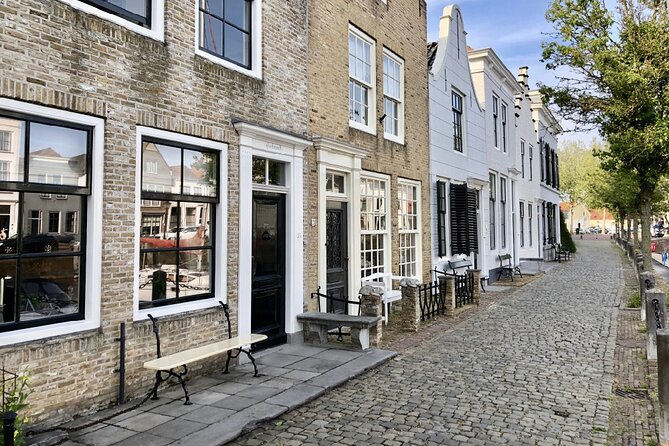
This is a private e-scavenger hunt in Goes, designed for you and your group only. You’ll begin at Stationsplein (4461 Goes) and return there at the end, so you’re not stuck figuring out how to get back from a random far corner of town.
The big practical win is that it’s a city walk controlled by the game, not by a fixed tour time. I like experiences where you can slow down when you want, speed up when you don’t, and stop the hunt if you need to grab water or step into a quiet street. The format is flexible enough that 2 hours can feel like enough, while 4 hours gives you breathing room.
The duration is listed as about 2 to 4 hours, so plan it like a half-day activity. If you’re pairing it with other sights, do the hunt first, then use the leftover time to revisit anything that caught your eye.
You can also read our reviews of more tours and experiences in Netherlands.



Stops That Explain Goes, Not Just Pass Through It
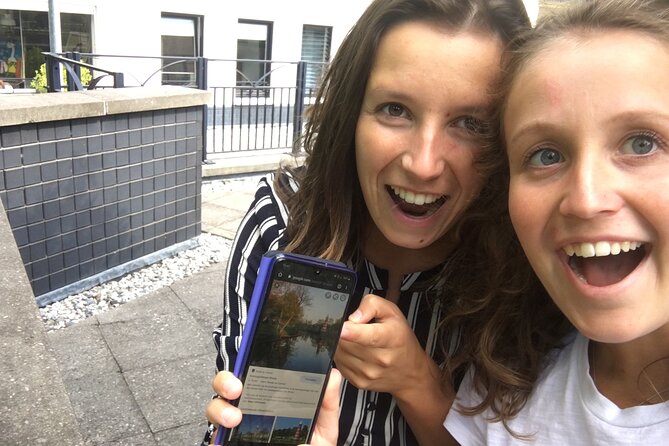
What makes this hunt more than a casual stroll is that each stop is a prompt, so you’re paying attention instead of drifting. You’re guided to a set of meaningful locations that tell the story of Goes through architecture, institutions, and daily life.
You’ll also get a tour-style overview of the town’s attractions without needing a printed map or a group leader calling out directions. For a place like Goes, where the best moments often happen when you slow down, that matters.
Also, since the game is in English, you don’t have to work around language barriers to follow what you’re doing. That’s a real value point if you’re visiting with friends or family who don’t speak Dutch.
Stadshaven of Goes: Harbor to Marina, a Built-In Welcome

The first landmark you’ll focus on is the Stadshaven of Goes. The description frames it as the former harbor of Goes, now used as a marina, which is a nice way to get your bearings. It reminds you that water shaped the town’s life, and it gives you a sense of direction when you start moving into the center.
When the game pulls your attention to this shift—from old harbor to working marina—it turns a simple waterfront view into context. Even if you’re not a history buff, the idea is easy: you’re walking through a city that used to live off trade and access, and now it lives off activity and location.
If you’re the type who likes photos, this is a smart early stop. Waterfront scenes tend to look good in different weather and at different light angles, and you’ll likely have more energy at the start of the walk.
Maria Magdalena Church Area and the Castle-Shadow Building
Right in the center of Goes, you’ll encounter a stately building described as standing in the shadow of the Maria Magdalena Church—and yes, it was a castle. That single detail changes how you see what’s around it. Instead of treating the area like just another church square, you notice scale, form, and how the town arranged power near worship.
The church story is what really adds depth. The site had a parish church dedicated to Saint Mary Magdalene as early as the twelfth century. It went through many extensions, burned down in 1618, and then rose again in all its glory. That is the kind of “why does this place look like this?” explanation that makes a walk feel worth the time.
Practical tip: this stop is a strong choice to do when you have enough patience to look slowly. The hunt will keep moving you, but you’ll enjoy it more if you pause for a minute and take in the surroundings, not just the answer you’re seeking.
De Bevelanden Museum in a Former Monastery
One of the stops is the Historical Museum De Bevelanden, focused on the history of North and Zuud-Beveland. The key detail here is that the museum is located in a former monastery.
That matters because monastery buildings often come with a different feel than typical museum spaces. Even without going deep into exhibits, you’re stepping into an environment that was designed for community rules and routines. For the hunt, it gives you an anchor point: you’re not only moving through streets, you’re passing through the kinds of institutions that shaped daily life.
If you like museums but don’t want a full museum afternoon, this is a good compromise. The e-scavenger format can help you connect the building itself with what you’re seeing in the city, so you come away with clearer context than a quick photo stop would provide.






City Hall of Goes: Watch for the Phases
Next up is the City Hall of Goes. It’s described as a large complex completed in several phases. When a building is built in phases, you can often spot differences in style, size, or layout, and that helps you read the place instead of treating it as one uniform facade.
In my book, “completed in several phases” is an invitation to slow down and look at the edges. The hunt uses that idea to keep you attentive, and attention is the main ingredient for getting more out of a self-guided experience.
If you’re walking with kids or companions who get bored easily, this stop is useful because it’s visually specific. Big civic buildings usually hold attention, and the idea of phased construction gives you a simple question to think about as you move.
Zusterstraat 13: Orphanage Complex, Black Sisters, and a Courtyard Gate
The former orphanage complex at Zusterstraat 13 is one of the more intriguing stops on the walk. The description emphasizes several two-storey buildings around a courtyard, accessible through a 17th-century gate.
It also connects the complex back to its roots: founded in the 15th century as the Monastery of St. Agnes of the Black Sisters. That’s a lot of identity packed into one address, and it helps you understand why the area has a closed-in layout. Courtyards and gates usually exist for a reason: they shape movement, privacy, and how people interacted.
If you want an authentic-feeling city moment, this is it. These kinds of complexes tend to be quieter and less “touristy,” even when they’re central. Take your time at the gate and courtyard approach, because that’s where the architectural logic makes itself obvious.
The Old Man’s House With Garden and the National Monument Feel
Another stop brings you to the old man’s house with garden behind it on Zusterstraat, described as a national monument. Even with no extra explanation, the phrase old man’s house signals what kind of social purpose the building once served. That kind of detail helps you see the city as a place that organized care, not just commerce or government.
What you’ll likely enjoy most here is the contrast. You’re moving through a walk that includes civic buildings and religious sites, then you land on a monument tied to everyday social support. It adds a human layer to the route without turning it into a heavy lesson.
If you’re a photo person, the garden behind it is worth keeping in mind. You may not have full access, but knowing there’s a garden component can help you frame what you’re seeing rather than treating it like another street corner.
Podium ’t Beest and the Tuesday Grote Markt
Podium ’t Beest is a stage for music, theater, and film in Goes, and it also notes special children’s films and children’s theatre. This stop is a nice reminder that a city walk doesn’t only mean museums and monuments. It also includes the creative life of a town—what people attend, watch, and do together.
Then there’s Tuesday. On Tuesdays, the market vendors display their wares across the heart of Goes, spread over the Grote Markt. If your visit lines up with a Tuesday, this is the one day where your hunt can turn into something more than gameplay: you can smell food, see produce, and enjoy the street-level energy that markets naturally bring.
Because your hunt is self-paced, you can slow down at the market without breaking the experience. That flexibility is a real advantage compared to a rigid guided walk.
Price and Value: $37.29 for Up to Six People
The price is listed at $37.29 per group (up to 6 people). For a self-guided format, value depends on whether you’re sharing.
If you’re a solo traveler, it may feel like a lot for what is essentially a phone-led walk. But if you’re two, three, or a full group, the per-person cost drops quickly, and then the price looks more reasonable for a structured experience that covers several major stops.
What you’re actually paying for:
- an online app to play the game on your phone
- a guided city walk concept that ties together top attractions
What you are not paying for:
- smartphone use and data
So the financial reality is simple. The more you rely on your own device and data plan, the smoother the experience tends to feel, and the better the overall value makes sense.
Tech Reality: GPS, Translation, and Battery Tips
One issue you should plan for is app performance. The experience description is straightforward, but a past participant flagged problems with GPS and translation quirks that made the game less smooth. I can’t predict how your phone will behave, but I can tell you how to reduce the chances of wasted time.
Do this before you start walking:
- Confirm your phone’s location/GPS is enabled.
- Make sure you have enough battery for a 2 to 4 hour outing.
- Have stable connectivity if you’re depending on the app fully.
Also, because the hunt is in English, you’ll want your app settings to match. If anything looks off, pause and restart rather than pushing through if the clues stop making sense. Self-guided tours can be forgiving, but only when the app stays responsive.
If your device is old or your reception is weak, keep expectations realistic. In that case, treat the hunt as a clever walking framework, not a guaranteed flawless navigation system.
Accessibility and Comfort on the Walk
This is listed as user friendly for the hearing impaired. Service animals are allowed, and it’s near public transportation. “Most travelers can participate” suggests the format isn’t overly technical or restricted to one specific type of visitor.
I like that this kind of activity can fit different needs because it’s self-paced. If someone in your group needs breaks, you can stop and continue without waiting on a schedule.
Still, it is a walking experience. Wear comfortable shoes and plan for typical city walking time, since the hunt covers multiple stops across town.
Who This e-Scavenger Hunt in Goes Is Best For
This hunt fits best if you want:
- a structured walk with freedom
- a simple way to cover top sights without a guide
- something that works for couples, friends, or families in one group
It’s especially good for people who enjoy small challenges while walking, like answering prompts and noticing details they’d normally miss. If you like history and architecture, stops like the Maria Magdalena Church area and the De Bevelanden Museum in a former monastery add meaningful context.
If you’re someone who hates phone-based activities or you know your GPS is unreliable, you might find this less satisfying. In that case, you may want a backup plan: flexible wandering time so you still enjoy the town even if the game gets glitchy.
Should You Book This e-Scavenger Hunt in Goes?
I’d book it if you’re traveling with a group (so the up to six-person price works in your favor) and you’re happy using your phone for the main interface. The self-paced design is the selling point, and the route hits a strong mix: former harbor/marina, a major church and castle-linked building area, museum in a former monastery, civic architecture, and daily-life moments like Podium ’t Beest and the Tuesday Grote Markt.
I wouldn’t rush into it if you need perfect navigation or if your phone often struggles with GPS. The hunt can lose some fun if the tech doesn’t behave.
If you like your days to feel like you discovered the town yourself, this is a smart way to do it in Goes. Just make sure your device is ready, then let the city guide you through the clues.
FAQ
How long does the e-scavenger hunt take?
It’s listed as about 2 to 4 hours.
Where does the hunt start and end?
You start at Stationsplein, 4461 Goes, Netherlands, and the activity ends back at the meeting point.
What’s the price for this experience?
The price is $37.29 per group, up to 6 people.
Is this a private experience?
Yes, it’s a private tour or activity, and only your group participates.
What language is the game offered in?
It’s offered in English.
What do I need to play the game?
You’ll use your smartphone to play. The listing also says smartphone and data are not included.
Can I start and pause the game whenever I want?
Yes. The highlights specify that you can start and pause the game whenever it suits you.
Is it near public transportation and accessible?
It’s near public transportation, service animals are allowed, and it’s listed as user friendly for the hearing impaired.