REVIEW · NETHERLANDS
Zeeland Zeehonden strand safari NL/DE
Book on GetYourGuide →Operated by www.zeelandguidedtours.nl · Bookable on GetYourGuide
Seals, crabs, and a trawl net on the sand. This Zeeland Zeehonden strand safari is a 2-hour guided walk on the North Sea shore where you hunt for marine life with tools, then learn how everything fits together. Two things I especially like: hands-on searching with a trawl net or crab rod, and guided seal spotting with binoculars plus smart, kid-friendly facts.
One possible drawback to keep in mind: the price is the same for everyone, including small children, which may feel a bit steep if you’re traveling with toddlers.
Still, the tour is built for all ages. You move at a relaxed beach-walk pace, you get time to look closely with magnifying jars, and the guide keeps the stories coming in Dutch or German.
In This Review
- Key things that make this safari work so well
- Zeeland Zeehonden strand safari: the simple idea that feels surprisingly effective
- Your starting point at Beachbar Atlantis (and how to plan your timing)
- What you bring: the packing list that actually matters on the sand
- Seal watching with binoculars: spotting an animal that won’t pose for you
- The beach search tools: trawl net vs crab rods by season
- Summer edition: trawl net through shallow water
- Spring/autumn edition: crab rods for the biggest catch
- Magnifying jars and identification cards: turning finds into named species
- The fun facts you’ll remember: small science, explained fast
- It stays safe and respectful on the shoreline
- Weather reality: when the sand changes plans
- Price and value: is $19 per person fair for 2 hours?
- Who this tour is best for (and who might prefer something else)
- Should you book the Zeeland Zeehonden strand safari?
- FAQ
- How long is the Zeeland Zeehonden strand safari?
- Where do we meet?
- How much does it cost?
- What languages does the guide speak?
- Do we go into the water?
- What should I bring?
Key things that make this safari work so well
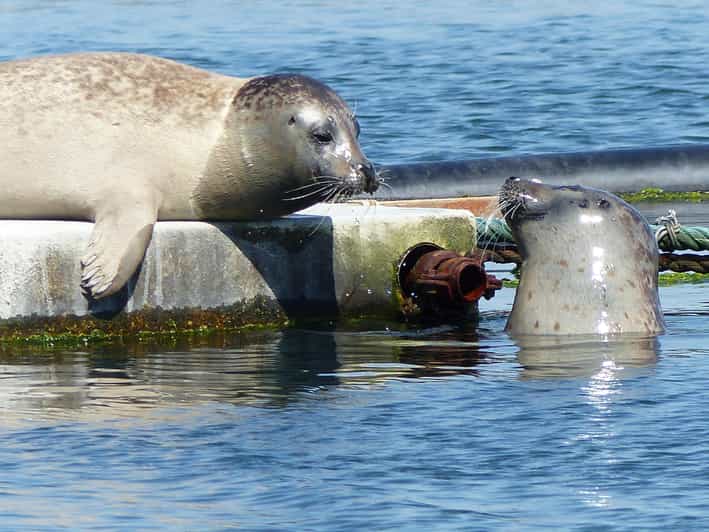
- Seal watching with binoculars so you can actually pick them out on the shoreline
- Trawl net in summer, crab rods in spring/autumn for different seasonal beach finds
- Magnifying jars and identification cards that turn random shells into species you can name
- A guide who mixes safety with fun facts you can repeat later at dinner
- A respectful approach to wildlife: observe carefully and return finds to where they belong
Zeeland Zeehonden strand safari: the simple idea that feels surprisingly effective
This is the kind of activity that sounds small until you’re on the beach doing it. You start with a guided stroll along the shoreline, and then you switch gears: you’re not only looking, you’re searching. That’s what makes the two hours feel full.
The tour focuses on two zones at once. First, you watch for seals and learn how to read the coastline and the animal behavior. Second, you investigate what lives in the shallows and along the wrack line, where shells and tiny creatures show up after the tide.
You’ll also see how the North Sea doesn’t behave like a sterile aquarium. It’s messy in the best way: sand, seaweed, shell bits, and pockets of life all close by. With the guide’s tools and cues, you start noticing patterns fast—where to look, what to expect, and what terms actually mean in real life.
You can also read our reviews of more tours and experiences in Netherlands.


Your starting point at Beachbar Atlantis (and how to plan your timing)
You meet in front of Beachbar Atlantis, using Google Maps for the easiest match: Beachbar Atlantis. Parking is in Parking Beach Neeltje Jans, and it’s free. Plan on about a 10-minute walk from the parking area to the meeting point.
For a smooth start, arrive with time to settle in. The tour is 2 hours, so you don’t want to spend the first 15 minutes figuring out where you are. Also, the beach runs cold. Even when the rest of Zeeland feels pleasant, the wind off the North Sea can bite.
If you’re used to museum-style nature learning, this is more active. You’ll be moving through shallow areas and scanning constantly—so give yourself the mental space to slow down. It’s less about speed, more about attention.
What you bring: the packing list that actually matters on the sand
The tour asks for practical beach gear. Here’s what I’d treat as non-negotiable, based on the guidance you’re given:
- Warm clothing (the beach is colder than you think)
- Swimwear and a change of clothes (especially important in July and August)
- Towel
- Camera
- Sunscreen, plus biodegradable sunscreen
- Beachwear you don’t mind getting sandy
- Cash (listed as useful to have)
- Binoculars (it’s also part of the experience for seal watching, so having your own can help if you’re picky about comfort)
A small but smart tip: if you’re traveling with kids, bring layers you can remove and add quickly. Beach walks and net/crab searching can heat you up, then the wind cools you down.
Seal watching with binoculars: spotting an animal that won’t pose for you
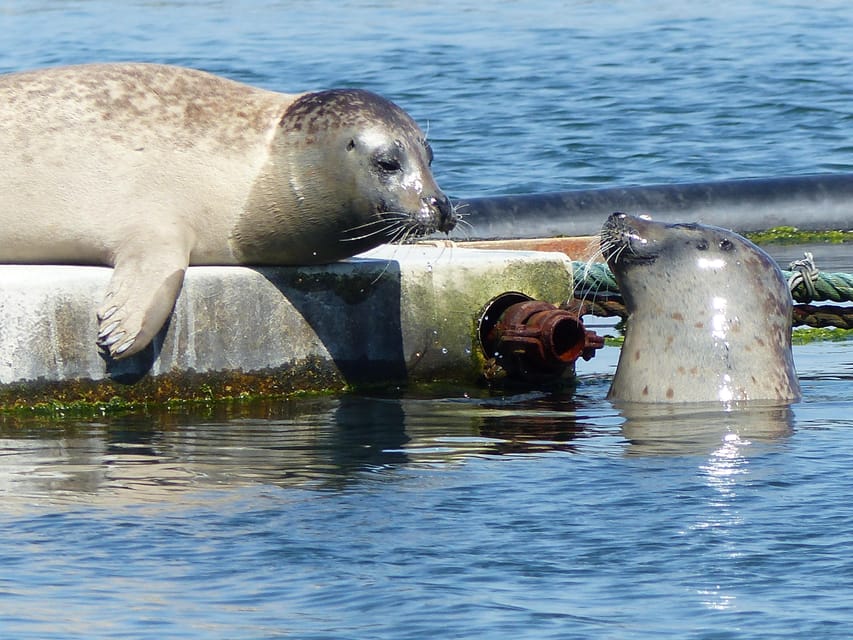
Seals can be tricky to see. That’s why binoculars matter here. You don’t just get told seals exist—you get the chance to look properly.
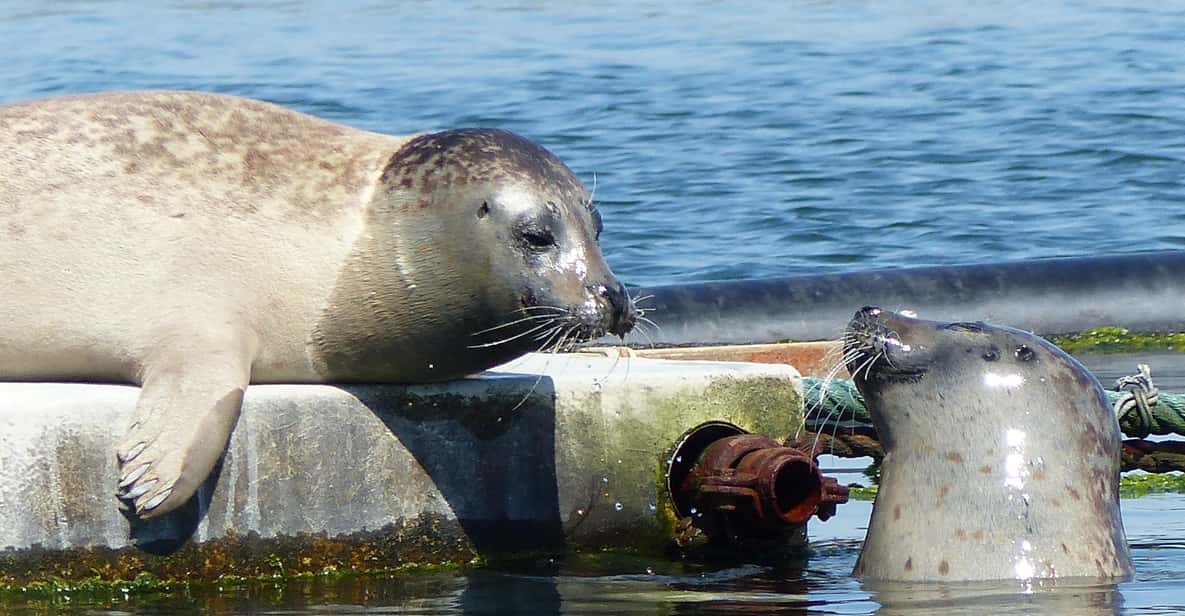
During the safari, the guide helps you work the view: where to scan, what movement looks like, and how to stay patient without losing the fun. You’ll also get animal facts as you watch. One of the standout themes in the tour style is clear, simple explanation—things you can actually use when you’re not on the tour.
You may learn ways to tell apart types of seals, including the difference between common seal and grey seal, plus how to identify details like male crab features. It’s the kind of info that turns a quick sighting into a real moment of recognition.
And yes, you get entertainment from the guide. In one recent experience, the guide Mark was praised for keeping both kids and adults engaged while still making the information easy to follow. That combo—fun plus clarity—is what makes seal spotting feel worth your time.
The beach search tools: trawl net vs crab rods by season
This is where the safari really differentiates itself. The tour isn’t locked into one method.




Summer edition: trawl net through shallow water
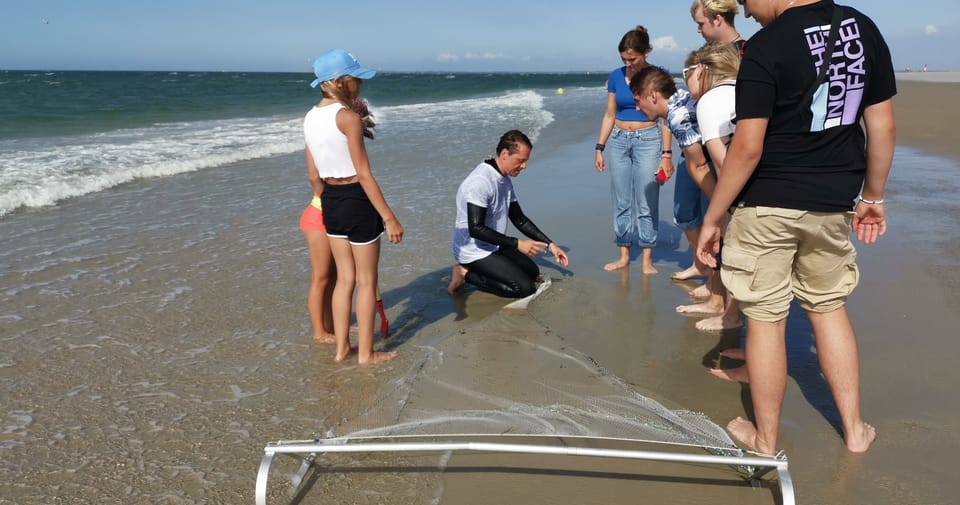
During the summer edition, you use a large trawl net to trawl along the shallow waters near the coast. The idea is simple: the net helps you capture and observe marine life that you’d never notice from dry sand alone.
It also creates a clear “wow” moment. You see that the coast isn’t empty. Life is right there, just out of sight. When the guide handles the process and explains what you’re likely to find, it becomes a mini lesson in how shore ecosystems work.
The guidance notes that during July and August it’s allowed to go in the water with the guide. If you’re going in, swim clothes help you feel comfortable instead of soaked in the wrong spot.
Spring/autumn edition: crab rods for the biggest catch
In spring and autumn, the tour swaps to crab rods. The focus shifts from broad “net scooping” to a more playful challenge: search for the biggest crab.
This changes the energy of the group. Kids often love it because it feels like a game with a purpose. Adults love it because you get immediate feedback—something either responds or it doesn’t—so you learn by doing.
And a big practical reassurance: one review highlighted that the crab fishing was fun and that no crab was harmed. That matters, because you’re not there to collect specimens. You’re there to look, learn, and keep the ecosystem intact.
Magnifying jars and identification cards: turning finds into named species
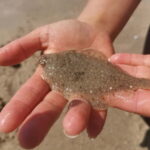
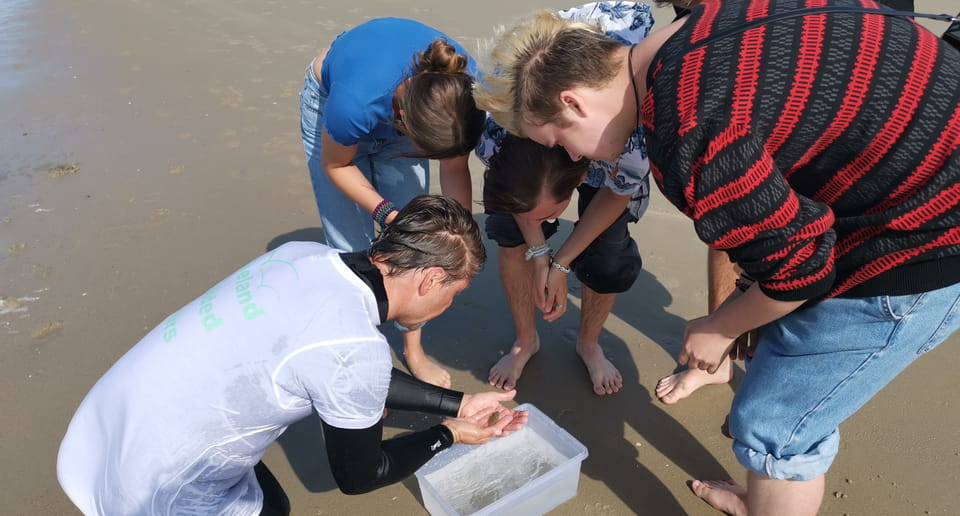
The safari gives you loop jars / magnifying jars and search cards / identification cards. This part is underrated. It turns a handful of shells and small creatures into a learning tool.
Instead of guessing what something is, you get cues for recognizing it. That means you can go home and say something more specific than “we found shells.” You’ll learn to connect what you see to what’s actually living there.
You’ll likely examine:
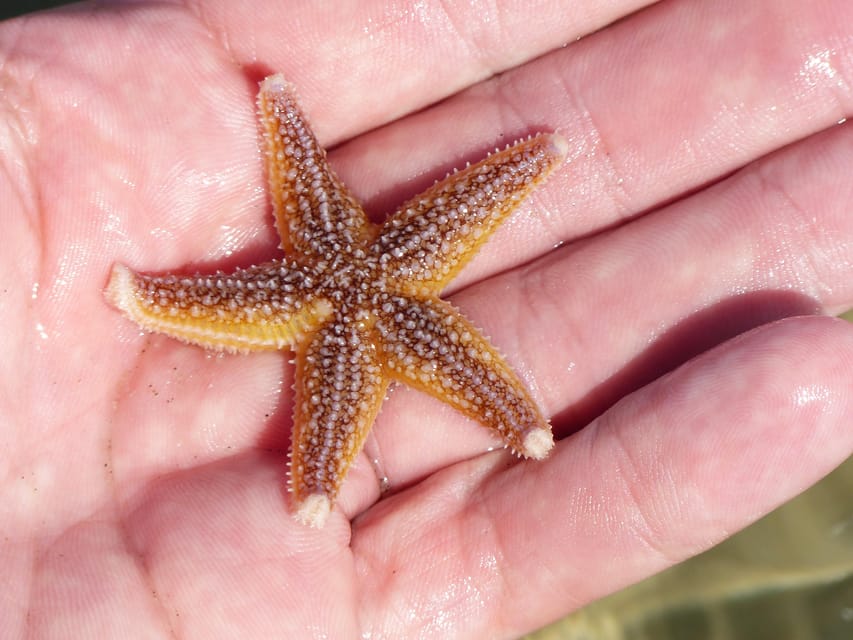
- Starfish (with different shapes and sizes)
- Crabs of more than one type
- Shrimps, often hiding under rocks or in the sand
- Fish close to shore, such as sand eels
- Shells washed up on the beach
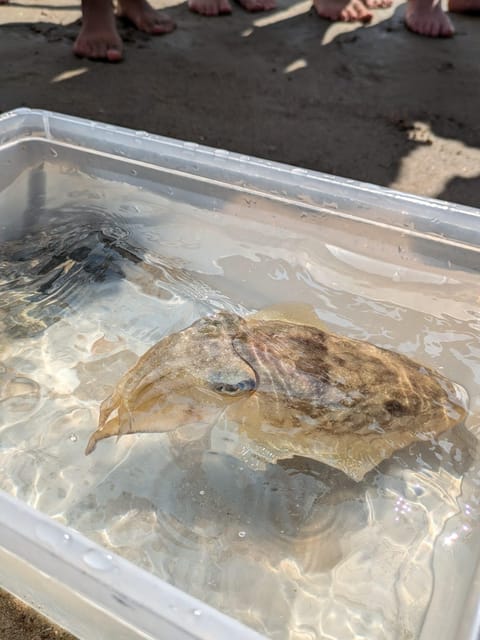
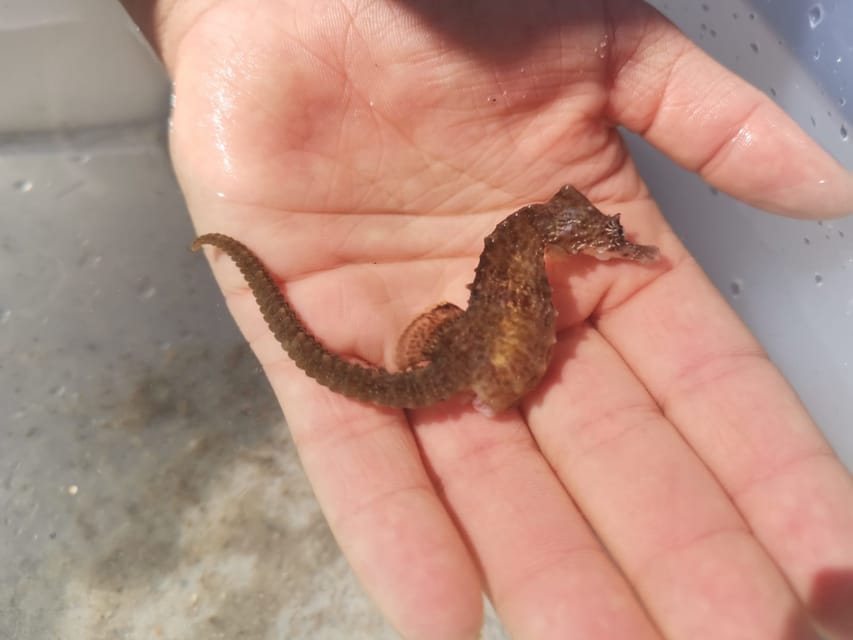
And depending on conditions, you might also spot other marine life like seahorses, cuttlefish, or jellyfish. The point isn’t a guarantee of rare sightings. The point is that the guide helps you notice what’s common and what’s special, in the same hour.
The fun facts you’ll remember: small science, explained fast
One reason this safari scores well is how the guide teaches facts in a story-like way. During the walk and searches, you’ll hear tidbits tied to what you’re holding or seeing.
A few examples of the types of facts you can expect:
- Starfish can regenerate a lost arm
- Crabs can walk sideways because of the structure of their legs
- You learn how to tell different seals apart
- You learn ways to identify features like male crabs
These aren’t “read it off a poster” facts. They attach to the beach moment, which makes them stick. Kids get the jokes. Adults get the clarity. Everyone leaves with at least a handful of names and habits.
It stays safe and respectful on the shoreline
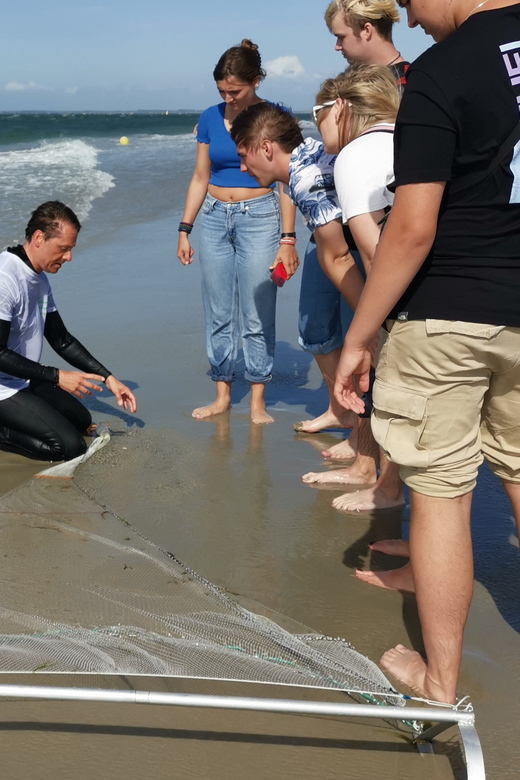
Safety and respect are part of the tour structure. The group stays in shallow water and avoids strong currents, and you keep the pace steady. That matters because beach conditions can change fast.
The tour also pushes a respectful approach: you observe carefully and then return animals and plants to their natural environment after observation. That’s how this stays educational instead of extractive.
The result is a safari that feels like nature study with training wheels—guided enough to be safe, open enough to feel like discovery.
Weather reality: when the sand changes plans
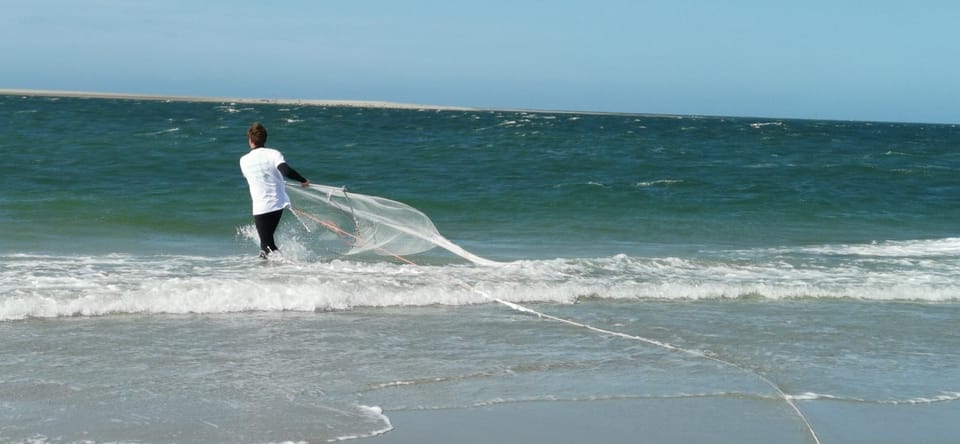
Beach tours live and die by weather. If conditions are rough, the safari will either be canceled or moved to a forest/dune safari alternative. You won’t be left guessing all day with no plan, but you should still check the situation before you head out.
This is also why packing layers matters. Even on a decent day, you can be dry and then wind hits and you’re suddenly freezing. Warm clothing is the difference between enjoying the full 2 hours and rushing through it.
Price and value: is $19 per person fair for 2 hours?
At $19 per person for a 2-hour guided experience, you’re paying for three things: a live guide, equipment use, and a guided “how to look” lesson for seals and shore life.
This doesn’t work like a long museum visit where you can go at your own pace. It’s structured and active, and you get a lot of attention per group hour. You also get multiple tool formats depending on season—trawl net in summer and crab rods in spring/autumn—plus magnifying jars and identification cards.
The value equation may change for families with very young children, since one drawback noted is that the price doesn’t adjust for toddlers. If you’re traveling with little ones, compare the experience to what you’d pay for a short guided activity in your own home city, then decide if the educational and hands-on angle justifies it.
If you’ve got kids old enough to walk, point, and handle the jar safely, this can be a smart spend.
Who this tour is best for (and who might prefer something else)
This safari fits families really well. It’s designed for both young and old, and the activities are varied enough that different personalities stay interested:
- Kids get the game feel of netting or crab rod searching
- Adults get the facts and the chance to recognize shore life by name
- Everyone gets the beach relaxation side—time outside, looking at wildlife on their terms
It’s also good for school groups or anyone who wants a nature outing that isn’t overly academic.
If you’re a wheelchair user, note that it isn’t suitable. The tour involves beach walking and conditions that can limit access, and that isn’t set up for wheelchair routes.
Should you book the Zeeland Zeehonden strand safari?
Book it if you want a short, hands-on nature experience in Zeeland that mixes seal watching, shore exploration, and easy explanations. The seasonal swap between trawl net and crab rods keeps it from feeling repetitive, and the tools (binoculars, magnifying jars, identification cards) help you learn instead of just passively watching.
Consider passing or looking for a different option if the all-ages pricing feels uncomfortable for toddlers, or if you need full accessibility support.
Otherwise, this is a very solid way to spend a beach morning or afternoon: you get fresh air, you learn real beach biology, and you leave with stories you can actually explain—like why crabs walk sideways and how starfish handle a lost arm.
FAQ
How long is the Zeeland Zeehonden strand safari?
The tour lasts about 2 hours.
Where do we meet?
You meet in front of Beachbar Atlantis (best found in Google Maps as Beachbar Atlantis).
How much does it cost?
The price is listed as $19 per person.
What languages does the guide speak?
The live tour guide speaks Dutch and German.
Do we go into the water?
In July and August, the summer edition allows you to go in the water with the guide, and swimwear is recommended. In other seasons, the tour uses different methods like crab rods or netting in shallow areas.
What should I bring?
Bring warm clothing, swimwear, a change of clothes, a towel, a camera, sunscreen (biodegradable sunscreen is recommended), beachwear, cash, and binoculars.