REVIEW · AMSTERDAM
24 Jan: Organ Favourites at Westerkerk Amsterdam
Book on GetYourGuide →Operated by Westerkerk Amsterdam · Bookable on GetYourGuide
Church organ magic, right in the city. At the Westerkerk in Amsterdam, you get a candlelit-style concert built around the monumental Duyschot Organ, with Evan Bogerd bringing works by Bach, Buxtehude, Wagner, Franck, and more to life in just one hour. You also get the bigger setting: this is a historic Protestant church tied to Rembrandt’s final resting place and the soundscape of Amsterdam’s past.
I especially love how the evening pairs music with place. You’re not just hearing an organ; you’re hearing it in the same space where the church’s legacy echoes, including the Rembrandt burial story people associate with the Westerkerk. The second big win for me is the Duyschot experience itself: you’ll see the organist up close on a big screen while the organ shutters add visual drama.
One possible drawback: the recital is described as candlelit, but it can be cold, and not every show will match the mood you expect. One booking specifically flagged that candles weren’t lit and that the performance felt cold and boring for them, so I’d plan for winter temperatures and keep your expectations flexible.
In This Review
- Key Points to Know Before You Go
- Westerkerk by Candlelight: What Makes This Church Feel Different
- Evan Bogerd and the Duyschot Organ: The Main Event
- The 1-Hour Program: Bach Through Wagner (and a D Minor Punchline)
- What You’ll Actually Notice Inside the Church
- Candlelight Expectations: How to Match the Experience to Reality
- Value for $26: When This Recital Feels Like Smart Amsterdam Spending
- Who Should Book This, and Who Might Want to Choose Another Night
- Should You Book Organ Favourites at Westerkerk?
- FAQ
- How long is the concert at Westerkerk?
- Where does the recital take place?
- How much does Organ Favourites cost?
- Who is the organist performing?
- What kind of music is included?
- Does the concert have a specific ending piece?
- What is the Duyschot organ?
- Who painted the organ shutters?
- Is the venue wheelchair accessible?
- Can I cancel or pay later?
Key Points to Know Before You Go
- Westerkerk’s monumental setting: a major Amsterdam Protestant landmark with strong ties to Dutch art history
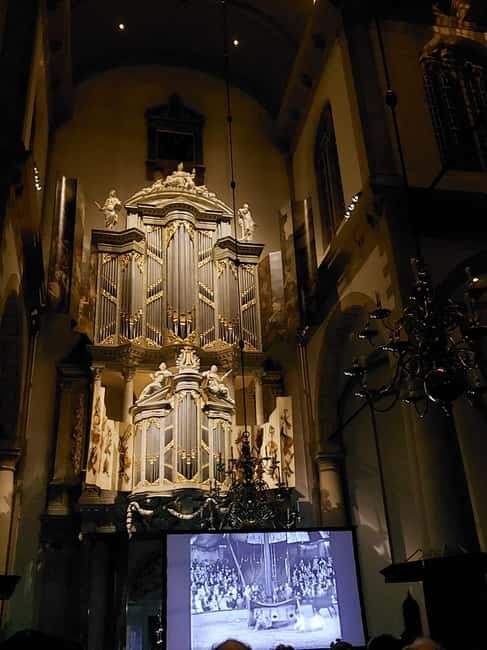
- Duyschot organ focus: built in 1686, with the concert centered on this famous instrument
- Music by major composers: Bach, Buxtehude, Wagner, Franck, Mussorgsky, and more
- You’ll see it too: the organist is shown on a big screen while the music carries through the nave
- Historic visuals: the Duyschot organ’s massive shutters were painted by Gerard de Lairesse
- A clear ending: the program concludes with Bach’s Toccata in D minor
Westerkerk by Candlelight: What Makes This Church Feel Different
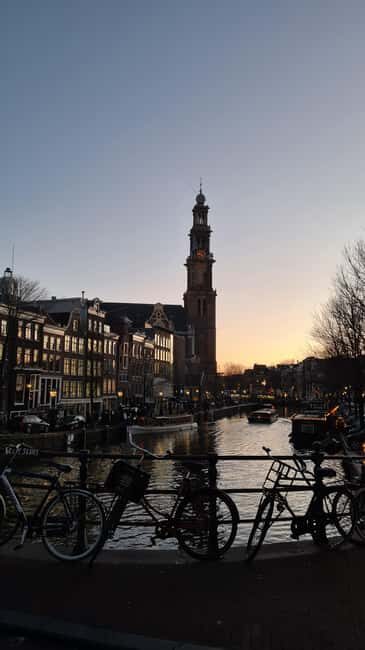
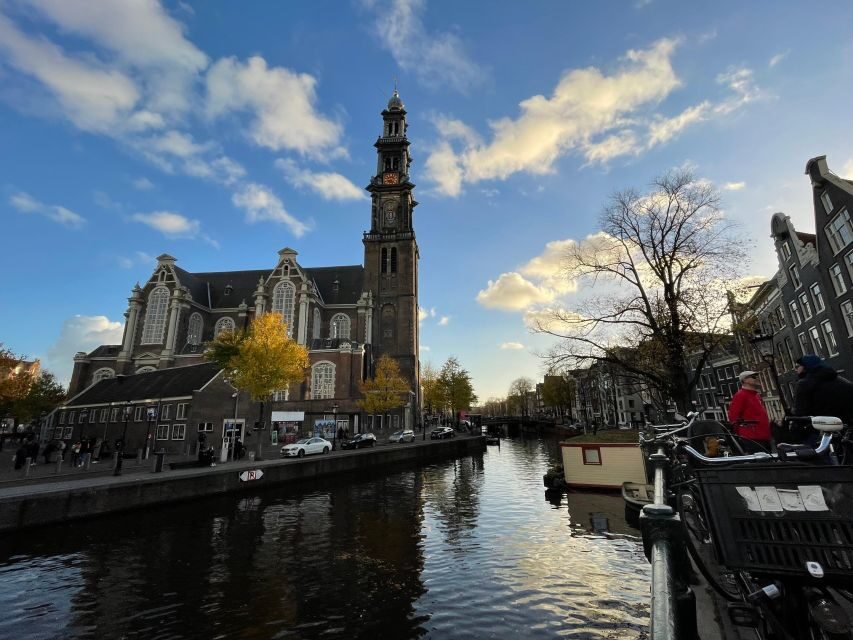
The Westerkerk isn’t a generic concert hall. It’s Amsterdam’s biggest built Protestant church, and the scale matters because organ sound needs space to bloom. In plain terms: when the organ hits, the church helps shape the sound so you feel it more than you just hear it.
This venue also comes with very specific cultural associations. Rembrandt van Rijn was buried in the Westerkerk, and the church’s clock tower chimes show up in Anne Frank’s diary while she was in hiding nearby. That means the building carries more than architecture—it carries stories you can feel while you’re sitting there, especially in a short, focused recital.
And yes, you’ll likely notice the “winter recital” reality. Even if the event is marketed with candlelight vibes, the church can still feel chilly. If you tend to get cold quickly, dress like you’re going to sit still for an hour and accept that candlelight can be partly visual rather than perfectly warm and romantic every time.
You can also read our reviews of more tours and experiences in Amsterdam.
Evan Bogerd and the Duyschot Organ: The Main Event
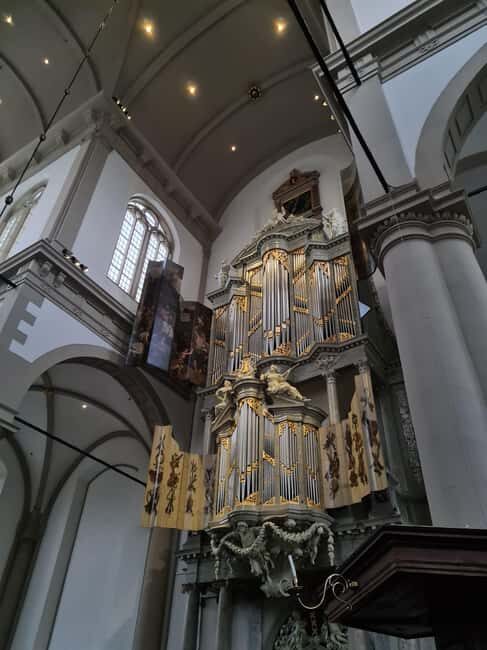
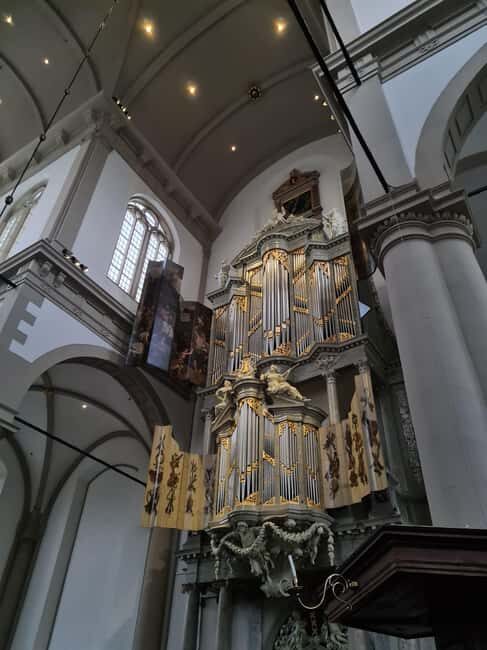
The center of gravity here is the Duyschot Organ, the Dutch Baroque instrument built in 1686. That detail matters because it’s not a modern electronic setup where everything feels the same no matter where you sit. You’re dealing with a historic mechanism and a sound that’s built for a church interior like this.
The recital is performed by organist Evan Bogerd, and that name isn’t just filler. The format gives you two ways to follow the performance: you’ll hear the organ directly, and you’ll also see the organist playing on a big screen. For non-specialists, that visual cue is underrated—it helps you connect what your ears detect with how the player actually shapes the music.
There’s also a striking visual layer: the Duyschot organ’s massive shutters were painted by Gerard de Lairesse. When you watch those shutters alongside the organ playing, it turns the concert into a kind of sound-and-art experience. You get a sense of how these churches functioned as public cultural spaces long before modern entertainment formats.
One more thing I’d keep in mind: this kind of organ recital can feel technical in the best way, but the emotional payoff depends on repertoire choices and how you tend to listen. Some listeners love the baroque-to-romantic sweep; others want faster momentum. The good news is the program runs long enough to take shape but short enough that you’re not stuck for hours.
The 1-Hour Program: Bach Through Wagner (and a D Minor Punchline)
You should expect a program that moves across musical eras rather than repeating one style all evening. The concert highlights include music associated with Bach, Buxtehude, Wagner, Franck, and Mussorgsky, with a strong finale.
The most important “timing landmark” is the closing piece: the concert concludes with Bach’s Toccata in D minor. Even if you only recognize the piece by reputation, this finale works as a satisfying reset button. It’s the kind of organ writing that sounds dramatic in almost any church, which is exactly what you want as the last statement.
For music lovers, this lineup offers variety: baroque clarity from Bach and Buxtehude, a darker theatrical edge from more romantic or later influences, and then a return to Bach’s engine-powered intensity. For first-timers, it’s a chance to learn how one instrument can carry very different moods without the need for a whole orchestra.
Still, here’s the balanced note: not every Bach-heavy night lands the same way for every person. One booking described the performance as technically perfect but not as emotionally captivating as a previous Bach-centered recital they attended. That doesn’t mean this one will feel flat—it’s just a reminder that your personal connection to “organ Bach” varies. If you’re going in only for chills, it helps to accept that some passages may feel more architectural than thrilling.
What You’ll Actually Notice Inside the Church
A lot of people show up for the big name church and the famous organ. Then they get surprised by the small details that make the sound experience feel real.
First, the organ shutters and the visual scale are part of the atmosphere. Even when you’re looking at the big screen, your brain still registers the physical size of the instrument and the dramatic set pieces around it. That matters because the organ’s volume isn’t just about loudness; it’s about how the architecture reflects sound and how the instrument projects into the nave.
Second, the big screen changes how you can follow along. Organ playing often looks subtle from a distance, especially if you’re not used to the keyboard and pedal setup. Watching the organist move in real time helps you see when the music switches character—when the player is shaping attack, holding tones, or driving rhythm.
Third, the church’s stories add an extra layer to silence between pieces. Even though the concert is only one hour, you’ll still have those small gaps where you hear the building itself. In a place tied to Rembrandt and Anne Frank’s world, those gaps don’t feel empty.
Finally, there’s the “painting with sound” factor. The Duyschot shutters being painted by Gerard de Lairesse is one of those details that makes the evening more than a checklist. You’re hearing music in a space decorated by artists connected to Rembrandt’s circle, and the evening quietly links those worlds.
Candlelight Expectations: How to Match the Experience to Reality
If candlelight is part of why you booked, treat it as a best-case mood, not a guaranteed thermostat. One booking explicitly noted no candle was lit during their visit, and they also found it cold. That’s the kind of mismatch you can avoid by planning for warmth and comfort first.
Here’s what you can do: bring layers, consider a warm outer layer, and choose calm expectations. The church can be beautiful and moving even without candles looking “perfect” to you in every moment. Candlelight is an added flavor. The organ sound and the Westerkerk setting are the core.
Also, this recital is described as a rescheduled New Year recital, shifted due to earlier weather problems. That’s another reason to expect a night that’s focused on performance delivery more than perfect staging. If everything runs smoothly, you’ll get the full atmosphere. If not, you’ll still have the main event.



Value for $26: When This Recital Feels Like Smart Amsterdam Spending
At about $26 per person for a one-hour concert, this sits in the category of “worth it if you like classical music or want something distinctly Amsterdam.” You’re paying for three things at once: a major historic venue, a famous historic organ, and a live performer with a program that’s meant to be listened to.
The Duyschot organ is the hook, and it’s not a common thing elsewhere. Many cities offer organ concerts, but you’re specifically here for a historic Dutch Baroque instrument built in 1686. That makes the experience feel more singular than a generic church recital.
You also get the extra value of visual support. Seeing the organist on a big screen helps if you’re not already familiar with organ mechanics. It’s one of those small production choices that makes a one-hour show more understandable, and that directly affects whether the time feels worth it.
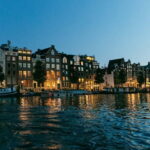
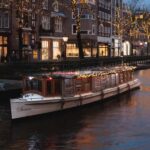
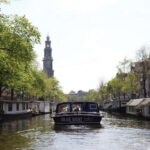
If you’re comparing it to spending the same money on an all-day museum ticket or a canal cruise, the payoff is different. This is a focused experience: you choose it for sound and atmosphere, and then you’re done in an hour. That can be a great move when you want an evening activity that doesn’t steal your whole day.
Who Should Book This, and Who Might Want to Choose Another Night
I think this recital is a strong fit if you:
- enjoy classical music and want a “one instrument, one venue” experience
- like history tied to real people, not just plaques
- want a short evening plan that doesn’t require a long commitment
- appreciate the idea of seeing how music is made, not only hearing it
It may be less satisfying if you want constant emotional fireworks. Organ music can be intense but also architectural, and one booking described it as technically strong but not captivating enough for their taste. If you know you prefer big crowd-pleasers all the way through, you may want to check the specific program content and go in ready for a more structured listening style.
Age and mobility are also worth noting. The activity is listed as wheelchair accessible, which is great for a venue like this where older churches can be tricky. If you rely on wheelchair access, it helps to see that it’s explicitly supported.
Should You Book Organ Favourites at Westerkerk?
My take: book it if you want an Amsterdam evening with a real sense of place and a historic instrument doing real work. The combo of Westerkerk, Evan Bogerd, and the Duyschot Organ built in 1686 is the kind of pairing that doesn’t feel copy-paste.
If you’re the type who hates being cold, plan for warmth first and don’t treat candlelight as guaranteed. If candlelight is a must-have visual for your ideal evening, allow some flexibility in your expectations.
And if you’re still on the fence, remember the finale: the concert ends with Bach’s Toccata in D minor. That’s a high-confidence way to close the night, even for people who are new to organ music.
FAQ
How long is the concert at Westerkerk?
The concert lasts about 1 hour.
Where does the recital take place?
It takes place at Westerkerk in Amsterdam.
How much does Organ Favourites cost?
The price listed is $26 per person.
Who is the organist performing?
The organist for this recital is Evan Bogerd.
What kind of music is included?
The program includes works associated with Bach, Buxtehude, Wagner, Franck, and Mussorgsky.
Does the concert have a specific ending piece?
Yes. The concert concludes with Bach’s Toccata in D minor.
What is the Duyschot organ?
It’s a Dutch Baroque organ built in 1686, and the concert is centered on it.
Who painted the organ shutters?
The organ shutters were painted by Gerard de Lairesse.
Is the venue wheelchair accessible?
Yes, it’s listed as wheelchair accessible.
Can I cancel or pay later?
It’s described as free cancellation up to 24 hours in advance for a full refund, and it offers a reserve now & pay later option.