REVIEW · AMSTERDAM
Amsterdam: 2.5-Hour Historic Private Walking Tour
Book on GetYourGuide →Operated by Jan's Fietstaxi · Bookable on GetYourGuide
Gable stones tell stories you miss. This 2.5-hour private walking tour threads through Amsterdam’s historic core with a guide who helps you notice the details most people speed past. You’ll move from canal-belt architecture and old squares to quieter courtyards, with a planned pause at one of the city’s standout public spaces.
I especially like the building-focused approach, including the House of Riga area and the gable-stone clues that explain how Amsterdam used to brand itself on every facade. I also love the shift to the Begijnhof and the nearby Civic Guards Gallery, where the mood turns calm and the art feels very grounded in the neighborhood.
The main drawback is simple: this is not a sit-and-smile tour. You need to be able to walk for at least 45 minutes without sitting down, and it is not suitable for people with mobility impairments.
In This Review
- Key highlights worth planning around
- Meeting at Victoria Hotel: private pickup and a pace you should respect
- Gable stones, House of Riga, and Congac House: learning to read Amsterdam’s faces
- Nieuwmarkt and Rembrandtsquare: two squares, two types of atmosphere
- Red Light District narrow streets and the former Hidden Church: history with an edge
- Amstel River intersections and the Seven Bridges: the view moment that ties it together
- Begijnhof courtyard and Civic Guards Gallery: the quiet side you’ll remember
- Price and value: private up to 4, what you’re really paying for
- Who should book this, and who should skip it?
- Should you book this tour?
- FAQ
- Where does the tour start?
- How long is the walking tour?
- Is pickup included?
- Are food and drinks included?
- What languages are available?
- Is it suitable if I have mobility impairments?
Key highlights worth planning around
- Victoria Hotel meeting point makes starting easy, right by Central Station
- Gable stones plus House of Riga and Congac House help you read Amsterdam like a local
- Nieuwmarkt and Rembrandtsquare give you big-city “intersection watching” moments
- Red Light District narrow streets are part of the historical route, not a nightclub stop
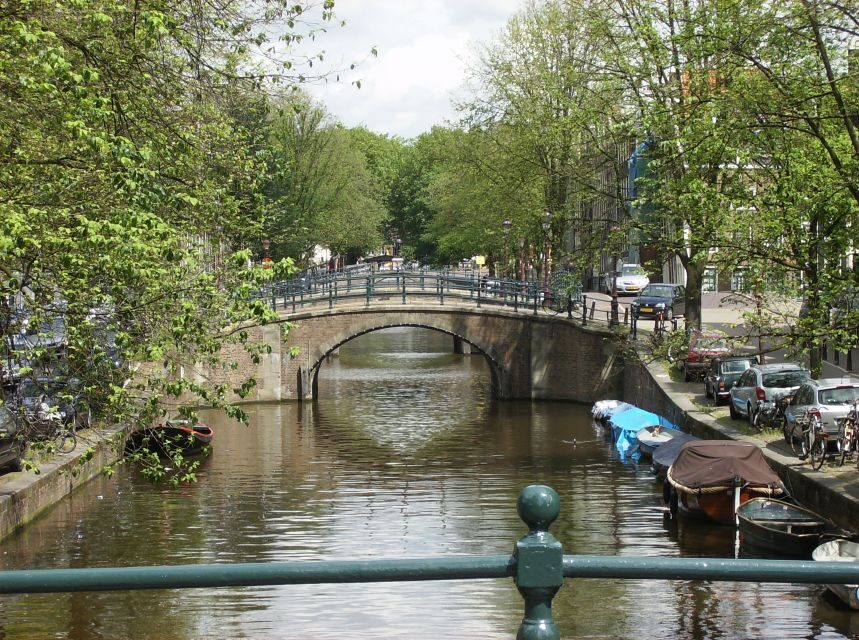
- Amstel River views near the Seven Bridges, with a real chance to catch your breath
- Begijnhof + Civic Guards Gallery deliver the quieter side of the old city
Meeting at Victoria Hotel: private pickup and a pace you should respect
The tour starts at the Victoria Hotel, directly opposite Central station. That’s a smart choice. It reduces the mental load of figuring out where to meet in a city where trams, bicycles, and canal turns all seem to collaborate against you.
You get a private guide and pickup in central Amsterdam, including any hotel or railway station (or another agreed meeting spot). If you’re arriving from elsewhere in the city, this removes a lot of friction before you even start seeing sights. The guide speaks Dutch and English, and because it’s private, your route can adjust to what you already know and what you want to learn.
One important consideration: you should plan for real walking. The tour requires that you can walk at least 45 minutes without sitting down, even though there is a break built in later. If you’ll need frequent rests, you’ll likely feel it.
You can also read our reviews of more walking tours in Amsterdam



Gable stones, House of Riga, and Congac House: learning to read Amsterdam’s faces
Amsterdam’s oldest streets reward people who look up. This tour leans into that. On the way through the eastern side of the center, you’ll encounter a large collection of so-called gable stones, which are those carved signs mounted on buildings. They’re basically historical messaging—how a house identified itself, who lived there, and what was going on in that corner of town.
The standout names here are the House of Riga and the Congac House. Even if you’ve visited Amsterdam before, this kind of facade reading changes your experience fast. Instead of just admiring pretty architecture, you start to understand why certain buildings display particular symbols and how the city’s trading culture left fingerprints on ordinary streets.
There’s also a stop connected to the former Hidden Church. This is the kind of layer that makes a private guide valuable: you’re not just walking past a building, you’re getting the context for why it exists and what it meant in its time. Reviews around this tour also mention hidden churches and back courtyards as moments where the guide helps you find what most people miss—especially the smaller lanes and sheltered spaces that don’t shout for attention.
Nieuwmarkt and Rembrandtsquare: two squares, two types of atmosphere
Amsterdam’s squares are like outdoor rooms. This tour uses them that way.
You’ll pass through Nieuwmarktsquare, including the area tied to a former gateway to the city dating back to the late 1400s. That time stamp matters because it reminds you the city didn’t just grow outward by chance. It developed with real boundaries, real entry points, and a sense of who belonged on the inside.
From there, you’ll make your way toward Rembrandtsquare on the route continuing to the Amstel river and the Seven Bridges. Rembrandtsquare is the kind of place where you can step back for a second and look at how Amsterdam handles movement—people streaming in multiple directions, but the square still holds order. The break during the tour is planned at either Rembrandtsquare or Amstelveld, which is a nice way to keep the walking from turning into a grind.
If you like your city sightseeing to include breathing room, these squares help. They give you a reset point so you can keep your attention sharp for the next stretch.
Red Light District narrow streets and the former Hidden Church: history with an edge
Yes, the tour includes the Red Light District, and it passes through very narrow streets there. This is not a nightlife outing, and it’s not positioned like shock sightseeing. It’s part of the historic fabric of the center—one more chapter in how Amsterdam formed into the city you recognize today.
If you’re sensitive to the atmosphere of this neighborhood, come prepared mentally. Wear your “curious but respectful” hat, keep your pace steady, and focus on the streetscape and the historical context your guide is providing rather than trying to turn it into a photo contest.
The route also touches back toward quieter, older structures, including the former Hidden Church. That contrast—edgy streets alongside hidden, protected places—is one of the most Amsterdam experiences there is. It’s the city’s talent for contradictions: public life side by side with secrecy, commerce beside careful corners.
And based on how guides like Jan approach the walk, you’re likely to get the kind of local steering that helps you feel like you’re moving with a plan, not just wandering. In reviews, people highlight the feeling of seeing small gaps, back areas, and places that seem invisible if you’re on your own.
Amstel River intersections and the Seven Bridges: the view moment that ties it together
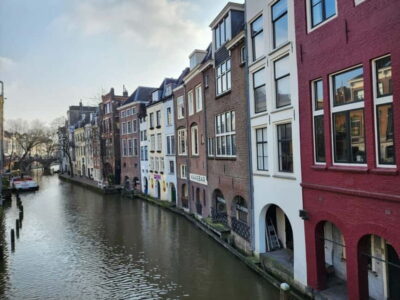
Then the route turns toward the Amstel River, with look-ins at its intersections and the area near the Seven Bridges. This is where Amsterdam turns cinematic without trying too hard.
Crossing from dense streets into river-and-bridge territory does something useful for your brain. It gives you a new scale. Instead of only thinking about building fronts, you start thinking about lines of sight, water traffic, and how the canals shape where streets lead and where people gather.
The tour is designed to keep you moving but not constantly straining. Since there’s a scheduled break at either Rembrandtsquare or Amstelveld, you can time your rest around when the scenery makes you want to slow down anyway. I like tours that respect the body and the senses in the same plan—this one does.
If your goal is to walk away with more than snapshots, this river segment is part of the payoff. You’ll leave with a better sense of how the city’s geometry works, not just what it looks like in a brochure.
You can also read our reviews of more private tours in Amsterdam






Begijnhof courtyard and Civic Guards Gallery: the quiet side you’ll remember
After the busier streets and squares, the tour heads toward the Spui, where you pass mansions with large late-century ornaments. That’s a useful transition. You’re moving from older “town bones” into a layer where wealth and display become more obvious—still within walking distance, still tied to the same city core.
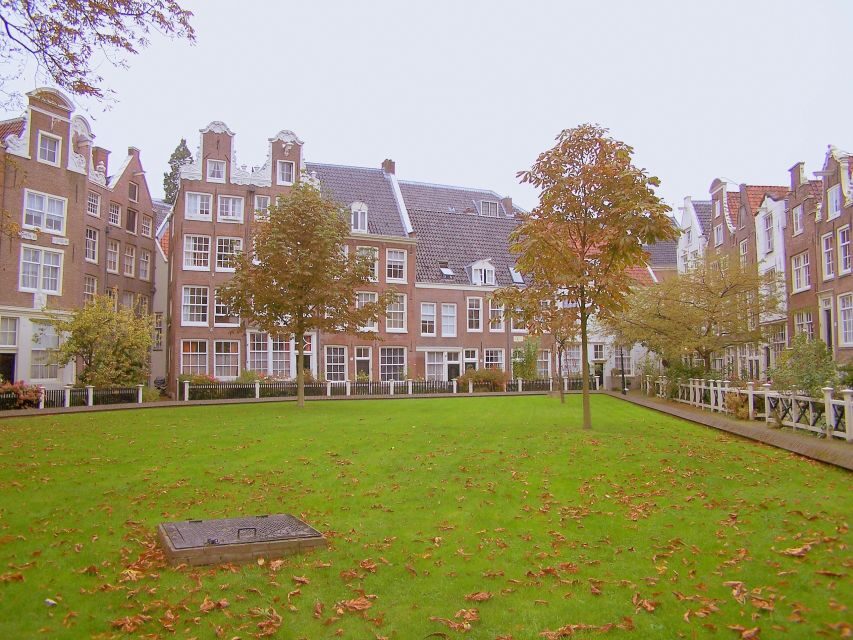
Then you reach the Begijnhof, including the courtyard feel that makes this stop special. The courtyard setting creates a pause in sound and motion. You can see why it’s often described as a place people come back to when they want the city to slow down.
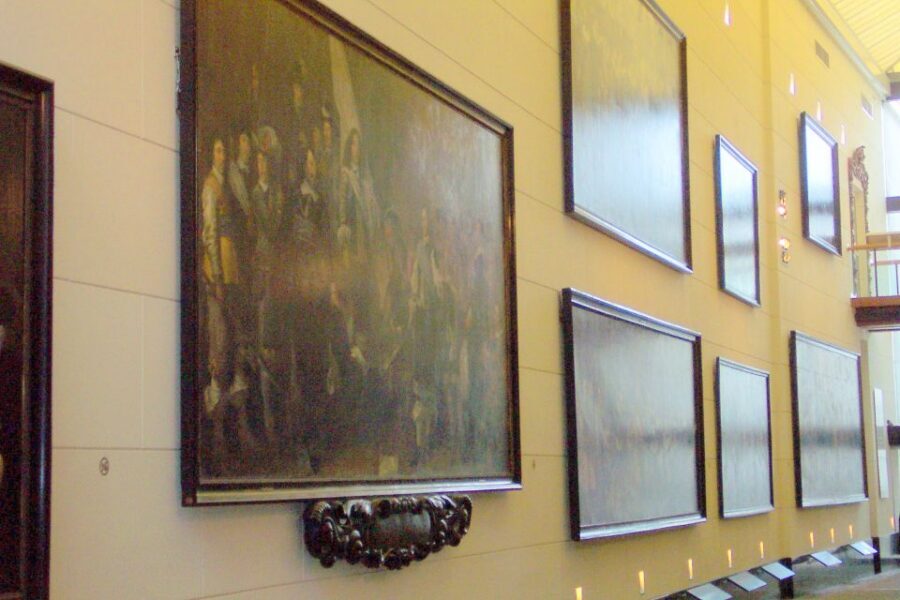
Nearby is the Civic Guards Gallery, and here you’ll get the chance to see original paintings. That’s a big deal for a walking tour, because it adds an art moment instead of staying purely architectural. If you enjoy learning how buildings and collections connect, this stop gives you a stronger anchor than just another exterior photo.
One more thing I like about this ending stretch: it helps the story of Amsterdam feel complete. You saw the street-level history, the tricky edges of the center, and then you end where people historically sought quiet community space.
Price and value: private up to 4, what you’re really paying for
The price is $283 per group up to 4 for 2.5 hours, and you’re buying a private guide plus pickup in central Amsterdam. On paper, that can feel steep if you’re comparing it to group tours. But the value is in the format.
A private guide means you’re not stuck with a rigid pace or a one-size-fits-all script. Reviews for this tour repeatedly highlight that the guide adapts for visitors who already know some Amsterdam—like people who have been there before. That flexibility matters in a city where “seeing the main sights” can already be done on your first visit.
You’re also getting a tightly planned route that mixes architecture (gable stones, House of Riga, Congac House), squares (Nieuwmarkt and Rembrandtsquare), canals (Amstel and Seven Bridges), and a meaningful courtyard/art stop (Begijnhof and Civic Guards Gallery). For a short 2.5-hour window, that’s a lot of variety, and it’s hard to match with DIY wandering.
Just remember what’s not included: food and drinks. The tour includes a break, but you’ll still need to plan your own snacks or water around that.
Who should book this, and who should skip it?
Book this if you want an Amsterdam “details first” walk: gable stones, historic facades, old squares, and a guided explanation that makes the city feel readable. It’s a great fit for couples and small families (up to 4 in the group price) who prefer to ask questions and move as a unit rather than get swept along with strangers.
Also, it’s a strong choice if you like the idea of slipping into narrow streets and quieter corners. Reviews specifically praise the feel of finding hidden lanes, back courtyards, and tucked-away churches—places that are easy to overlook without help.
Skip it if walking for at least 45 minutes without sitting will be difficult for you, or if you need accessibility support. This is a walking tour, not a rolling sightseeing shuttle. And if you strongly dislike the atmosphere around the Red Light District, you may find that portion uncomfortable even if it’s handled respectfully in a historical context.
Should you book this tour?
If you’re excited by old-town details and you want a guide who helps you see more than postcards, I’d say yes. The combination of facade storytelling, the Begijnhof + Civic Guards Gallery calm finish, and the river/bridge geometry near the Amstel gives you a well-rounded Amsterdam snapshot in just 2.5 hours.
But if you know you’ll need frequent breaks, or if you’d rather avoid any time in the Red Light District area, it’s better to choose a different route. This one rewards comfortable walkers who enjoy city nuance.
FAQ
Where does the tour start?
The tour starts at the Victoria Hotel, opposite Central station.
How long is the walking tour?
It lasts about 2.5 hours.
Is pickup included?
Yes. Pickup is included from any hotel, railway station, or another agreed-upon location in central Amsterdam.
Are food and drinks included?
No. Food and drinks are not included.
What languages are available?
The live guide is available in Dutch and English.
Is it suitable if I have mobility impairments?
No. It is not suitable for people with mobility impairments, and you should be able to walk for at least 45 minutes without sitting down.