REVIEW · AMSTERDAM
Amsterdam: Architektur Er-fahren
Book on GetYourGuide →Operated by Herzblut Amsterdam Stadtführungen · Bookable on GetYourGuide
Amsterdam’s buildings roll past fast on a bike. This tour is a smart way to learn what Amsterdam design is actually doing—how it deals with water and land pressure while mixing historic canals with modern building work. I especially liked the contrast moments: the houseboats and Western Islands views next to industrial-looking areas, plus the way the guide points out functional design choices you can recognize later on your own. The only real drawback is simple: you need to be comfortable cycling, because the route is active and the tour runs rain or shine.
You start right by the water at Beursplein/Damrak, and you cycle toward the IJ and Amsterdam Central, with stops for stories and architecture talk along the way. It’s a small group (max 10), in German, so you get a calmer pace and more back-and-forth than the big walking tours.
In This Review
- Key highlights and what to watch for
- Architecture Er-fahren: why cycling beats walking for Amsterdam design
- Meeting at Beursplein/Damrak: the easy start that keeps things organized
- Cycling toward the IJ and Amsterdam Central: the water-view intro to the city
- Historic canals and warehouses to modern building work: how the guide teaches you to read a facade
- Houseboats and the Western Islands: the quieter side of Amsterdam design
- Industrial vs picturesque: why this contrast is the whole point
- Housing pressure in design: social needs alongside luxury planning
- Dealing with land conditions and water: the problem behind the beauty
- How long is the ride, and what pace should you expect?
- Practicalities that can make or break your experience
- Price and value: is $46 for 2.5 hours worth it?
- Who this tour suits best
- Should you book Amsterdam Architektur Er-fahren?
- FAQ
- Is this architecture tour in German?
- Where does the tour start?
- How long is the bike tour?
- What is the group size?
- Is bike hire included in the price?
- Are food and drinks included?
- Does the tour run in bad weather?
- Is the tour suitable for non-cyclists?
- What happens with cancellation and payment options?
Key highlights and what to watch for
- Architecture you can spot again: You learn how to read Amsterdam buildings—function, form, and why they were built this way.
- Water-and-city thinking: The route focuses on how water conditions shape construction and planning.
- Houseboats and Western Islands contrast: You’ll see Amsterdam’s quieter side alongside modern planning.
- Industrial vs picturesque moments: The guide makes the contrasts clear instead of leaving you to guess.
- Housing pressure, from social to luxury: The tour connects architecture to what a growing city needs.
- Clever design solutions: You’ll notice how form connects to use, not just style.
Architecture Er-fahren: why cycling beats walking for Amsterdam design
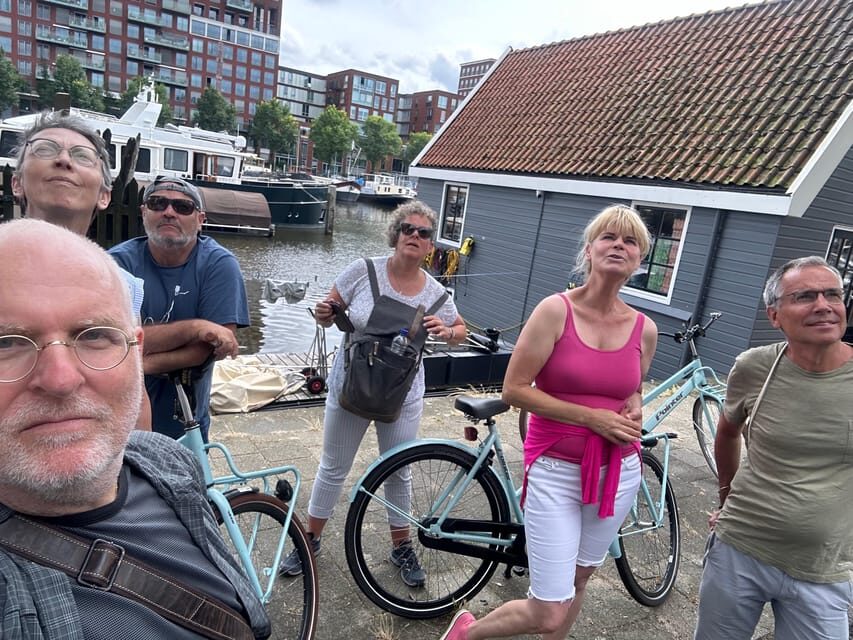
Amsterdam is best understood when your eyes are moving and your bearings are changing. Walking gives you plenty of detail, but cycling lets you see the city the way planners and builders do: as a connected system. In 2.5 hours, you’re not only looking at individual buildings. You’re tracking how the city shifts—old canals and warehouses, then newer work, then housing and water-related design challenges.
What I like most is that the tour teaches you a method. The guide doesn’t just point at facades. You’re learning to ask: Why is this here? How does it work on a site with water issues? How does it fit a city that keeps growing? That kind of thinking makes your next stops in Amsterdam easier, even without a tour guide.
There’s also a practical bonus. The route uses the city’s best feature—water. As you cycle along the IJ and around the Amsterdam Central area, your photos have context: you’re not shooting isolated buildings. You’re framing architecture with the water that shaped it.
You can also read our reviews of more tours and experiences in Amsterdam.
Meeting at Beursplein/Damrak: the easy start that keeps things organized
Your day begins at Beursplein/Damrak. You find the guide by spotting a black-and-white striped band around their neck. That small detail matters more than it sounds, especially in a busy area where lots of tour groups can look similar.
From the start, you’ll get into rhythm fast. The small group size (limited to 10) helps because you’re not weaving around a huge pack. The guide can also keep the pace steady for everyone, which is important for a bike tour. You want time to look—not just sprint to the next corner.
Because the tour runs rain or shine, I’d treat the meeting point like a weather check. Dress for the day, not for the forecast you’re hoping for. If you start cold or wet, cycling can feel harder than it needs to.
Cycling toward the IJ and Amsterdam Central: the water-view intro to the city
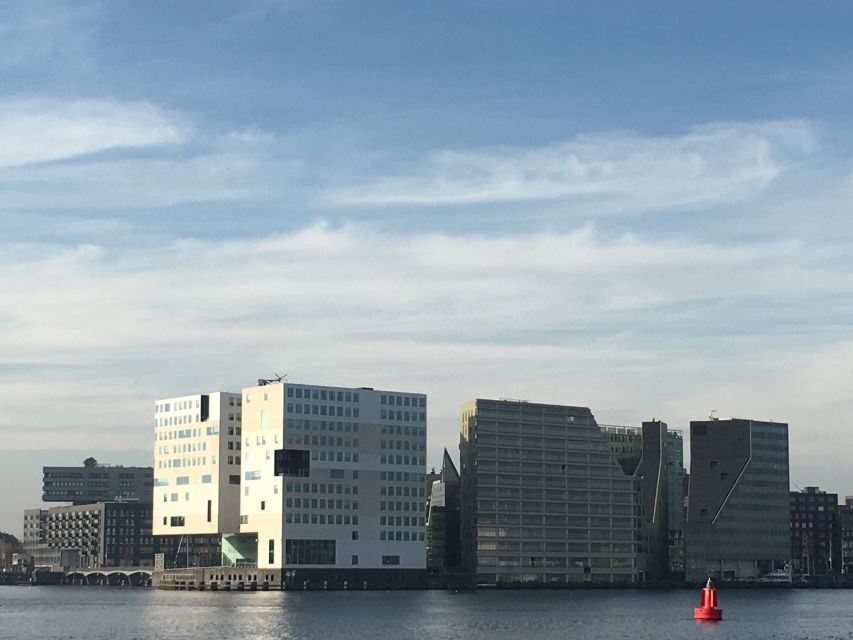
After you roll out from Beursplein/Damrak, the tour cycles toward the IJ and around to Amsterdam Central, using the water along the way. This is a great first segment because it calibrates your eyes. You see how Amsterdam’s waterfront areas function as both public space and architectural setting.
The guide’s explanations here are meant to set up what you’ll learn later. You’re hearing how the city’s historic canals and warehouses relate to newer architecture and the kinds of design choices that show up when water is part of everyday life.
This part also helps you get a feel for the city’s contrasts. Amsterdam isn’t one uniform style. Even in a short ride, you can catch the switch from older, heavier-looking structures to modern projects with cleaner lines and sharper planning. If you’ve ever wondered why a neighborhood feels different block to block, the early stages give you the answer framework.
Historic canals and warehouses to modern building work: how the guide teaches you to read a facade
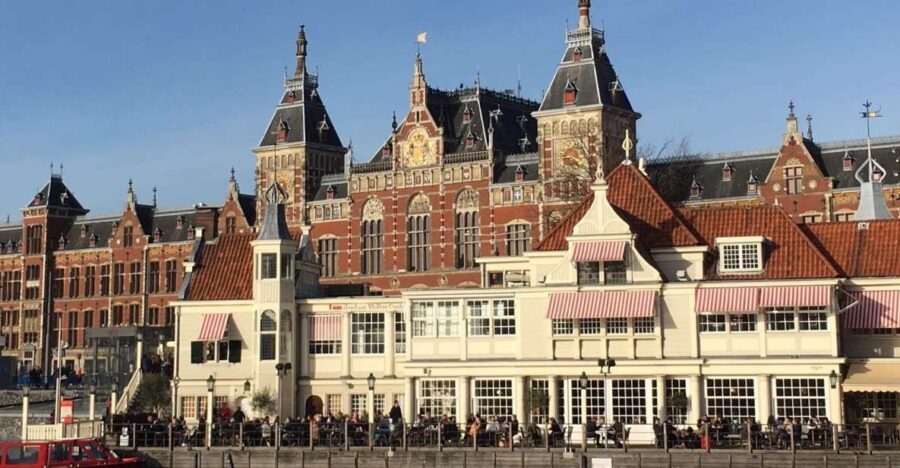
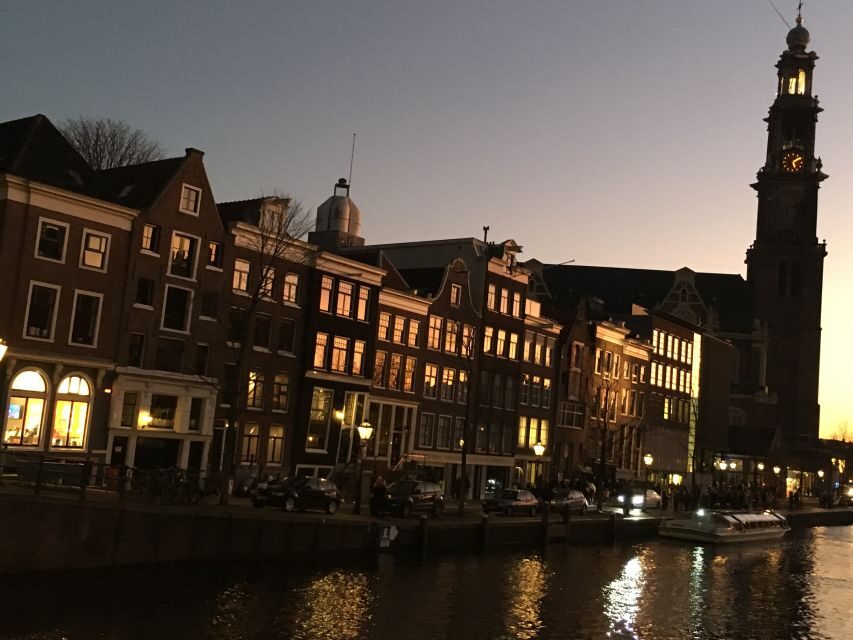
One of the best parts of this tour is how the guide connects architecture to everyday reality. You’re not only seeing canals and warehouses, but also getting the story behind why they look and function the way they do. Then you shift into modern design projects and innovative solutions in both function and design.
What you’re learning is basically a skill set:
- Notice material and shape choices, then connect them to practical needs.
- Watch for how buildings fit the surrounding context, including water-related constraints.
- Understand that design is also about people—where they live, where they work, and what a growing city can afford.
I like that the guide makes the information transferable. A good tour should help you understand buildings you’ll pass later. The goal here isn’t to memorize names and dates. It’s to recognize the logic of Amsterdam’s approach to form, use, and environment.
Houseboats and the Western Islands: the quieter side of Amsterdam design
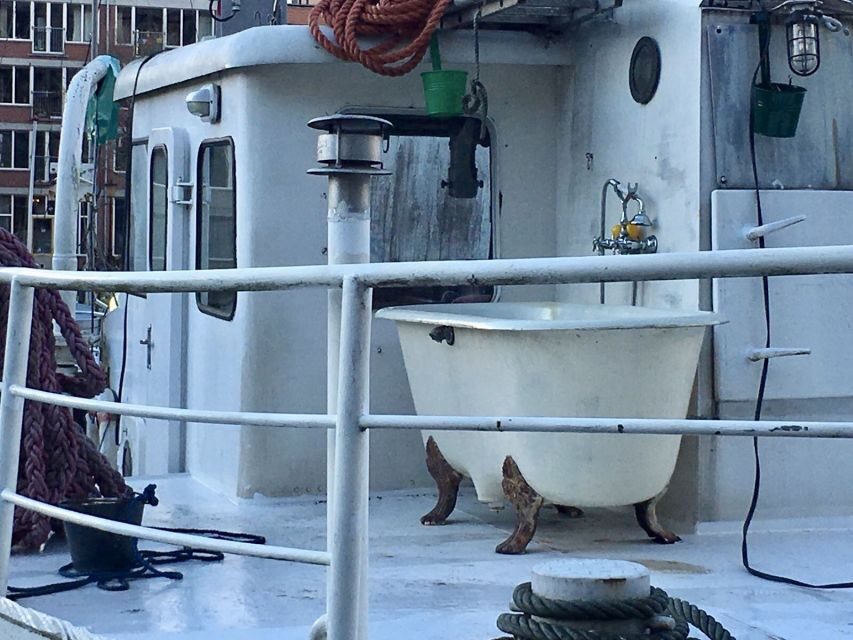
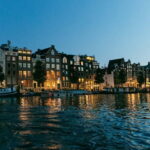
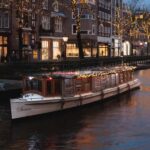
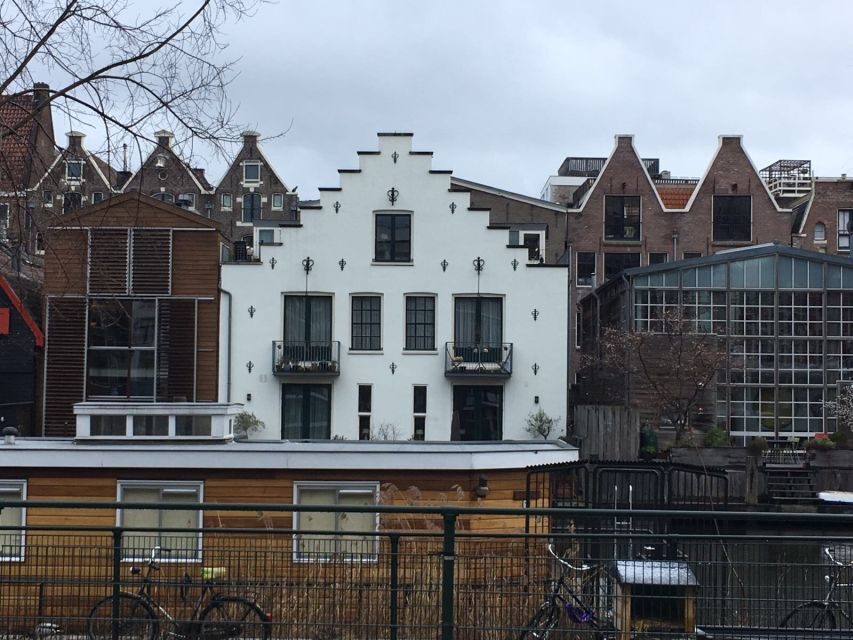
Then you head into the territory many visitors miss: the Amsterdam Western Islands area. This segment is valuable because it shows a different “texture” of the city. The architecture isn’t only classic canal housing. You see houseboats, plus the way living spaces relate to water directly.
The houseboat side is especially interesting for architecture lovers because it turns the usual rules upside down. Instead of imagining buildings as fixed objects, you start thinking about housing as something that must negotiate with water, movement, and practical daily life. That kind of perspective shift is rare on typical sightseeing.
The Western Islands also give you an emotional contrast to the busy city center. Even if you’re still in Amsterdam, the feeling changes as you ride and look. The tour uses these views to remind you that Amsterdam isn’t only grand landmarks. It’s also how people actually live—how they adapt to their environment.
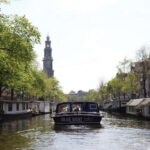
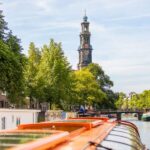
And yes, you’ll get your share of great views. Your photos look better because the architecture is framed by water and open sky, not just by streets.

Industrial vs picturesque: why this contrast is the whole point
A major theme of the ride is the tension between industrial and picturesque architecture. This isn’t a random itinerary choice. It’s the heart of why this tour exists.
Amsterdam has both: working-style buildings that feel practical and sometimes heavy, and more storybook-looking areas that look soft and romantic at first glance. The guide keeps asking you to compare. What makes something feel industrial here? What makes something feel picturesque? And most importantly: how do those styles connect to purpose, not just appearance?
If you walk around Amsterdam without context, you can end up thinking the city is just a mix of “pretty” and “less pretty” streets. This tour fixes that. You start seeing the reasons behind the look—planning needs, land/water constraints, and a city trying to accommodate more people every year.
That’s also why the route matters. You don’t just stand in one place and stare. You travel through changing zones where the contrast becomes obvious.
Housing pressure in design: social needs alongside luxury planning
At some point in the explanations, the tour brings up an issue that shapes architecture everywhere: Amsterdam’s rapidly growing population and the resulting need for housing. The guide talks about how Amsterdam balances social housing and luxury housing within the same broader housing reality.
Even if you don’t care about policy, this matters for design understanding. Housing requirements influence building size, layout, density, and what gets prioritized. It also influences how “new” development is perceived—because people aren’t only building for aesthetics. They’re building for real residents.
This is one of those topics where a guided bike tour has an advantage. On foot, it’s easy to turn discussions into a lecture. On a ride, the guide can tie the conversation directly to what you’re seeing: functional design choices, innovative solutions, and the way architecture responds to the constraints of real city life.
Dealing with land conditions and water: the problem behind the beauty
Amsterdam’s building challenges aren’t abstract here. The tour directly addresses problematic land conditions and the role of water. That may not sound exciting on paper, but it changes how you interpret what you see.
When you understand that land and water are part of the building equation, you start noticing engineering logic in design choices. Things like placement, how structures interact with their surroundings, and why certain areas feel built differently from others.
In the best moments, the guide turns this into story. The tour includes amusing architecture talk and historical context, and it even works in a reference to a historic demolition as part of the overall development narrative. That kind of detail helps the city feel less like a postcard and more like an actual place that has changed through time.
How long is the ride, and what pace should you expect?
The total time is 2.5 hours. That’s long enough to feel like you covered a real area, not just a quick circle around the center. It’s also short enough to keep your energy for the rest of your Amsterdam days.
It’s a small-group cycling format, limited to 10 participants, which usually means fewer delays and clearer communication. The guide is live and speaks German, so if German is your comfort zone, you’ll likely enjoy the flow even more. If you’re not fluent, you’ll still get a lot from visual cues, but your understanding will rely more on what you can catch.
The main pacing consideration: this isn’t a leisurely stroll where you can stop whenever you want. You’re riding, then pausing when the guide gives you a point of focus. Wear clothes you can move in and plan for cycling time between stops.
Practicalities that can make or break your experience
This is where planning pays off. A bike tour rewards good preparation.
Bike and riding comfort
- Bike hire is not included.
- You’ll need a functional, roadworthy bicycle.
- If you don’t bring one, you can usually find bikes for around €5 to €25 from hotel or bike hire shops, depending on the day.
What to bring
Bring comfortable shoes, water, and weather-appropriate clothing. The tour happens rain or shine, so think layers and bring what you need to stay warm/dry enough to enjoy the ride.
Food and drinks
Food and drinks aren’t included. I recommend grabbing something before you start, and keeping water with you so you don’t have to hunt mid-tour.
Rules
Alcohol and drugs aren’t allowed. That’s not just about rules; it keeps the ride safe and the explanations clear.
Who should go
It’s not suitable if you can’t ride a bike. If you’re a confident cyclist—great. If you’re “okay but cautious,” you should still consider whether you’re comfortable on Amsterdam streets for 2.5 hours.
Price and value: is $46 for 2.5 hours worth it?
At $46 per person for a 2.5-hour guided bike tour, the value comes from the combo: guided architecture interpretation plus a route that actually takes you through different kinds of areas. You’re not paying just for transportation. You’re paying for pattern recognition—learning what to look for in canals, warehouses, modern projects, and Western Islands housing settings.
Small-group structure matters too. With a maximum of 10 people, you’re less likely to be rushed or ignored. You’re also more likely to get clarifying answers while you’re on the move.
Compared with doing architecture sightseeing solo, the difference is mental effort. Alone, you’ll see buildings. With a guide, you learn a way to understand them. That’s the real “return” on the price: you leave with better instincts for the rest of your Amsterdam walk.
Who this tour suits best
This is for you if:
- You enjoy architecture but want practical interpretation, not just photos.
- You like learning through movement—seeing contrasts across neighborhoods.
- You want a guided route that includes canals, industrial/picturesque contrasts, houseboats, and the Western Islands.
- You’re comfortable with a German-language tour guide.
It’s less ideal if:
- You only want a very slow, stroller pace.
- You need your schedule to be ultra flexible when weather changes (the tour goes out rain or shine).
- You don’t ride bikes comfortably.
Should you book Amsterdam Architektur Er-fahren?
I’d book this if you want Amsterdam architecture with context and if you can handle cycling for about 2.5 hours. The best part is the learning style: it helps you connect what you see to why it exists—water conditions, land realities, housing pressure, and the mix of social and luxury development needs.
If you’re mainly chasing classic landmarks and don’t care about how a city manages constraints, you might feel the tour is too focused on problem-solving architecture. But if you love the idea of riding through different zones and picking up real “how to read the city” skills, this tour hits the sweet spot.
One last thought: go with the right bike setup and the right attitude toward weather. Once you’re comfortable, the city’s contrasts start making sense fast.
FAQ
Is this architecture tour in German?
Yes, the live tour guide speaks German.
Where does the tour start?
You meet at Beursplein/Damrak.
How long is the bike tour?
The duration is 2.5 hours.
What is the group size?
It’s a small group, limited to 10 participants.
Is bike hire included in the price?
No. Bike hire is not included. You’ll need your own bike or rent one separately.
Are food and drinks included?
No, food and drinks are not included.
Does the tour run in bad weather?
Yes. The tour takes place rain or shine, so dress for the weather.
Is the tour suitable for non-cyclists?
No. It’s not suitable for people who can’t ride a bike.
What happens with cancellation and payment options?
You can cancel up to 24 hours in advance for a full refund, and you can reserve now and pay later.