
REVIEW · AMSTERDAM
Amsterdam: Canal House Museum ‘Van Loon’ Entry Ticket
Book on GetYourGuide →Operated by Museum van Loon · Bookable on GetYourGuide
A 17th-century canal house feels personal. Museum Van Loon lets you walk through a mansion built in 1672, then opened to the public in 1973, and see how one big Amsterdam family lived (and showed off). I especially love the portrait gallery and the way the rooms connect the family’s story to the wider Dutch world. The garden is another standout, with a calm, “life keeps going” feeling that cools the whole visit. One thing to keep in mind: this is a historic house, and it is not suitable for wheelchair users or people with mobility impairments.
If you’re the type who likes to look closely, you’ll have a great day. You’ll be able to roam at your own pace, moving from grand spaces to everyday objects like furniture and utensils, then stepping out to the garden and the coach house. The main drawback is simple: some areas can feel a bit light on explanation depending on what you’re hoping to learn, so plan to spend time reading what’s there and taking your questions with you.
Great 17th-century canal-house setting on Keizersgracht in the canal belt
Portrait gallery that helps you picture the family behind the walls
Room-to-room views of paintings, furniture, and everyday utensils
Inner garden + coach house for a change of pace beyond the mansion rooms
Occasional temporary exhibits to keep repeat visits interesting
In This Review
- A 17th-Century Canal House Address You Can Actually Feel: Keizersgracht and Museum Van Loon
- What You See Inside: Rooms, Art, Furniture, and Everyday Objects
- The Portrait Gallery: A Family Tree You Can Walk Through
- City and World Connections: How the House Explains Amsterdam’s Big Picture
- The Inner Garden: A Breather from Museum-Walls Thinking
- Coach House Time: A Different Side of Household Life
- Temporary Exhibits: When You Should Spend Extra Minutes
- Price and Value: Is the Ticket Worth $21?
- How Much Time to Plan for a One-Day Ticket
- Who Should Book Museum Van Loon (and Who Might Feel Underwhelmed)
- What the Reviews Signal About Quality and Expectations
- Practical Tips to Make Your Visit Smoother
- Should You Book This Canal House Ticket?
- FAQ
- Where is Museum Van Loon located?
- How much does the Museum Van Loon entry ticket cost?
- How long is the experience?
- What are the opening hours?
- What’s included with the ticket?
- Is food and drinks included?
- Is there a coach house and garden to visit?
- Is Museum Van Loon suitable for wheelchair users?
- What languages is the experience available in?
- What are the cancellation and payment options?
A 17th-Century Canal House Address You Can Actually Feel: Keizersgracht and Museum Van Loon
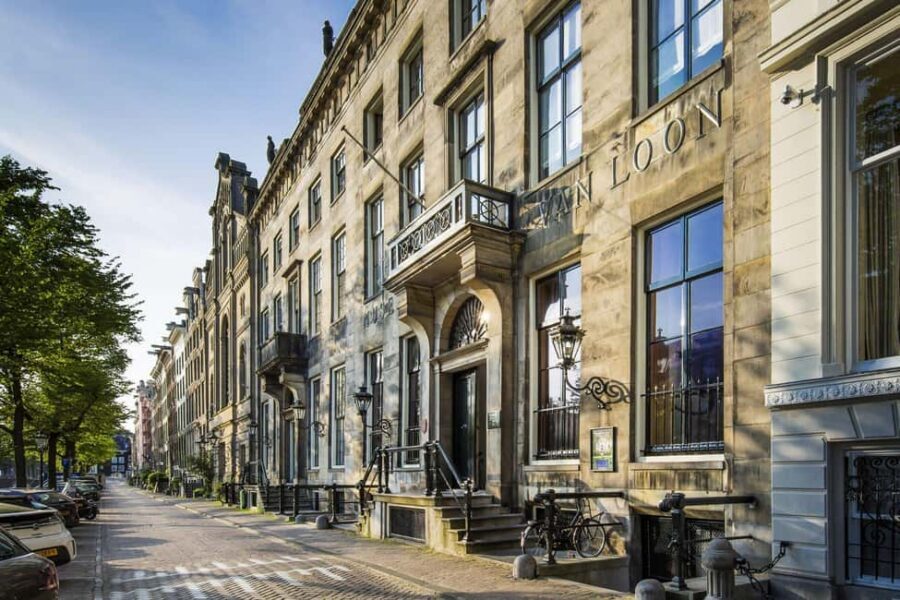
Museum Van Loon sits on Keizersgracht 672, right in the heart of Amsterdam’s canal belt. That location matters. You’re not commuting to a museum out in the suburbs—you’re stepping into the kind of address that made the wealthy visible, day after day, to everyone passing along the water.
I like that this visit gives you a “slow look” option. The ticket is for entry, and you can explore at your own pace. That’s helpful in Amsterdam, where the city can be busy and your mood changes hour to hour. Some days you want crowds and big views; other days you want quiet rooms and long pauses.
The house itself is the star. It was constructed in 1672, which places it in the Dutch Golden Age era. And it’s been open to the public since 1973, meaning it’s not just a preserved exterior. Inside, the museum concept is about showing how a household worked—how people lived, collected, displayed, and moved through their city.
What You See Inside: Rooms, Art, Furniture, and Everyday Objects
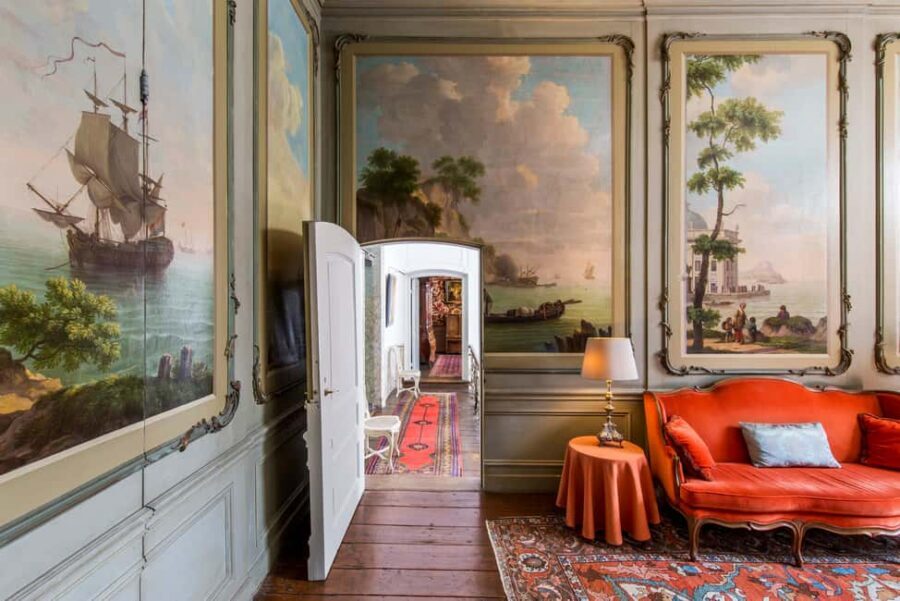
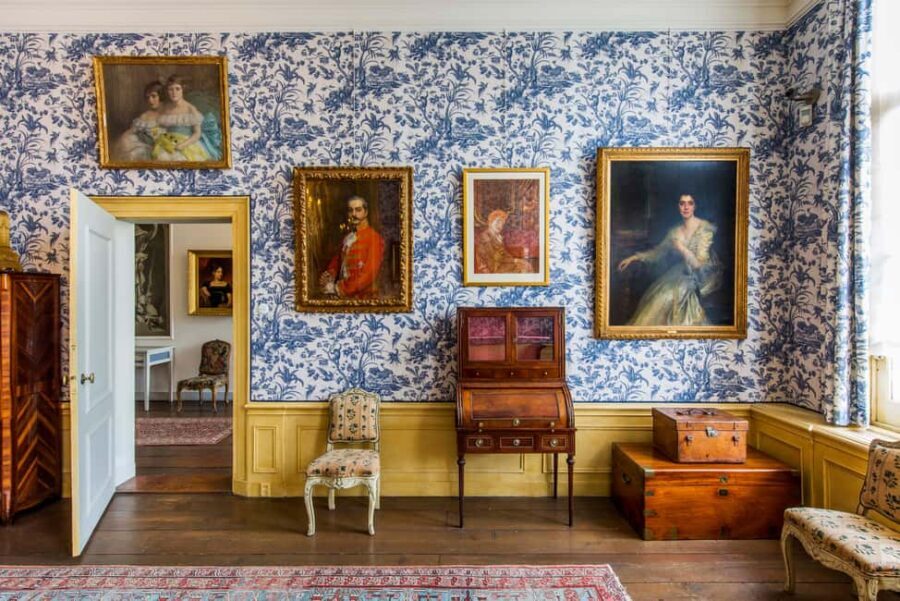
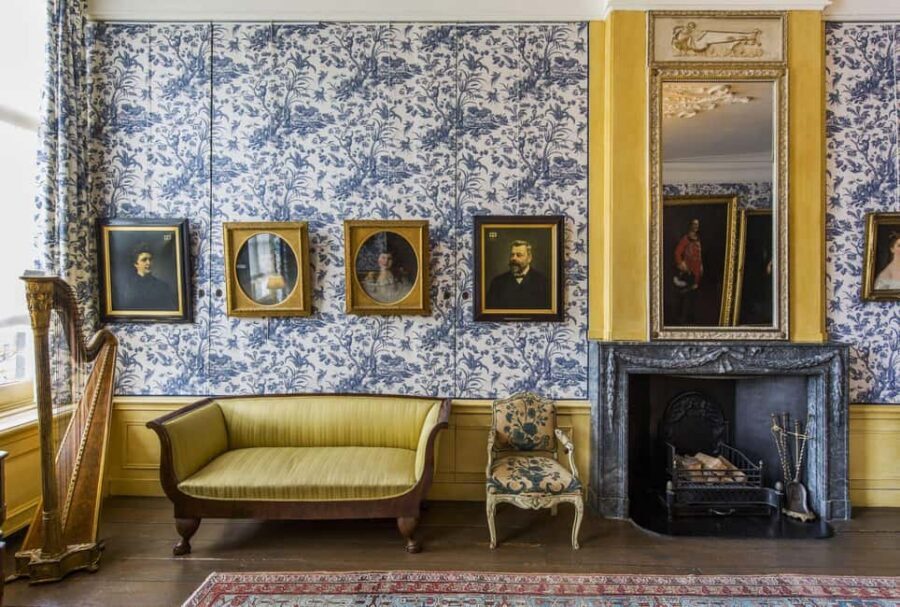
Once you’re in, expect a sequence of historic rooms that gradually shifts your focus. At first, you notice the architecture and the scale. Then you start picking up the bigger story: this was a home where art and display had meaning, and the objects weren’t just decoration—they were part of daily life and status.
Here’s what you can look forward to:
- Paintings and a portrait gallery that depict the family who lived here
- Furniture and utensils for everyday use, which is often the detail that makes history feel real
- Objects and materials that help you connect the house and its people to the broader city and world
One reason I think this museum works is that it doesn’t treat “history” like a postcard. It nudges you to think about routines: where someone might have put things, how a household might have arranged daily life, and how art collection fit into that picture.
There’s also a key early link in the story. The first tenant mentioned is painter Ferdinand Bol. That detail gives you a nice anchor. You can use his presence as a mental timeline marker as you move through the rooms and then into the Van Loon family sections.
A few more Amsterdam tours and experiences worth a look



The Portrait Gallery: A Family Tree You Can Walk Through
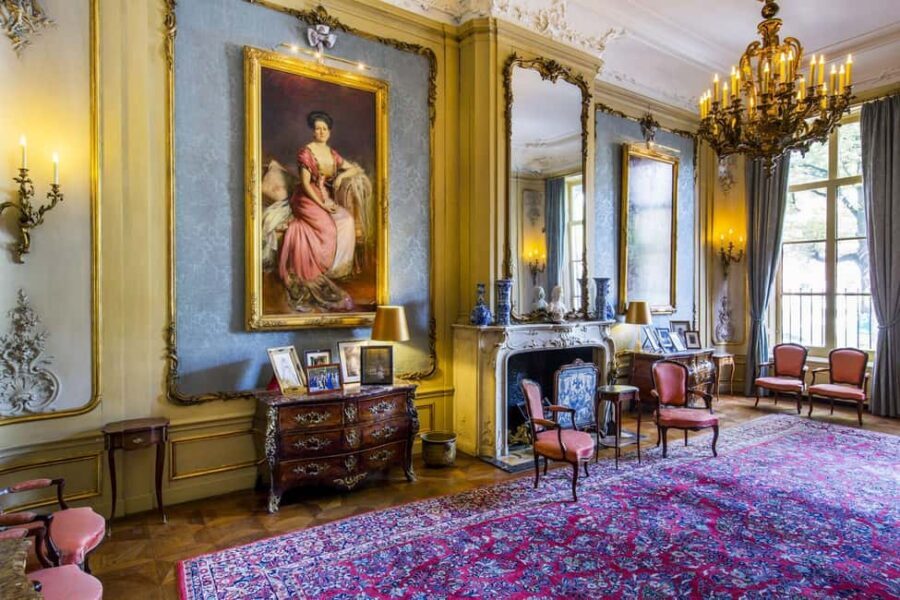
If you only have energy for one part, make it the portrait gallery. It’s one of the highlights for a reason. Portraits are the closest thing you’ll get to meeting the people—at least in the way they wanted to be remembered.
As you move through, look beyond faces. Notice how the portraits help build a sense of lineage and identity. The museum uses these images to show the family’s continuity and role in Amsterdam. It’s a very human method for understanding wealth and influence: instead of relying only on dates, it gives you people.
This section also pairs well with the general theme the museum uses throughout: connecting private life with public connections. The house is personal, but the family story isn’t sealed off from the city. You’re meant to see those links.
City and World Connections: How the House Explains Amsterdam’s Big Picture
Museum Van Loon doesn’t stop at showing a pretty building. It also gives you context for how the people inside were connected to Amsterdam and further out. The museum includes items and materials that help you understand the family’s position and reach.
One review specifically pointed to the period connected to the Oriental Indian company. While you shouldn’t expect a modern lecture, you can use that kind of clue to frame what you’re seeing. In a 17th-century wealthy home, you’re often looking at money, trade networks, and the cultural results of worldwide connections. Even if the museum keeps things visual and object-focused, the underlying theme is there: Amsterdam didn’t grow in isolation.
I like this approach because it turns a canal-house visit into something more useful for your trip. When you understand that these homes were tied to global trade and city power, the rest of Amsterdam clicks faster—churches, merchant streets, historic neighborhoods, even the way the canals shaped movement.
The Inner Garden: A Breather from Museum-Walls Thinking
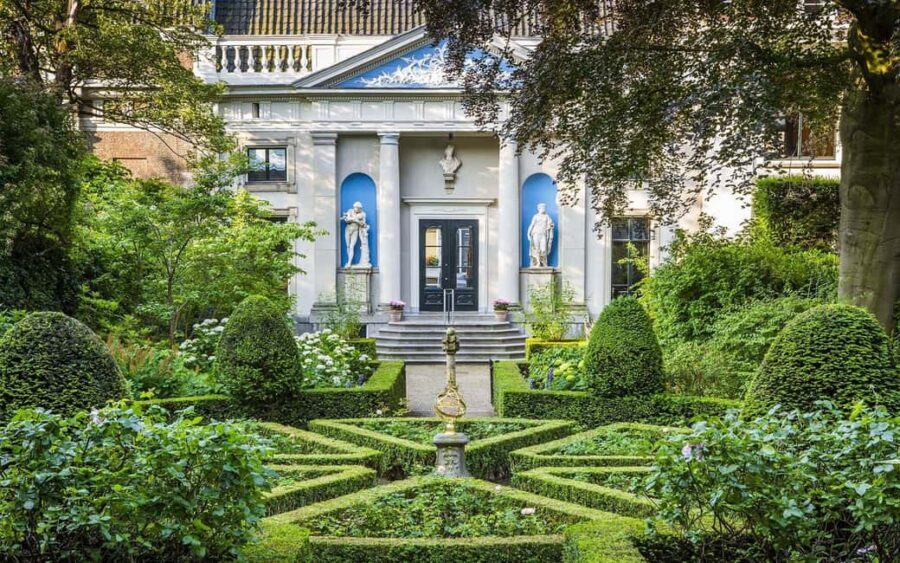
After the rooms, you’ll want to reset your eyes. The museum includes a peaceful inner garden, and that’s not just a pleasant add-on. Gardens in historic houses matter because they show how people used space beyond indoor display.
One thing the museum highlights is the sense of seasons in the garden. That detail can change how you experience the space. If the museum signage or displays are showing seasonal shifts, it helps you understand that gardens weren’t static ornaments—they were part of the year, part of routine, part of how households experienced time.
For me, the garden is where the visit stops feeling like a checklist and starts feeling like a full day. It’s also where the mansion’s scale becomes less intimidating. You can slow down, look at details, and then return to the house rooms with a calmer frame of mind.
Coach House Time: A Different Side of Household Life
Don’t skip the coach house. If you tend to think of “big old houses” as all drawing rooms and formal portraits, the coach house adds balance. It pushes you toward the practical side of how the household functioned—movement, storage, and the equipment that made daily operations possible.
Even without a guided explanation, the coach house helps you connect the fancy with the functional. It’s a reminder that wealthy life still depended on logistics: getting people and goods where they needed to go, keeping animals and equipment handled, and running the household as a system.
This is one of those museum stops that can be more interesting than expected if you like hands-on realism. It’s also a nice pace-break between the garden and any remaining rooms.
You can also read our reviews of more museum experiences in Amsterdam






Temporary Exhibits: When You Should Spend Extra Minutes
The museum has occasional temporary exhibits. That means your visit might include something beyond the core collection—often a chance to focus on a theme or spotlight certain objects more clearly than usual.
I treat temporary exhibits like optional bonus chapters. If you like museum variety, give them a few extra minutes. If you’re more focused and you want the main house and garden experience, you can keep it simple and prioritize the core areas first.
Either way, temporary displays are a good reason to plan your time so you don’t rush the rooms. A self-paced museum works best when you let one section slow you down instead of forcing your pace.
Price and Value: Is the Ticket Worth $21?
At around $21 per person, this ticket is fairly direct: you’re paying for access to a 17th-century canal house, plus the garden and the coach house. What makes that value feel reasonable is that you’re not just paying for a view from outside or a quick room-and-out experience.
You get:
- A well-defined house experience on a major canal-belt address
- A portrait-focused look at the family connected to the mansion
- Collections and everyday objects that help you picture actual life
- Outdoor space (inner garden) plus the coach house for a more complete household story
Also, because the museum is open 7 days a week from 10:00 AM to 5:00 PM, you can fit it into your Amsterdam rhythm without too much stress. This flexibility helps the value. It means you can choose a calmer part of your day and still stay on track.
My advice: treat it as a main attraction, not a filler. If you’re doing canals, museums, and neighborhoods in one day, this is the kind of ticket that deserves room on the calendar.
How Much Time to Plan for a One-Day Ticket
The ticket is valid for 1 day, and start times are based on availability. You can’t fully control the exact entry time window, so plan to arrive during operating hours and then stay as long as you want in the building.
Since the visit is self-paced and includes multiple components (rooms, portrait gallery, garden, coach house, plus potential temporary exhibits), I’d plan your day like this:
- Start with the house sections first
- Give the garden and coach house time to breathe
- Leave a little buffer for whatever temporary exhibit is running
This keeps you from feeling rushed. It also lets you follow your interests. If you love portraits, you’ll naturally spend longer in that area. If you’re more focused on furniture and daily items, you’ll likely drift through different rooms more slowly.
Who Should Book Museum Van Loon (and Who Might Feel Underwhelmed)
This visit is best for you if:
- You like historic homes that show how people lived, not just what they owned
- You enjoy portrait collections and family-line stories
- You want a calmer alternative to larger, busier museums in central Amsterdam
It might feel less satisfying if:
- You want heavy, detailed interpretation in every room
- You get frustrated when some spaces offer fewer explanations than you expected
And one more practical point: it’s not suitable for wheelchair users or people with mobility impairments. That matters because canal-house museums often involve stairs and tight layouts, and the listing explicitly flags this.
What the Reviews Signal About Quality and Expectations
The overall rating is 4.4 based on 71 reviews, which is solid. The strongest praise centers on the canal house setting and the family/history angle. One standout comment highlighted the museum as a place to learn about Dutch history alongside the context of the Oriental Indian company era.
There’s also positive feedback for the house itself as a typical Amsterdam mansion, plus the sense that it’s worth seeing in person.
The most common caution is that some rooms can feel a bit empty of information, meaning you may need to read closely or accept that the museum is more object-focused than lecture-focused. One low rating mentioned a case where it apparently wasn’t open as shown on a ticket—rare, but it’s a good reminder to check current hours the day you go.
Practical Tips to Make Your Visit Smoother
- Arrive with a mental goal: portraits and family story, or daily-life objects, or garden and coach house. It helps you decide where to spend your time.
- Slow down in the portrait gallery: give your eyes time to connect names and faces, even if the captions are brief.
- Don’t treat the garden as an afterthought: it’s part of what makes the day feel complete.
- Check opening hours before you go: the museum’s stated hours are 10:00 AM to 5:00 PM, but I always confirm on travel days.
Should You Book This Canal House Ticket?
I think you should book Museum Van Loon if you want a real Amsterdam address to step into and a self-paced way to understand 17th-century household life. The combination of the canal-house rooms, the portrait gallery, the inner garden, and the coach house makes it more than a quick look. At about $21, it’s a good value for the time you can spend and the variety of spaces you’ll see.
Don’t book it expecting a fully guided, explanation-heavy experience in every room. Go expecting objects, rooms, and atmosphere—and then you’ll get what makes this place work.
FAQ
Where is Museum Van Loon located?
Museum Van Loon is on the canal at Keizersgracht 672, in Amsterdam’s canal belt.
How much does the Museum Van Loon entry ticket cost?
The price listed is $21 per person.
How long is the experience?
The ticket is for 1 day.
What are the opening hours?
Museum Van Loon is open 7 days a week from 10:00 AM to 5:00 PM.
What’s included with the ticket?
The ticket includes Museum Van Loon admission.
Is food and drinks included?
No. Food and drinks are not included.
Is there a coach house and garden to visit?
Yes. You can explore the garden and the coach house during your visit.
Is Museum Van Loon suitable for wheelchair users?
No. It is listed as not suitable for wheelchair users and people with mobility impairments.
What languages is the experience available in?
The listing indicates languages are available, but it doesn’t specify which ones in the info provided here.
What are the cancellation and payment options?
You can cancel up to 24 hours in advance for a full refund, and you can reserve now and pay later to keep plans flexible.