REVIEW · AMSTERDAM
Amsterdam: The Kattenkabinet Cat Museum Entry Ticket
Book on GetYourGuide →Operated by Museum Het Kattenkabinet · Bookable on GetYourGuide
Cats and serious art in one small house. At Amsterdam’s Kattenkabinet, you get a museum devoted entirely to feline themes, with famous names showing up alongside playful, everyday cat imagery. Two hours here can feel like flipping through centuries of cat-crazy creativity, all inside one calm canal-house setting.
My favorite part is how the collection mixes “proper art” with fun cat storytelling. You’ll see works attributed to artists like Picasso and Rembrandt, plus plenty of lesser-known pieces that make the whole place feel human, not snooty. One thing to consider: it’s not a huge museum, so plan for a short visit, not an all-day art marathon.
In This Review
- Quick, practical highlights
- The Herengracht setting: art in a 17th-century canal house
- What you’ll actually see: cat paintings, prints, posters, sculptures, and odd artifacts
- Bob Meijer’s founder story and the cat memorial shrine
- Resident cats inside the museum: the fun factor you’ll want to catch
- Garden time and the “how long can you linger?” question
- How long should you plan for? (Because it’s smaller than you expect)
- Price and value: what $15 buys you in the real world
- Where it fits on your Amsterdam day
- Family-friendliness: why this works for kids
- Gift shop appeal: posters, tote bags, and cat-themed souvenirs
- Should you book Kattenkabinet? (My quick decision guide)
- FAQ
- How much is the Kattenkabinet cat museum ticket?
- How long does the visit take?
- What kind of art and cat-themed exhibits will I see?
- Are there real cats in the museum?
- Can I bring food or drinks into the museum?
- Is it a good activity for kids?
- Is free cancellation available?
Quick, practical highlights
- A cat-only museum in a real canal-house on the Herengracht
- Big-art names you’d expect in a standard museum, but focused on cats
- Bob Meijer’s founder story and a memorial-style corner for cat lovers
- Resident cats inside the museum, and you may be able to pet them
- A generally short outing that works best as an afternoon stop
The Herengracht setting: art in a 17th-century canal house

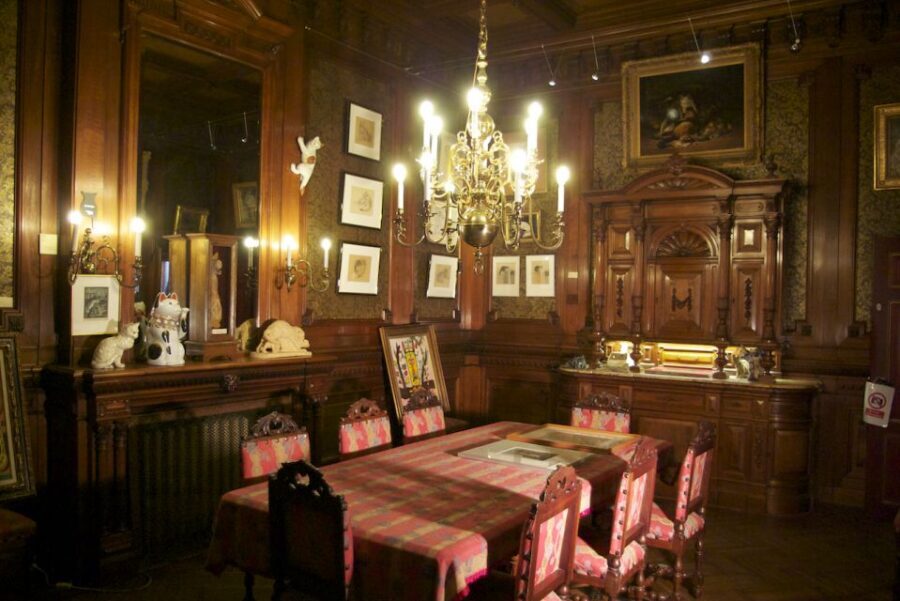
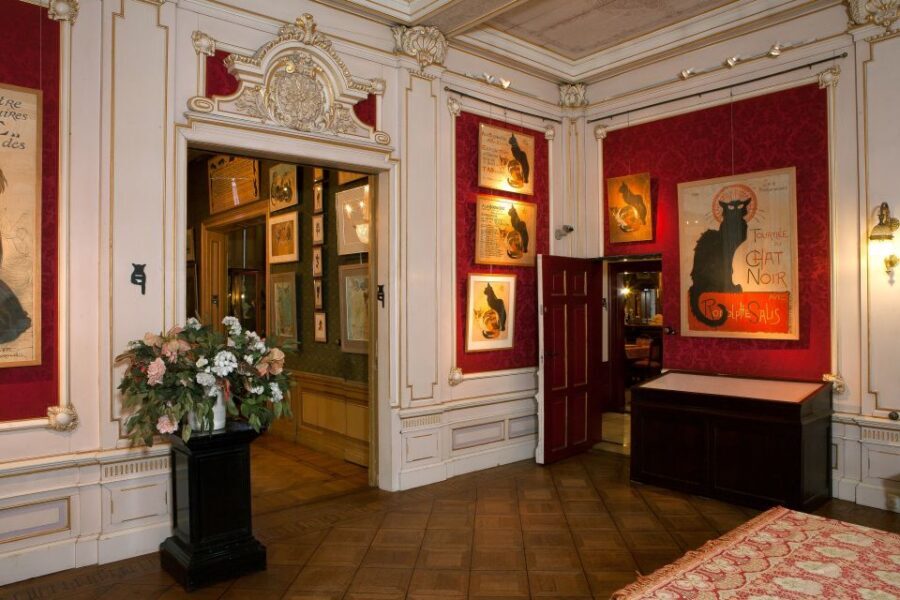
Kattenkabinet doesn’t feel like a warehouse museum. It feels like stepping into an older Amsterdam home along the Herengracht canal, where the walls and rooms do some of the work for the atmosphere. The museum is housed in what’s described as a 17th-century building, which helps the art feel personal rather than staged.
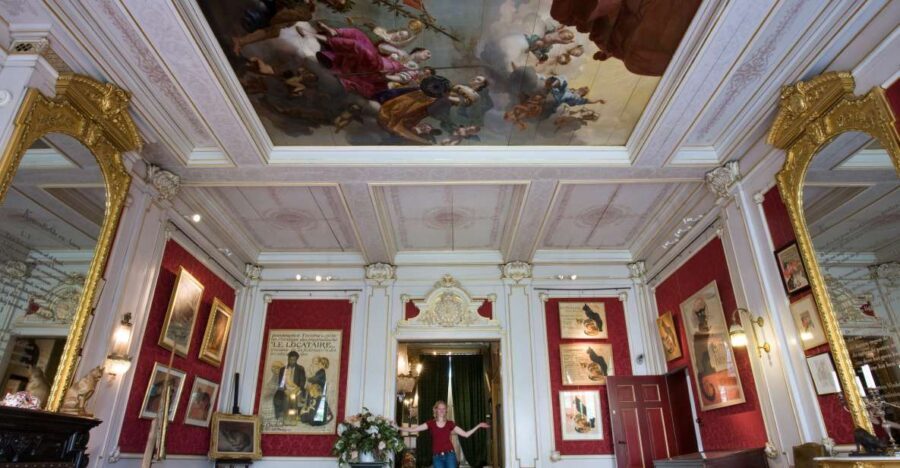
One room feature you should watch for is a 17th-century ceiling painting. After renovations in the 1980s, it was brought back and is attributed to the school of De Lairesse. The subject is the Amsterdam City Virgin, a reminder that this cat museum is still very much rooted in local art and history, even when the theme is ridiculous—in the best way.
Because the building is a house, the layout is compact. That’s good news if you want something focused. It’s less great if you’re hoping for a sprawling walk-through with lots of seating breaks. You’ll likely keep moving room to room.
A few more Amsterdam tours and experiences worth a look



What you’ll actually see: cat paintings, prints, posters, sculptures, and odd artifacts
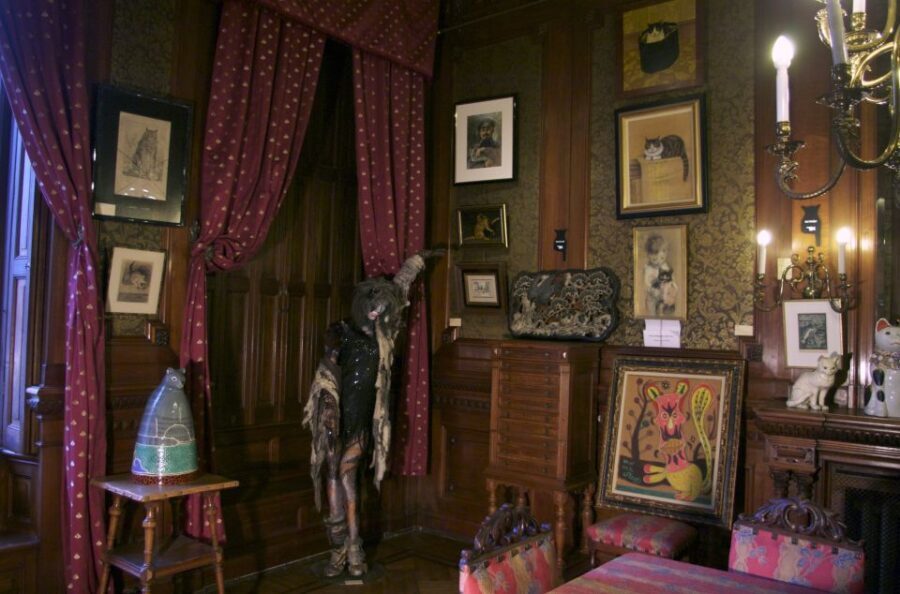
The Kattenkabinet collection is described as huge in variety, even if the museum footprint is small. Expect cat-inspired works across styles and formats: paintings, drawings, sculptures, posters, lithographs, photos, and other oddities.
This is where the museum really earns its keep. Even if your taste leans toward fun more than fine art, you’ll still recognize major art names sprinkled through the rooms. The museum is known for works connected with artists including Rembrandt, Picasso, and Toulouse-Lautrec, plus artists such as Corneille and Jože Ciuha. You won’t see one vague “cat theme.” You’ll see how artists kept returning to the same animal—sometimes lovingly, sometimes as symbol, sometimes as pure subject matter.
And then there are the more surprising pieces. One visitor notes a mummified cat from 200 BC, which tells you this collection doesn’t stay in one era. It wanders across time to make a point: cats have been part of human culture for a very long time.
The mix also matters. You’ll likely notice a blend of famous-brand names and lighter, playful works by lesser-known artists. That balance keeps the visit from feeling like a checklist. It feels like a personal obsession turned into a real art show.
Bob Meijer’s founder story and the cat memorial shrine
A regular art museum usually starts with dates and movements. Kattenkabinet starts with a person—and a cat. You’ll learn about museum owner and cat lover Bob Meijer, and how he first established the collection. That origin story matters more than it sounds, because the museum isn’t just about cats as decoration. It’s about the relationship between cats and their people.
There’s also a tribute shrine-like area where visitors can add photos of their own cats if they want. This is one of the sweetest touches in the whole place. It turns the museum from a one-way viewing experience into something like a living guestbook. If you’re bringing kids, it’s an easy way to make the visit feel participatory without turning it into a classroom.
In the same spirit, there are spaces with notes and small reminders that other cat owners have contributed. It reinforces the idea behind the museum: the cat-human bond is the real theme, even when the content is framed as art.
Resident cats inside the museum: the fun factor you’ll want to catch
Unlike many “cat themed” spots, Kattenkabinet includes resident cats inside. They’re described as dotted around the museum, and multiple visitors mention opportunities to interact—sometimes even petting. If you’re coming for a cat fix, this is the part you should watch for as you enter and as you move between rooms.
Some visitors specifically mention cats by name, like Nala and Oscar. That doesn’t mean you’ll meet the same cats on your day, but it does tell you the cats are real participants in the experience, not just a marketing detail.
You’ll also want to manage expectations. This is not a big cat cafe with lots of seating and long hangout time. Think of the cats as “part of the rooms,” like living decor with personality. If they’re resting somewhere you don’t pass, you may miss them for a bit. If you catch them active, it can add a lot of charm to an already quirky visit.
Garden time and the “how long can you linger?” question
Kattenkabinet also has a garden area mentioned as part of the overall visit experience. Several reviews mention enjoying the outdoor space to sit, especially as a breather between rooms.
But there’s a practical catch: the museum’s outdoor/back area may be seasonal. One visitor says the back area was closed off until summer, and another notes that outside area was closed in spring. So if you’re visiting in a shoulder season, don’t plan your whole afternoon around the garden being fully accessible.
Inside, seating is limited. More than a few visitors say the museum is small and that it doesn’t give you a lot of places to sit and relax. The good news is that the art is packed into a compact footprint, so the lack of seating doesn’t ruin the core experience. It just means you should accept this for what it is: a focused, art-filled wander, not a lounge-fest.
Also note the house rules: it’s not allowed to bring food and/or drinks into the museum, and smoking in the garden isn’t allowed. If you want a snack break, plan that before or after.
You can also read our reviews of more museum experiences in Amsterdam






How long should you plan for? (Because it’s smaller than you expect)
Kattenkabinet’s official duration is listed as 1 day, which is typical for ticketed attractions. But the lived reality is usually much shorter. Many visitors describe finishing quickly—some in as little as 20 minutes, others around an hour or two.
Here’s the best way to plan: go in with a mindset of a “cat-and-art stop,” not a long museum day. If you read slowly, check out the full variety, and spend time looking at the founder story and the memorial shrine, you may end up closer to the longer end. If you’re mainly chasing the cats and the standout famous works, you’ll likely wrap sooner.
This timing works especially well with Amsterdam, where you can build a day around short, high-interest stops. It’s also a great option if you’re traveling with kids who need frequent “new stuff” instead of long galleries.
Price and value: what $15 buys you in the real world
At about $15 per person, Kattenkabinet sits in the “small museum, specific theme” pricing lane. You’re not paying for a huge building full of rotating exhibitions. You’re paying for a rare concept done in a real home, with a serious art collection focused on one subject, plus live resident cats.
So the value depends on what you came for:
- If you’re a cat person who also likes art, this is strong value. You’re getting famous names tied to the cat theme, plus the living-cats element that most museums can’t deliver.
- If you’re expecting a big, quiet art museum experience with lots of seating and hours of wandering, you may feel like you paid for something more compact than anticipated.
A useful way to frame it: it’s the kind of ticket you buy when you want a memorable story, not when you want to “cover Amsterdam museums.” The small size can feel like a drawback, but it can also feel like efficiency. You get your cat-art dose without losing half a day.
Where it fits on your Amsterdam day
Kattenkabinet is on the Herengracht canal, which puts it in a nice part of Amsterdam for walking. That matters because you can pair it with a light, canal-focused afternoon without complicated transit.
A simple approach:
- Start with your art walk inside the museum.
- Add a short stroll along the canal outside (especially if the garden is open).
- Then move on to your next interest nearby rather than trying to cram more “museum time” into the same block.
If you want the day to feel balanced, treat Kattenkabinet as your warm-up or palate cleanser. It’s quirky and playful, but the art is real. That combo can reset your brain after heavier museum visits.
Family-friendliness: why this works for kids
Kattenkabinet is described as an activity that’s perfect for all ages, and kids are usually engaged by two things: the variety of cat art and the resident cats moving around the rooms. One family mentions keeping children ages 9 and 13 engaged for a good stretch, which is a good sign if you’re traveling with school-age kids who get bored with long lectures.
For younger kids, the cats can be the main event. For older kids, the art styles and well-known artists add a layer of “this isn’t just a novelty.” Either way, it tends to land well because it’s not a huge commitment in time.
Gift shop appeal: posters, tote bags, and cat-themed souvenirs
If you like taking something home that actually fits the theme, the museum gift shop shows up repeatedly in visitor comments. Posters, tote bags, and other small cat-themed items are mentioned, and it’s a nice way to extend the experience after you’ve finished the rooms.
This matters for value. A small ticket price can feel easier to justify when you know you can bring home a piece that matches the vibe.
Should you book Kattenkabinet? (My quick decision guide)
Book it if:
- You love cats and you also like seeing cat imagery treated as art, not just cute decoration.
- You’re happy with a short visit where the rooms are packed and the theme stays focused.
- You’d enjoy the chance to see resident cats inside the museum.
Skip it (or at least reconsider) if:
- You want a large museum with tons of seating and a full-day schedule.
- You’re mainly interested in cats as animals rather than cats as a cultural subject.
- You’re visiting when you strongly need outdoor garden time (seasonal closures can happen).
If you like your Amsterdam days a bit strange and a bit smart, Kattenkabinet is exactly that.
FAQ
How much is the Kattenkabinet cat museum ticket?
The entry ticket price is listed as $15 per person.
How long does the visit take?
The experience is for one day, but it’s generally a short outing because the museum is small. Many visitors describe finishing in about 20 minutes to around two hours.
What kind of art and cat-themed exhibits will I see?
You can expect cat-focused art and items like paintings, drawings, sculptures, posters, lithographs, and photos. The collection includes works associated with major artists such as Picasso and Rembrandt.
Are there real cats in the museum?
Yes. The museum has resident cats that are described as being dotted around the space, and in some cases visitors say you can pet them.
Can I bring food or drinks into the museum?
No. It’s not allowed to bring food and/or drinks into the museum, and smoking in the garden isn’t allowed.
Is it a good activity for kids?
It’s described as suitable for all ages, and visitors note that it can keep children engaged, especially with the resident cats and the variety of cat art.
Is free cancellation available?
Yes. Free cancellation is offered up to 24 hours in advance for a full refund.