REVIEW · AMSTERDAM
Amsterdam: Rijksmuseum (Private Tour & Priority Access)
Book on Viator →Operated by Amor Artium · Bookable on Viator
Most people hit the Rijksmuseum like a sprint.
A private tour gives you space to slow down, plus priority access so you start seeing art faster. I also love that your guide sets the pace based on your interests, which makes the 2 hours feel less like a checklist and more like a real lesson.
You’ll get skip-the-line entry and a focused run through Dutch 17th-century masterpieces, with specific attention to how the paintings are made and why Amsterdam mattered. One thing to keep in mind: the Rijksmuseum is huge, so this is a smart highlight route, not a full museum walkthrough.
If you want better meaning per minute, this is a strong match. You’ll finish the tour with a clearer sense of what you’re looking at, then you can keep exploring on your own.
In This Review
- Key things to notice before you go
- Why priority + private makes the Rijksmuseum feel manageable
- Getting in quickly: where you meet and why the reserved entry matters
- Inside the museum: what you’ll actually do in 2 hours
- Stop one at the Rijksmuseum: the highlight route that teaches you how to look
- Rembrandt brushstrokes: technique you can spot without being an expert
- Vermeer’s intimate scenes: understanding mood, not just subjects
- Frans Hals smiling figures: why faces feel different when you know the era
- The broader 1600s story: why Dutch art took off in Amsterdam
- Van Gogh’s 1885 Rijksmuseum moment: a history thread you can follow on-site
- What happens after the tour: keep the momentum at your own pace
- Language and group style: when private really pays off
- Price and value: does $179.51 per person make sense?
- Who this tour is best for (and who should consider another plan)
- The bottom line: should you book this Rijksmuseum priority private tour?
- FAQ
- How long is the Rijksmuseum private tour with priority access?
- Is admission included?
- Where do I meet the guide, and where does the tour end?
- Is the tour private or group-based?
- What language is the tour offered in?
- Can I stay in the museum after the tour?
- Is there reserved entry or skip-the-line access?
- What is the cancellation policy?
- Is the experience suitable for most people and are service animals allowed?
Key things to notice before you go
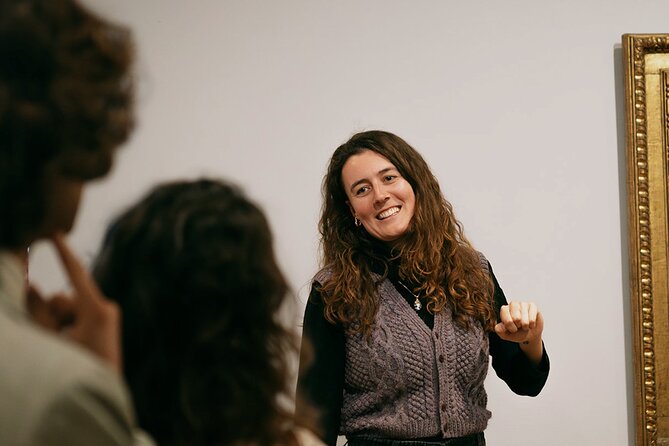
- Private group only: it’s just your group, guided by an art historian, not a crowd script.
- Priority entry: reserved entrance tickets help you avoid the worst bottlenecks.
- Made-for-thinking art talk: expect explanations tied to techniques and the 17th-century Dutch story.
- Rembrandt, Vermeer, and Hals coverage: the tour names specific artists and what to watch for in their work.
- Van Gogh’s Rijksmuseum connection: you’ll get a real historical link that adds context to the museum today.
Why priority + private makes the Rijksmuseum feel manageable
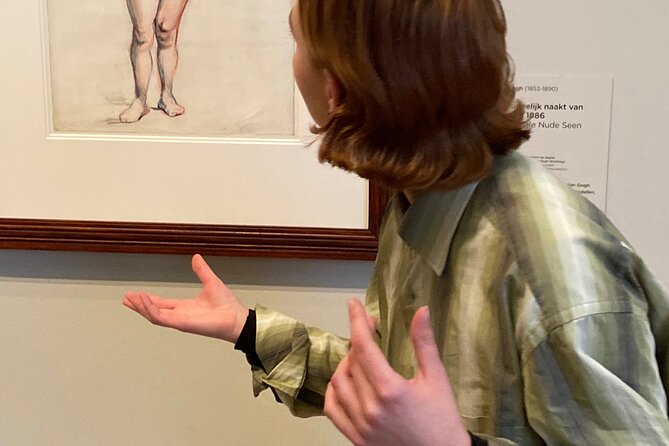
The Rijksmuseum can overwhelm you fast. Even if you love art, the scale and popularity can turn your day into a waiting-and-rushing loop. This tour fixes that with priority access and a private format that keeps your attention where it belongs: on the paintings.
What I like most is the teaching style you get from an art historian. Instead of saying, This is important, and moving on, your guide points you toward what to notice. That changes your experience instantly. Brushstrokes start to look like decisions, not just paint.
The second big win is time efficiency. In about 2 hours, you can get a solid map of Dutch art in the 1600s, plus a quick but meaningful thread into later history. That makes your self-guided wandering after the tour way easier, since you’ll recognize themes and styles rather than just faces and frames.
You can also read our reviews of more tours and experiences in Amsterdam.
Getting in quickly: where you meet and why the reserved entry matters

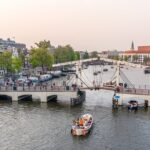
You’ll meet at Cobra Café, Hobbemastraat 18, 1071 ZB Amsterdam. Your tour ends at the Rijksmuseum entrance on Museumstraat 1, 1071 XX Amsterdam.
The practical reason to care about this: the Rijksmuseum gets packed. Priority access is built into the experience through reserved entrance tickets (listed as €25 per ticket). That matters most at the beginning, when you’d otherwise burn time standing still.
You also get a mobile ticket. That’s one less thing to manage on a busy day—no scrambling for printed confirmations while everyone else lines up with the same plan.
Inside the museum: what you’ll actually do in 2 hours
This tour is designed as a focused, teacher-led route. You won’t try to see everything, and you don’t need to. The Rijksmuseum is the kind of place where seeing fewer works well can beat seeing dozens while half-distracted.
At the start, your art historian guides you through the highlights of Dutch 17th-century painting. The itinerary is anchored around three big names, and then broadened with context so you understand the bigger picture of Amsterdam and its art market.
As you move, your guide links art to life in that era—why Dutch painting flourished, how Amsterdam became famously liberal, and what that meant for artists and patrons. That sounds broad, but it’s useful. It turns individual masterpieces into evidence for a real story.
Then you get the extra twist: a connection to Van Gogh and the Rijksmuseum’s opening in 1885. The result is a tour that starts in the 1600s and still feels relevant to what you’re looking at in front of you today.
Stop one at the Rijksmuseum: the highlight route that teaches you how to look
The tour is one main stop: the Rijksmuseum itself. You’ll stay with your guide for about 2 hours total, and admission is included. After the tour, you’re free to remain in the museum for as long as you want.
This structure is smart for two reasons.
First, it keeps the experience focused. You’re not jumping between multiple venues. You’re learning within one place, where the art and the setting reinforce each other.
Second, it gives you a payoff window. The guide’s job is to help you see what matters. Afterward, you can keep exploring while using what you’ve learned as your personal filtering system.
Rembrandt brushstrokes: technique you can spot without being an expert
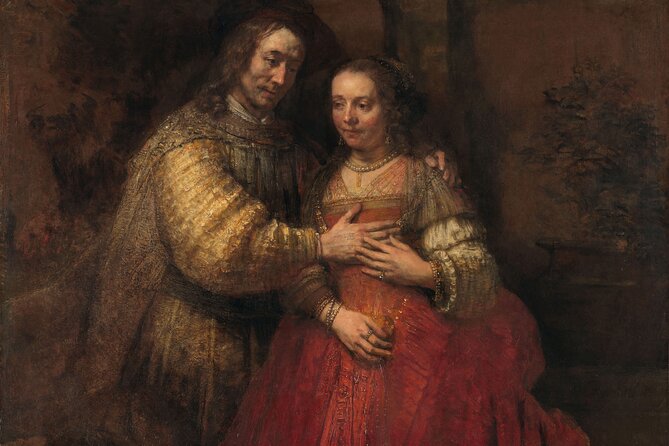
Rembrandt is mentioned right in the tour focus, and that’s a good sign. Many museum tours name famous works, but don’t teach you how to read them. Here, you’re guided toward the details—specifically his brushwork.
When an art historian points out technique, you start noticing things you’d otherwise miss, even if you’ve seen the painting before. Brushstrokes become part of the story. Light and texture stop being vague impressions and start turning into craft decisions.
For practical planning: if you’re the kind of visitor who likes to stand close and take time, a private setting helps. You can pause for a question without turning your experience into a group bottleneck.
If you prefer to keep things moving, your guide can likely adjust too. The reviews highlight that the guide asks about your knowledge level and your interests, which suggests the tour isn’t one-size-fits-all.
Vermeer’s intimate scenes: understanding mood, not just subjects
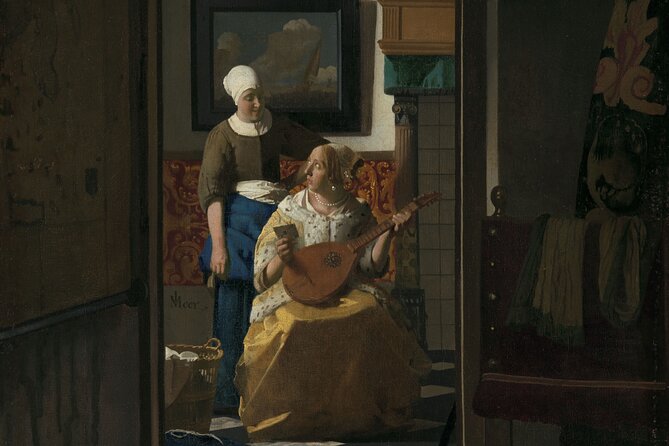
Vermeer’s work is another anchor point on this tour. The description emphasizes his intimate scenes, which is exactly where technique-based guidance pays off.
With Vermeer, it’s easy to get stuck in admiration mode. Technique talk helps you move from I like this to I understand why this feels calm, personal, and carefully observed. That’s the difference between recognizing a name and actually learning from the work.
In a private tour, Vermeer’s scale of attention makes sense. You’re not forced to look for a set time. You can linger if the guide’s explanations pull you in.
Frans Hals smiling figures: why faces feel different when you know the era
The tour also calls out Frans Hals and his smiling figures. That’s perfect for visitors who want something joyful but still want context.
When your guide connects Hals to the 17th-century world, those faces become more than expressions. You start to see them as part of the social fabric of the time: what it meant to portray people, how portraits worked in Dutch culture, and how painting style communicated status and character.
Again, this is where private format matters. You can ask, Why does this face feel alive? or What should I notice first? without worrying about slowing down a large group.
The broader 1600s story: why Dutch art took off in Amsterdam
A good museum tour doesn’t stop at famous canvases. It explains why they happened.
This one covers why Dutch art was flourishing in the 17th century and how Amsterdam grew into a more liberal city. That context can be surprisingly useful even if you don’t care about politics. It helps you understand the conditions that encouraged artists, collectors, and new ideas.
Think of it like this: you’re not just learning about painting. You’re learning about the audience behind the paintings. Once you get that, you start to recognize recurring themes across works that you might otherwise treat as separate masterpieces.
If you want your museum day to feel connected instead of random, this kind of framing is a win.
Van Gogh’s 1885 Rijksmuseum moment: a history thread you can follow on-site
Here’s the detail that makes the tour more memorable than a typical highlight route.
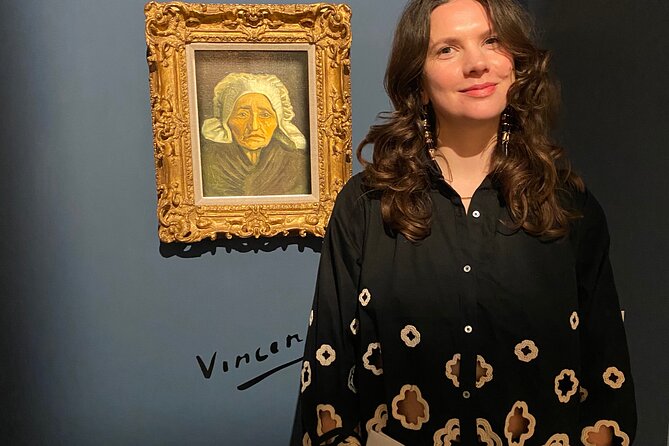
You’ll hear about Van Gogh’s visit connected to the Rijksmuseum’s opening in 1885. The tour info says he came for the opening, was waiting for a friend, and used the time to make a sketch of Amsterdam in oil paint. That day he left his bag containing the painting in the wardrobe. Now, about 150 years later, the painting is back on view.
Even if you don’t know anything about Van Gogh going in, that story gives you a human time bridge. You’re standing in a museum that has its own ongoing timeline, not just a static collection of the past.
It also makes the museum feel less like a warehouse of masterpieces and more like a living institution with its own chapters. That kind of framing is what turns a guided visit into a story you carry around afterward.
What happens after the tour: keep the momentum at your own pace
The tour is about 2 hours, but your visit doesn’t end there. You can stay in the museum as long as you want after the tour finishes.
That’s important. Many tours get you in, teach you a few works, and then you’re basically out the door. Here, you get time to test your new skills.
Practical idea: after your guide leaves you, pick a few works that match the artists you heard about—then use what you learned (brushwork, mood, portrait style, context) to guide your viewing. You’ll likely find more depth than you would on a first pass.
If you want a more relaxed schedule, this also gives you breathing room. You don’t need to rush because the tour clock is over.
Language and group style: when private really pays off
The tour is offered in English, and it’s private, meaning only your group participates.
That sounds basic, but it matters. When you’re with a smaller group, questions happen. You’re more likely to get clarification instead of nodding politely and moving on. The review feedback also points to a guide who asks about your knowledge level and what you’re interested in, which is exactly how you keep art talk from becoming either too simple or too technical.
This kind of format is especially good if you:
- want a structured route but still want flexibility,
- care about learning how to look at art, not just taking photos,
- don’t enjoy getting swept along with large tour crowds.
Price and value: does $179.51 per person make sense?
At $179.51 per person for about 2 hours, this isn’t the cheapest way into the Rijksmuseum. But the value comes from what’s bundled and how that changes your experience.
From the details you’re given:
- Skip-the-line style access is handled through reserved entrance tickets.
- Admission is included.
- The tour is private with an art historian leading the conversation.
So you’re paying for two things that are hard to replicate on your own: a timing advantage and expert guidance. Self-guided visits are great, but they don’t provide the specific technique-focused explanations named in the tour description (Rembrandt brushstrokes, Vermeer’s intimate scenes, Hals’s smiling figures) or the historical framing about Amsterdam’s liberal reputation and the 1885 Van Gogh story.
Also, the private format is inherently more expensive, but it often pays off if you’re the type of visitor who asks questions and wants your route shaped to you. If you’re going with one other person or a small group, paying per person can feel more reasonable because the cost buys you a calmer, more personal pace.
If you’re cost-sensitive and you mainly want to tick off big names, a cheaper option might work. If you want a better learning experience per hour, this price is easier to justify.
Who this tour is best for (and who should consider another plan)
This tour fits best when you want:
- priority access so your day starts smoothly,
- private guidance from an art historian,
- a focused route centered on major Dutch painters and the reasons behind their success.
It’s also a strong choice if you plan to keep exploring afterward. The guide helps you set up your own follow-up viewing, so you’re not starting from scratch.
It might be less ideal if you want to see a long, comprehensive list of galleries in one shot. This tour is about a tight highlight route in around 2 hours, not a full museum survey.
The bottom line: should you book this Rijksmuseum priority private tour?
I’d book it if you care about getting meaning out of the art and you want to spend less time waiting and more time looking closely. The combination of skip-the-line priority, a private art historian-led route, and a teach-you-how-to-see approach makes the Rijksmuseum feel less intimidating.
If you hate group tours and prefer a calmer pace, the private setup is the whole point. And if you’re curious about how art connects to Amsterdam’s 17th-century world—and you like the added Van Gogh 1885 connection—that story thread is the kind of detail you’ll remember long after you leave.
FAQ
How long is the Rijksmuseum private tour with priority access?
It runs for about 2 hours.
Is admission included?
Yes. Admission is included with the tour, and the reserved entrance tickets are included as part of the offering.
Where do I meet the guide, and where does the tour end?
You meet at Cobra Café, Hobbemastraat 18, 1071 ZB Amsterdam, and the tour ends at the Rijksmuseum on Museumstraat 1, 1071 XX Amsterdam.
Is the tour private or group-based?
It is private. Only your group participates.
What language is the tour offered in?
The tour is offered in English.
Can I stay in the museum after the tour?
Yes. After the tour, you can stay in the museum as long as you want.
Is there reserved entry or skip-the-line access?
The experience includes reserved entrance tickets, which are intended to help you enter with priority.
What is the cancellation policy?
You get free cancellation. You must cancel at least 24 hours in advance for a full refund.
Is the experience suitable for most people and are service animals allowed?
Most travelers can participate, and service animals are allowed. The meeting area is near public transportation.
Would you like me to tailor this review to your travel style—fast and focused, or slow and detailed—so you can decide whether 2 hours is enough for your Rijksmuseum goals?