Amsterdam snaps fast.
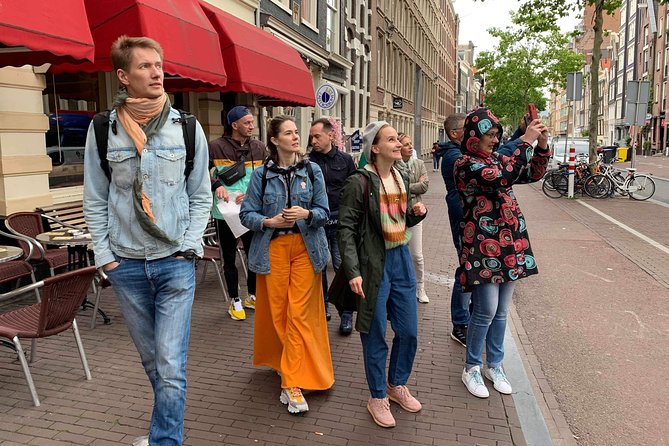
This 2.5-hour sightseeing route is a smart way to get your bearings without feeling rushed, with photo-friendly stops, classic landmarks, and food tastings guided by locals. I especially like the small-group attention (you can actually ask questions) and the built-in tastings that make the city feel personal right away, with guides such as Ana and Sasha bringing the details to life.
Two things I really loved: the panoramic photo moments at places like Blauwbrug, and the guide’s ability to connect sights to everyday Amsterdam life, from the city’s water history to what to order and how to eat like a local. Even better, the tour is designed for first-timers who want a solid outline of the city in one go, then explore on their own afterward with the included PDF plan.
The main drawback to consider is the pace: it’s a walking tour, but it’s not a stamina test, so if you’re expecting hours of nonstop strolling, you might want a second outing. Also, because tastings are part of the experience, I’d check in at the start to confirm what you’ll receive and when.
In This Review
- Key highlights worth your time
- Why this 2.5-hour Amsterdam tour works for first-timers
- Starting at Rembrandtplein: a meet point that instantly feels like Amsterdam
- Blauwbrug and the Amstel: learn the city’s water logic
- Pathe Tuschinski: architecture you can actually see and understand
- Bloemenmarkt and Munttoren: flowers, symbols, and a finance twist
- The Mouse Mansion: a quiet interior break from the shopping street
- Kalverpassage and Maarten Baas: from prison to modern corridor
- Spui Square and the herring stand: optional, but the tips are the point
- Begijnhof: the calm courtyard and the 80 Years’ War context
- Damrak tastings: cheese and stroopwafels with real food context
- National Monument, Royal Palace, and Nieuwe Kerk: power, memory, and art
- Dam Square: layers of story in the city’s center
- How much walking is really involved?
- Value and price: what $287.58 buys you
- Tips so you get the most from the tour
- Should you book this Amsterdam Sightseeing Tour with tastings and a PDF?
- FAQ
- How long is the Amsterdam sightseeing tour?
- Is the tour offered in English?
- What tastings are included?
- Is Dutch herring included?
- Where do we meet, and where does the tour end?
- Is this a private group experience?
- What is the cancellation policy?
Key highlights worth your time
- Panoramic views over the Amstel at Blauwbrug, perfect for photos and quick context on why water matters here
- Art Deco to Amsterdam School architecture at Pathe Tuschinski, with the creator’s story and design details
- Amsterdam’s signature food stops, including dutch cheese and stroopwafels on Damrak
- A mini-attraction detour at The Mouse Mansion, a quiet, whimsical interior you’d miss otherwise
- Kalverpassage’s surprise backstory, from prison history to a modern art corridor
- Courtyard calm at Begijnhof, plus a peek into a hidden church setting
Why this 2.5-hour Amsterdam tour works for first-timers
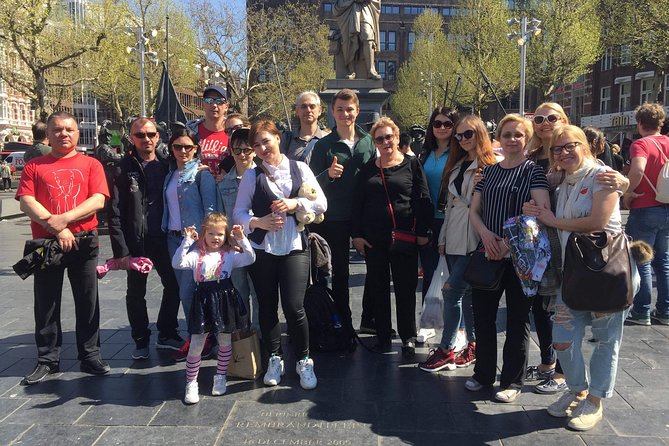
If you’re in Amsterdam for a short stay, this tour hits a sweet spot. It’s long enough to make sense of the city’s layout and major landmarks, but short enough that you still have energy to wander afterward. The route is centered on areas that naturally tie into big themes: canals and water, architecture, old and new Amsterdam, and Dutch food culture.
The tour also runs as a private group experience for your party. That matters more than it sounds. With only your group, the guide can slow down when you have questions, and you’re less likely to feel like you’re stuck behind someone who isn’t listening.
And yes, the photos are easy here. You’ll hit classic views, plus a few stops that look like set pieces. If you like walking away with actual pictures that match what you learned, this helps.
You can also read our reviews of more tours and experiences in Amsterdam.
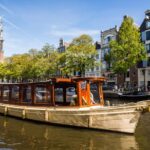
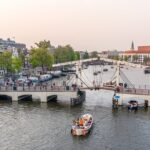
Starting at Rembrandtplein: a meet point that instantly feels like Amsterdam
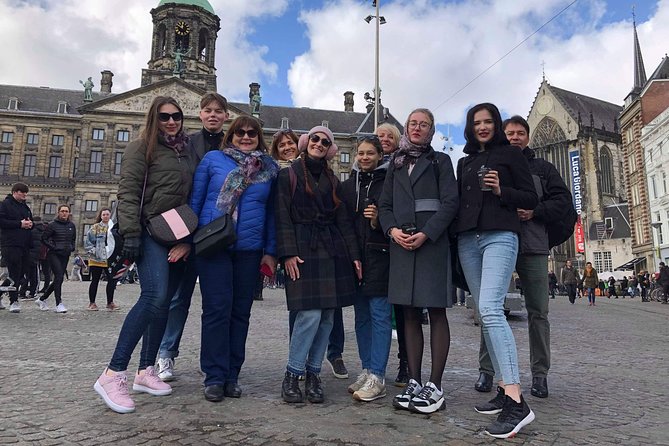
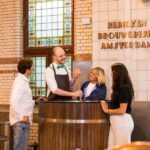
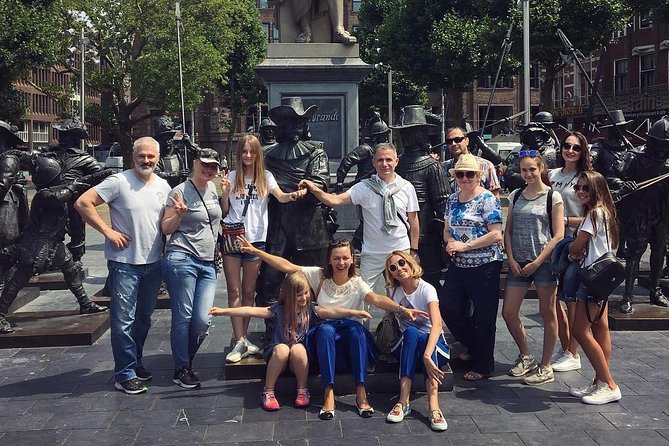
You begin at Rembrandtplein (1017 CV), right by the statue of Rembrandt. It’s a lively square, which is exactly what you want at the start. You’re not dumped into a quiet side street where you have no sense of where you are yet.
From this starting point, the guide sets the tone: where you’re going next, what to look for, and the big stories behind the sights. That “orientation first” approach is practical. It turns each later stop from random scenery into something you can place on a map in your head.
Blauwbrug and the Amstel: learn the city’s water logic
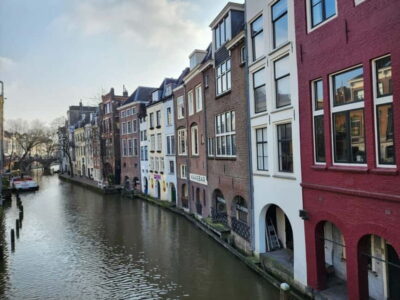
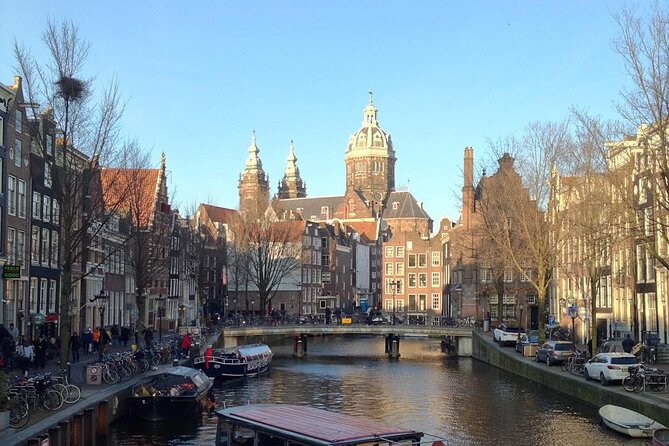
One of my favorite stops is Blauwbrug, where you get a postcard view over the Amstel River. The best part isn’t only the scenery. The guide connects the view to the city’s origins and the way Amsterdam grew in relation to water.
That context changes how you look at everything afterward. You start noticing canal edges, bridges, and the way waterways shape movement and neighborhoods. Even if you’re not an architecture expert, you’ll understand why Amsterdam is built the way it is.
This is also a great photography window. If you want a clean shot with minimal fuss, this is one of the more reliable moments on the route.
Pathe Tuschinski: architecture you can actually see and understand
Next up: Pathe Tuschinski, one of the most famous cinemas in the city. It’s the kind of building you notice from the outside, but you’ll also appreciate it on a closer level through the guide’s explanation.
The tour highlights the blending of styles, including Art Deco and Amsterdam School influences. You’ll hear the story behind the creator and why the design continues to attract attention from locals and designers.
Practical note: this stop is short, so it’s not a “stand here for 45 minutes” kind of moment. Still, with the architectural context, you’ll leave knowing what you saw instead of just thinking, Cool building.
Bloemenmarkt and Munttoren: flowers, symbols, and a finance twist
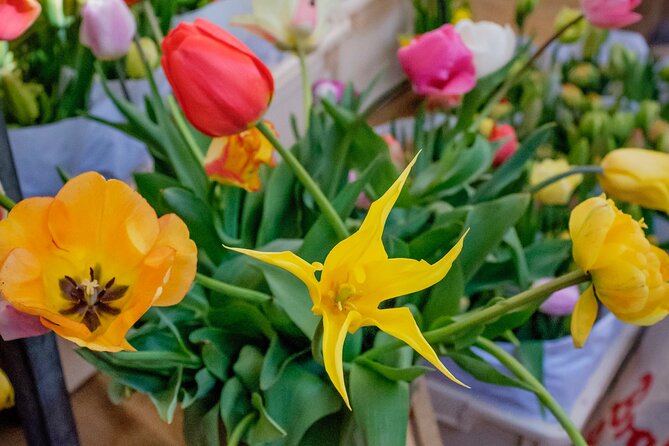
At Bloemenmarkt, you’ll visit Europe’s only floating flower market. It’s bright, it smells like cut stems and damp canal air, and it’s very “Amsterdam” in the best way. But the guide goes past the visual candy and explains how flowers became a national icon.
Right nearby, you’ll also hear about Munttoren and its unexpected role in Dutch financial and social history. That’s a nice contrast. You get the romantic market image, then a reality check on how Amsterdam functioned economically and politically.
If you like learning why a thing exists (not just that it exists), this stop delivers.

The Mouse Mansion: a quiet interior break from the shopping street
This is the kind of stop that makes a short tour feel bigger: The Mouse Mansion. You step into a whimsical miniature world with tiny handmade rooms and charming details. The guide also shares the story of how the imaginative setting was created by a Dutch artist and her daughter.
What I like about this stop is that it breaks the usual Amsterdam pattern. You’re not just looking at façades and squares. You’re entering a small, human-scale artwork that’s beloved by local families.
Because it’s tucked behind one of the busiest shopping streets, you’re getting an insider-feeling moment without spending hours searching for it.
Kalverpassage and Maarten Baas: from prison to modern corridor
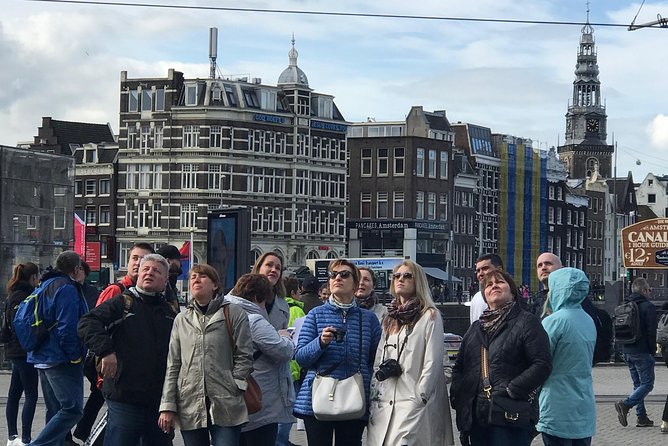
Then you hit Kalverpassage, where you’ll see a modern installation by the artist Maarten Baas. The guide also brings in a history you might not expect: the building was once a prison, and later it was transformed for modern life.
This stop is a good reminder that Amsterdam layers time on top of itself. A corridor can be both contemporary art space and a place with a past you’d never guess by looking at it.
It’s also practical for weather. If it’s windy, rainy, or just too much for your feet, this kind of sheltered passage helps you keep the day moving.
Spui Square and the herring stand: optional, but the tips are the point
At Spui Square, the tour stops near a traditional herring stand. You can optionally try Dutch herring at your own expense, and the guide shares tips for how to eat it and the history behind the snack.
Even if you skip the herring, the explanation is useful. It gives you a handle on what you’re seeing when you pass similar stands later. And if you do try it, you’ll have a better chance of enjoying the experience instead of just surviving it.
This is also a reminder that the tour includes some food, but not everything. That can be good value and also means you should plan a bit of cash in case you want the optional bite.
Begijnhof: the calm courtyard and the 80 Years’ War context
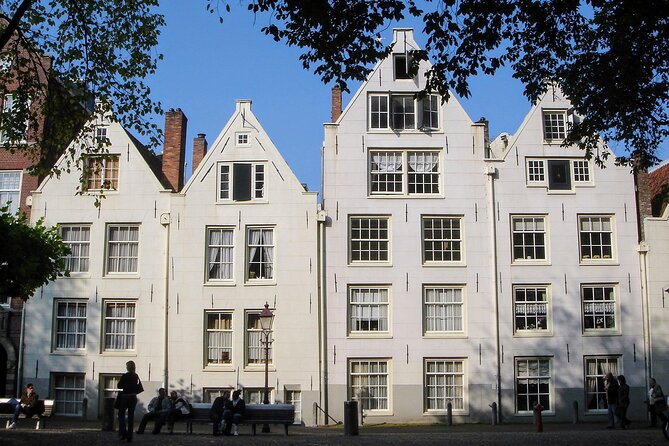
Begijnhof is where the noise drops. The guide explains the story behind this cozy yard, its original purpose, and the setting of a hidden church. You also get context connected to the 80 Years’ War, which helps connect a quiet courtyard to the bigger national story.
I like places like this because they teach you how Amsterdam can be both layered and peaceful at the same time. You step out of the busy street and into a space that feels protected.
This stop is also a great break for photos, but don’t treat it like a quick “snap and go.” The value here is understanding how a small enclosed space carried a purpose.
Damrak tastings: cheese and stroopwafels with real food context
On Damrak, you’ll enjoy included tastings: Dutch cheese and stroopwafels. It’s a simple setup, and that’s part of why it works. You get to taste two icons while the guide explains Dutch food culture and traditions around cheese-making.
You also learn how the syrup waffle became a national treat. That background makes the flavor feel more meaningful instead of just sweet sugar on a stick.
If you’re thinking about value, this is one of the strongest parts of the tour. You’re not only paying for sights; you’re paying for a guided interpretation of what you eat and why it matters here.
National Monument, Royal Palace, and Nieuwe Kerk: power, memory, and art
From Damrak you move into the symbolic heart of the city, with stops that connect to reflection and governance.
At the National Monument, you’ll learn it’s more than a memorial. It represents reflection, freedom, and sometimes quiet protest. Then you’ll admire the Royal Palace from the outside and hear how the 17th-century building transformed from city hall into a royal residence.
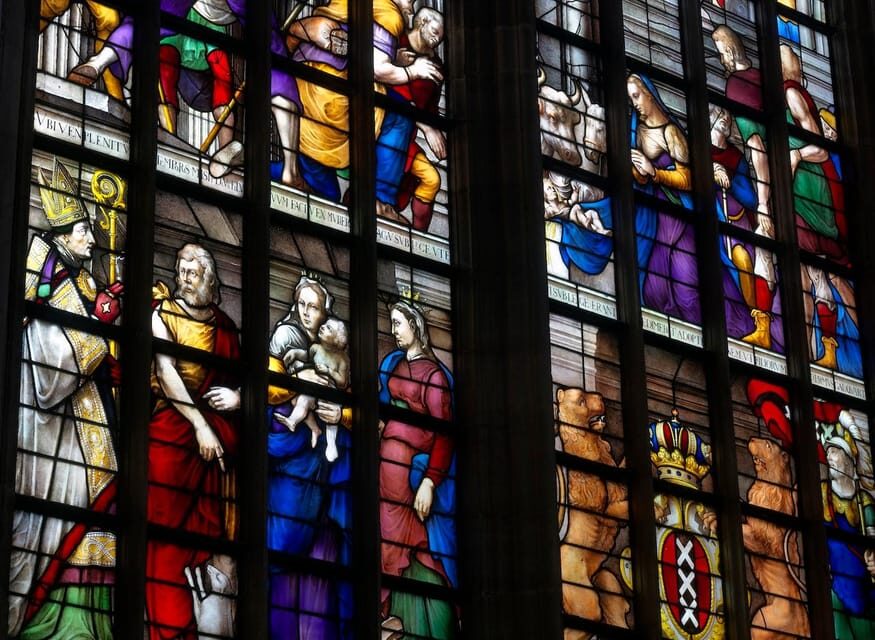
Right next to the palace is the Nieuwe Kerk, a former church used today for exhibitions and royal ceremonies. The guide explains how religion, monarchy, and art intersect in this still-active cultural space.
This section works especially well if you want your tour to feel like more than postcard pictures. You’re learning the “why” behind the big buildings, and the guide keeps it tied to how Amsterdam thinks about identity and authority.
Dam Square: layers of story in the city’s center
You finish at Dam Square, where the guide walks you through its layered history. This is a fitting end point because Dam Square is where many visitors naturally end up later on.
By the time you reach it, you’ll recognize more than the skyline. You’ll understand the role it plays in the city’s story and how the earlier stops connect into the bigger picture.
The tour ends at Dam Square, so it’s easy to continue on your own afterward in any direction you want.
How much walking is really involved?
It’s a walking tour, but it’s not built like a marathon. Each stop is timed fairly tightly (often around 10–15 minutes), which keeps the overall pace manageable. One important heads-up: because the tour is structured around short visits, you may not get the long stretches of continuous walking you expected.
That said, the route still covers enough ground to be useful. You’ll move through distinct areas and get a sense of how neighborhoods connect, which is the bigger goal.
If you love slow wandering, pair this with additional self-guided time later. This tour is ideal as the first or second outing of your trip, not the only one.
Value and price: what $287.58 buys you
This tour costs $287.58 per person and runs for about 2 hours 30 minutes. At first glance, it’s not the cheapest walking option.
But you’re paying for a tight combination:
- a passionate local guide with an organized route and explanations
- included tastings (Dutch cheese and stroopwafels)
- a bonus PDF guide with a one-day Amsterdam plan
- a mobile ticket for smoother logistics
- a small group/private setup experience for your party
That makes it feel more like a guided “starter pack” for Amsterdam rather than a basic point-to-point stroll. If you’ll use the tastings, and you’ll spend time with the PDF plan later, the price starts to feel more reasonable.
One more practical angle: the tour focuses on lots of “seeing” in a short time window. If you’re budgeting your trip days, a guided hit like this can save you from spending hours trying to figure out your own route.
Tips so you get the most from the tour
Here’s how to get the best experience out of it:
- Bring your camera mindset, not just your sightseeing mindset. This route is designed for photo-friendly viewpoints.
- Have questions ready. The small-group feel means your questions actually land.
- Plan for optional food. The herring is not included, but it’s right there if you want it.
- If tastings matter to you, check the tasting details early in the tour. One past guest reported a guide oversight about snacks promised in the tour, so it’s worth confirming what’s included right away.
And if you tend to overpack your day: good news. This tour ends in the center, so you can keep going without a complicated transfer.
Should you book this Amsterdam Sightseeing Tour with tastings and a PDF?
I’d book it if you want a guided first pass through Amsterdam that mixes icons with a few quieter, more personal stops. It’s especially good for first-timers, for people with limited time, and for anyone who likes architecture plus food plus practical local tips.
I’d think twice if you’re chasing a long, nonstop walking workout or if you want a museum-heavy day with more time inside major venues. This tour is about short, meaningful stops, not deep standalone visits.
If you fall into the first group, this is a strong way to get your bearings quickly, eat two of Amsterdam’s best-known treats, and leave with a PDF one-day plan that helps you keep exploring after the walk ends.
FAQ
How long is the Amsterdam sightseeing tour?
The tour is listed at about 2 hours 30 minutes.
Is the tour offered in English?
Yes. The tour is offered in English.
What tastings are included?
The tastings included are Dutch cheese and stroopwafels.
Is Dutch herring included?
Dutch herring is optional and is not included. You’d pay for it yourself if you want to try it.
Where do we meet, and where does the tour end?
You start at Rembrandtplein (1017 CV Amsterdam) and the tour ends at Dam Square (Dam, 1012 Amsterdam).
Is this a private group experience?
Yes. It’s described as a private tour/activity, meaning only your group participates.
What is the cancellation policy?
You can cancel for free up to 24 hours in advance of the experience’s start time for a full refund.