REVIEW · AMSTERDAM
Amsterdam: Waterland District Countryside Villages Bike Tour
Book on GetYourGuide →Operated by Yellow Bike Tours & Rental · Bookable on GetYourGuide
Waterland turns your Amsterdam day into a calm, watery ride. You’ll follow guided commentary through flat fields, canals, dikes, and small villages just north of the city, with a real sense of how the Dutch shaped this land. I love the way this tour shifts you from streets to countryside quickly, plus the 30-minute café break that gives you time to snack and reset. One thing to consider: the bikes aren’t always road-bike smooth, so if you’re picky about gear quality, be ready for a more basic ride.
The best part for me is the guide-led pacing. Names that pop up in past groups include David, Willem, Ties, Frank, Bo, and Dorri, and the common thread is interaction: they explain what you’re seeing and keep the effort level comfortable. Because the route is very flat, it’s easier than it sounds, but it’s still a half-day bike outing.
In This Review
- Key things to know before you ride
- Why Waterland District feels like a reset from Amsterdam
- Getting started at Yellow Bike and how the tour timing works
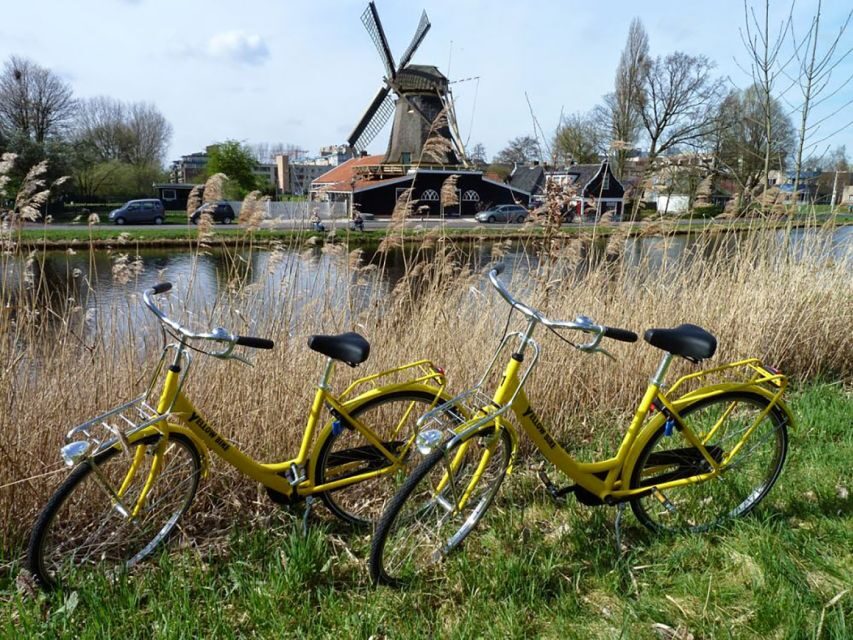
- D’Admiraal Windmill: your first countryside landmark
- ‘t Nopeind and Zunderdorp: small villages, big atmosphere
- Molenslootpad and the view of dikes and waterways
- Hotel-Café De Zwaan: the included break that actually helps
- Durgerdam and the return ferry: end on water-country calm
- Bicycles and effort level: how hard is it, really?
- Guide quality makes or breaks this tour
- Price and value: why $57 can be fair (or not)
- Who should book this Waterland bike tour, and who should skip it
- Should you book this Amsterdam Waterland countryside bike tour?
- FAQ
- How long is the Amsterdam Waterland District bike tour?
- Where do I meet for the tour?
- What’s included in the price?
- Are food and drinks included?
- What language is the guide available in?
- Is the route flat or hilly?
- Does the tour include ferry rides?
- What should I bring with me?
- Is the tour suitable for people with mobility impairments?
- Can I cancel for a refund?
Key things to know before you ride
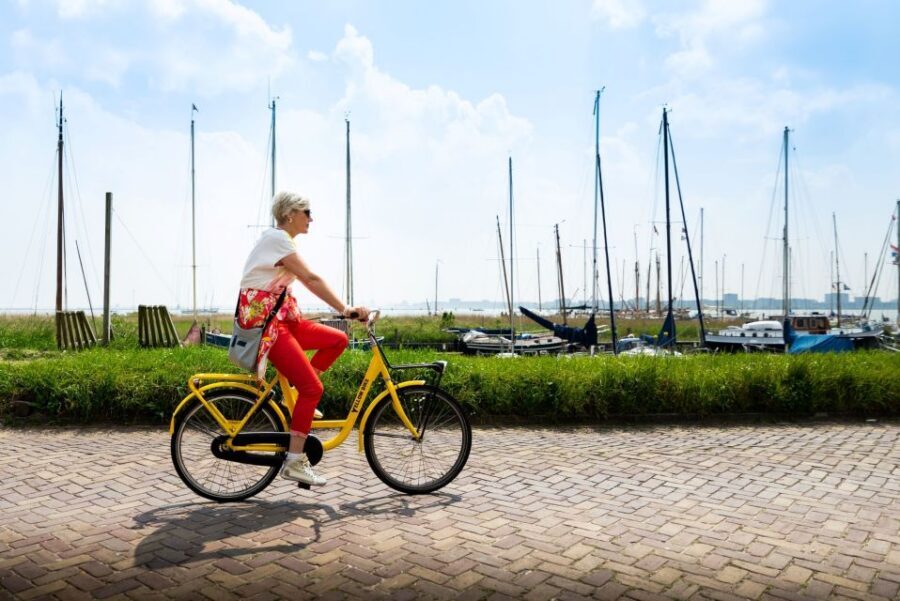
- Meeting point near Amsterdam Central: start at Yellow Bike headquarters, a short walk from the station area.
- Flat terrain, but real distance: expect a roughly 20–23 km ride over about 3.5 hours, with a break.
- Ferries are part of the rhythm: you’ll take a short ferry early and another later on the return.
- Historic Waterland storytelling: you’ll hear how the district was reclaimed from the sea and why dikes and waterways matter.
- Your café stop is on your time: the break is included, but food and drinks cost extra—bring water and plan to buy something there.
Why Waterland District feels like a reset from Amsterdam
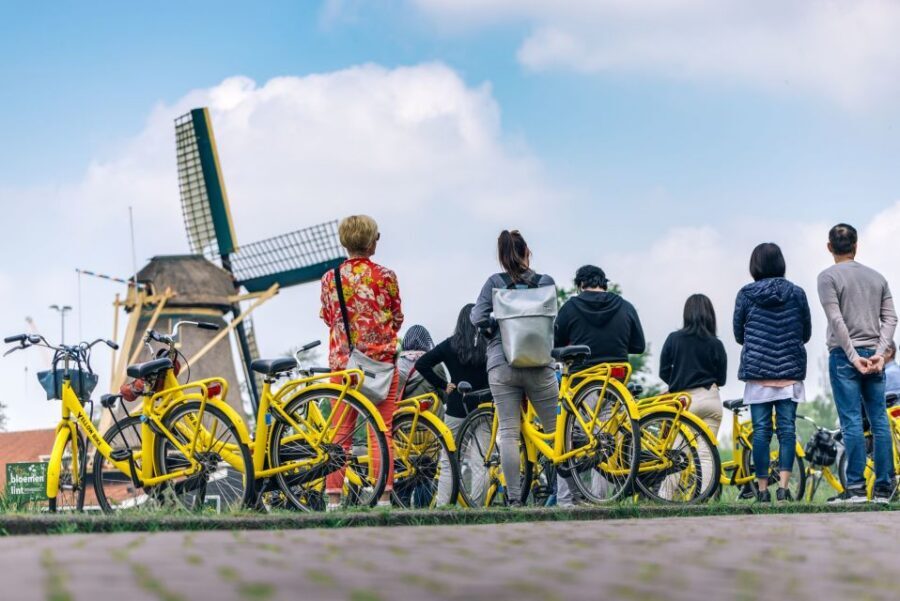
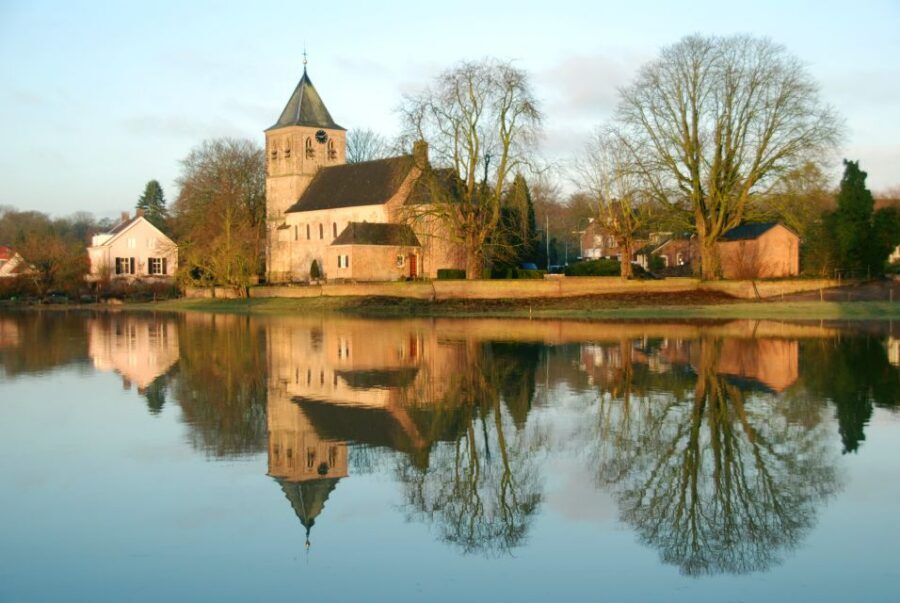
Amsterdam is intense in the best and busiest ways. Waterland District is the opposite: wide skies, waterways that look like they’re holding the whole region together, and villages with wooden houses that feel made for slow wandering. The tour’s value is how quickly it gets you out of the city feel—about 15 minutes north—so you’re not spending half your day just traveling.
You’ll ride through a patchwork of features that make Dutch countryside instantly recognizable: dikes, gentle brooks, windmill sightings, and village roads that look quiet even when you’re passing them in a group. The route is pancake-flat, which matters more than people expect. It changes the whole experience from workout mode to sightseeing mode. You can focus on details like water control infrastructure and the way houses sit close to canals and roads.
This is also the kind of tour where the guide’s talk helps you see more. The history here isn’t just names and dates. You’ll get practical context for what you’re looking at—how land was reclaimed from the sea, and why the district’s name is tied to waterways and living with water instead of fighting it.
You can also read our reviews of more cycling tours in Amsterdam
Getting started at Yellow Bike and how the tour timing works
You’ll meet at Yellow Bike headquarters, close to Amsterdam Central Station. That location is convenient because you can base yourself there without hunting for a far-out pickup. From there, the ride builds in a simple flow: you begin in the city area, then head north and start hitting the countryside highlights.
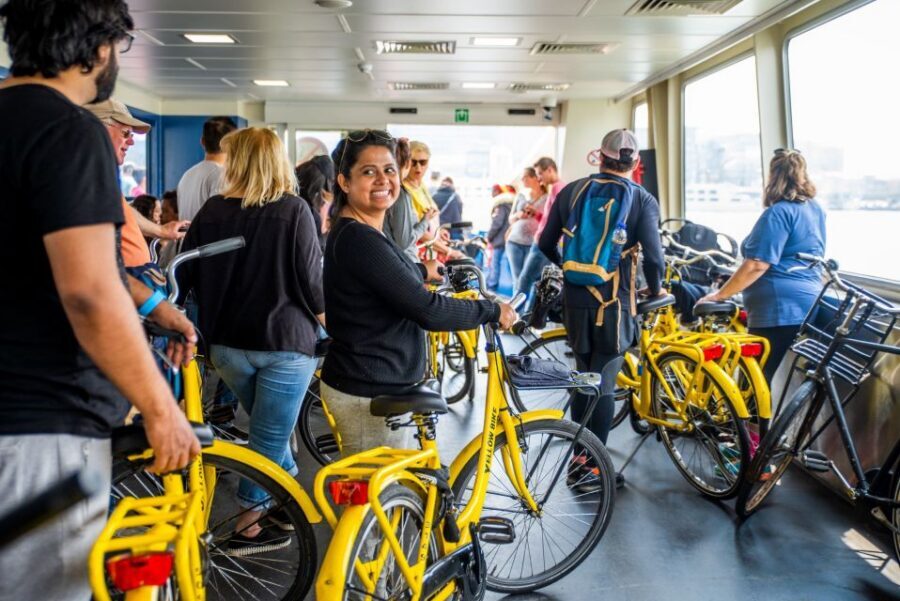
The schedule is tight in a good way. You’ll spend the early part of the tour moving toward Waterland, including a short ferry crossing (about 5 minutes). Then the tour settles into a pattern of short sightseeing stops—often around 10 minutes each—followed by a longer break.
Why this timing matters: it prevents the common bike-tour problem where you either rush past everything or stop so often you lose the joy of riding. Here, you get motion between viewpoints, but you still have time to breathe, take photos, and listen to the guide’s story without feeling trapped.
Group size isn’t listed in the basic details, but reviews point to a personal feel for smaller groups (one account notes a group of 5). That usually means you can ask questions and keep moving at a pace that fits the group, not just the fastest cyclist.
D’Admiraal Windmill: your first countryside landmark
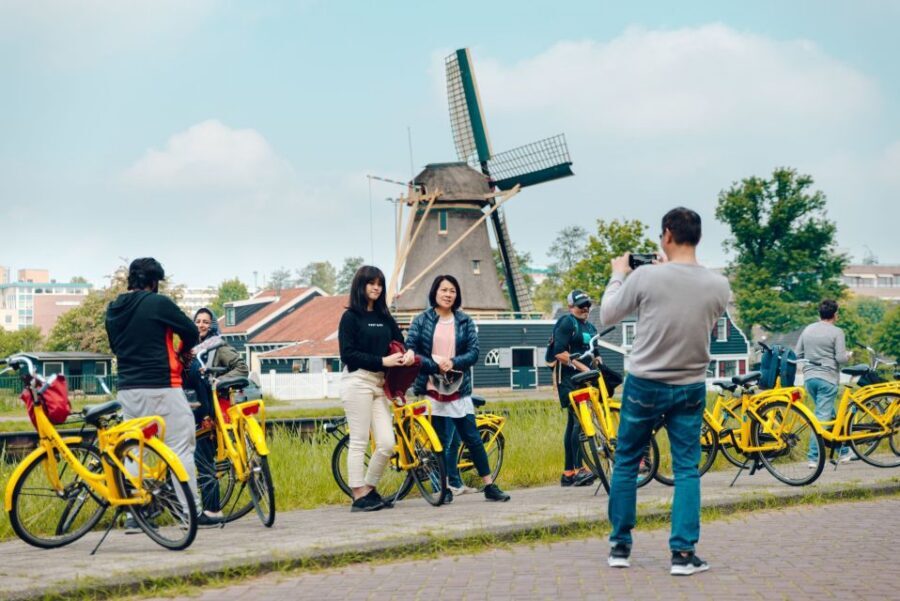
One of the first stops you’ll hit is D’Admiraal Windmill. Expect about 10 minutes for sightseeing. A windmill in the Netherlands isn’t just a cute photo prop—it’s part of the water management story. You’ll see it as the kind of tool that helped drain, control, and reshape the land over time.
The guide’s commentary here is key. Without the explanation, you’d see a windmill and move on. With the story, it becomes a clue: the countryside wasn’t left to chance. People built systems to make living here possible, and the scenery reflects those systems.
This stop also helps you mentally shift. You’re still close enough to Amsterdam early on that the transition from city to countryside can feel abrupt. A windmill sighting gives you a satisfying mental marker that you’re truly in a different world.
‘t Nopeind and Zunderdorp: small villages, big atmosphere
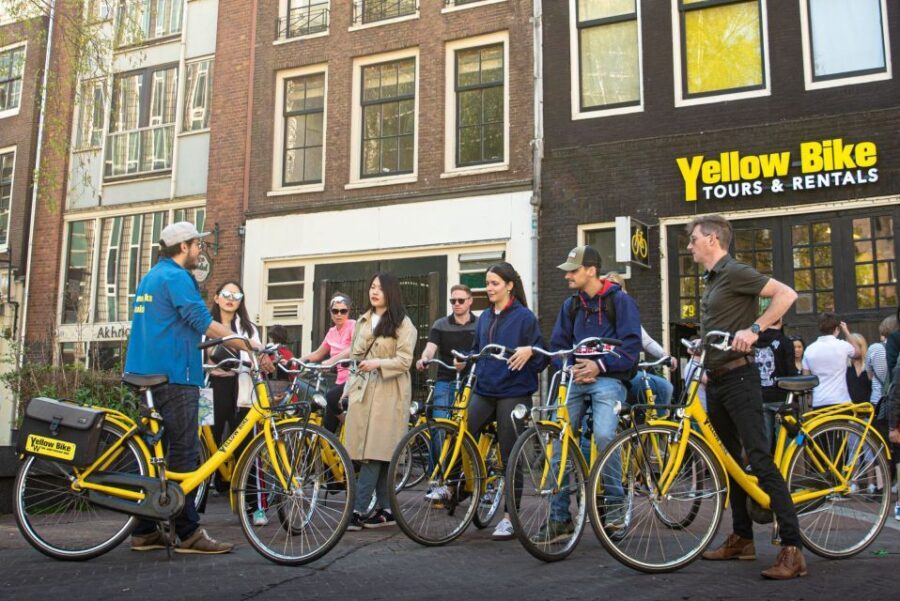
After the windmill, the tour moves through quieter settlement points, including ’t Nopeind and Zunderdorp. Each gets about 10 minutes of sightseeing. These are the moments where the tour becomes more than a ride. You’re watching everyday village life at a distance: wooden houses, narrow roads, and the way paths and water lines seem to shape how people built here.
What I like about this part is how it supports gentle curiosity. The stops are long enough to look around, but not so long that you get bored waiting. If you’ve been sightseeing in Amsterdam’s center—canals, museums, crowds—these village stops provide texture without the intensity.
Also, because the terrain is flat, you don’t arrive sweaty and frazzled. You can actually stand there for a few minutes, notice how the village edges meet the dike lines, and listen when the guide ties the scenery to the history of reclaiming and managing land.
Molenslootpad and the view of dikes and waterways
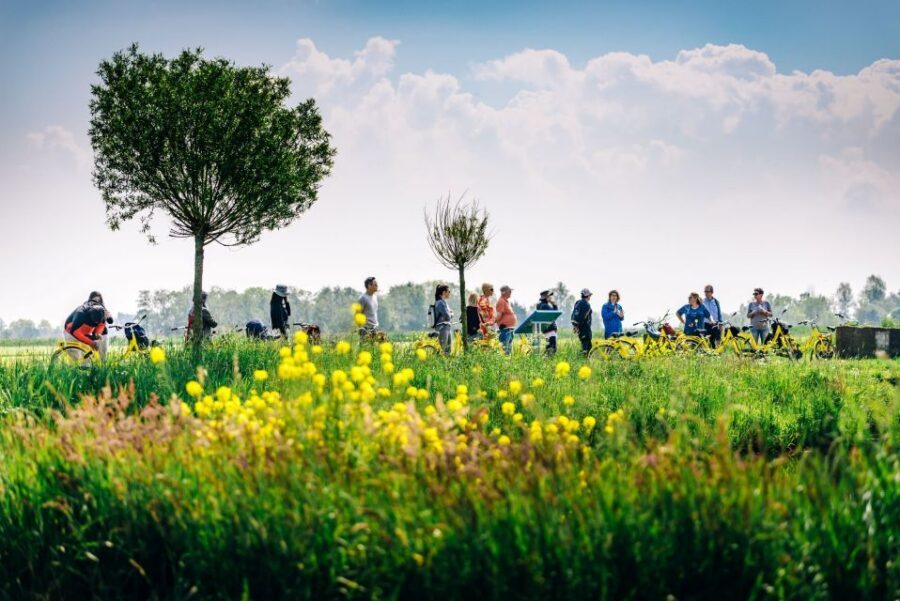
Next up is Molenslootpad, again about a 10-minute sightseeing stop. This is where the tour starts to feel very Dutch in a practical way: you’re looking at how the region uses waterways for transport, drainage, and control, and how the land stays usable thanks to constant management.
Even if you don’t know the terms, you’ll understand the idea through the guide’s storytelling. A lot of the tour’s “why” lands here. You’ll hear about how the Dutch reclaimed areas from the sea and then maintained that reality—water always nearby, systems always working.
This is also a good segment for photos, especially if the light is decent. Since the area is flat, compositions can be clean and wide. You’re not chasing hills; you’re choosing angles of water, dikes, and village lines.

Hotel-Café De Zwaan: the included break that actually helps
About halfway through your ride, you’ll stop at Hotel-Cafe De Zwaan for a 30-minute break. This is one of the most practical parts of the tour because it turns “bike ride” into a real half-day outing.
Food and drinks aren’t included, but the break is. That means you’re not forced to eat at a set time or a set menu. You can grab something simple, use the café as a comfortable timeout, and get back on the bike with less pressure.
A tip based on what’s been shared by past riders: bring cash. One review specifically recommends it for small shops. Even if you can pay by card in many places, cash reduces stress when a small café or nearby spot prefers quick, simple transactions.
What to do in 30 minutes:
- Refill water if you can.
- Order something local and easy rather than trying to turn the stop into a full meal.
- Take a few minutes to just sit. The flat ride still adds up over 3.5 hours.
Durgerdam and the return ferry: end on water-country calm
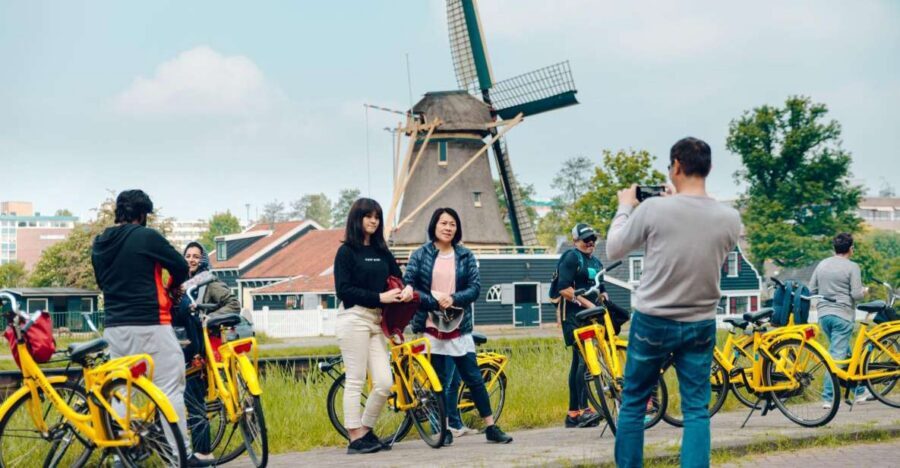
Near the end, you’ll pass through Durgerdam for about 10 minutes of sightseeing. This is another village moment—use it to slow down, look toward the water, and connect the dots between village life and the water-control systems you heard about earlier.
Then the tour includes another ferry crossing (about 10 minutes). This matters more than it sounds. The ferry breaks the rhythm, gives you a different viewpoint, and reminds you that water isn’t a background here—it’s infrastructure. You’re literally moving across it as part of the route.
By the time you arrive back at the starting area (Nieuwezijds Kolk 29 in the tour flow), you’ll feel like you completed a complete mini-journey, not just a long circle of cycling. The day ends with the calm satisfaction of having changed environments.
Bicycles and effort level: how hard is it, really?
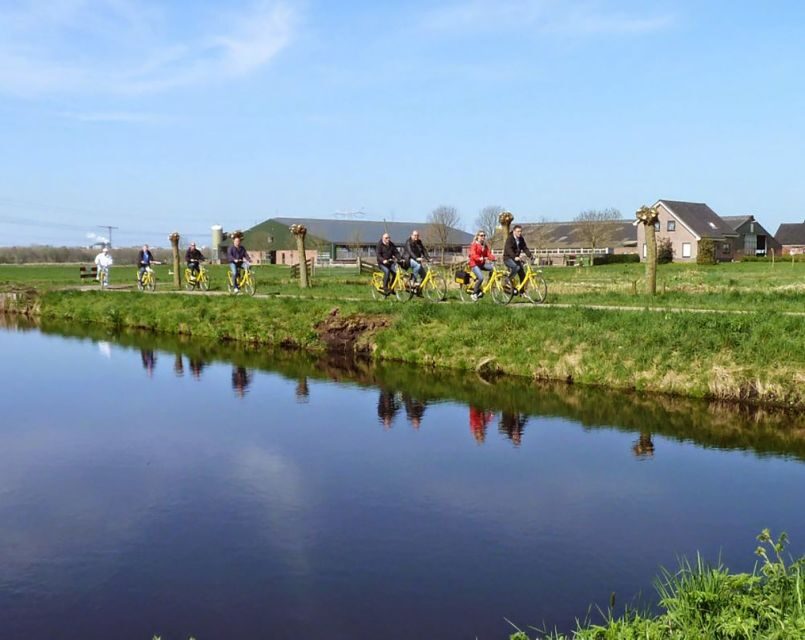
The tour is flat, so the physical challenge is mostly endurance, not climbing. You’ll ride for about 3.5 hours including the break. Reviews mention distances in the neighborhood of 20 km up to about 23 km, which is solid for a half-day.
Here’s the realistic part: bike quality varies by tour, and some riders have noted that the bikes can feel more basic than the nicer road-style options you might expect on longer tours. One review calls out that the single-speed setup can be more work than a standard road or mountain bike. Another rider wasn’t thrilled with bike condition compared to similar tours.
So what should you do?
- Wear comfortable shoes you can walk in for café time and quick stops.
- Bring water.
- Dress for weather changes. The Netherlands can shift quickly, and being out in open areas means you feel wind.
- If you get tired easily, slow the pace. Guides in past groups have adjusted pacing to match participants, including safety-first riding.
You should feel confident if you can handle a long, steady ride. You don’t need training for hills. You do need to be comfortable staying on a bike for the duration.
Guide quality makes or breaks this tour
This tour lives and dies on the guide, and the pattern from past groups is strong. Names mentioned include David, Willem, Ties, Frank, Bo, Arthur, Ryion, Robert, and Dorri—and the common praise is that guides are interactive and answer questions.
That interactivity matters on this kind of tour because the scenery can look familiar if you’ve seen Dutch countryside photos before. The guide turns those visuals into meaning: what you’re seeing, why it exists, and how the district works as a reclaimed water-managed region.
Also pay attention to pace. Several reviews say the guide kept the group comfortable, including adjusting for participants. That’s especially helpful if you’re bringing teens, older relatives, or anyone who’s nervous about biking.
If you’re a confident cyclist, you’ll still appreciate the structure. If you’re not, you’ll appreciate the fact that you’re not navigating dikes and quiet roads alone.
Price and value: why $57 can be fair (or not)
At $57 per person for about 3.5 hours, this tour can be a good value when you add up what’s covered. You’re getting:
- A guided experience with storytelling
- A bike rental
- Included time for sightseeing stops
- A 30-minute break at a classic Dutch café (food and drinks extra)
If you’d otherwise rent a bike and then spend time piecing together a route, this price feels more reasonable. The guided portion saves decision-making and gives context you likely won’t get by just cycling on your own.
Where value can drop: if you strongly prefer higher-end bikes or if you were hoping the café break would cover your meal. Food isn’t included, so your total cost will depend on what you choose to buy during the stop. Still, it’s often easy to keep it simple—grab a snack and a drink rather than turning it into a full dining experience.
Who should book this Waterland bike tour, and who should skip it
This fits best if you want a gentle, scenic day outside Amsterdam without stress.
You’ll likely enjoy it if:
- You like cycling and want a mostly flat route.
- You want guided context about how the Dutch reclaimed and managed land.
- You’re okay with buying food on your own during the break.
- You want to see villages like Zunderdorp and Durgerdam without planning a route yourself.
You should think twice if:
- You have mobility impairments. The tour notes it’s not suitable for that.
- You’re extremely picky about bike quality and prefer bikes with multiple gears and smoother setups.
- You’re short on endurance. Even on flat roads, 3.5 hours adds up.
If you’re traveling with kids or a mixed group, the flat nature and guide-led pacing can make it easier to keep everyone together. Just make sure everyone can handle the time on the bike.
Should you book this Amsterdam Waterland countryside bike tour?
Book it if you want a reliable half-day that takes you from busy Amsterdam into quiet Dutch village life fast. The biggest selling points are the guided history, the flat ride that keeps energy focused on scenery, and the built-in 30-minute café reset at a real local stop. If you care about understanding what makes Waterland tick—water control, dikes, reclaimed land—this format is a strong match.
Before you go, do three practical things:
- Plan your clothing for wind and weather, since open countryside can feel chilly or gusty.
- Bring water and consider packing a little cash for small purchases at the café and nearby shops.
- Set expectations about the bike: it’s a functional rental for sightseeing, not necessarily a premium road bike.
If that sounds like your kind of day, this is a smart way to get out of the city and experience North Holland’s village side without making it complicated.
FAQ
How long is the Amsterdam Waterland District bike tour?
The tour lasts about 3.5 hours, including an approximate 30-minute break.
Where do I meet for the tour?
You meet at the Yellow Bike headquarters, which is a 3-minute walk from Amsterdam Central Station.
What’s included in the price?
The tour includes a tour guide, bike rental, the guided bike tour, and an approximate 30-minute break.
Are food and drinks included?
No. Food and drinks are not included. The break is at a classic Dutch eatery, but you’ll need to purchase what you want.
What language is the guide available in?
The live guide speaks Dutch and English.
Is the route flat or hilly?
The route is described as flat terrain, making it suitable for a relaxed ride.
Does the tour include ferry rides?
Yes. The route includes at least two ferry segments: a short ferry early (about 5 minutes) and another ferry later (about 10 minutes).
What should I bring with me?
Bring comfortable shoes, water, and weather-appropriate clothing.
Is the tour suitable for people with mobility impairments?
No. The tour is listed as not suitable for people with mobility impairments.
Can I cancel for a refund?
Yes. Free cancellation is available up to 24 hours in advance for a full refund.