REVIEW · AMSTERDAM
Amsterdam: Zaanse Schans, Edam, Volendam & Marken Bus Tour
Book on GetYourGuide →Operated by Camaleon Tours · Bookable on GetYourGuide
Windmills, cheese, and clogs in one day. This is a tight loop through North Holland that links Dutch engineering, food culture, and seaside life in a way a city-only trip can’t. You’ll see the famous 17th-century houses and preserved windmills of Zaanse Schans, then move on to Edam for cheese and a clog demo before finishing with the colorful harbors of Volendam and Marken.
The day’s best strength is how it moves from industry to everyday life. I like that the stops are built around hands-on traditions: you watch classic wooden-shoe craft and get to taste local Edam and Gouda. I also like that the guide keeps the context clear, including the story of how the Dutch made polders from the sea as you travel between these towns.
One drawback to plan around: the schedule is packed, and the first windmill area can feel a bit rushed if you’re the type who likes to linger over every shop and photo. If you want a lot of slow time at Zaanse Schans or a longer walk on Marken, you may wish the day gave those places more minutes.
In This Review
- Key points before you go
- Why these four stops make sense together
- Meeting point and coach ride: where the day starts
- Zaanse Schans windmills and 17th-century houses: what to look for
- Wooden shoe factory and clogs: the demo that actually teaches
- Edam and cheese tasting: how to make it worth your calories
- Volendam and Marken: polders, harbors, and colorful streets
- Timing, walking, and winter weather realities
- Price and value: is $32 for 8 hours actually fair?
- Who this bus tour fits best
- Should you book this Amsterdam countryside bus tour?
- FAQ
- How long is the Amsterdam Zaanse Schans, Edam, Volendam & Marken bus tour?
- What is the price per person?
- Where do I meet the tour in Amsterdam?
- What languages is the tour guide available in?
- What is included in the tour price?
- Is food included on the tour?
- Is there an optional extra ticket at Zaanse Schans?
- What should I bring for the day?
- Is the tour suitable for wheelchair users?
- Is cancellation free?
Key points before you go
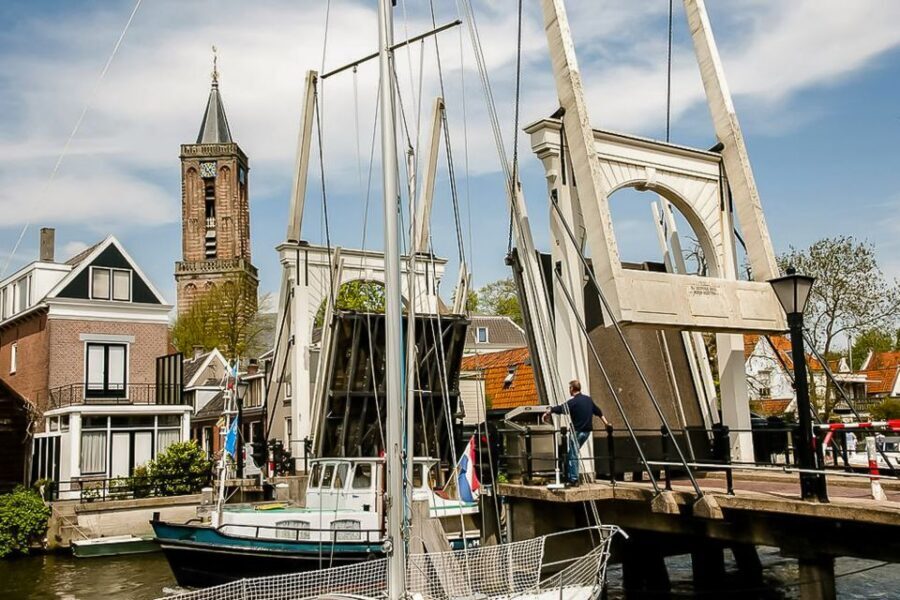
- Zaanse Schans first: windmills plus preserved 17th-century houses, right by the river Zaan
- Cheese tasting stops: a farm-style opportunity to sample Edam and Gouda
- Clog demonstration: see how traditional Dutch wooden shoes are made
- Polders and water control: the tour explains how reclaimed land works in real life
- Volendam and Marken: fishing harbors, narrow streets, colorful houses, and free time for shopping
- Guides and drivers get praised: strong organization and friendly storytelling show up again and again in feedback
Why these four stops make sense together
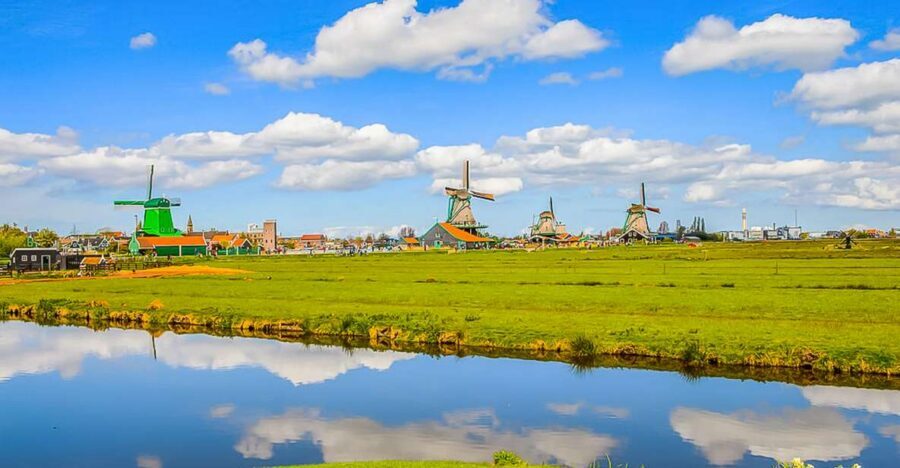
This bus route works because the towns answer each other. Zaanse Schans gives you the “how things were made” side of the Dutch story—wind power, industry, and old warehouses turned into preserved sights. Edam adds the “what people ate and traded” piece, centered on cheese culture that became famous far beyond the Netherlands.
Then Volendam and Marken shift the mood to the waterline: fishing villages, harbor life, and the coastline communities that had to adapt to tides, storms, and reclaimed land. Even the driving portions matter because you pass through polder country, and the guide frames what that means—land won back from the sea, held in place by systems that still define daily life.
If your goal is to understand Dutch culture beyond canal photos, this one-day mix is a solid fit. You’re not just collecting landmarks; you’re building a picture of how people survived and prospered in a country made by water management.
You can also read our reviews of more tours and experiences in Amsterdam.
Meeting point and coach ride: where the day starts
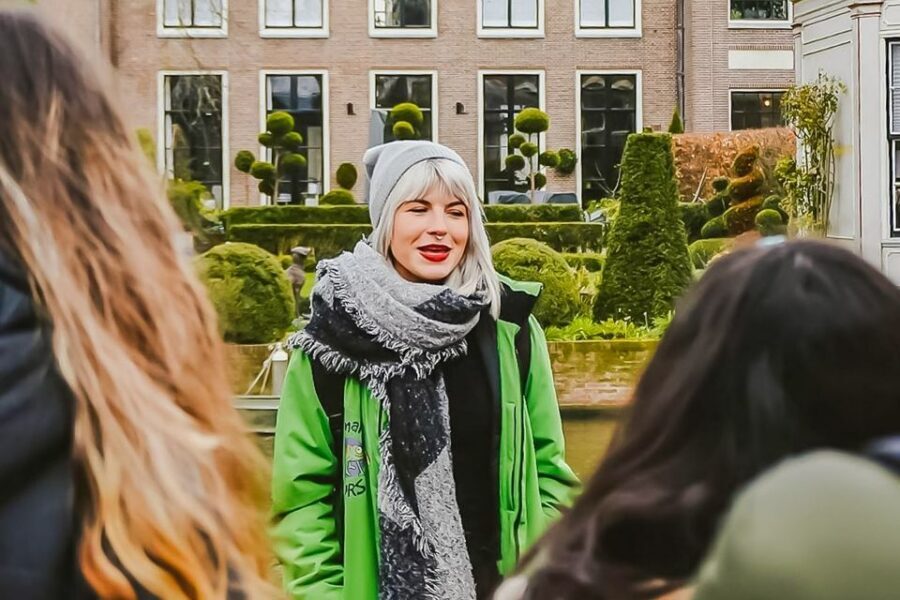
The meeting point is at De Ruijterkade 153 (main entrance of the Aloha Bowling Alley) in Amsterdam. There’s also a nearby reference point at De Ruijterkade 151, so give yourself a little extra buffer to confirm you’re at the right entrance. Your guide will be dressed in green, which makes it easier to spot them quickly.
The tour begins with a short transfer—about 20 minutes—before you reach Zaanse Schans. Practically, that’s good news if you’re arriving in Amsterdam by train or staying near the center, because you’re not stuck on the bus forever before the first big payoff.
Comfort seems to be part of the appeal. Multiple reports mention buses that felt new and comfortable, and at least one report specifically calls out the coach being heated in winter. It’s a small detail, but it matters when you’re spending an entire day outdoors across multiple towns.
Tip from the “small stuff” department: keep a close eye on how the group is called back to the coach. Some feedback notes that a few people missed reconvening times, which is easy to do when you’re shopping or taking photos. Set a reminder to be back when the guide says, not when you think you’re done.
Zaanse Schans windmills and 17th-century houses: what to look for
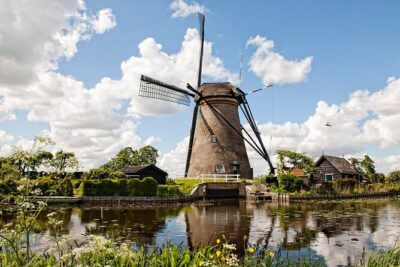
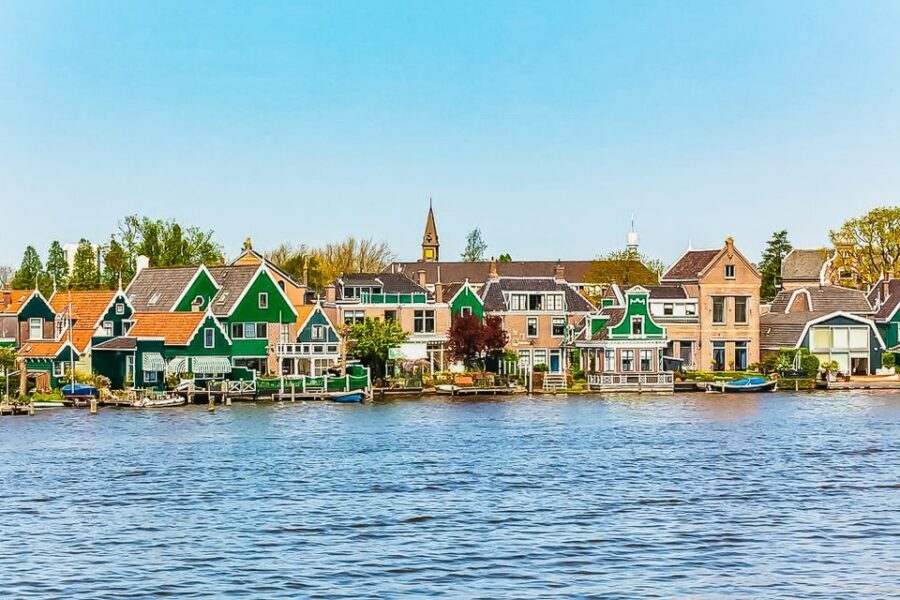
Zaanse Schans is the headline stop, and it’s popular for a reason. You’ll be on the banks of the river Zaan, where you can see windmills and preserved structures that reflect Dutch industrial heritage. This is one of those places where the scenery helps you understand the purpose of what you’re seeing. Windmills aren’t just pretty here; they connect directly to how the region powered work.
The preserved 17th-century houses are what make the area feel more than a windmill museum. You get the sense of a working historic neighborhood, not just isolated photo props. You’ll also have time to browse shops in the area, and you might find that the mix of street views plus interiors is what slows people down—especially if you like handmade items and food souvenirs.
A realistic expectation: Zaanse Schans is famous, so it’s also the stop where you’ll most feel the clock. If you want to see every shop window, take lots of photos, or add an optional windmill interior ticket (not included), plan to move efficiently and prioritize what matters most to you.
One more practical note: weather can change how much you want to linger. Some feedback mentions drizzle and cold. Comfortable shoes are a must because you’ll be walking in short bursts across an outdoor complex.
Wooden shoe factory and clogs: the demo that actually teaches
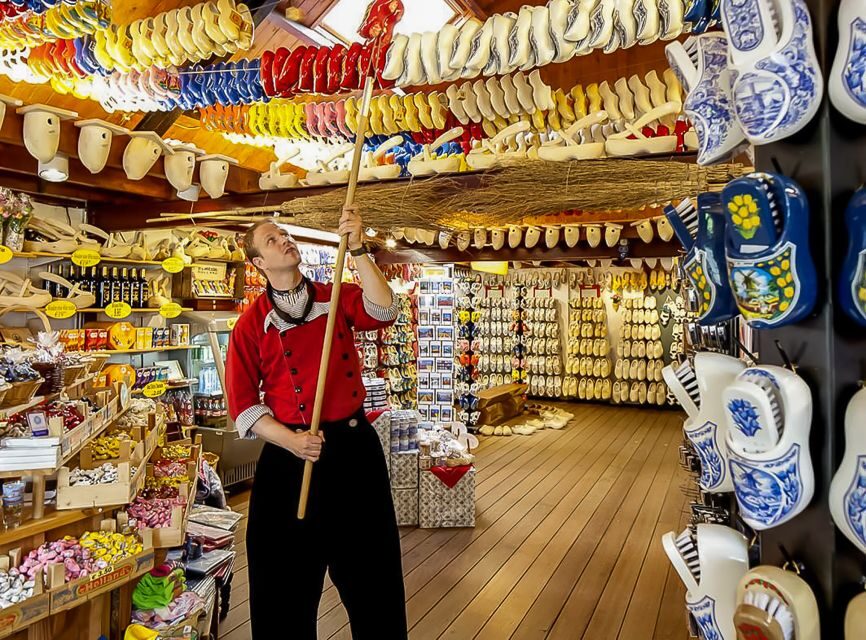
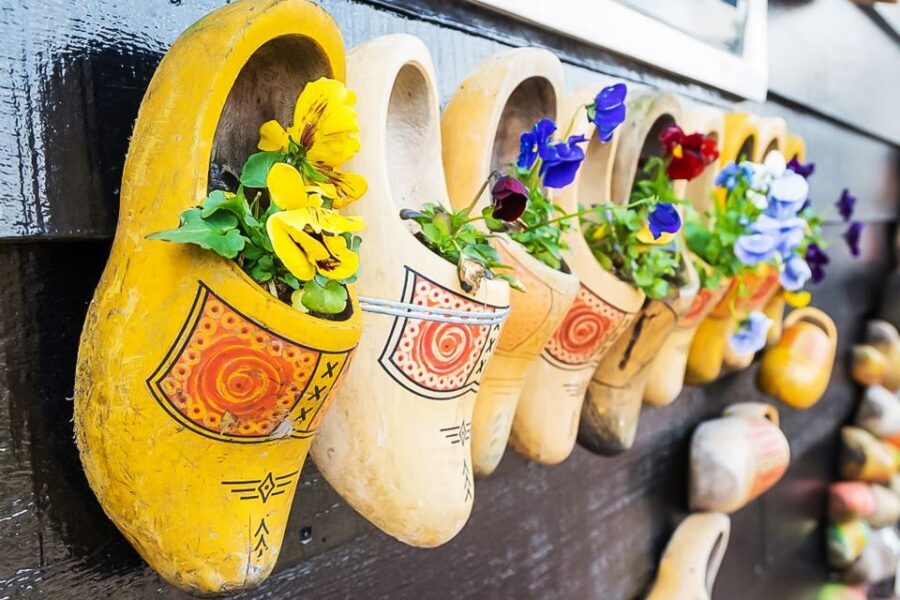
The clog portion is one of the highlights of the day because it’s visual and practical. You’ll visit a wooden shoe factory and watch a clog-making demonstration, which takes the idea of Dutch wooden shoes and turns it into something you can picture as a craft.
I like this stop because it slows the day down in a good way. While windmills are about power and buildings, the clogs are about materials, labor, and the kind of everyday craft that supported tradespeople and communities. It’s the type of demonstration that makes good sense even if you’re not an “I love factories” person.
You’ll also likely get chances to shop for souvenirs afterward. If you’re trying to bring something home without making your suitcase miserable, clogs and related items can be heavier than you expect, so it’s worth thinking about what you truly want to carry before you commit.
Small planning help: bring a little patience. A demo means you’ll have a fixed start time while the group gathers, and it can feel rushed if you’re used to open-ended browsing. If you’re early, you can get a better angle for watching and listening.
Edam and cheese tasting: how to make it worth your calories
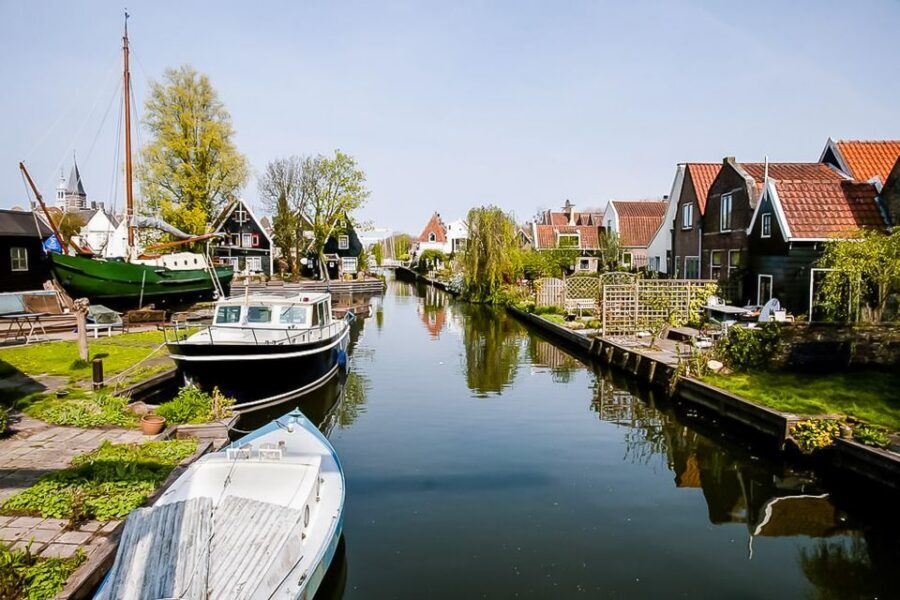
Edam is the cheese town name most people recognize, and the tour leans into that. You’ll stop in Edam, known worldwide for its cheese, and you’ll have a cheese tasting opportunity. The tasting includes sampling Edam and Gouda-style cheeses, and you’ll also visit a farm stop where you can sample authentic cheeses.
What makes this stop valuable is not only the taste. It’s the context—how cheese became a cultural identity and how it ties into Dutch agriculture and trade. Even if you’ve never cared about cheese before, tasting gives you an easy way to compare flavors and textures. That makes your later shopping decisions simpler, because you’ll know what you actually like rather than buying by brand alone.
Practical advice for buying cheese: if you’re hoping to pack a lot, remember that some feedback notes that shelf life is a big selling point for take-home cheese. That’s helpful when you’re traveling around after the tour. Still, you should plan how you’ll store it and how long you’ll be away from refrigeration depending on your next stops.
One more shopping reality check: at least one report notes that similar cheese brands can be found in Amsterdam too. So if you’re trying to minimize what you carry back into the city, you don’t have to go overboard at every cheese stop. Buy what you love and know you’ll finish.

Volendam and Marken: polders, harbors, and colorful streets
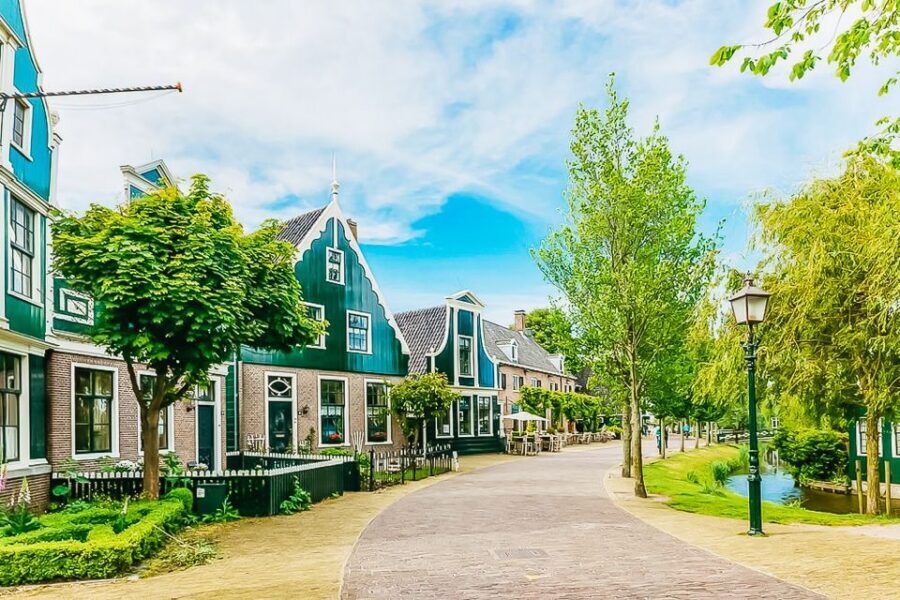
The final stretch of the day is where the tour changes from “craft and food” to “waterfront life.” Between stops, you’ll pass through polders, land reclaimed from the sea. That’s more than a textbook phrase—it’s the reason these villages exist where they do, and the guide’s explanation helps you connect the dots instead of just watching scenery.
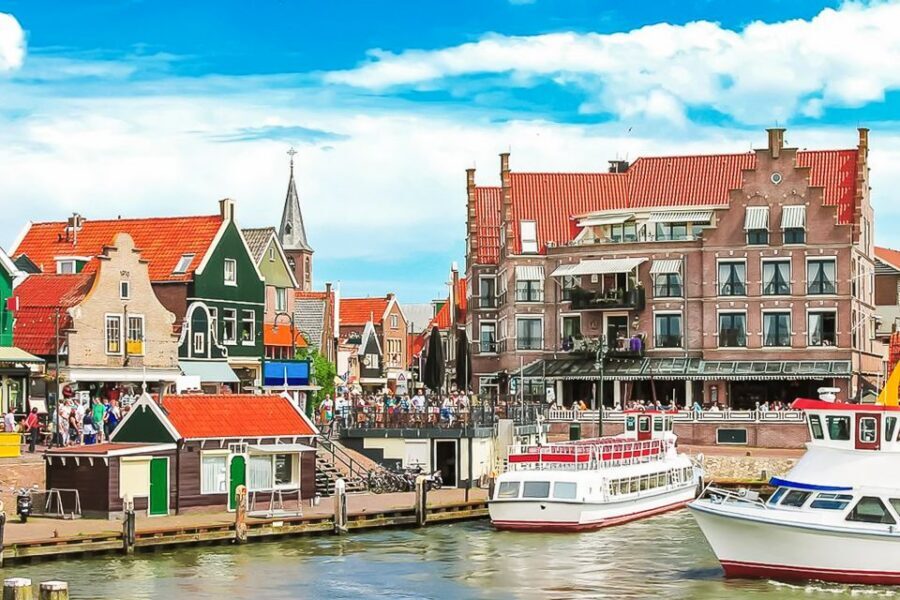
In Volendam, you’ll stroll through narrow streets and see colorful houses. This is the kind of place where the atmosphere is built around the harbor: fishing boats, waterfront views, and the daily rhythm of a community connected to the sea. You’ll also have free time to shop for souvenirs and to sample local fish specialties.
Then you go to Marken, which feels distinct from Volendam even though both are connected to the same North Holland identity. Marken is known for its setting and streets, and it’s a good place for a slower walk if weather holds up. Some feedback wished there were more time here, which tells you something important: Marken is often treated as a final, shorter “glance and stroll” stop on a day like this.
If you’re planning based on how you like to travel, here’s the rule I follow: if your ideal day includes multiple towns but you still want breathing room, don’t expect a long, wandering experience at every stop. You’ll get snapshots—often excellent ones—but the schedule is designed to cover a lot.
Timing, walking, and winter weather realities
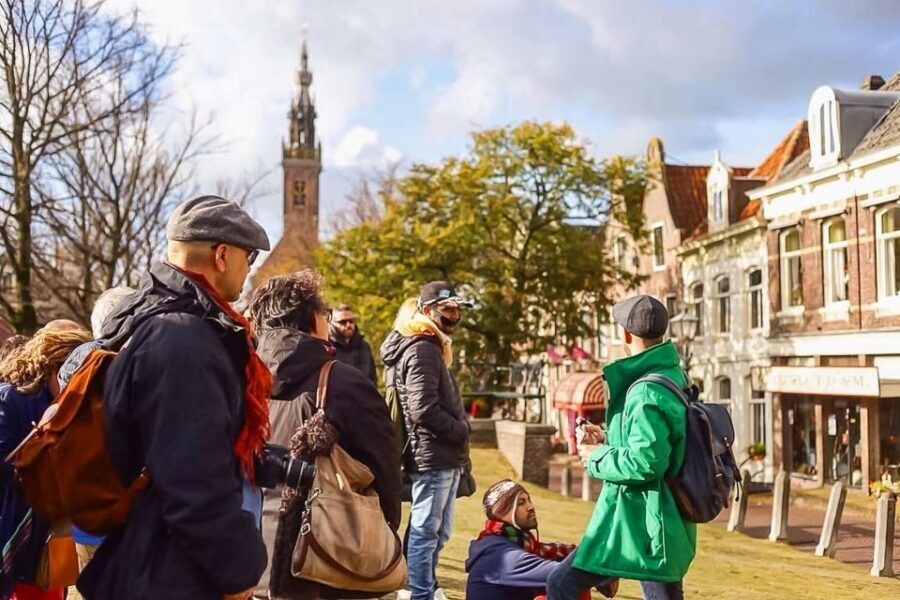
This is an 8-hour day, so your comfort matters more than you think. Wear comfortable clothes and comfortable shoes—the tour is built around short walking bursts, not long hikes, but you’ll be on your feet enough that the wrong footwear turns the day annoying fast.
Weather can also shape your experience. One report mentions visiting in winter with cold and rain, and the coach being heated helped a lot. Even when it’s not miserable, a damp day can make outdoor time feel longer than it looks on a map. If you tend to run cold, pack layers you can add and remove quickly.
Restrooms are another practical concern. Feedback includes the note that washrooms were available and that stops weren’t just photo breaks. That said, you should still treat reconvening time as serious. The tour moves through several towns, and the fastest way to ruin a good day is to spend extra time tracking the group down.
Also, pets aren’t allowed, and it’s noted as not suitable for wheelchair users. If you need mobility accommodations, plan accordingly before booking.
Price and value: is $32 for 8 hours actually fair?
At $32 per person for an 8-hour guided experience, this tour is priced like a true budget-friendly day trip—especially because the core features are included. You get transportation by a comfortable private coach, a live tour guide, a visit to the windmills area (Zaanse Schans), a clog demonstration, and cheese tasting.
What’s not included is just as important: food and drink are on you, and an optional ticket inside a windmill at Zaanse Schans would be extra if you choose it. That’s normal for this style of tour, but it affects your real trip cost. Bring cash or a card for lunch, snacks, and any souvenirs you decide you can’t leave behind.
So is it value? For most first-time Amsterdam visitors who want countryside highlights without planning transport, yes. You’re paying for time saved: someone else handles routing, timing, and group logistics. If you tried to do this on your own, you’d still spend money on transit plus time figuring out schedules, and you might miss the “why it matters” context that the guide provides.
One more value check: the tour’s overall rating is 4.6 with over 15,000 reviews. That doesn’t replace your own judgment, but it does suggest the basics—organization, timing, and guide quality—tend to land well for large groups.
Who this bus tour fits best
I’d put this tour in the “best for time-crunched curiosity” category.
You’ll likely enjoy it if:
- You’re a first-time Amsterdam visitor and want to see the countryside highlights beyond canals.
- You like guided explanations and want the connections between wind power, cheese culture, and water management.
- You enjoy demonstrations and tasting experiences, not just wandering photo stops.
- You want multiple towns in one day without the hassle of changing trains or buses.
You might want to skip or choose a slower option if:
- You’re the type who wants long stays in just one place (especially Zaanse Schans or Marken).
- You strongly prefer independent travel pacing, where you decide every minute.
- You can’t manage day-long walking and aren’t able to use stairs or uneven outdoor areas (the tour is listed as not suitable for wheelchair users).
Should you book this Amsterdam countryside bus tour?
Yes, if your goal is a high-coverage day that teaches you how this region works—windmills, cheese, clogs, polders, and fishing villages—without you needing to plan routes. I’d especially recommend it for people who like structure: a real guide, set stops, and included demonstrations make the day feel purposeful.
I’d think twice if you dream of leisurely browsing. The schedule can feel tight at the most famous stop, and some feedback explicitly wishes there was more time at Zaanse Schans or Marken. If you want “slow and deep,” look for options that reduce the number of towns or add time to your top priority.
If you do book: set your phone alarms for the return times, bring layers for cold or wet weather, and choose one or two shopping items you truly want. That way you’ll enjoy the history and crafts instead of spending the last 20 minutes feeling rushed.
FAQ
How long is the Amsterdam Zaanse Schans, Edam, Volendam & Marken bus tour?
The tour duration is listed as 8 hours.
What is the price per person?
The price is $32 per person.
Where do I meet the tour in Amsterdam?
The meeting point is at De Ruijterkade 153, 1011AC Amsterdam, at the main entrance of the Aloha Bowling Alley. The tour guide will be dressed in green.
What languages is the tour guide available in?
The tour guide provides English and Spanish.
What is included in the tour price?
Included are transportation by a comfortable private coach, a tour guide, visits connected to Zaanse Schans, a clog making demonstration, and cheese tasting.
Is food included on the tour?
No. Food and drink are not included.
Is there an optional extra ticket at Zaanse Schans?
A ticket inside a windmill at Zaanse Schans is listed as optional and not included.
What should I bring for the day?
Bring comfortable shoes and comfortable clothes.
Is the tour suitable for wheelchair users?
No. It is listed as not suitable for wheelchair users.
Is cancellation free?
You get free cancellation up to 24 hours in advance for a full refund, and you can reserve now and pay later.