REVIEW · ROTTERDAM
Delfshaven Self-Guided Tour: A Guide to Rotterdam’s Old Town
Book on Viator →Operated by VoiceMap Audio Tours · Bookable on Viator
You’re about to walk Rotterdam’s old soul. This self-guided audio tour threads through Delfshaven, mixing calm harbor views with real historical stops in about an hour.
I love how the narrator keeps the pacing light and clear, and I love that you can pause, wander, and still follow the route. One thing to consider: you’ll need your own smartphone and headphones to hear it.
In This Review
- Key points at a glance
- Delfshaven by audio: why this route works so well
- Price and time: $9.99 for a calm 60–75 minutes
- Before you start: what you need for the self-guided setup
- Where it starts and where it ends: a simple loop
- Stop 1: Piet Heynsbrug, bridges, and instant canal views
- Stop 2: Mouterbrug and the calm harbor angle
- Along the harbor: ships and preserved buildings
- The windmill stop: a symbol with a job
- The church connection to the Pilgrim Fathers
- Delfshaven Town Hall brewery: beer in a former civic building
- Tiny guild house: porters and everyday labor
- The restored grain warehouse (1825) and the pinball detour
- Piet Heyn monument: the story comes back around
- Locks of Love and the Euromast in the background
- Narrow streets, WWII scars, and the city that kept going
- What I’d do to get the most out of it
- Who this tour suits best (and who might want a different plan)
- Should you book Delfshaven’s self-guided audio tour?
- FAQ
- How long is the Delfshaven self-guided tour?
- What language is the audio available in?
- Do I need an internet connection while walking?
- What do I need to bring?
- Where does the tour start and end?
- Is this tour private?
- What if I need to cancel?
Key points at a glance
- Soothing narration, easy to follow: clear voice and a pace that never feels rushed.
- A smart walking route: bridges, harbor sights, and key landmarks in a tight loop.
- Great value for time: $9.99 for a focused 60–75 minute old-town experience.
- Offline audio and maps: you can keep going even without mobile data.
- Perfect for flexible exploring: GPS guide, but you control stops and timing.
Delfshaven by audio: why this route works so well
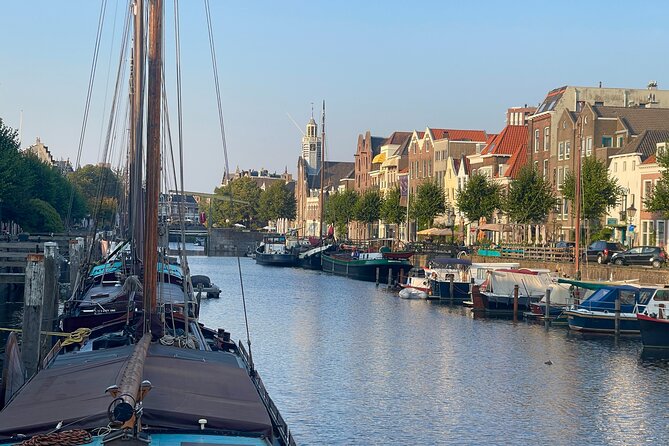
Delfshaven is one of those places where the city looks like it’s still thinking about its past. The canals, the bridges, and the older buildings make you slow down without being told to. This tour is built for that mood. You’re not racing from one photo spot to the next—you’re walking a route that naturally strings together scenes in order.
The big win is the narration style. Multiple listeners highlight how soothing and easy to understand the voice is. That matters more than you’d think. When the audio is clear, you can spend less time looking at your phone and more time looking at the canals, the boats, and the brick-and-stone details around you.
Also, this is a private experience. Only your group uses the tour, which usually means the route feels more personal and less like you’re part of a crowd stamp.
You can also read our reviews of more tours and experiences in Rotterdam.


Price and time: $9.99 for a calm 60–75 minutes
For $9.99 per person, you’re buying structure and local context, not a long day of sightseeing. The total time is your walking time as you pass the stops, roughly 1 hour to 1 hour 15 minutes. That’s useful if you want Delfshaven without committing your whole afternoon.
Think of it like this: Rotterdam is full of big, modern sights. This gives you a shorter contrast—older streets and maritime-era details—without needing to plan every turn. If you’re already in the area, it’s a low-risk way to make the walk feel meaningful.
The only tradeoff is that it’s designed for passing by attractions, not for long museum time. If you want deeper stops inside any building, you’ll need extra time.
Before you start: what you need for the self-guided setup
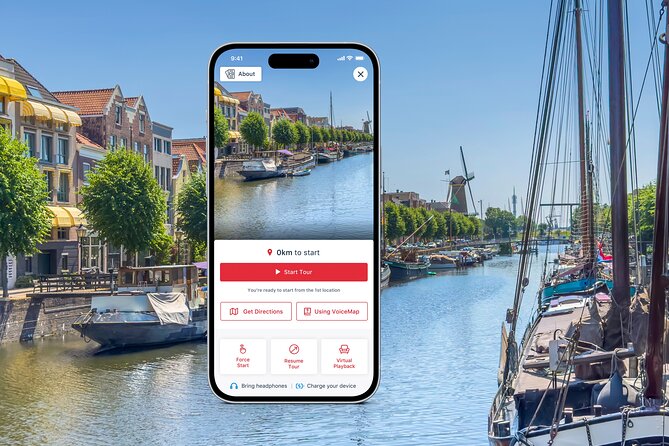
This is a self-guided GPS audio tour from VoiceMap Audio Tours. Included are offline access to audio, maps, and geodata, plus directions to the starting point. There’s also a virtual playback option, and you get unlimited, lifetime use of the tour before your booking date and after it.
Not included: you bring your own smartphone and headphones. That’s it. No headset supplied, so pack what you normally use for phone audio. If your plan is to rely on public Wi‑Fi, don’t. The tour is built so you can download first and then walk with less signal stress.
Also note the tour is offered in English. If that’s your comfort zone, you’re set.
Where it starts and where it ends: a simple loop
You start at Delfshaven3026 VN Rotterdam, Netherlands. The route then ends near Café de Oude Sluis, Havenstraat 7, 3024 SE Rotterdam. The end point is convenient if you want a drink afterward, and it keeps the route feeling like a walk rather than a one-way trek.
You’ll also like that the hours listed run basically all day. The tour itself is self-guided, so the experience is about when you choose to walk, not when a staff member starts a group.
Stop 1: Piet Heynsbrug, bridges, and instant canal views
The first landmark is Piet Heynsbrug, a bridge named after Admiral Piet Heyn. Right away, the tour steers you to the kind of view that makes Delfshaven feel different from the rest of Rotterdam—canal water, older houses, and that tight, human-scale feel you get in historic districts.
This is where I’d suggest taking your first pause. Look across the canal before you move on. The bridge name matters because the tour comes back to Piet Heyn later with a monument, so you’re basically setting up a theme from the start.
If you like bridges, you’re in good hands. Bridges are doing a lot of storytelling in this walk.



Stop 2: Mouterbrug and the calm harbor angle
Next comes Mouterbrug. This stop is about atmosphere—peaceful harbor views and surrounding architecture that looks built for slow days and practical work. It’s a nice change from the canal perspective of the first bridge.
Here’s the practical trick I use: when you reach a bridge stop, scan both directions. The tour is set up so each crossing gives you a slightly different slice of Delfshaven. If you only look one way, you miss part of what the route is teaching you.
Along the harbor: ships and preserved buildings
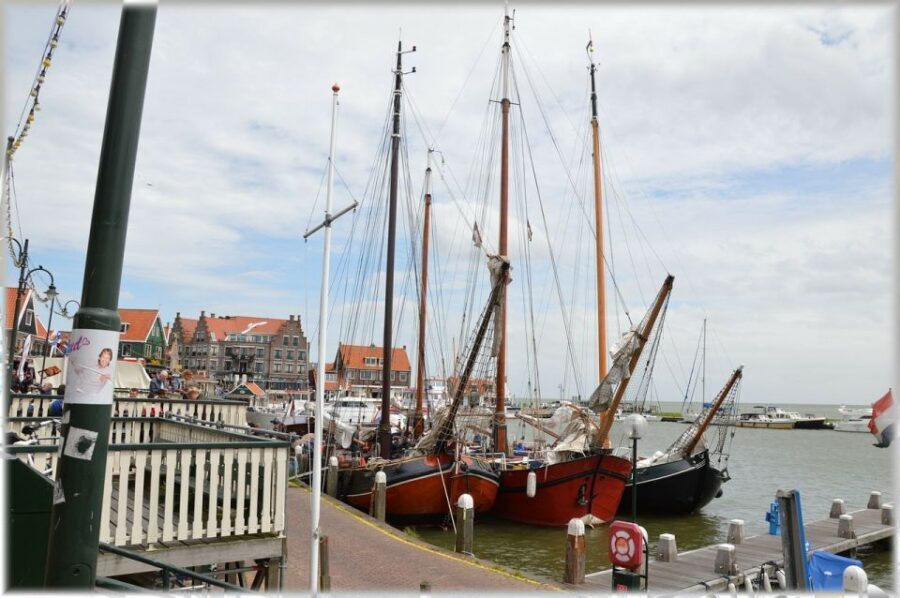
After the bridges, you walk along the harbor lined with historic ships and well-preserved buildings. This part is your maritime backbone. Even if you don’t read every label or plaque you pass, the setting tells the story: this was a working port area, not just a pretty neighborhood.
The route makes you feel the connection between the water and the city. You’re seeing why Delfshaven mattered—ships weren’t background; they were the reason for the buildings and industries around them.
The windmill stop: a symbol with a job
Then you pass by an iconic windmill—a clear symbol of Dutch heritage. But this stop isn’t just for photos. You’ll hear about its role in powering distillery factories, which ties the scene back to how the area functioned during its industrial past.
This is a great moment to listen closely to the audio rather than just glance around. The windmill’s purpose gives the landmark context. A windmill without a job can feel like a postcard. With the industrial link, it becomes a clue.
The church connection to the Pilgrim Fathers
Your next stop is a historic church connected to the Pilgrim Fathers, who set sail from Delfshaven to escape religious persecution and head to the New World.
This is one of the more emotionally weighted stops in the route. It also makes you look differently at the neighborhood. Even if you’re mostly here for architecture and views, this piece gives the walk a human story.
Practical tip: slow down here. The tour is short, but this is where you’ll want a full minute to take in what the setting suggests.
Delfshaven Town Hall brewery: beer in a former civic building
Next up is a brewery located in the former Delfshaven Town Hall, where traditional Dutch beer is still brewed today. That detail matters because it shows how buildings get reused instead of erased. Civic spaces often become cultural ones, but the brewing connection makes it feel especially Delfshaven.
If you’re a beer person, this stop lands even better. You get the brewing lineage without needing to tour a big facility. And if you’re not a beer person, it still gives you something concrete: the area’s work life.
Tiny guild house: porters and everyday labor
Then the tour passes a small historic guild house where porters once gathered to carry heavy grain sacks. This is the kind of stop that many city walks skip because it sounds too specific.
Don’t skip it. Stories about everyday labor are what make historic districts feel real. You’ll start noticing textures like narrow street turns and the kind of layout a port workforce would need.
The restored grain warehouse (1825) and the pinball detour
After that, you pass by a museum in a restored grain warehouse from 1825. The attraction here is quirky: it includes a collection of vintage pinball machines.
If you want a light, nostalgic moment, this is it. It also breaks up the more serious themes—religious departure, maritime work, industrial power, and WWII scars—so your brain gets a breather.
Keep expectations practical: the tour time is for walking and passing by stops. If you want extra time inside the museum, plan to extend your walk.
Piet Heyn monument: the story comes back around
Later, you stop at a monument dedicated to Piet Heyn, one of the Netherlands’ famous naval heroes. The narration covers his exploits, including capturing the Spanish silver fleet.
This stop ties the tour together. You started with his bridge name, and now you’re standing in the place built to remember him. That loop makes the historical info stick better than a random landmark would.
Locks of Love and the Euromast in the background
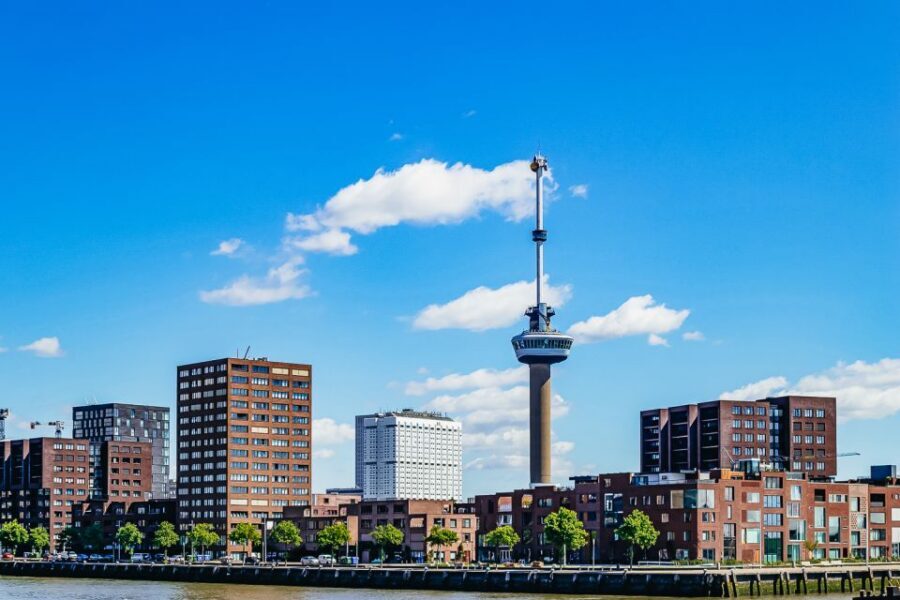
One of the most photo-friendly moments is the “Locks of Love” seat. Couples leave love locks overlooking the canal, and you get a view of the Euromast observation tower in the background.
This is a nice example of Delfshaven blending old and new Rotterdam. You’re in a historic pocket, but the skyline reference reminds you you’re still in a living, modern city.
If you like great views, treat this as your best moment for a longer pause. It’s one of the few stops where the background adds a second layer to the scene.
Narrow streets, WWII scars, and the city that kept going
The tour then moves through a well-preserved stretch of Delfshaven—narrow streets and older buildings that give you a window into the past.
Then you’ll explore the part where World War II scars are still visible. Rotterdam suffered heavy bombing during the war, but this area survived much of that devastation. That’s powerful when you see it in person. You’re walking through the difference between loss and survival.
Even if you don’t know every wartime detail, the neighborhood layout and the surviving structures help you understand how history can be written into a streetscape.
What I’d do to get the most out of it
Because this is self-guided, small choices affect the whole experience.
- Use headphones at a comfortable volume so the narration is clear.
- When you reach a bridge or monument, take one minute to look around before you move.
- If something catches your eye—an old facade, a ship detail—pause the tour, then resume when you’re ready.
The tour is short enough that you can do it twice in a day if you want—once for the story, once just for the scenery. And because there’s lifetime access, you can revisit later without paying again.
Who this tour suits best (and who might want a different plan)
This tour fits best if you want:
- A walkable old-town dose in under 90 minutes
- A clear, low-effort way to learn why Delfshaven looks the way it does
- A narrator-led route with offline audio so you can roam
You might want something else if you’re hunting for a long list of timed, indoor activities. This one focuses on walking, passing key sites, and letting the district do the heavy lifting.
Should you book Delfshaven’s self-guided audio tour?
I think it’s an easy yes if you like historic neighborhoods and you want context without planning every turn. The voice quality and pacing sound like the standout strengths, and at $9.99 for 60–75 minutes, it’s a very workable value.
Book it if you want a calm, structured walk through Delfshaven’s canals, bridges, maritime landmarks, and the human stories tied to Piet Heyn and the Pilgrim Fathers. Skip it only if you’re set on a museum-heavy day or you don’t want to use your own smartphone and headphones.
FAQ
How long is the Delfshaven self-guided tour?
The total duration is your walking time as you pass the listed attractions, about 1 hour to 1 hour 15 minutes.
What language is the audio available in?
The tour is offered in English.
Do I need an internet connection while walking?
No. The tour includes offline access to audio, maps, and geodata.
What do I need to bring?
You need your own smartphone and headphones. They are not included with the tour.
Where does the tour start and end?
It starts at Delfshaven3026 VN Rotterdam, Netherlands and ends near Café de Oude Sluis, Havenstraat 7, 3024 SE Rotterdam.
Is this tour private?
Yes. It’s a private tour/activity, and only your group will participate.
What if I need to cancel?
You can cancel for a full refund with free cancellation up to 24 hours in advance. Canceling less than 24 hours before the start time isn’t refundable.