REVIEW · ROTTERDAM
Private Guided Daytrip in Rotterdam and Dordrecht
Book on Viator →Operated by Ontdek Dordrecht · Bookable on Viator
One afternoon, two Dutch worlds.
This private daytrip stitches together Rotterdam’s best-known architecture and art stops, then swaps to medieval Dordrecht by water. What I like most is how the route keeps you moving between iconic photo spots and street-level details, and how a good guide turns quick stops into real stories. The other big win: you get the waterbus connection without having to plan it yourself.
The only real drawback is time pressure. At about 4 hours, you’ll see a lot, but you won’t have hours to go deep inside every site—so if you want maximum museum time, plan on adding extra hours in Dordrecht after the tour.
In This Review
- Key Highlights You’ll Actually Feel
- What You’re Paying for in Rotterdam + Dordrecht
- Pickup, Private Group, and How the Day Flows
- Rotterdam Centraal Station: More Than a Place to Catch a Train
- Museum Boijmans Depot During Renovations
- Paul McCarthy’s Santa Claus: Public Art With a Story
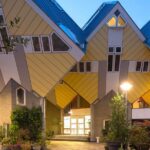
- Cube Houses and the Weird-But-Logical Rotterdam Interior
- Markthal: One Stop Where Food, Design, and Art Collide
- Laurenskerk and Oude Haven: Surviving War and Staying Real
- Erasmus Bridge: Swan-Shaped Views and the Waterbus Moment
- Grote Kerk, Hof van Nederland, and Stadhuis in Dordrecht
- Ary Scheffer Square: Where the Day Becomes Comfortable
- Huis Van Gijn and Kunstkerk: Old Homes and a Church Turned Art Space
- Walking the Historische Binnenstad to Groothoofdspoort
- Getting Back: Merwekade and the Ferry Option
- Who This Tour Fits Best
- Should You Book This Rotterdam + Dordrecht Private Daytrip?
- FAQ
- Does the tour include the ferry ride from Rotterdam to Dordrecht?
- How long is the daytrip?
- Is the tour entirely walking?
- Is admission included for Grote Kerk in Dordrecht?
- Where does the tour start and end?
- Is there a way to get back to Rotterdam after the tour ends?
Key Highlights You’ll Actually Feel
- Rotterdam Centraal: a quick walk-through of the station’s design and its long road to completion
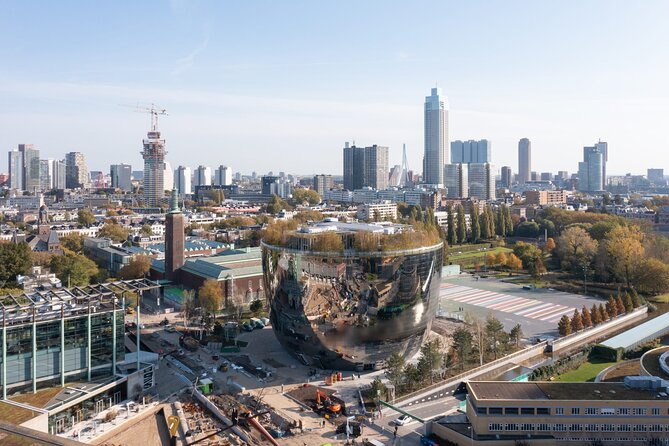
- Boijmans Van Beuningen depot: you still get art architecture even while the main museum is renovated
- Paul McCarthy’s Santa Claus: a big public-art stop with local nickname lore
- Cube houses + Markthal: modern oddball housing and the market hall’s dramatic interior artwork
- Erasmus Bridge + water ride: swan-shaped views on the way to Dordrecht
- Medieval Dordrecht core: churches, courtyards, converted spaces, and the Groothoofdspoort gate
What You’re Paying for in Rotterdam + Dordrecht
At $151.16 per person for roughly 4 hours, this isn’t the cheapest way to visit two cities. It is, however, a strong value if you like guidance that saves time and helps you read what you’re seeing. You’re paying for a professional guide who keeps the day on track, plus included ferry tickets for the Rotterdam-to-Dordrecht water part.
It’s also a smart format if you want both modern and old without switching plans mid-trip. Rotterdam gives you bold contemporary design, big public art, and major city landmarks. Dordrecht adds Gothic church shapes, historic courtyards tied to the Dutch struggle for independence, and riverside medieval street texture.
Do note the pace. Most stops are around 10 minutes, with one longer stretch for the waterbus. That means the tour is built for variety and orientation, not for slow browsing.
You can also read our reviews of more tours and experiences in Rotterdam.

Pickup, Private Group, and How the Day Flows
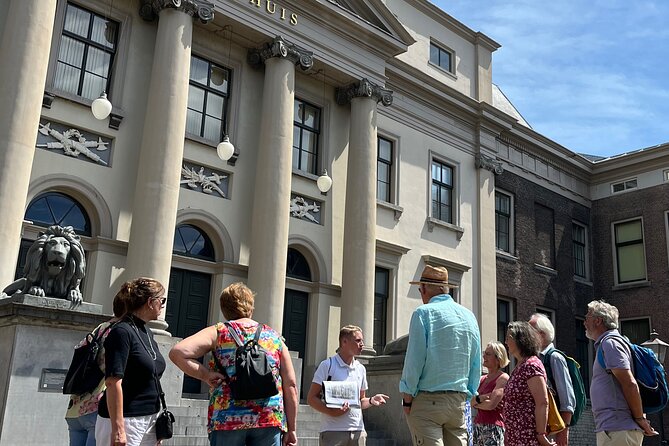
This is a private tour, so it’s just your group with the guide (no mixing with strangers). That matters in cities like Rotterdam and Dordrecht, where the best route is often about small decisions: where to stand for a view, how to approach a landmark from the right angle, and when to move before crowds shift.
Pickup is offered, and you’ll have a mobile ticket. The starting point is Stationsplein 39, Rotterdam, and the day ends at Merwekade, Dordrecht (near the Watertaxi area). From there, you can take the ferry back toward Rotterdam in about 50 minutes if you want to keep the day simple.
The tour runs in English. Service animals are allowed, and it’s generally set up so most travelers can participate.
Rotterdam Centraal Station: More Than a Place to Catch a Train
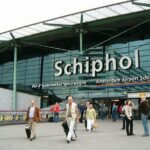
You start at Rotterdam Centraal Station, and the guide doesn’t treat it like a quick backdrop. The pointed roof design and the station’s modern shine are part of its story. You also get the practical context of how much passenger traffic it handles—around 170,000 passengers—and why the building’s form fits the city’s forward-looking identity.
This stop is brief, but it’s useful. In a city famous for modern architecture, it helps to know what you’re looking at before you move on. You’ll also learn that the station’s construction wasn’t instant—it took a long battle to get it built.
Tip: Rotterdam can be windy near open transit areas. Wear a layer you don’t mind keeping on during short walks.
Museum Boijmans Depot During Renovations
Your next art moment is Museum Boijmans Van Beuningen’s depot. Even if the main museum is closed for major renovations, you’re not left out. The depot is accessible, and the building itself is the attraction: a glass structure that mirrors the whole museum park around it.
If you’ve ever felt disappointed when a “must-see museum” is closed, this is the fix. You still get the big, contemporary museum-architecture experience, and you still see the kind of art collection the museum is known for.
The key value here is timing and access. You don’t lose the day to closures. You learn how museums keep working even when parts of the operation are under renovation.
Paul McCarthy’s Santa Claus: Public Art With a Story
Then you hit Santa Claus by American sculptor Paul McCarthy. It’s one of those pieces that makes people pause, mostly because it doesn’t feel like the Santa Claus most people grew up with.
Your guide will explain the interpretations and also share the local lore—there’s an infamous nickname among Rotterdam residents. That kind of street-level context is why public art with a good guide feels so much better than just snapping a photo.
Quick consideration: public sculptures can be distracting if you rush past. Slow down for a minute. Notice the details your eyes naturally skip.

Cube Houses and the Weird-But-Logical Rotterdam Interior
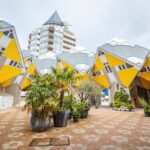
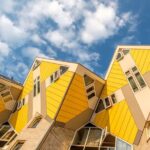
Next comes the Kijk-Kubus Museum-house, where you see the famous yellow cubic houses above the road near the harbor area. From the outside, they look like something designed by an art student who won a bet. But the inside structure doesn’t play out like a surreal optical trick.
This is a great stop for people who like architecture as a human-scale problem. Rotterdam’s modern design isn’t just about shapes—it’s about making space work.
Even if you don’t love interiors, the guide’s explanation helps you “read” why the layout is so unusual.
Markthal: One Stop Where Food, Design, and Art Collide
In the heart of the city you’ll reach Markthal, the market hall built around a dramatic interior. It sits near the original foundations of Rotterdam, and that’s a big deal for context: you’re walking into a modern food-and-shopping hall on top of older city layers.
Inside, you’ll see market stalls, restaurants, and shops. You’ll also get a restroom break here, which is practical in a 4-hour day when you don’t want to lose time searching for facilities.
The most eye-catching element is the ceiling artwork—described as the largest work of art in the world on the inside roof. Even if you don’t remember the exact claim, you’ll feel how the building turns a normal market stop into a visual event.
If you’re tempted to snack, do it here. The tour gives you a chance to reset before the next stretch.
Laurenskerk and Oude Haven: Surviving War and Staying Real
Rotterdam isn’t only modern. Grote of Sint-Laurenskerk (the Laurenskerk) is one of the few historic buildings that survived World War II destruction. You’ll see a Protestant church that dates back to the 15th century, and you’ll learn how its height and role changed over time—especially after new structures went up in the late 20th century.
This stop offers a quiet contrast. In a day that starts in shiny modern design, it helps to understand what endured, what rebuilt, and what still serves locals today.
Then you move to Oude Haven, one of the older harbor areas. This is where Rotterdam feels human again: small cafés and restaurants along the historic waterfront, with ships and swimmers as part of the ongoing scene. It’s the kind of place where your guide’s stories can turn the past into something you can still sense.
Erasmus Bridge: Swan-Shaped Views and the Waterbus Moment
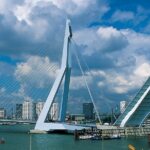
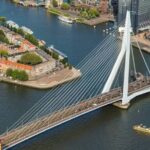
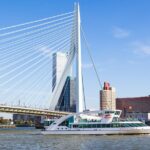
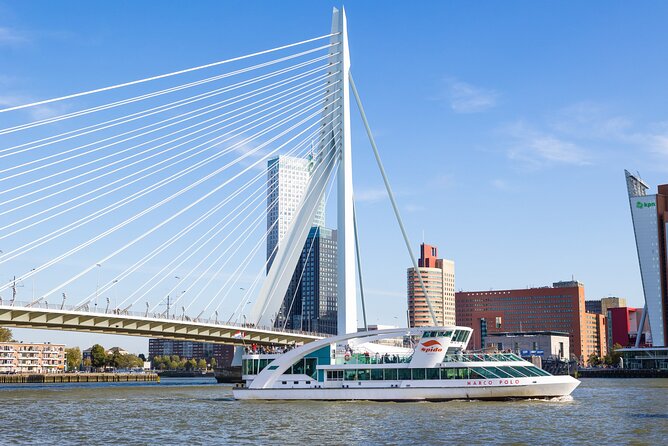
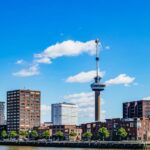
At Erasmus Bridge, you’ll get the famous design reference: it resembles a swan, which is why you’ll hear it called that locally. The guide also connects the bridge to a major annual tradition—its role in New Year’s Eve fireworks—so the landmark isn’t just a static photo.
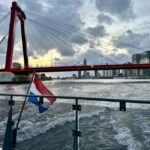
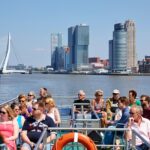
Then comes the best piece of the day: the switch from land to water. From the ferry stop near Erasmus Bridge, you ride a waterbus with your private guide to Merwekade in Dordrecht. The water segment is about 1 hour.
This is more than transportation. It’s your built-in change of pace. You trade street-level stops for open views, and that makes Dordrecht feel like a real destination when you arrive.
Grote Kerk, Hof van Nederland, and Stadhuis in Dordrecht
Once you step into Dordrecht, the city tightens around history.
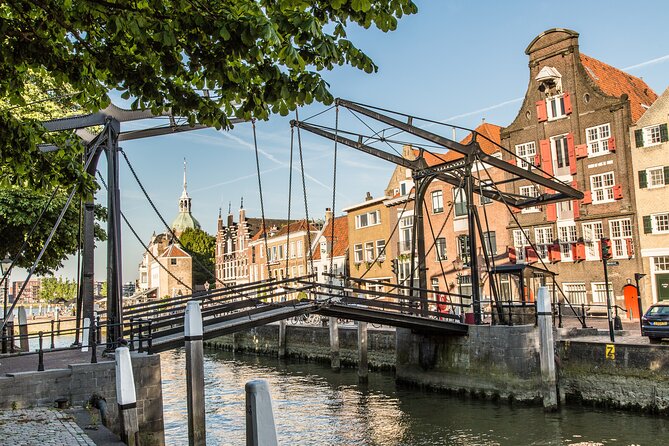
Your first major landmark is Grote Kerk (Great Church). It’s Gothic, dates back to the 14th century, and the church tower shapes the Dordrecht skyline. The interior is also described as impressive, with carvings and stained glass. One note for your planning: entry for this church is not included, so if you want to go inside, you’ll likely need to pay separately.
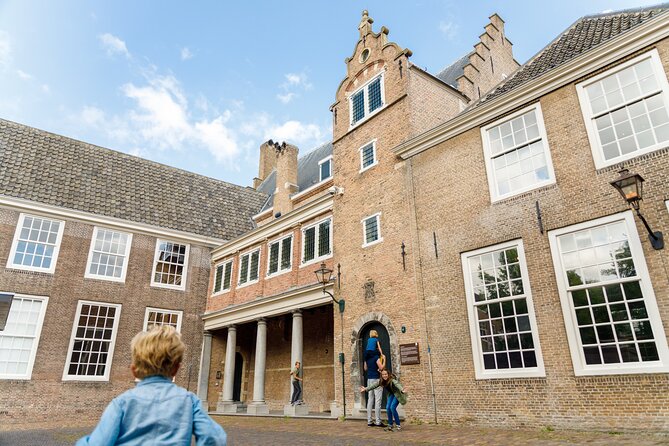
Next you reach Hof van Nederland, a historic former monastery area tied to the Dutch war of independence against the Spanish. You’ll hear about how key national figures passed through there, including William of Orange-Nassau. Today it functions as a museum centered on freedom, so the site has meaning beyond architecture.
Then the group visits Stadhuis van Dordrecht (City Hall). It’s the seat of the city government and it’s open to the public, with tours that explain its history and architecture. Even without going inside, the exterior and location in the city heart provide a strong sense of Dordrecht’s civic identity.
Ary Scheffer Square: Where the Day Becomes Comfortable
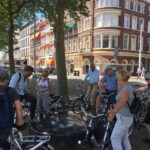
After church and civic buildings, you shift to a place built for hanging out. The Ary Scheffer standbeeld stop sits in one of Dordrecht’s main squares, surrounded by outdoor seating where you can grab food or a drink.
This is where the tour stops feeling like a checklist and starts feeling like a day in a real town. The guide shares stories about Ary Scheffer and how he made a name for himself, especially in France. That gives a human thread through the medieval setting.
If the weather is good, this is a good pause point. You’re not just waiting here—you’re resetting your energy before the walking section continues.
Huis Van Gijn and Kunstkerk: Old Homes and a Church Turned Art Space
Next is Huis Van Gijn, a preserved residence linked to Simon van Gijn, a banker who helped support cultural preservation in Dordrecht. The home has been converted into a museum and kept in the same late 19th to early 20th century style.
This is a different type of history than medieval walls. It shows how wealth, culture, and preservation mattered later—so the city feels layered instead of stuck in one era.
Then you visit Kunstkerk, a converted church with art exhibitions by local artists. You’ll notice the stained-glass windows at the entrance, and the point here is the mix of old structure and newer creative use.
If you’re the type of traveler who likes to see how cities reuse space, this is a perfect match. The tour keeps showing you that Dordrecht didn’t only preserve the past—it repurposed it.
Walking the Historische Binnenstad to Groothoofdspoort
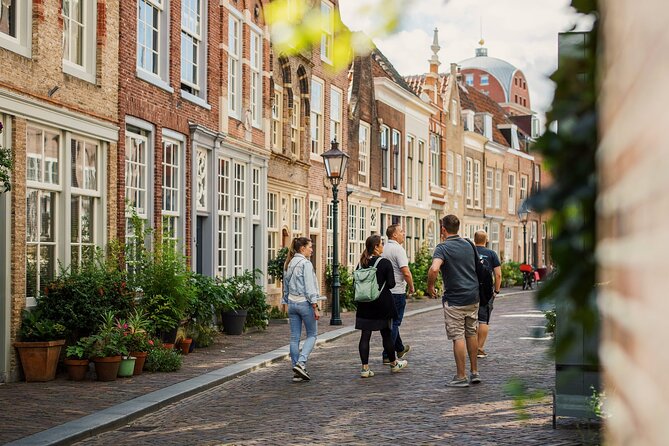
The rest of the Dordrecht experience becomes a walking reveal of the historic center—Historische Binnenstad. Streets, cobblestones, and waterways make the city feel like an outdoor museum, but without the stiffness you sometimes get in theme-park historic areas.
At the end, you reach Groothoofdspoort, one of Dordrecht’s surviving medieval city gates. It’s described as the prettiest one that remained, and it sits at the confluence of three rivers. The guide also ties the gate to the origin story of the nickname for Dordrecht’s citizens.
This last stop is ideal for closing the loop. Earlier you rode in by water and saw Rotterdam’s bridge and harbor rhythm. Here you understand why gates mattered near waterways, and why rivers shaped daily life.
Getting Back: Merwekade and the Ferry Option
The tour ends at Merwekade. From the nearby Watertaxi area, you can take the ferry back toward Rotterdam in about 50 minutes.
This is helpful because it prevents the usual travel problem: you finish the tour and then need to figure out how to get home. If you still have energy, you can also choose to spend more time in Dordrecht instead of rushing back immediately.
Who This Tour Fits Best
This private daytrip works best if you want a guided overview of two very different cities without wrangling transit. It’s a great choice for couples, small groups, and anyone who appreciates architecture, public art, and story-based walking.
It’s also a good fit if you don’t want to depend on museum schedules. You’ll see the Boijmans depot even during renovations, and you’ll still get meaningful sights across Rotterdam and Dordrecht.
If you’re the type who wants long museum time, quiet corners, or lots of interior entry tickets (especially since Grote Kerk admission isn’t included), you may feel the short timing. In that case, use this tour for orientation, then extend your day in Dordrecht on your own.
Should You Book This Rotterdam + Dordrecht Private Daytrip?
I’d book it if you want a smooth, guided day that strings together signature Rotterdam landmarks, a memorable water ride, and a compact look at Dordrecht’s medieval core. The strongest reason is value through planning saved: you’re paying for a route that handles modern city highlights and historical Dordrecht in one connected loop.
I wouldn’t book it if your priority is slow-paced history or you expect lots of interior time across multiple paid sites. With many stops kept short, you’ll likely want to add extra hours later if you fall in love with Dordrecht and want more than the highlights.
If you can match your expectations to the format—guided orientation plus a couple of key sights—you’ll probably leave happy.
FAQ
Does the tour include the ferry ride from Rotterdam to Dordrecht?
Yes. You ride the waterbus with your private guide from the ferry stop near Erasmus Bridge to Merwekade in Dordrecht, and ferry tickets are included.
How long is the daytrip?
It runs for about 4 hours.
Is the tour entirely walking?
It includes walking in Rotterdam and Dordrecht, plus the waterbus ferry ride between the cities.
Is admission included for Grote Kerk in Dordrecht?
No. Grote Kerk admission is not included, while many other stops in the plan are described as free.
Where does the tour start and end?
It starts at Stationsplein 39, 3013 AJ Rotterdam and ends at Merwekade, 3311 Dordrecht.
Is there a way to get back to Rotterdam after the tour ends?
Yes. From the Watertaxi Station in Dordrecht, you can take the ferry back to Rotterdam, which is listed at about 50 minutes.