REVIEW · DELFT
Delft: Canal House Museum ‘Paul Tetar van Elven’ Ticket
Book on GetYourGuide →Operated by Stichting Museum Paul Tetar van Elven · Bookable on GetYourGuide
That ceiling alone is a reason to go.
The Museum Paul Tetar van Elven turns a real Delft canal house on the Koornmarkt into an artist’s home base, filled with antiques, drawings, and collections that match his passions. I especially love the feeling of walking through a well-kept 19th-century artist’s house where the rooms seem curated by the owner himself, and I love the way his collecting connects local Delft making with porcelain from the Far East. One possible drawback: it’s a compact house, so if you only want big-gallery museum vibes, you may finish fast.
You’ll get the most out of it by planning time to look closely at the details in each room. If you’re short on time in Delft’s center, squeeze in at least one slow pass through the living spaces plus the pottery and porcelain cabinets, not just the highlights.
In This Review
- Key points worth knowing before you buy
- Delft canal house museum: what you’re really stepping into
- The 1-day flow that works: room-by-room in the order that makes sense
- The canal house entrance and living rooms
- The Salon and its painted ceiling
- Portraits, paintings, and Tetar’s artistic presence
- The studio: personal possessions in context
- The library: antique books as a mindset
- The cabinets: pottery and porcelain (the collector’s payoff)
- What makes the house itself such a big part of the experience
- The Salon ceiling by Abraham Gips: art history you can see in 30 seconds
- Delft blue pottery and Far East porcelain: why this pairing is so interesting
- The guide experience: what to do if you’re offered a tour
- Price and value: is $14 a fair deal for a Delft house museum?
- Who this museum suits best (and who might skip it)
- Practical tips so your visit feels easy
- FAQ
- FAQ
- Where is the Museum Paul Tetar van Elven located?
- How long should I plan for this ticket?
- What does the ticket include?
- Are food and drinks included?
- What languages are available?
- What’s the museum known for?
- Is there cancellation flexibility?
- Should you book this Delft canal house ticket?
Key points worth knowing before you buy
- Paul Tetar van Elven’s preserved canal house is one of the best-preserved examples of a 19th-century artist’s home in the Netherlands.
- The salon ceiling was painted by Abraham Gips, with names of old masters Tetar admired (Raphaël, Rubens, Rembrandt, and others).
- Expect an eye-opening mix of Delft blue pottery, antique books, and porcelain from the Far East.
- Rooms are set up like a lived-in home: drawing rooms, a studio with personal possessions, and a library.
- You’ll likely enjoy it more with a guide, since the tours are praised for being enthusiastic and knowledgeable.
Delft canal house museum: what you’re really stepping into
This isn’t a museum you visit for one object. It’s a museum you visit because the place is the story.
In the middle of Delft, right on the Koornmarkt, stands the home of Paul Tetar van Elven (1823–1896). He was an artist, a drawing-master at what’s now the Technical University of Delft, and a devoted collector of art, antiques, and Delft blue pottery. He also collected porcelain from the Far East—so the house becomes a kind of map of what a single motivated person in the 1800s wanted to learn, own, and show.
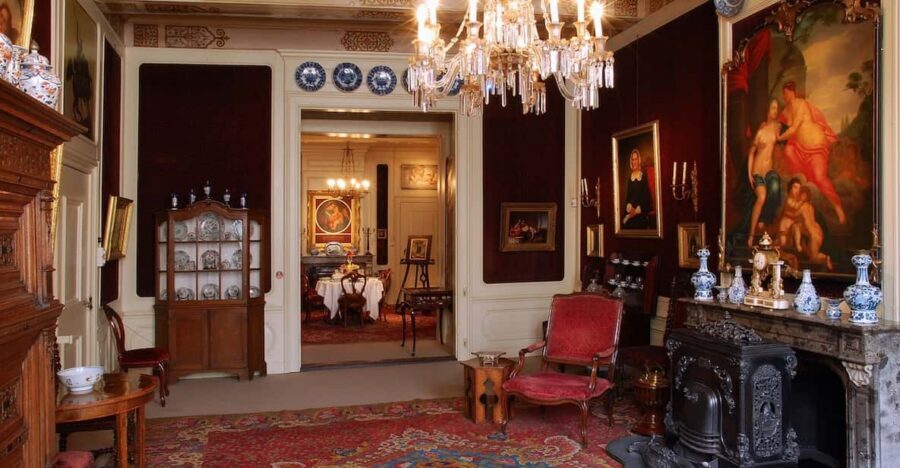
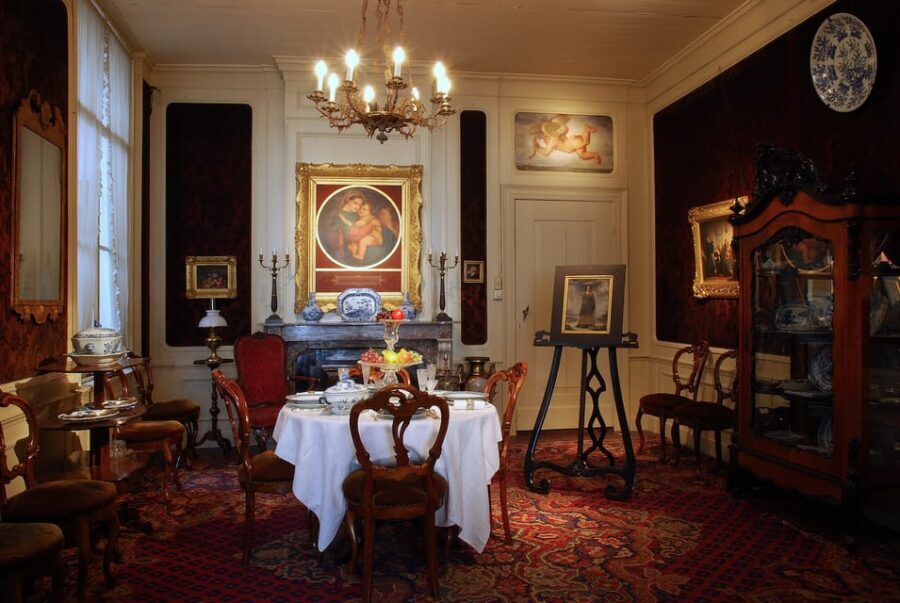
Here’s what makes it special for you: the house was turned into a museum through Tetar’s will, so the interior still feels like it belongs to a specific person and time. The museum is described as the only well-preserved, authentic example of a 19th-century artist’s house in the Netherlands, and you’ll feel the difference right away in the way the rooms are arranged and presented.
A few more Delft tours and experiences worth a look
The 1-day flow that works: room-by-room in the order that makes sense
This experience is built around one location, so your “itinerary” is really a sequence of rooms. In a 1-day window, I’d treat it like a careful walk through a home: living spaces first, then the evidence of collecting, then the study areas.
The canal house entrance and living rooms
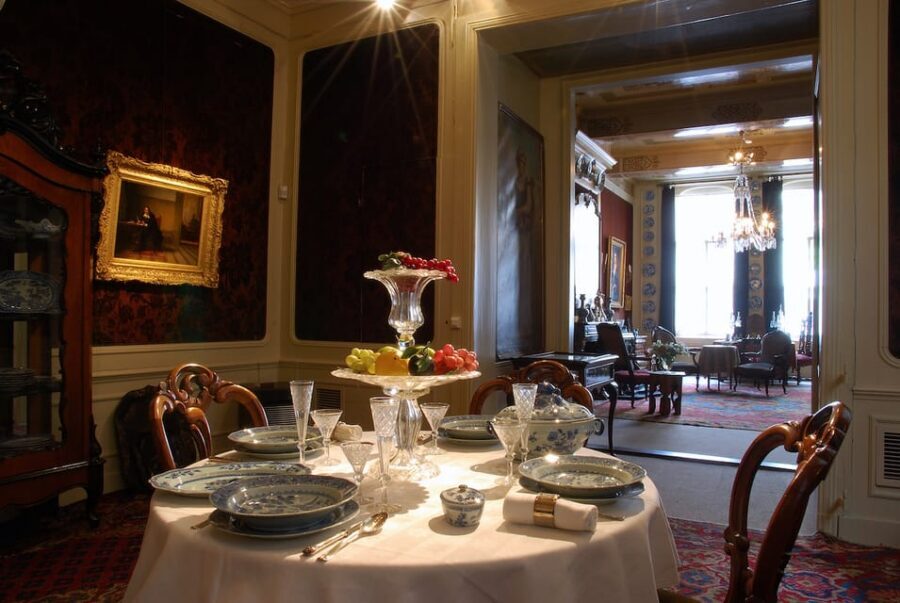
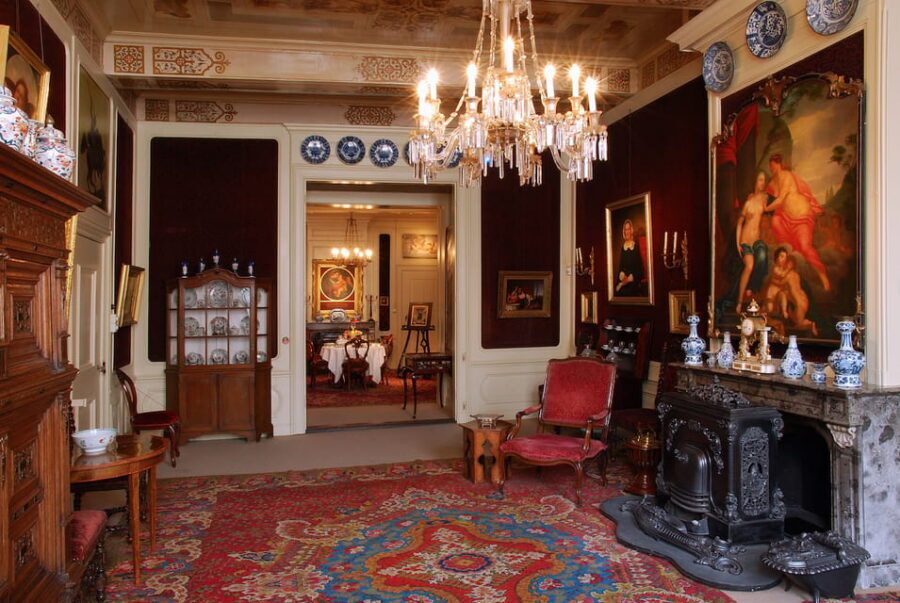
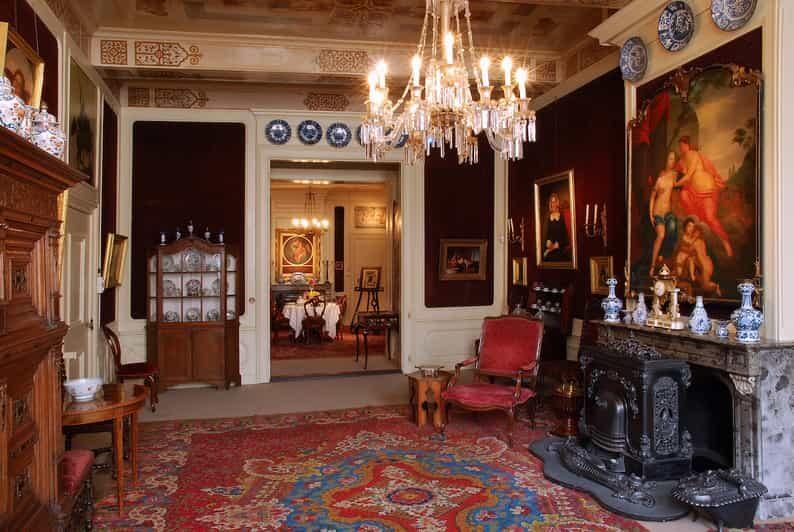
Start with the spaces that show you how Tetar and his wife likely lived. The museum highlights richly furnished drawing rooms and a lavish interior that makes you feel like you’ve been invited into their daily world, not lined up in a queue of artifacts. If you care about interior design, this is where you’ll notice how the atmosphere is shaped—furniture choices, portraits, and the overall sense of comfort.
If you’re sensitive to crowded rooms, go a little slower at the start. Canal houses can feel compact, and a calm pace helps you actually read what’s on display.
The Salon and its painted ceiling
Next, don’t rush past the salon. The museum’s most striking addition is the ceiling Tetar commissioned Abraham Gips to paint. Gips decorated it with the names of old masters Tetar admired and copied—Raphaël, Rubens, Rembrandt, and others.
This ceiling is more than decoration. It’s Tetar telling you who he learned from and who he wanted his eye to follow. For art-lovers, it’s a quick cheat sheet to his taste. For everyone else, it’s a moment that turns a normal room into a conversation with the past.
Portraits, paintings, and Tetar’s artistic presence
From there, you’ll see portraits and paintings by Tetar and his contemporaries. This matters because it prevents the collection from feeling like a “random antiques shop.” Instead, you can connect his collecting to his identity as a working artist and teacher—he wasn’t just buying objects, he was shaping his world through art.
Take a moment to compare what’s on the walls with what’s in the cabinets later. It helps the whole house click into place.
You can also read our reviews of more museum experiences in Delft
The studio: personal possessions in context
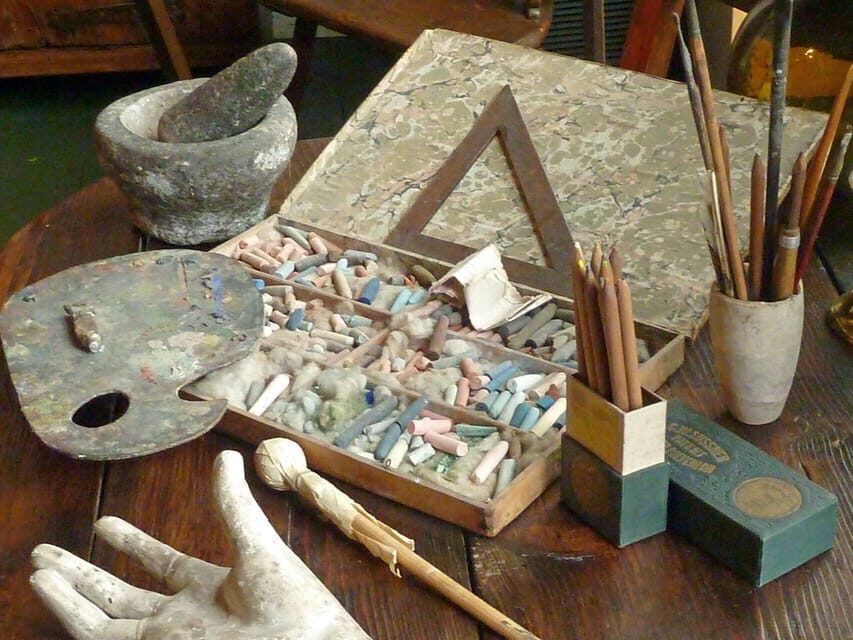
Then move into the studio. The museum includes a studio area with Tetar’s personal possessions, which makes it easier to picture how his daily work connected to his collecting. If you like seeing process and routine, this section tends to satisfy because it’s less about spectacle and more about life.
One consideration: if you’re not into drawings or the craft of art-making, the studio might feel quieter. Still, it’s the part that gives you the strongest sense of “who lived here.”
The library: antique books as a mindset
You’ll also find a library with Tetar’s collection of antique books. A library can sound dry until you realize what it signals: he valued reference, lineage, and learning-by-studying. For someone who’s curious about how collectors think, this is a key piece of the puzzle.
The cabinets: pottery and porcelain (the collector’s payoff)
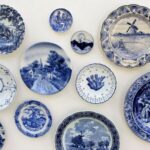
Finally, don’t miss the cabinets featuring Tetar’s extensive collection of pottery and porcelain. This is where local pride meets global trade routes: Delft blue pottery alongside porcelain from the Far East.
If you’re a Delft blue fan, this is a great “why it matters” stop, not just a “look at pretty plates” moment. And if you’re new to Delft blue, you’ll come away with a sense of how objects like these could represent status, taste, and curiosity all at once.
What makes the house itself such a big part of the experience
It’s easy to focus on what’s inside. But the building matters too.
The house dates back to the 16th century, from shortly after the Great Fire of Delft in 1536. In that period, the Koornmarkt became one of the wealthiest areas of the city, so you’re standing in a neighborhood that once concentrated money and influence. That background helps explain why Tetar’s later interior could be so lavish.
Over the centuries, the building went through changes: renovations, a new front façade, and extensive modernization around 1800. Tetar bought the house in 1864, and the museum notes he carried out no further renovations of his own—he adapted the interiors to the fashions of his time.
So you get a layered effect. You’re not just seeing “a house with antiques.” You’re seeing a building that evolved, while Tetar’s choices preserved a recognizable 19th-century artist’s lifestyle.
The Salon ceiling by Abraham Gips: art history you can see in 30 seconds
If you only have a short time in the museum, make sure you spend time here.
Tetar commissioned Abraham Gips to decorate the salon ceiling with names of old masters he admired and copied. The museum specifically highlights names like Raphaël, Rubens, and Rembrandt—plus other masters.
This detail is valuable for your visit because it gives you a lens. When you look at paintings and portraits elsewhere, you’re not just seeing “stuff on walls.” You can connect the house’s art choices to Tetar’s stated preferences and training instincts.
Also, it’s a rare moment where a museum guide can turn a visual detail into a quick story about learning and copying in art. Even without that added commentary, the ceiling provides a big emotional hit—because it’s so direct. Tetar literally names his influences above your head.
Delft blue pottery and Far East porcelain: why this pairing is so interesting
The museum doesn’t treat Delft blue as a local souvenir category. Instead, it shows it as part of a collector’s wider world.
You’ll see cabinets with an extensive collection of pottery and porcelain, including Delft blue pottery and porcelain from the Far East. That pairing matters because it reflects how Dutch collectors could connect a local craft tradition with objects and styles arriving through trade routes. In other words, the collection isn’t only about decoration—it’s about curiosity.
For you, this is a smart stop if you like objects with a “story of movement.” Delft blue itself is local, but the porcelain element widens the frame. You start noticing how taste, economics, and global connections can live side-by-side inside one house.
The guide experience: what to do if you’re offered a tour
The museum is set up like a house museum, and that kind of visit often lands best with interpretation. Based on how the guides are described, the tours tend to be both enthusiastic and highly knowledgeable, which is exactly what you want here.
When a guide is available, focus on the ceiling, the collecting section, and the “why this room was arranged like this” parts. Those are the moments where a short explanation can make the difference between looking at an object and understanding what it meant to Tetar.
If you don’t get a guided format, don’t worry. The house itself is structured well for self-walking. Just slow down and follow the logic: living rooms → salon ceiling → studio and library → cabinets.
Price and value: is $14 a fair deal for a Delft house museum?
At about $14 per person for a 1-day visit, this ticket price sits in the “reasonable” zone for a specialist museum. You’re paying for something that many big museums can’t easily offer: a preserved artist’s home, with collections presented in the rooms where they make sense.
What you get for the money:
- A preserved 19th-century artist’s house with distinct, nameable features like the salon ceiling
- A guided or guided-style walkthrough feel, especially if you connect with a knowledgeable guide
- A strong blend of art, antiques, books, and Delft blue plus Far East porcelain
If you’re a casual museum browser who wants only broad, high-speed highlights, the value may feel slightly lower because the house is focused and compact. If you like detail and “place-based” museums, this price feels more like a smart ticket than a gamble.
Who this museum suits best (and who might skip it)
This works best for:
- People who like Delft blue pottery and want to see it in a context beyond shops
- Art lovers who enjoy artist houses, studios, libraries, and influence charts (hello, salon ceiling)
- Anyone curious about how 19th-century collectors thought and what they chose to display
You might not love it as much if you’re chasing huge crowds, big landmark scale, or modern museum installations. This is a quiet, room-based experience. It rewards attention.
Practical tips so your visit feels easy
You’re in Delft’s center on the Koornmarkt, so plan to combine this with other nearby sights. A canal house museum fits well with walking around for a few hours, then eating later elsewhere.
A few things that help:
- Give yourself time for the salon ceiling and the cabinets. Those are high-impact stops.
- If you’re into art influences, make the ceiling your anchor point and let the paintings and portraits connect back to it.
- If you’re traveling with someone who prefers decorative objects, emphasize the Delft blue and porcelain cabinets early so expectations match.
Language options are English and Dutch, so you can comfortably enjoy the explanations and labels either way.
FAQ
FAQ
Where is the Museum Paul Tetar van Elven located?
It’s in the center of Delft on the Koornmarkt, in the canal house of Paul Tetar van Elven.
How long should I plan for this ticket?
The experience is valid for 1 day. You can check availability to see starting times.
What does the ticket include?
The entry ticket to the Museum Paul Tetar van Elven.
Are food and drinks included?
No. Food and drinks are not included.
What languages are available?
English and Dutch.
What’s the museum known for?
It’s known for Paul Tetar van Elven’s preserved canal house interiors, his art and antique collections, and features like the salon ceiling painted by Abraham Gips.
Is there cancellation flexibility?
Yes. Free cancellation is listed, with cancellation allowed up to 24 hours in advance for a full refund.
Should you book this Delft canal house ticket?
If you like museums that feel like you walked into a specific person’s world, book it. For Delft blue fans, art lovers, and people who enjoy studios, libraries, and collections presented in lived-in rooms, this is a strong value at $14—especially because it’s a rare preserved example of a 19th-century artist’s house.
If you’re the type who wants only large, fast, headline-style attractions, you may find it smaller and more detailed than you expected. For me, that’s also the appeal: you don’t rush through this place. You look, you connect the objects to the collector, and you leave with a clearer sense of who Tetar van Elven was.