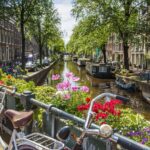
REVIEW · AMSTERDAM
Financial History Tour
Book on Viator →Operated by Historical Amsterdam Tours · Bookable on Viator
Money shaped Amsterdam’s story.
This tour gives you a clear view of how finance helped drive Amsterdam’s culture and heritage, starting at the famous exchange architecture near Dam Square. I especially like the private guide angle—flexible pacing, room for questions, and real back-and-forth—not just a lecture. I’m also into the way the route mixes recognizable landmarks with practical “look at this, notice that” moments for photos. One thing to consider: this is focused on money and markets, so if you mainly want canals and art, the subject matter may feel heavy after a bit of walking.
You’ll cover it in about 2 hours 30 minutes, mostly on foot with a moderate level of fitness. The tour uses a mobile ticket and runs in English, with a meeting start at Bistro Berlage and an end at Rokin, about 500 meters away across the Dam.
Because it’s booked fairly far in advance (about 28 days on average), I’d plan ahead if your dates are tight. And if the idea of Tulip Mania sounds like your kind of story, this one has serious payoff.
In This Review
- Key points you’ll care about
- Amsterdam’s Financial Story: Why this tour makes sense
- Starting at Beursplein: Beurs van Berlage sets the tone fast
- Stadsarchief Amsterdam: the surprise of archives in a bank-world setting
- Tulip Mania and the floating flower market: when speculation goes viral
- Private tour value: what you get when it’s just your group
- Price and what makes it fair
- Walking and photos: how to plan your 2.5 hours
- Who should book this Amsterdam financial history tour
- The guide makes a difference: follow Tijs de Boer’s thread
- Should you book Financial History Tour in Amsterdam?
- FAQ
- How long is the Financial History Tour in Amsterdam?
- How much does the tour cost, and what group size is it for?
- Is it a private tour?
- What language is the tour offered in, and do I get a ticket electronically?
- Where do I meet, and where does the tour end?
- Is admission included at the stops?
- What is the cancellation policy if my plans change?
Key points you’ll care about
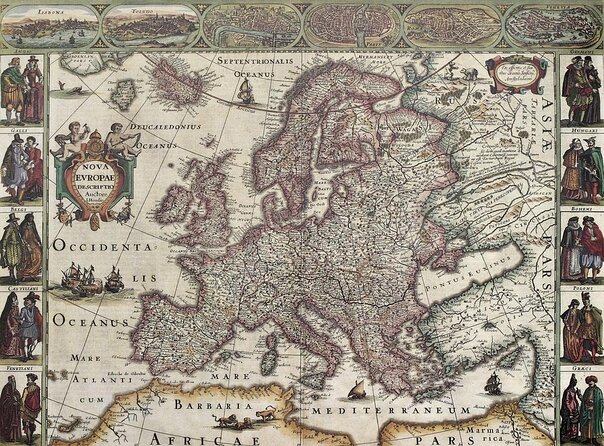
- Beurs van Berlage first: start at an exchange landmark built around Dam Square, with free admission for the stop
- Stadsarchief Amsterdam inside a bank-like building: a short visit with admission included and a basement view of the city archives
- Tulip Mania explained in plain terms: how the first economic bubble idea took hold, tied to Amsterdam’s floating flower market setting
- Private group for up to 10: you control the pace, timing, and photo stops instead of getting rushed
- Ends near Rokin: you finish on the other side of the Dam, around 500 meters from where you start
Amsterdam’s Financial Story: Why this tour makes sense
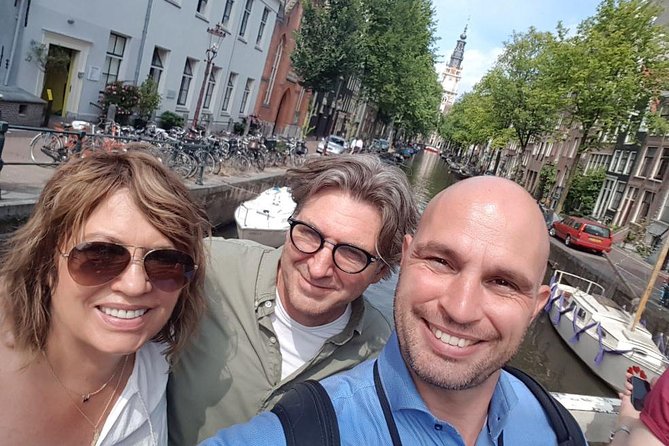
Amsterdam didn’t become a global player by accident. It was people, shipping, credit, and risk—turning trade into systems. This tour leans into that story with a route designed to show you how money ideas shaped culture, not just how banks worked.
What I like about the approach is that it doesn’t treat finance like homework. You get physical places—buildings and city corners—then you connect those spots to bigger themes: merchants, archives, exchange culture, and even speculative bubbles. If you’re the type who enjoys learning why a city looks the way it does, this format clicks.
The tour also respects your time. It’s about 2.5 hours, and the actual stop visits are short (around 10 minutes each at the listed locations). That means you get context without spending half your day inside rooms.
You can also read our reviews of more tours and experiences in Amsterdam.
Starting at Beursplein: Beurs van Berlage sets the tone fast
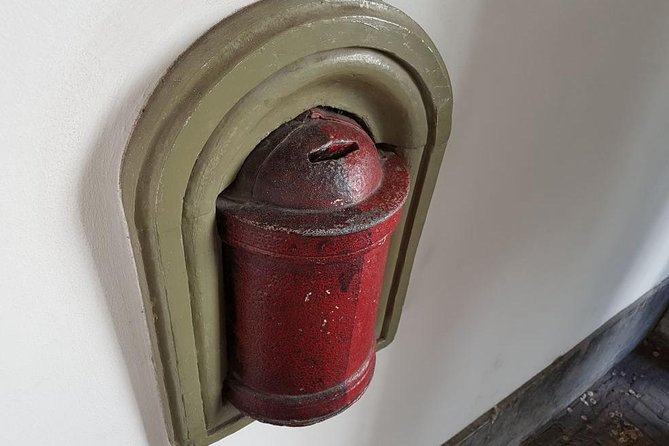
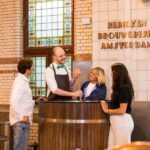
You begin at Bistro Berlage, Beursplein 1—right by the area where Amsterdam’s financial presence grew around Dam Square. The first stop is Beurs van Berlage, one of the exchange buildings tied to the city’s trading world.
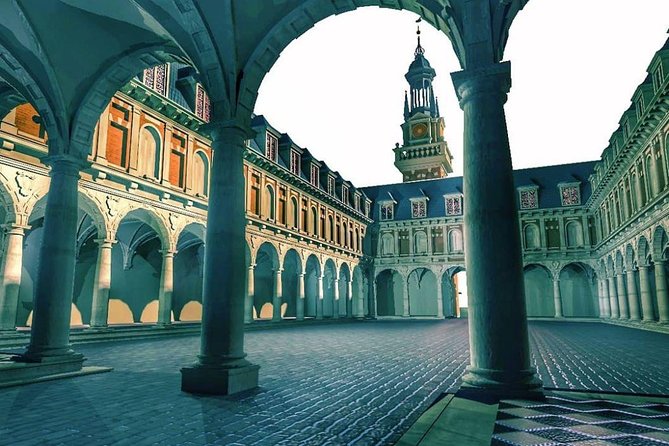
Here’s what makes this start smart: you’re grounding the tour in the shape of commerce itself. Exchange buildings aren’t just pretty facades. They signal power, trust, and the idea that markets needed a public-facing home. Even in a short visit (about 10 minutes), you can look at the architecture and ask the key question the guide will point you toward: why did Amsterdam choose buildings like this, and what did that change in how business happened?
Admission is free for this stop, so you don’t feel like you’re wasting time paying your way into a story. You can also treat it as a warm-up photo stop. If you like taking pictures at the start of a walk (so you can “set the scene”), this place gives you a solid opener.
Stadsarchief Amsterdam: the surprise of archives in a bank-world setting
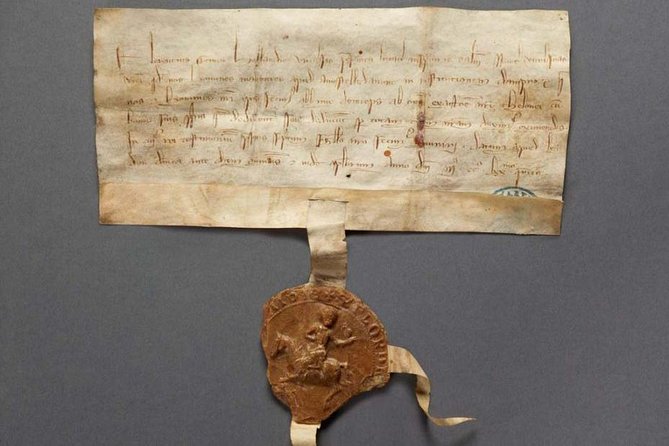
Next up is Stadsarchief Amsterdam. The tour frames it as a look into the city’s historical records, with the interesting twist that it’s tied to a former bank-building vibe. This stop is also only about 10 minutes, but it’s long enough to make it feel like more than a quick glance.
The biggest payoff here is the basement angle: you see that beneath the surface of Amsterdam’s finance landmarks, the city keeps its memory. You’re shown the archives as part of the financial story—how money isn’t just numbers, it leaves documents, records, and evidence behind.
Admission is included at this stop, which is nice because it keeps the experience feeling straightforward: you arrive, you learn, you move on. And since the theme is merchants and how they made their money, this setting helps connect people to paper trails. It’s a practical reminder that finance history survives through what gets recorded.
If you’re the kind of person who likes thinking like a researcher, you’ll probably enjoy the way this stop makes archives feel tangible instead of abstract.
Tulip Mania and the floating flower market: when speculation goes viral
One of the tour’s central themes is how the Dutch created one of the first famous economic bubbles: Dutch Tulip Mania. On this tour, that story is treated as a real event with human motives—what people wanted, what rumors did, and how prices can rise when belief spreads faster than reality.
The wording you’ll hear ties Tulip Mania to the setting of an Amsterdam floating flower market, which helps you picture the event as something rooted in daily life and commerce, not just textbook graphs. That matters, because it changes the vibe from “weird history” to “this is how markets behave when confidence gets contagious.”
If you want to understand bubbles without falling asleep, keep an ear out for the guide’s practical connections:
- how market excitement can spread quickly
- how people justify risk when profit seems close
- why the same forces show up again in different eras
I also appreciate how this topic fits the rest of the tour. You start with exchange architecture, move into a city-records environment, and then land on a story about speculation. That sequence helps your brain link systems, documentation, and human behavior.
Private tour value: what you get when it’s just your group
This is a private tour for your group only, with a maximum size of up to 10 people. That alone changes the experience. When the guide can focus on one group, you’re more likely to get answers that match what you actually want to know.
I like that the tour is described as flexible and personal. In practical terms, it means you can:
- spend a little longer at photo moments
- ask follow-up questions when a topic clicks
- adjust your pace if your group needs breaks
You also won’t feel trapped in a tight, “move on, next group” rhythm. That’s a big deal in Amsterdam, where walking routes can get crowded and time can slip away.


Price and what makes it fair
The price is $390.50 per group (up to 10), for about 2 hours 30 minutes. That’s not cheap if you’re traveling solo—but the value shifts fast when you’re splitting among friends, a family group, or a small group of travelers.
The best way to think about it: you’re paying for a dedicated guide and a focused route around money-driven city landmarks. You’re not just buying access to a building. You’re buying interpretation—especially helpful for a subject like finance, where the details can feel abstract without someone translating them into real-world context.
If you can share the group cost, it becomes a very reasonable way to get a themed experience that feels tailored rather than generic.
Walking and photos: how to plan your 2.5 hours
The total duration is about 2 hours 30 minutes, and the tour calls for moderate physical fitness. That’s fair for an Amsterdam walking experience, but it’s also not a sit-down museum day.
Plan your expectations like this:
- two main stop visits are short (about 10 minutes each)
- the rest is paced walking and storytelling across the city area
- you’ll have multiple chances for photos at standout points connected to the financial theme
You start at Bistro Berlage, Beursplein 1, 1012 JW and end at Rokin 24HS, 1012 KS. The tour notes that you finish on the other side of the Dam, about 500 meters from the starting point. That’s useful if you’re building the rest of your day. You don’t end far away in a totally different neighborhood.
Also, the tour is marked as near public transportation, so if you’re bouncing between sights, it’s easier to slot in than a trip that requires long detours.
Finally, because the tour uses a mobile ticket, you can keep everything easy—no printed voucher needed.
Who should book this Amsterdam financial history tour
This tour is a strong match if you want Amsterdam through the lens of trade, credit, and market behavior. You’ll likely enjoy it if you:
- like architecture that ties to real-world systems
- enjoy stories about merchants and how money networks work
- want the Tulip Mania story explained in a way that connects to place
It’s also a good choice for groups that prefer a calmer pace. With a private group size up to 10, it can work well for families (assuming everyone is comfortable with a moderate walking plan), friend groups, and small business-minded travelers.
If your travel style is mostly museums about art or broad “greatest hits” sightseeing, you might find the topic too specific. In that case, consider pairing it with more visual-focused activities the same day so the themes don’t overload.
The guide makes a difference: follow Tijs de Boer’s thread
One review specifically highlights the guide, Tijs de Boer, as a source of insight and local hints on basically everything connected to the experience. That aligns with how this tour is built: it’s not just dates and definitions. It’s explanation tied to what you’re seeing in front of you.
When a guide can connect Amsterdam’s financial places to everyday city life, the whole thing feels more personal. You’ll likely get more out of stops if you ask questions like:
- How did exchange culture change how people traded?
- Why do archives matter for understanding finance?
- What’s the human side of an economic bubble?
If you like active learning, this kind of guidance tends to be the difference between a “nice walk” and an “I get it now” moment.
Should you book Financial History Tour in Amsterdam?
Yes, if you want a private, English Amsterdam experience that uses real buildings to explain how money shaped the city. The combination of Beurs van Berlage, Stadsarchief Amsterdam, and the Tulip Mania theme gives you a focused narrative without turning into an all-day commitment.
I wouldn’t book it if your main goal is classic sightseeing with little attention to economics. This is for people who enjoy the story behind the system.
FAQ
How long is the Financial History Tour in Amsterdam?
The tour lasts about 2 hours 30 minutes.
How much does the tour cost, and what group size is it for?
It costs $390.50 per group, for groups of up to 10 people.
Is it a private tour?
Yes. It’s a private tour/activity, and only your group participates.
What language is the tour offered in, and do I get a ticket electronically?
The tour is offered in English, and you receive a mobile ticket.
Where do I meet, and where does the tour end?
You start at Bistro Berlage, Beursplein 1, 1012 JW Amsterdam. You end at Rokin 24HS, 1012 KS Amsterdam, about 500 meters from the start across the Dam.
Is admission included at the stops?
At Beurs van Berlage, admission is free. At Stadsarchief Amsterdam, admission is included.
What is the cancellation policy if my plans change?
You can cancel for a full refund up to 24 hours before the experience’s start time. Free cancellation applies as long as you cancel at least 24 hours in advance.