REVIEW · AMSTERDAM
Guided Walking Tour Amsterdam – Legends, History & Ghost Stories
Book on Viator →Operated by Urban Legends City Quest · Bookable on Viator
Ghost stories, yes, but with documents behind them. This guided walking tour threads Amsterdam legends through real streets and real timelines, from Waterloo Square to the Central Station area, led by Luuk and built on archival research.
I love how the stories are explained with historical evidence instead of pure spooky vibes. I also like the tight size (up to 12 people), which makes it easy to ask questions as the guide moves you from legend to landmark. One thing to plan for: the tone leans heavier on history and urban legends than on jump-scare fright.
In This Review
- Key Highlights You’ll Actually Feel
- Getting Started at Blauwbrug and Ending Near Central Station
- Waterloo Square: The First Legends and the 1833 Crowds
- Nieuwmarkt Witchcraft and Why Blood Street Has Its Name
- Spinhuis and Trippenhuis: Old Institutions on One of the City’s Older Streets
- Zeedijk Tales: Ghost Alley, In ’t Aepjen, and the Weeping Tower
- Near Central Station: Historic Hotel Grandeur and a Rembrandt Mystery
- Warmoesstraat: Markets, Shady Deals, and the City’s Scandal Side
- Price, Timing, and Group Size: Why It Feels Like Good Value
- Who This Tour Best Fits (and Who Might Want Something Scarier)
- Should You Book This Amsterdam Legends and Ghost Stories Tour?
- FAQ
- How long is the walking tour?
- Where does the tour start and end?
- Is the tour in English?
- What’s the group size limit?
- Do I need to be very fit to join?
- Do I get a mobile ticket?
- Are service animals allowed?
- What if the weather is bad?
- What’s the cancellation rule?
Key Highlights You’ll Actually Feel
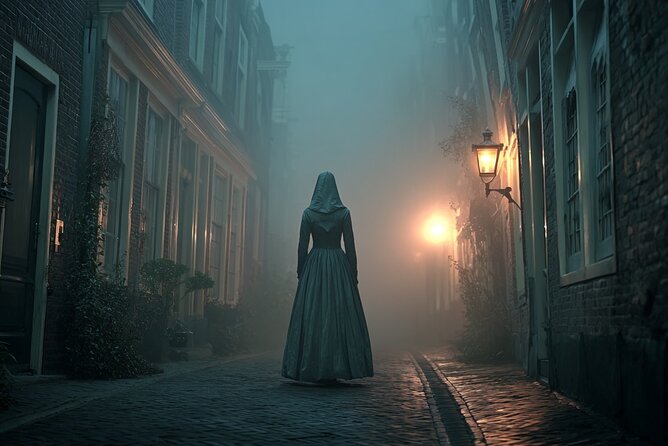
- Luuk’s evidence-first approach ties each eerie tale to historical records, not just vibes
- Small group (max 12) keeps the pace conversational and questions welcome
- A route through key districts connects Waterloo Square, Nieuwmarkt, Zeedijk, and Warmoesstraat in 90 minutes
- Central Station-area finale lands near big sights like Rembrandt-era artwork references
- More curiosity than scares makes it ideal if you like stories that hold up under scrutiny
Getting Started at Blauwbrug and Ending Near Central Station
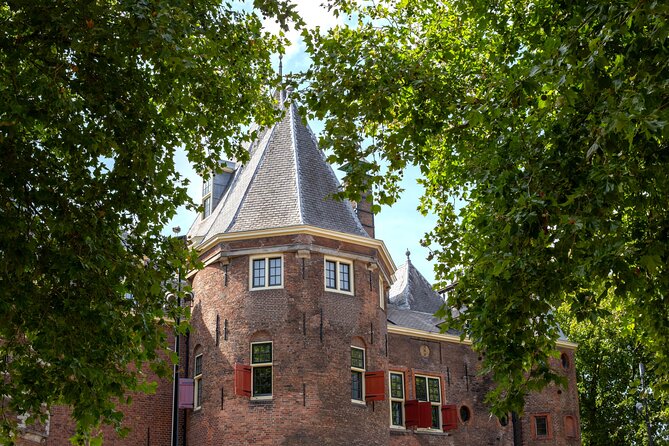
You meet at Blauwbrug (1011 PT), which is a handy starting point if you’re already figuring out Amsterdam by foot and tram. The tour runs about 1 hour 30 minutes, so you get a full story arc without sacrificing the rest of the evening. You’ll finish at Prins Hendrikkade 38K, a short walk from Central Station, which is great because you can keep going right away.
It’s offered in English, with a mobile ticket, so you can keep things simple. Since it’s a walking tour with a moderate fitness level, wear shoes you trust on uneven sidewalks and cobbles. You’ll also want to check the weather before you go: it’s described as requiring good weather.
You can also read our reviews of more tours and experiences in Amsterdam.



Waterloo Square: The First Legends and the 1833 Crowds
The tour opens with eerie tales around Waterloo Square, where Amsterdam’s stories start sounding like rumors you could almost overhear today. This first stretch matters because it sets the style of the whole walk: you’re not just collecting ghost names, you’re learning how people explain what they think they saw.
Then the guide takes you to the startling event from 1833, when crowds gathered for days to witness ghost appearances. The key point here is not only what the crowd believed, but what the guide frames as possible causes: trickery, rumor, or mass imagination. You’ll come away thinking about how fast a story can spread—and how a city’s mood can turn coincidence into certainty.
If you’re the type who enjoys history as an argument, this part is fun. You’ll see how legends can grow from public spectacle, not just from supernatural fear.
Nieuwmarkt Witchcraft and Why Blood Street Has Its Name
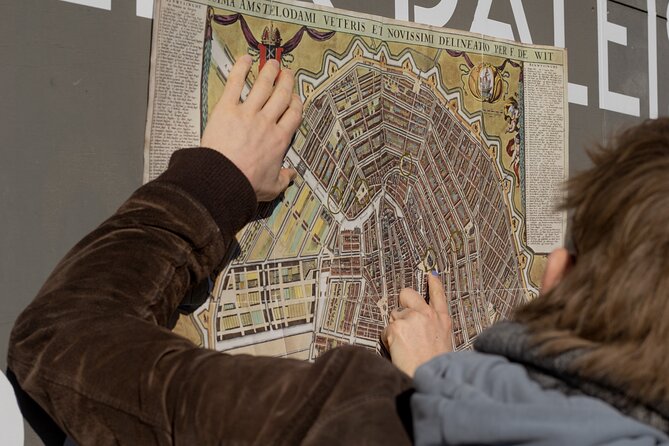
At Nieuwmarkt, the stories shift into darker, more grounded territory. You’ll hear about a woman accused of witchcraft in 1624, and the conversation around that accusation helps explain how fear and belief worked in everyday Amsterdam.
Next comes Blood Street, and you don’t just get the spooky label. You get context for what the name reveals about the city’s past. Names are useful like that. They’re time capsules—small clues that survive long after the original events are gone.
This stop is a strong choice if you like your urban legends tied to real social history. It’s also a good moment to look around at the street layout and imagine where public attention would have concentrated. A lot of Amsterdam’s legend-making depended on crowds, proximity, and the spread of word-of-mouth.
Spinhuis and Trippenhuis: Old Institutions on One of the City’s Older Streets
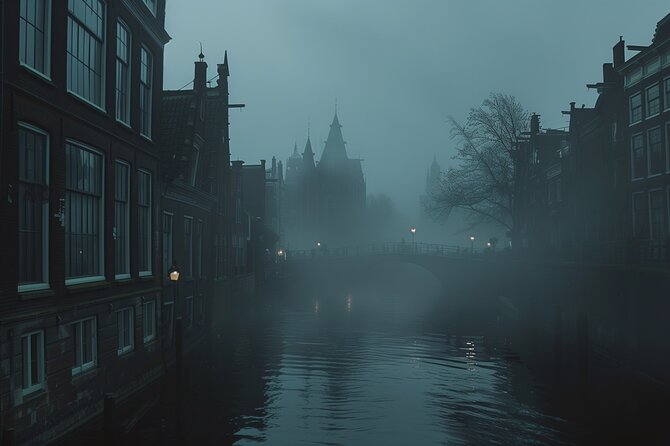
After Nieuwmarkt, you step into one of Amsterdam’s oldest streets, where the buildings themselves help explain why stories stuck. The tour highlights landmark sites including the Spinhuis and the Trippenhuis, turning architecture into part of the narrative.
Why this matters for you: when you’re walking, it’s easy to treat buildings like scenery. Here, they become evidence. The guide’s style emphasizes historical documents and original sources, which means you’ll likely connect what you’re seeing to what the city needed from that place—work, control, status, or public function.
This is the “slow down and look” section of the tour. You may notice details you’d otherwise miss, like how these older structures anchor the street and shape sightlines. If you like architecture but don’t want a full museum day, this section is a satisfying middle ground.
Zeedijk Tales: Ghost Alley, In ’t Aepjen, and the Weeping Tower
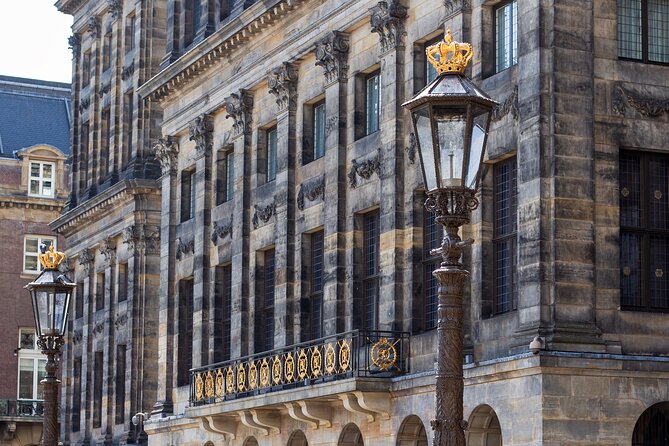
Walking along Zeedijk, you’ll get three connected stories that feel like different flavors of the same Amsterdam imagination. First is Ghost Alley, which signals the classic blend of mystery and place-based storytelling.
Then you’ll hear about the sailor’s café In ’t Aepjen. That detail matters because it pulls the legend style away from pure haunting and toward lived history—how ports, sailors, and long nights contribute to local mythology. Even if you don’t believe in ghosts, you can believe in atmosphere.
Finally comes the Weeping Tower, another story tied to a specific spot. The guide’s approach keeps it from turning into one more generic supernatural tale. Instead, you get a sense of how people interpreted strange or tragic events through the language they had at the time.
This stop is ideal if you want a tour that feels like walking through a storybook, but with the pages annotated.





Near Central Station: Historic Hotel Grandeur and a Rembrandt Mystery
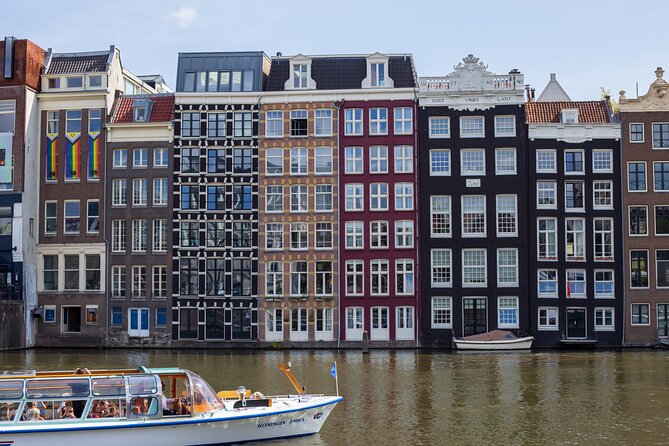
Near Central Station, the tour shifts into a slightly different gear: odd grandeur and art-world mystery. You’ll see a historic hotel with a strange sense of presence, then move into a Rembrandt-related moment—an image of a mysterious woman shown on the gallows fields, with her identity rumored as unresolved for centuries.
This is a standout segment because it connects Amsterdam’s legend culture to broader European art and public memory. If you’ve ever wondered why certain names disappear while certain stories keep breathing, this stop answers that in a practical way: images outlast documents, and public curiosity keeps the question alive.
For you, it’s also a handy way to interpret the Central Station area. It can feel like you’re just passing through. This tour makes it feel like you’re arriving at a historical crossroads.
Warmoesstraat: Markets, Shady Deals, and the City’s Scandal Side
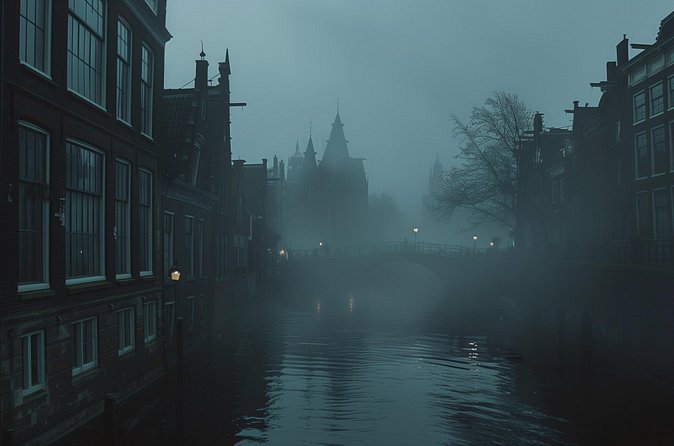
The tour ends with Warmoesstraat, a street where centuries of daily life and rough commerce left their mark. Here you’ll hear about how it swung from bustling markets to shady deals—an honest reminder that Amsterdam’s past wasn’t only paintings and canals.
This final stretch is useful because it balances the heavier ghost and witchcraft themes. You finish with human stories: work, bargaining, risk, and the kind of behavior that thrives where many people pass through and many opportunities exist.
If you like tours that end on a realistic note—people doing people things—Warmoesstraat does the job. It leaves you with questions to carry into your own wanderings after the tour wraps.
Price, Timing, and Group Size: Why It Feels Like Good Value
At $24.04 per person for about 90 minutes, you’re paying for more than entertainment. You’re paying for a guided walk that keeps the legends tethered to historical evidence and original sources, plus a small-group format (up to 12 people).
That small group limit is a big part of the value. It supports the guide’s style—more back-and-forth, less rushing, fewer people competing for attention. You also get a route that places you in the right neighborhoods for a longer evening: you start near the early-city legend zones and finish close to Central Station, which helps you keep momentum.
Timing helps too. Being around 1.5 hours means you can slot it into your first night or a mid-trip evening without feeling like you lost your whole day. And since it’s generally booked about 31 days in advance, getting your date locked in early is smart if your schedule is tight.
Who This Tour Best Fits (and Who Might Want Something Scarier)
You’ll enjoy this tour most if you like:
- History you can walk through, not just read about
- Urban legends that come with explanations and context
- A guide who uses humor while still sticking to evidence
It’s a good match if you want the ghost-story vibe without the pressure of being scared. The tone is described as heavier on history and urban legends than spookiness, so if you’re chasing maximum horror effects, you should treat this as a mystery-and-evidence walk rather than a fright night.
It also fits families and pairs who like steady pacing and can handle a moderate amount of walking. Service animals are allowed, and it’s near public transportation, which makes it easier to blend into a broader Amsterdam plan.
Should You Book This Amsterdam Legends and Ghost Stories Tour?
Yes, if you want a smart night out in Amsterdam that blends legend with real context. This is the kind of tour that helps you understand why certain stories persist, who benefits from rumor, and how names and buildings become part of local memory.
I’d skip it only if your main goal is pure fear. The tour’s best strength is not terror. It’s interpretation. If that sounds like your kind of experience, this one is a solid value and a great way to see a lot of central Amsterdam in a short, well-guided loop.
FAQ
How long is the walking tour?
It lasts about 1 hour 30 minutes.
Where does the tour start and end?
It starts at Blauwbrug, 1011 PT Amsterdam, and ends at Prins Hendrikkade 38K, 1012 AB Amsterdam, near Central Station.
Is the tour in English?
Yes. The tour is offered in English.
What’s the group size limit?
The tour has a maximum of 12 travelers.
Do I need to be very fit to join?
The tour asks for a moderate physical fitness level.
Do I get a mobile ticket?
Yes, it’s listed as a mobile ticket.
Are service animals allowed?
Yes, service animals are allowed.
What if the weather is bad?
The experience requires good weather. If it’s canceled due to poor weather, you’ll be offered a different date or a full refund.
What’s the cancellation rule?
Cancellation is free up to 24 hours in advance for a full refund. If you cancel less than 24 hours before the start time, the amount paid isn’t refunded.