REVIEW · AMSTERDAM
Private Amsterdam WW2 walking tour
Book on Viator →Operated by Trigger Tours · Bookable on Viator
WWII in Amsterdam hits fast. This private Amsterdam WW2 walking tour strings together Jewish history from the Dutch Golden Age to the Holocaust, using city streets as your timeline.
I like that it’s truly private for your party, so the pace and questions stay personal instead of generic. I also like the stop selection: you don’t just hear about the occupation—you see how Amsterdam’s Jewish life, resistance, and deportation system connected across neighborhoods. One drawback to plan for: the Anne Frank House admission isn’t included, so your timing depends on getting that ticket separately.
In about two hours, you’ll cover major landmarks on foot, starting near Amstel 51C and ending back at the meeting point. It’s a lot of heavy subject matter packed into a short walk, so if you want a slower, longer experience, consider pairing it with a museum visit afterward.
In This Review
- Key highlights worth planning around
- A 2-hour private walk that turns “history” into a route
- Meeting at Amstel 51C: where the walk starts and how it ends
- Portuguese Synagogue: Amsterdam’s Sephardic era in context
- Auschwitz Monument: a memorial that forces the timeline into your head
- Verzetsmuseum Amsterdam and Jewish resistance: “after” starts before the war ends
- Hollandsche Schouwburg: deportation camps explained in street-level terms
- De Plantage and Spinoza Monument: why this neighborhood matters
- Dam Square and the Royal Palace: ending with Amsterdam’s public heart
- Anne Frank House: part of the story, but your ticket is on you
- Price and value: what you’re really paying for
- Choosing your guide: tone matters on a heavy subject
- Who this tour suits best
- Should you book the Private Amsterdam WW2 walking tour?
- FAQ
- Is this tour private?
- How long is the Amsterdam WW2 walking tour?
- What language is the tour offered in?
- Where does the tour start?
- Does the tour include Anne Frank House tickets?
- Are the other stops free to enter?
- Are service animals allowed?
- Is free cancellation available?
- Is food included?
Key highlights worth planning around
- Private for your group only: no mixing with strangers, and your guide can tailor the pace.
- Jewish life to deportation system in one route: synagogues, resistance sites, deportation points, and memorials.
- Many key stops are free to enter: including the Portuguese Synagogue and multiple WWII-related monuments.
- Anne Frank House is the one ticket gap: the stop is part of the walk, but admission isn’t included.
- Service animals are welcome and it’s near public transportation, which helps if you’re moving between stops.
- Multiple guides with strong communication styles: names like James, Masha, Stan, and Aaron come up in past experiences.
A 2-hour private walk that turns “history” into a route
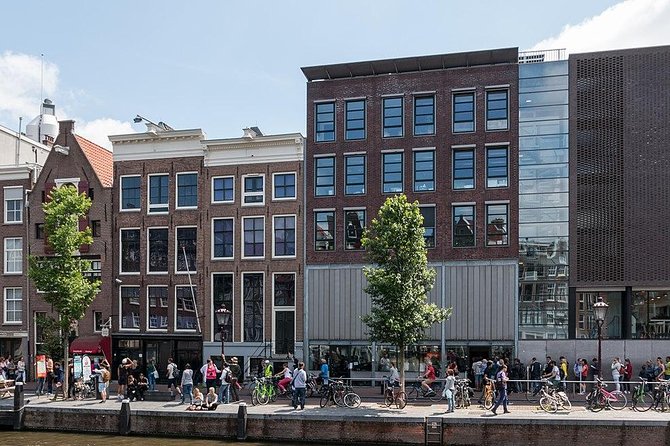
This tour is built for people who want Amsterdam to make sense. You’re not just collecting sights—you’re following a story across the city, with the walk itself as the structure. In a short window, your guide connects the dots between Jewish community life, Nazi occupation policies, and the aftermath.
The private format matters more than you’d think. With a small group, it’s easier to ask follow-up questions when something clicks—or when a detail feels confusing. And because you’re not boxed into a fast group rhythm, you can pause at the right moments to absorb what you’re seeing.
Keep in mind: this is WWII and Holocaust-focused. You should go in with realistic expectations. It’s not the kind of walking tour where you only pop in for photos. You’ll want a calm mindset, and it helps to bring water and wear shoes you don’t mind breaking in.
You can also read our reviews of more tours and experiences in Amsterdam.


Meeting at Amstel 51C: where the walk starts and how it ends
The meeting point is Amstel 51C, 1018 EJ Amsterdam. That’s a practical starting spot because it keeps you close to major streets and makes transit easier if you’re coming from elsewhere in the city.
The tour ends back at the meeting point. That’s a comfort factor: you don’t have to figure out how to get home from a far-off corner after a heavy, mentally demanding walk. It also means your guide can pace the route without having to worry about where you’ll “disappear” afterward.
The tour is listed as about 2 hours, and the stop durations are short—so the overall rhythm is: brief context, quick look, then onward. If you love lingering, plan to spend extra time at one or two stops after the tour ends.
Portuguese Synagogue: Amsterdam’s Sephardic era in context
Stop one is the Portuguese Synagogue, a living synagogue that also draws visitors. The guide focuses on the Jewish community of Amsterdam, especially the Sephardic community during the Dutch Golden Age. That’s key, because it frames the story before the violence—who people were, what community life looked like, and how visible success could still exist alongside brewing danger.
Why this stop works at the start: it teaches you how extraordinary the community was in its own time. When you later see deportation sites and memorials, you’ll understand what was being destroyed, not just what was happening to victims.
Even if you’ve read about this period before, hearing it tied to the synagogue’s place in the city helps. It turns a building into a turning point: a reminder that history isn’t one long line of tragedy—it has chapters that include culture, wealth, religion, and civic life.
Auschwitz Monument: a memorial that forces the timeline into your head
Next up is the Auschwitz Monument. The guide’s focus here is on Jewish deportation—how people were removed from daily life and transported into the machinery of genocide.
This stop can feel blunt, and that’s exactly why it’s important. Memorials are easy to skim past when you’re sightseeing. With a guide, you’re more likely to connect what you’re seeing to the human reality behind it.
A practical note: since stops are short, you won’t have long to stand and read everything. Go in ready to absorb the guide’s framing, and if you want deeper reading, plan a return later with more time.
Verzetsmuseum Amsterdam and Jewish resistance: “after” starts before the war ends
After the deportation focus, the tour shifts to Verzetsmuseum Amsterdam and the resistance of the Jewish community. This part prevents the route from becoming one-note. You’ll learn that resistance wasn’t only a general WWII theme—it also had Jewish faces, strategies, and stakes in Amsterdam.
This is the kind of contrast that stays with you. Once you’ve seen deportation sites, it’s powerful to move to a place that highlights courage, organization, and refusal. It reminds you that victims were not passive in every sense, even when outcomes were tragic.
Timing is tight here. You’ll get a guided snapshot rather than a full museum experience. If you want museum-style depth, you might use the tour to decide whether you’ll return for longer exhibitions later.





Hollandsche Schouwburg: deportation camps explained in street-level terms
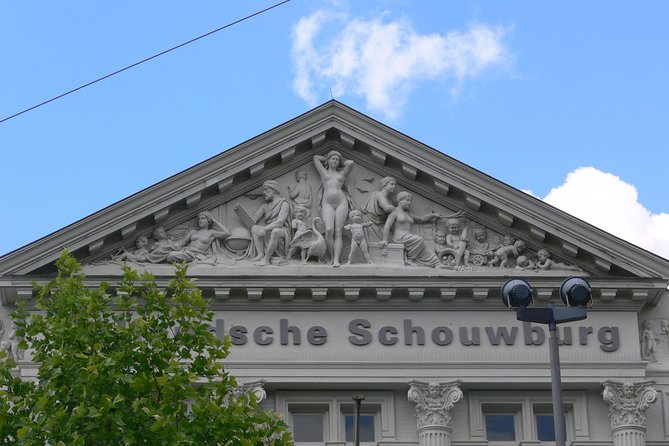
Stop four is Hollandsche Schouwburg, tied to the deportation camps. Again, you’ll likely feel the weight of this site even in brief time. The value is in how your guide links the location to what happened there: how deportation wasn’t an abstract “event,” but a process with steps and gathering points.
Why I like including this stop: it connects the story to geography. Amsterdam isn’t a blank map. Specific buildings and neighborhoods played roles in the system.
If you tend to get overwhelmed by heavy topics, pace yourself. You can always ask your guide to slow down for a moment, especially here, where emotions can run high.
De Plantage and Spinoza Monument: why this neighborhood matters
Then the walk moves into De Plantage, where you’ll get a mix of beauty and history. This stop helps you regain your balance after the most intense memorial material, while still keeping the WWII story grounded in place.
Right after that, you’ll reach the Spinoza Monument. The guide explains the Spinoza connection, which is a reminder that Amsterdam’s Jewish story includes thinkers and ideas, not only persecution. It’s another reason this tour can feel more complete than a simple memorial walk—it shows multiple layers of identity.
These stops can be easy to undervalue if you only expect WWII sites. I think that’s a mistake. They help you see that Jewish Amsterdam wasn’t just “the tragedy chapter.” It was also philosophy, community presence, and neighborhood life.
Dam Square and the Royal Palace: ending with Amsterdam’s public heart
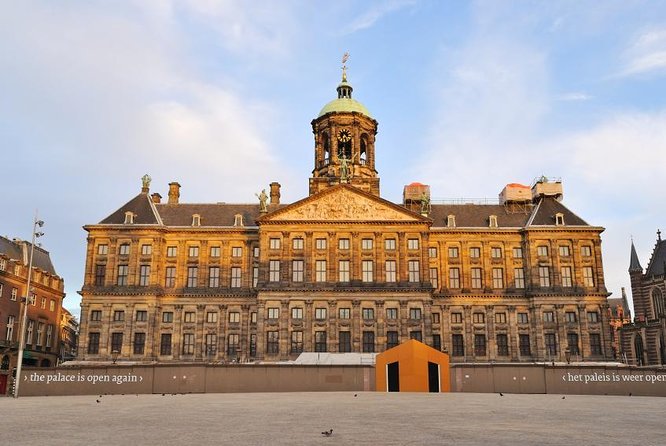
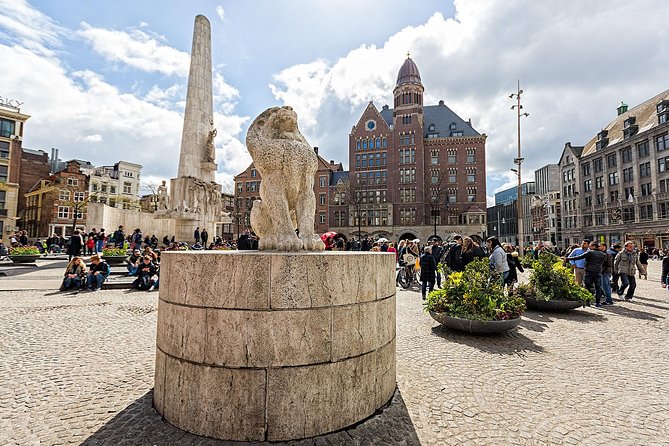
From there you walk to Dam Square and the Royal Palace Amsterdam. Dam Square is a major civic center, and the guide helps you explore the monument and the palace—moving you back into the wider Amsterdam experience.
This isn’t just a sightseeing finish. Ending at an iconic public square gives your brain a place to land after the darker stops. You get a sense of how the city looks now, what survived, and how the present overlays the past.
You only get short time here—about 10 minutes for Dam Square and 5 minutes for the palace on the listed plan. If you want more time in the palace area or for photos, treat this as a guided lead-in, not the final word.
Anne Frank House: part of the story, but your ticket is on you
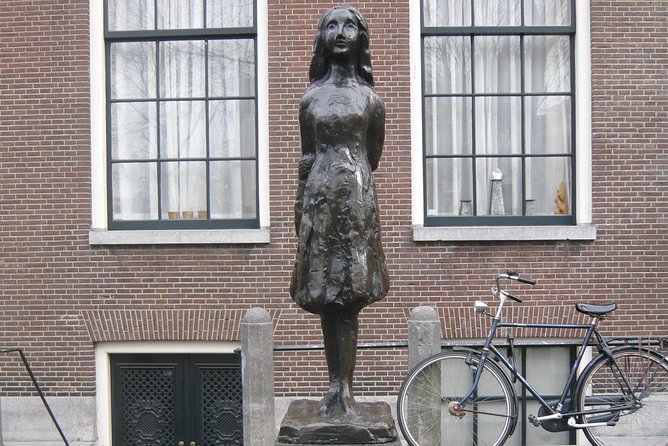
The tour includes Anne Frank House, where your guide explains more about Anne Frank’s story. This is often the stop people care about most—and it’s also the one with the biggest practical catch.
Anne Frank House admission isn’t included. So you’ll want to plan ahead for that separately if the tour schedule aligns with your ticket. Since the tour time per stop is brief, don’t assume there will be lots of buffer for waiting or late entry.
How to get the most out of this moment:
- Go in ready to listen more than scan your phone.
- If your ticket situation is tight, tell your guide at the start so the route timing can be realistic.
Price and value: what you’re really paying for
At $126.31 per person for a private two-hour walk, the value depends on your group size and what you want from the experience. If you’re splitting costs across family or a small group, private attention can feel like a bargain. If you’re solo, it’s still a fair price for a guide-driven route that covers multiple major sites with context.
What you’re buying:
- A local guide who stitches the story together so you don’t have to do your own guessing.
- Many free stops during the walk, which reduces the “cost creep” you get with museum-heavy itineraries.
- The flexibility of a private setup—especially useful in a topic like this, where questions are normal.
What you’re not buying: food and drinks. The listed items don’t include meals, so plan for a snack before or after. Also, since the route is short, you’ll want to be ready for a packed walking rhythm.
Choosing your guide: tone matters on a heavy subject
One thing I’d take seriously here: the same itinerary can feel very different depending on how your guide communicates. In the past, names like James, Masha, and Stan show up with praise for being engaging, detailed, and connected to what happened to people in Amsterdam under Nazi occupation. Other experiences have described a more uncomfortable tone with a named guide, so it’s worth paying attention to fit.
If you book and you see an option to select a guide or preferences, use it. And if you’re the kind of person who gets frustrated by sarcasm or dismissive attitudes, ask your questions early in the tour. A good guide adjusts when they know you care about how the story is told.
Who this tour suits best
This is a strong match if you:
- Want a focused WWII route that stays on the Jewish story in Amsterdam.
- Prefer a guide who connects locations and chronology, rather than reading signs alone.
- Like walking city neighborhoods enough to learn how geography shapes history.
It may not be ideal if you want:
- A long museum day or deep exhibit time at each site.
- A lighter, more casual history walk. This route deals with deportation and resistance, so it’s emotionally serious even when the pacing is brisk.
If you’re traveling with teens or older kids, it can work well because it gives you a structured narrative. Just keep an eye on energy levels—short stops are easier to handle than one long uninterrupted session.
Should you book the Private Amsterdam WW2 walking tour?
I’d book this if you want a private, guide-led way to understand Amsterdam’s WWII story without wasting time guessing what matters. The mix is well thought out: Jewish community life at the Portuguese Synagogue, deportation memorials and gathering points, resistance context, and then a city-center wrap-up at Dam Square and the Royal Palace.
Book it with one clear plan: handle Anne Frank House ticketing separately so you’re not stressed at the end of the walk. If you do that, you’ll get a clear, human route through Amsterdam’s past—and a better sense of why this city still feels layered today.
FAQ
Is this tour private?
Yes. It’s a private tour/activity, and only your group participates.
How long is the Amsterdam WW2 walking tour?
It’s listed as approximately 2 hours.
What language is the tour offered in?
The tour is offered in English.
Where does the tour start?
The meeting point is Amstel 51C, 1018 EJ Amsterdam, Netherlands.
Does the tour include Anne Frank House tickets?
No. The Anne Frank House stop notes that admission is not included, while several other stops list free admission.
Are the other stops free to enter?
Many stops are listed with admission ticket free, including the Portuguese Synagogue, the Auschwitz Monument, Verzetsmuseum Amsterdam, Hollandsche Schouwburg, De Plantage, Spinoza Monument, Dam Square, and the Royal Palace area.
Are service animals allowed?
Yes. Service animals are most welcome to come along.
Is free cancellation available?
Yes. You can cancel up to 24 hours in advance for a full refund.
Is food included?
No. Food and drinks are not included.
If you tell me your travel dates and how many people are in your group, I can help you sanity-check whether the private price and the Anne Frank House timing will feel smooth.