REVIEW · THE HAGUE
The Hague: Prison Gate Museum
Book on GetYourGuide →Operated by Rijksmuseum de Gevangenpoort · Bookable on GetYourGuide
The Hague has a prison you can visit. In the Prison Gate Museum (Rijksmuseum de Gevangenpoort), a medieval gateway over the Hofvijver later became a court and prison, so the building itself feels like a live piece of Dutch history.
I like how the museum makes the story concrete with centuries-old prison cells and the everyday mechanics of confinement. I also appreciate the way it connects specific Dutch turning points—like the murder of the De Witt brothers—to places you can actually walk through. One thing to consider: this is not a guided tour with a person talking you through it, so you’ll get the most out of it if you enjoy reading exhibits and taking your time.
In This Review
- Key highlights you won’t want to miss
- The Prison Gate Museum’s setting: a medieval facade with serious weight
- What you’ll see inside: cells, courts, and the logic of punishment
- The De Witt brothers connection you can’t ignore
- Torture and punishment instruments: why the museum shows them
- A “self-guided” visit inside a building that was built for procedure
- Timing it right for a one-day stop in The Hague
- Price and value: is $18 a good deal?
- Included extras: wardrobe and WiFi help you stay comfortable
- Who should book this museum (and who should think twice)
- Should you book Prison Gate Museum?
- FAQ
- How much does the Prison Gate Museum cost?
- How long should I plan for this visit?
- Where is the Prison Gate Museum located?
- Is this a guided tour?
- What’s included with the ticket?
- What isn’t included?
- Can I cancel for a refund?
- Can I reserve without paying right away?
Key highlights you won’t want to miss
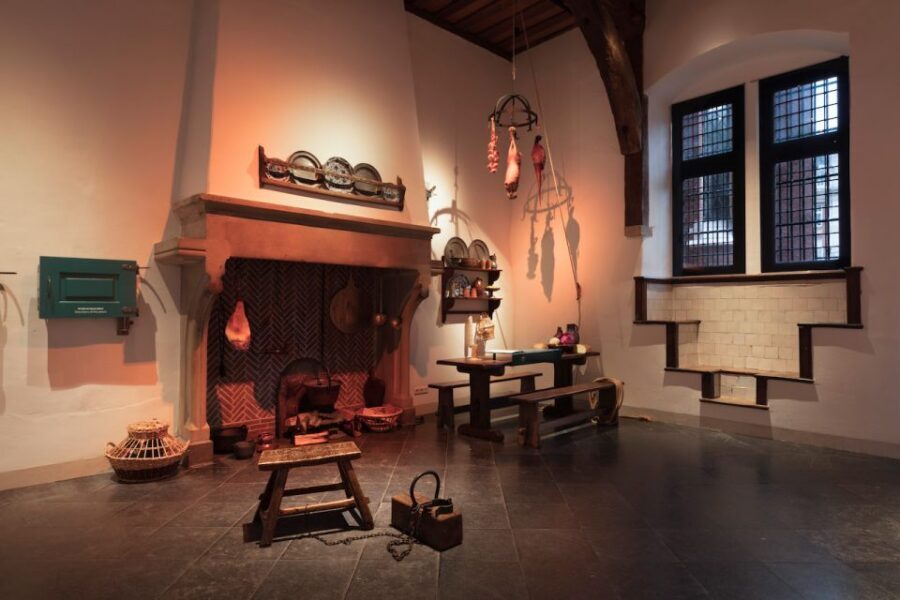
- A 13th-century gateway to the Binnenhof that became a prison and courthouse
- Historic detentions of Johan and Cornelis de Witt connected to Dutch political violence
- Prison cells and trial spaces that help you picture how justice worked then
- A national collection of torture and punishment instruments, shown as part of the justice system
- Clear story setup that turns a gloomy topic into an organized timeline
The Prison Gate Museum’s setting: a medieval facade with serious weight
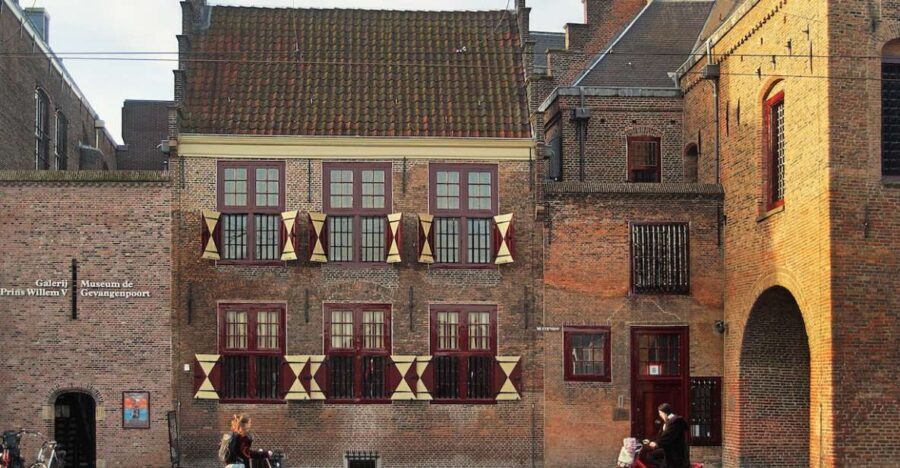
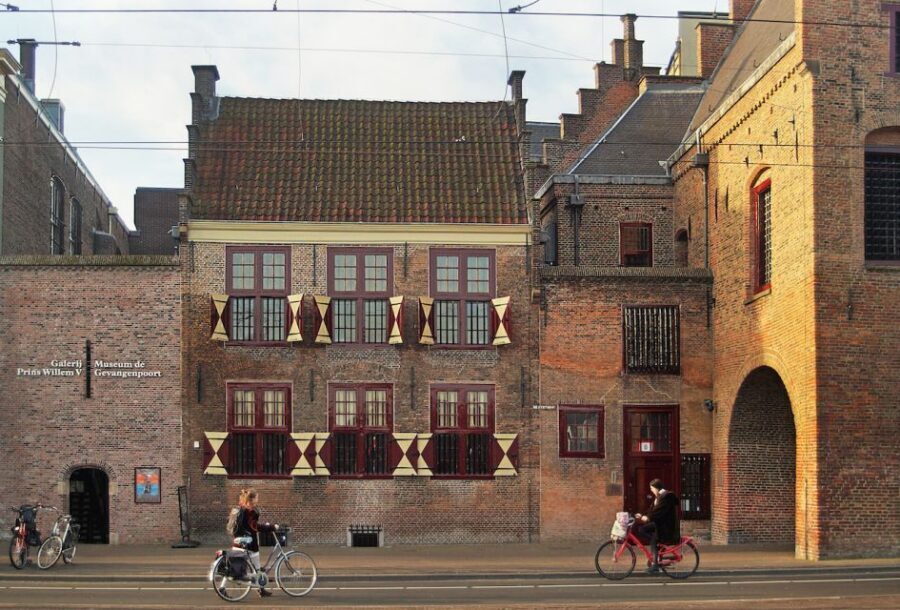
Rijksmuseum de Gevangenpoort sits in a very “postcard” part of The Hague, right by the Hofvijver. That matters, because the museum is housed in a building that once shaped the flow into the Binnenhof—the political center of the Netherlands. So you’re not just viewing a prison. You’re seeing how state power physically occupied the city.
The building traces back to the 13th century, when it served as an imposing gateway to the Binnenhof. Then, over the centuries, the purpose shifted. It became a prison and courthouse for the Hof van Holland, which handled suspected criminals, people awaiting trial, and also defaulters (people who couldn’t pay what they owed). It’s the rare museum where you can feel the change in function from one era to the next—literally stone by stone.
If you’re the type who likes your history grounded in real spaces, you’ll probably enjoy this. And if you’re traveling with someone who prefers less heavy subjects, give them a quick warning: this place deals with crime, punishment, and torture instruments, so it’s not light entertainment.
You can also read our reviews of more museum experiences in The Hague


What you’ll see inside: cells, courts, and the logic of punishment
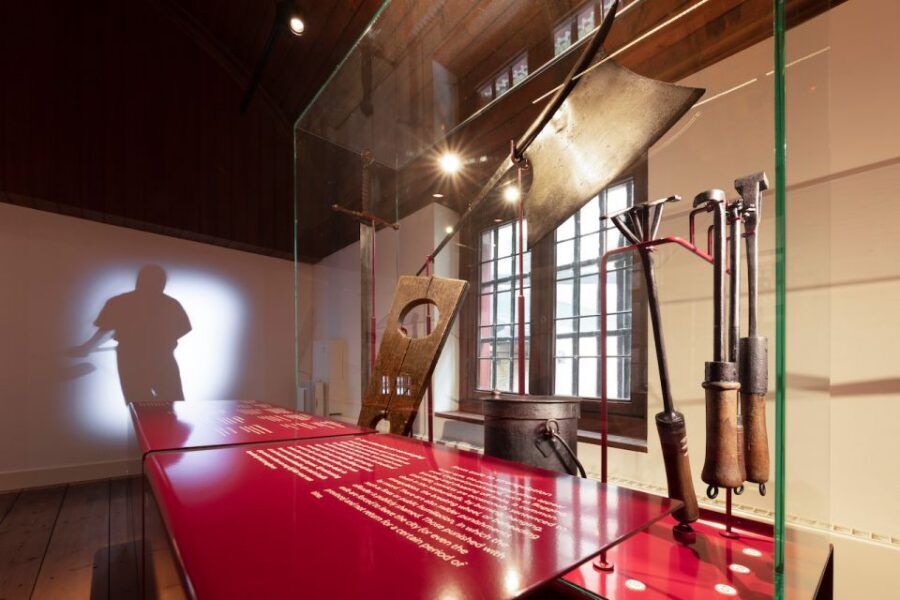
Once you’re inside, the museum experience is built around the core questions people always ask about old justice systems. Where were prisoners held? Who had better conditions? Who heard verdicts, and where did the process happen?
You’ll move through the prison areas in a way that helps you compare spaces. The museum setup nudges you to notice whether there were differences between poor and rich prisoners. Even if you don’t know the details yet, the building and the exhibit design guide you toward that contrast—because old court systems weren’t just legal. They were social.
There’s also a strong “trial-and-verdict” angle. The museum explains how suspected criminals waited for trial and how the courthouse role of the building fit into the prison role. You’re not just staring at cells and moving on. You’re meant to connect these rooms to the sequence of accusation, waiting, judgment, and punishment.
The De Witt brothers connection you can’t ignore
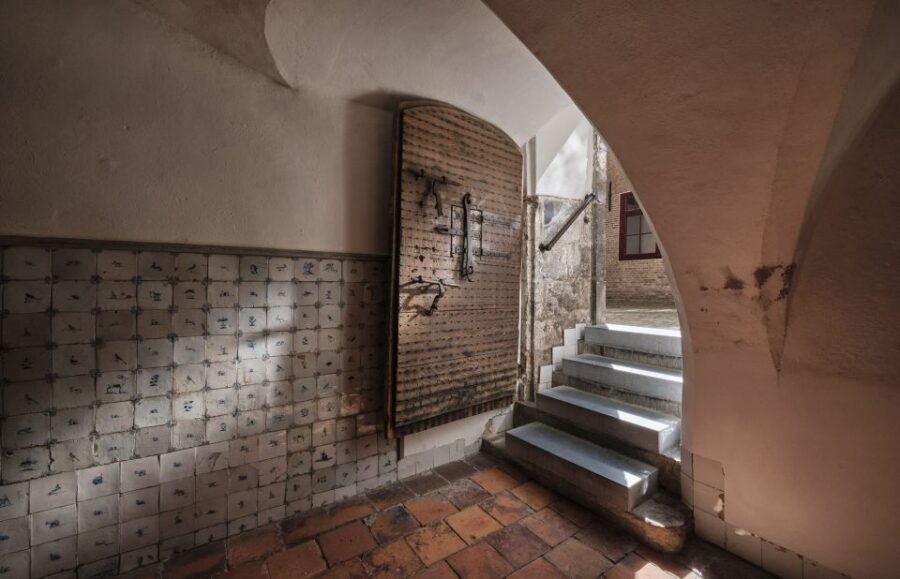
One of the museum’s biggest story anchors is the murder of the De Witt brothers, tied directly to this site. The De Witt brothers—Johan de Witt and Cornelis de Witt—appear in the museum narrative as major Dutch figures who were imprisoned here.
That doesn’t mean the museum becomes a dramatic reenactment. What it does is tie national history to a specific physical location. In practice, that gives you a much stronger sense of stakes. Instead of thinking about famous names as distant textbook material, you’re looking at a building that held them—at least in the historical timeline the museum presents.
I also like this angle because it makes you slow down. You’re in a prison setting, and suddenly you’re confronted with political violence and how quickly power can turn. It’s a reminder that “history” often means very real consequences happening in very specific rooms.
Torture and punishment instruments: why the museum shows them
The museum includes instruments used for torture and punishment, presented as a national collection. That’s a big deal, because it signals what the museum is trying to do: show how punishment wasn’t only about imprisonment. It could include devices and methods meant to control, extract information, or enforce fear.
Here’s the practical takeaway: don’t treat the instruments like props. Even if the museum presentation is organized and educational, the topic is inherently disturbing. If you’re sensitive to that kind of content, plan your pacing. Spend more time with the cells and the courtroom story, and give yourself breaks in quieter areas if you need them.
At the same time, I respect that the museum doesn’t skip the hard parts. It helps you understand the justice system as it actually operated, not the softened version people sometimes tell themselves. Knowing this context makes the prison experience feel more logical—terrible, yes, but logical in the sense of how punishment functioned as a tool of rule.
A “self-guided” visit inside a building that was built for procedure
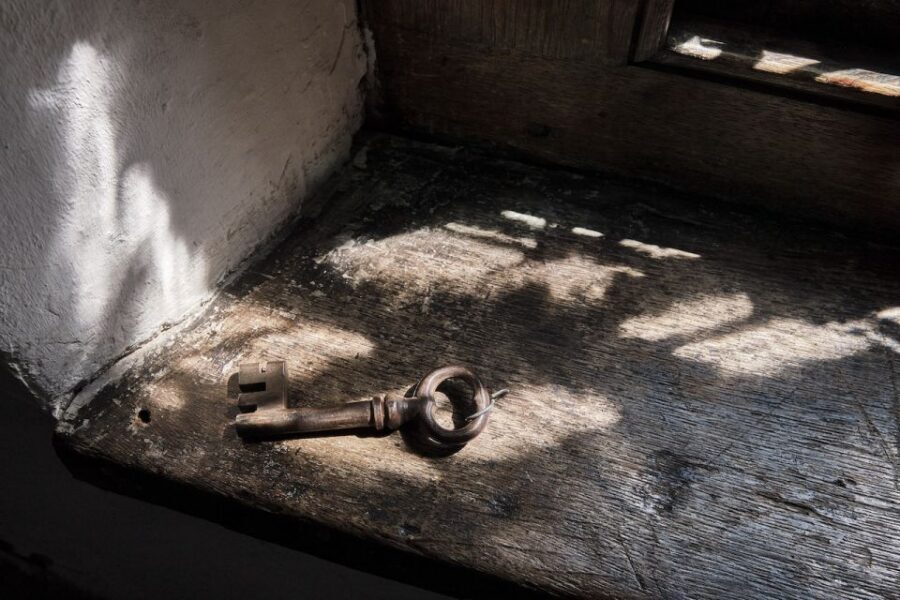
One tricky point for planning: this experience is without a guide. That can change how you approach it.
In some museums, a guide fills in gaps with personality and quick explanations. Here, you’re responsible for getting the most out of the story. The good news is the museum is designed to tell an organized narrative through the spaces and exhibits. The included WiFi can also be useful while you’re there—helpful for quick context while you’re standing in the rooms.
My advice: set yourself up to read. Don’t rush. Give yourself time at each key room—especially the cells and the trial-related areas—so you can connect the exhibit labels to what you’re physically seeing. If you want the experience to feel less like a checklist, take one question at a time:
- Where were prisoners held?
- How did the building function as a court?
- What kinds of punishment were used?
- How did major Dutch events tie into this site?
You’ll leave with a clearer picture than if you just walk through on autopilot.






Timing it right for a one-day stop in The Hague
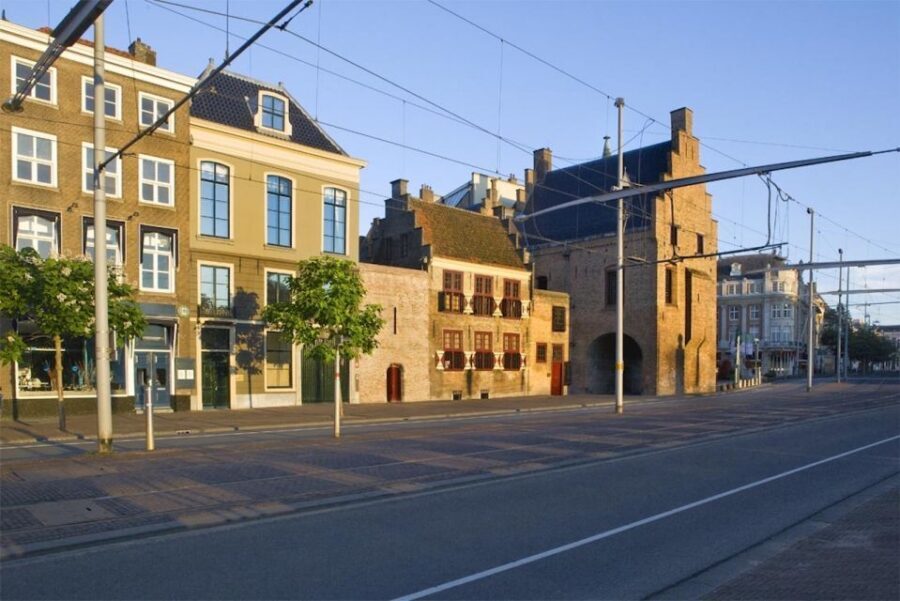
This museum is listed for a 1-day duration. In real life, that doesn’t mean you must spend all day inside. It’s more about flexibility: you can fit it into your broader day in The Hague.
I’d plan for roughly a half-day to full-day window, depending on how much you like reading and lingering in the cells. If you’re the “I want the whole story” type, set aside extra time. If you’re more of a highlights-only person, you can still do it in a shorter visit, but you’ll miss details—especially around the Dutch history thread and the punishment instruments section.
Also, because the museum is in a central area by the Hofvijver, it pairs well with other Binnenhof-area sightseeing. The building sits in a story-heavy part of town—so you can connect what you see here to the broader political landscape of the Netherlands.
Price and value: is $18 a good deal?
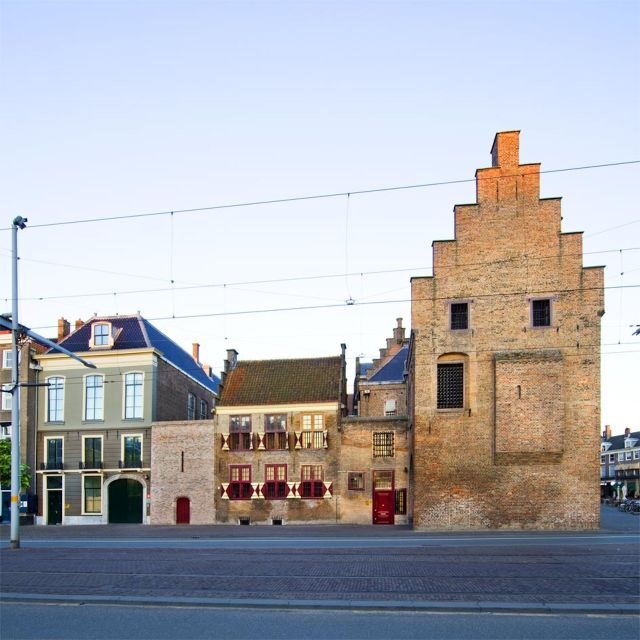
At $18 per person, the price is reasonable for a museum housed in a historic building with a clear narrative and specialized content—especially the focus on prison life and punishment instruments.
Here’s how I think about value for this one:
- You’re paying for access to a major monument tied to Dutch institutions (courthouse + prison).
- You get a structured story connecting the museum’s spaces to major Dutch figures and events.
- You’re seeing a specific collection focus (torture and punishment instruments) that you won’t find just anywhere.
If you mostly like broad art museums or prefer light entertainment, you may feel the subject matter isn’t your thing. But if you’re even mildly curious about how justice systems worked historically—or how politics and violence have always had a physical footprint—this price feels fair.
And since entry includes WiFi and a wardrobe, you’re not paying extra for basic comfort. Not having food and drinks included simply means you should plan a snack stop elsewhere.
Included extras: wardrobe and WiFi help you stay comfortable
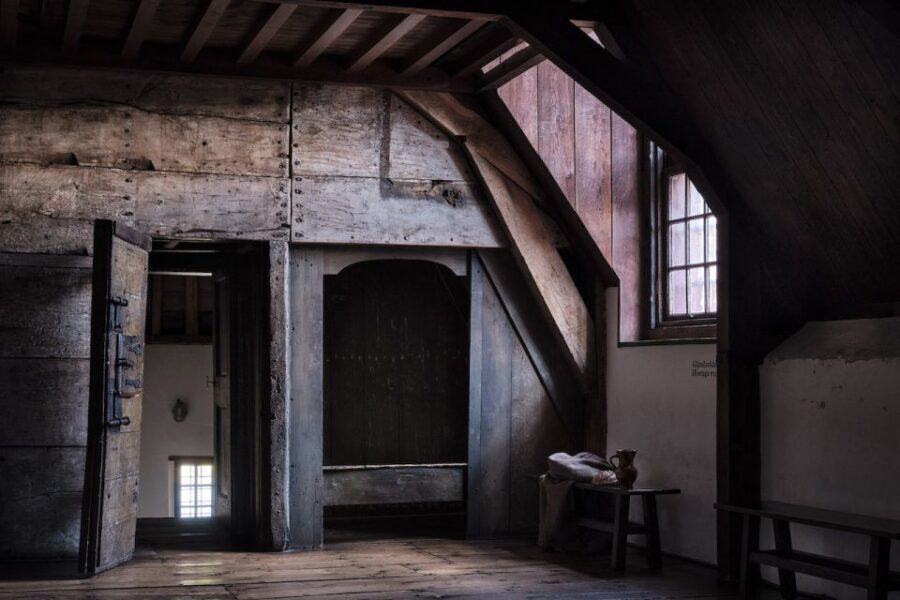
This ticket includes:
- Entry ticket
- WiFi
- Wardrobe
The wardrobe part is small, but in a country where you might carry a jacket all day (and where weather can shift fast), being able to stash bags comfortably helps you focus. The WiFi is mainly useful for quick reference while you’re at the exhibits. It’s not a substitute for reading, but it can make the experience smoother.
Also note what’s not included:
- Food and drinks
- Guided tour
So treat the museum like a concentrated stop. Plan your meal nearby, then come back with clear headspace. You’ll enjoy the story more.
Who should book this museum (and who should think twice)
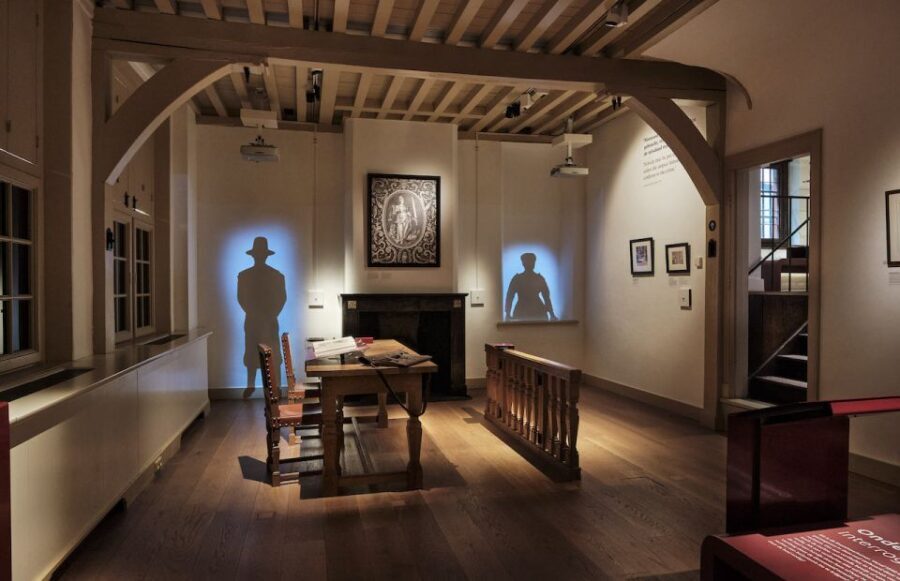
This museum is a strong fit if you:
- Like history that ties names to places
- Want to understand how courts and prisons worked in the past
- Appreciate buildings with layered roles (gateway → court → prison)
- Are okay with uncomfortable topics presented in an educational way
It may be less ideal if you:
- Don’t like heavy themes like torture and punishment instruments
- Expect a traditional guided talk
- Prefer museums that are mostly visual without much reading
The biggest “match” factor is whether you’re comfortable exploring this on your own. Because there isn’t a guide included, your enjoyment depends on how much you like interpreting exhibit information while you stand in the rooms.
Should you book Prison Gate Museum?
Yes—if you’re visiting The Hague and you want a memorable stop that’s truly about place. The Prison Gate Museum gives you a hands-on understanding of how the Netherlands handled crime and punishment centuries ago, and it does it from inside a building that literally evolved with the justice system.
Book it if you’ll take time to read and connect the dots between cells, trials, and the Dutch political story—especially the De Witt connection. Skip it if you want an easygoing, light museum day, or if you strongly prefer a guide to carry the narrative for you.
FAQ
How much does the Prison Gate Museum cost?
The ticket price is listed as $18 per person.
How long should I plan for this visit?
The experience is listed for a 1-day duration, and you can schedule it based on available starting times.
Where is the Prison Gate Museum located?
It’s in The Hague, South Holland, Netherlands.
Is this a guided tour?
No. This activity is without a guide.
What’s included with the ticket?
Your ticket includes entry, WiFi, and wardrobe.
What isn’t included?
Food and drinks aren’t included, and a guided tour isn’t included.
Can I cancel for a refund?
Yes. Free cancellation is available if you cancel up to 24 hours in advance for a full refund.
Can I reserve without paying right away?
Yes. The option listed is reserve now & pay later.