REVIEW · ROTTERDAM
The Netherlands: WW2 Private Day Trip
Book on GetYourGuide →Operated by Trigger Tours · Bookable on GetYourGuide
A day trip that hits hard without feeling rushed. This private WWII tour takes you through the sites tied to Rotterdam’s bombings and Arnhem’s Battle of Arnhem, with a guide who can slow down when you want details. I love the way it’s designed around real stopping points (not just talking in a car), especially John Frost Bridge and the cemetery visits. The other big plus is the personalized, flexible pace—your guide can adjust as your questions come up. One thing to weigh: it’s not suitable for people with mobility impairments, and you’ll be happier with comfortable shoes for steady walking.
You’ll start with hotel pickup and a full 10-hour private drive, which is a big deal if you want to avoid transit stress while still seeing a lot. In the Rotterdam portion, you’ll pass several landmark sites that survived the war era, then shift focus toward the Operation Market Garden story in Arnhem. If you’re hoping for a relaxed, fully hands-off “sit and watch” day, plan for more guided time on your feet and standing near memorial sites.
In This Review
- Key highlights to pay attention to
- A private WWII day you can actually manage
- Rotterdam stops: White House, City Hall, Laurens Church, Delfshaven
- Rotterdam White House and the power of a named landmark
- City Hall: institutions that symbolize continuity
- Laurens Church: seeing the wartime story through place, not just dates
- Delfshaven: the neighborhood break from the heavy stuff
- The Arnhem transition: why Operation Market Garden still matters
- John Frost Bridge: what to look for during a key stop
- Why this stop hits emotionally
- Arnhem Oosterbeek Cemetery: a memorial visit that stays with you
- The Arnhem surroundings and the battle story in plain language
- Timing and pacing: how a 10-hour day stays comfortable
- Price and value: $1,001 for up to four people
- Who this tour suits best (and who should skip it)
- A quick “should I book” reality check
- FAQ
- FAQ
- How long is the Netherlands WWII private day trip?
- What is the price for this tour?
- Do I get hotel pickup and drop-off?
- Is the tour private?
- What locations will the guide cover?
- What languages are the tour guide available in?
- Are food and drinks included?
- What should I bring for the day?
- Is the tour suitable for people with mobility impairments?
- Can I cancel for a full refund?
Key highlights to pay attention to
- Hotel pickup + private transportation keeps the day smooth from the first minute to the last.
- Rotterdam landmarks tied to the wartime story, including Rotterdam White House and Delfshaven.
- Battle of Arnhem focus with planned stops in and around the John Frost area.
- Arnhem Oosterbeek Cemetery as a powerful, moving memorial visit.
- Flexible private format—your guide can match the pace to your questions and interests.
A private WWII day you can actually manage
A lot of history tours try to do too much in too little time. This one is built around a realistic 10 hours with a dedicated guide and car, so you’re not spending your day hunting addresses or decoding public transit.
What I like is how the trip feels structured but not rigid. Your guide does the driving and explains as you go, and you can typically slow down for the stops that grab you most—especially when the story turns from buildings and dates into human consequences. The private setup is also useful if your group has mixed interest levels: someone who loves architecture can focus on Rotterdam’s landmarks, while another person can zero in on Arnhem’s battle story.
You can also read our reviews of more private tours in Rotterdam



Rotterdam stops: White House, City Hall, Laurens Church, Delfshaven
Rotterdam can feel modern fast. The surprise is how much of the war story shows up right in the middle of that modern city feel.
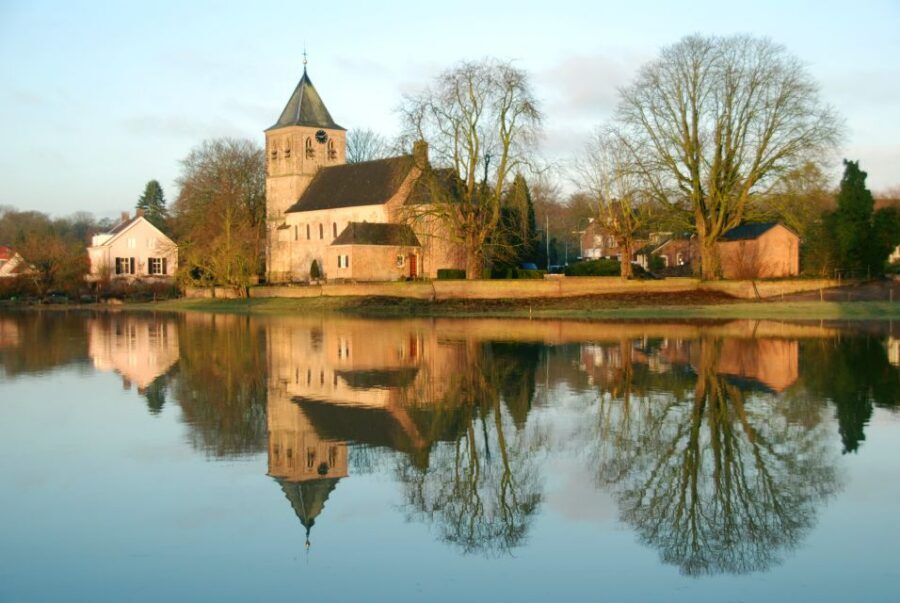
In Rotterdam, you’ll focus on key Second World War sites, including Rotterdam White House, City Hall, Laurens Church, and Delfshaven. The practical value here is that these aren’t vague “in the war” locations. They’re distinct stops that help you connect what happened with what you can still see today—monuments, buildings, and neighborhood layout that survived the bombings.
Rotterdam White House and the power of a named landmark
The White House stop matters because it gives the story a clear visual anchor. When a guide points out specific buildings that survived, you start understanding how the city’s wartime reality sits beside what you see now—streets, institutions, and public space.
This is one of those moments where a guided explanation changes the whole experience. Without context, you might just register a striking building. With context, you start noticing why certain sites stayed and what that says about the city’s endurance.
City Hall: institutions that symbolize continuity
City halls are more than official buildings; they represent how a place tries to function even during chaos. Seeing City Hall as part of a WWII-focused route helps you understand that the war wasn’t only about front lines—it also affected civic life, governance, and public identity.
Laurens Church: seeing the wartime story through place, not just dates
A church stop can sound like a “quick photo moment.” But on this kind of tour, it becomes a way to talk about survival and loss in a physical space—something you can still stand near.
If you’re the type who likes architecture or wants history you can “read” in the built environment, this is the angle that tends to work best.



Delfshaven: the neighborhood break from the heavy stuff
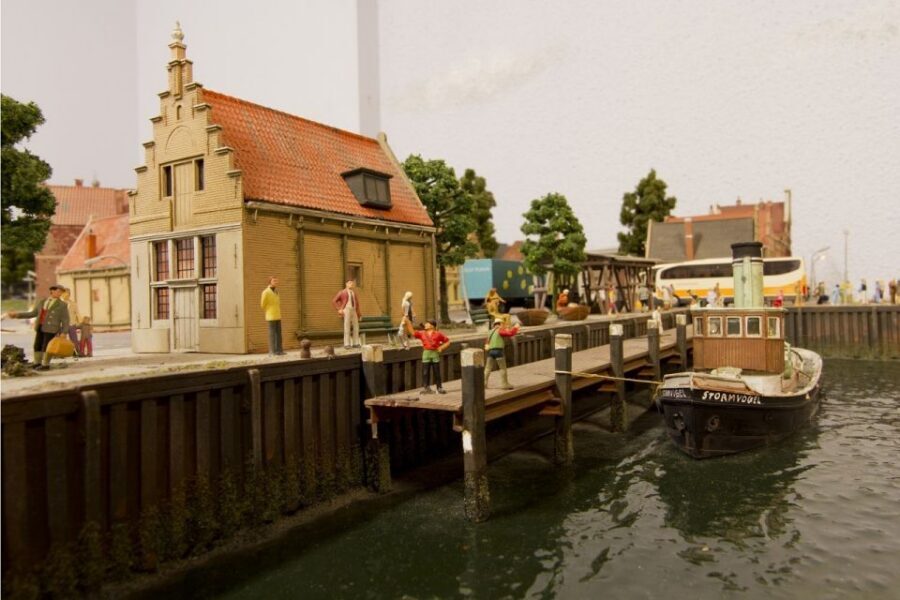
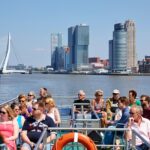
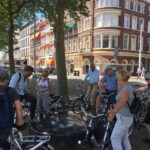
Delfshaven is different from the formal landmarks. It’s a charming historical neighborhood that keeps its 17th-century character, which gives you a contrast you’ll appreciate after the darker stops.
That contrast is not just aesthetic. It helps you picture what Rotterdam’s older urban fabric looked like, which is often hard to imagine when you’re surrounded by new construction. For many people, Delfshaven becomes the spot where the city stops feeling like a WWII textbook page and starts feeling like a living place.
The Arnhem transition: why Operation Market Garden still matters
After Rotterdam, the tour turns toward Arnhem and the Battle of Arnhem, with a focus on Operation Market Garden. This is where the day shifts from “what happened locally in Rotterdam” to “how the Allies tried to change the war’s momentum—and what went wrong.”
Your guide will explain the context and then connect it to what you’ll see on the ground. The big value is that you’re not just hearing about a battle—you’re learning how the plan collided with reality, terrain, timing, and resistance.
Also, the tour notes that historians continue to debate the reasons behind the failure. I like that approach because it keeps the conversation honest. You get a clear story of what happened, without forcing one overly tidy explanation.
John Frost Bridge: what to look for during a key stop
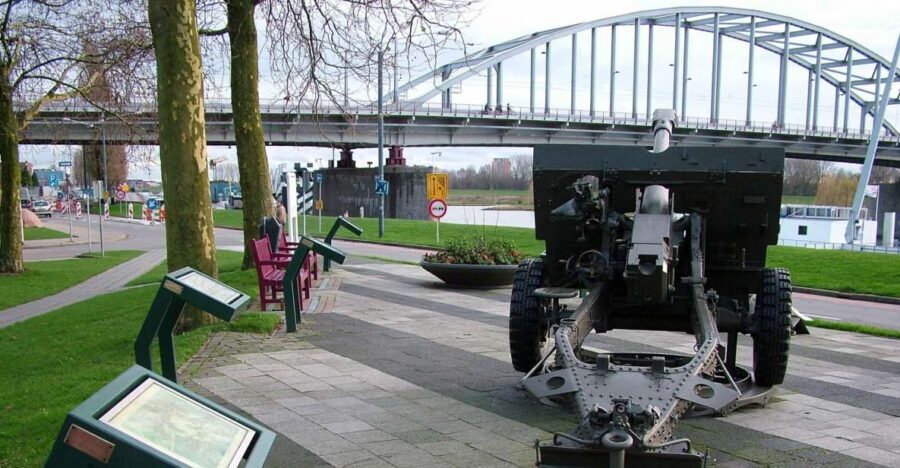
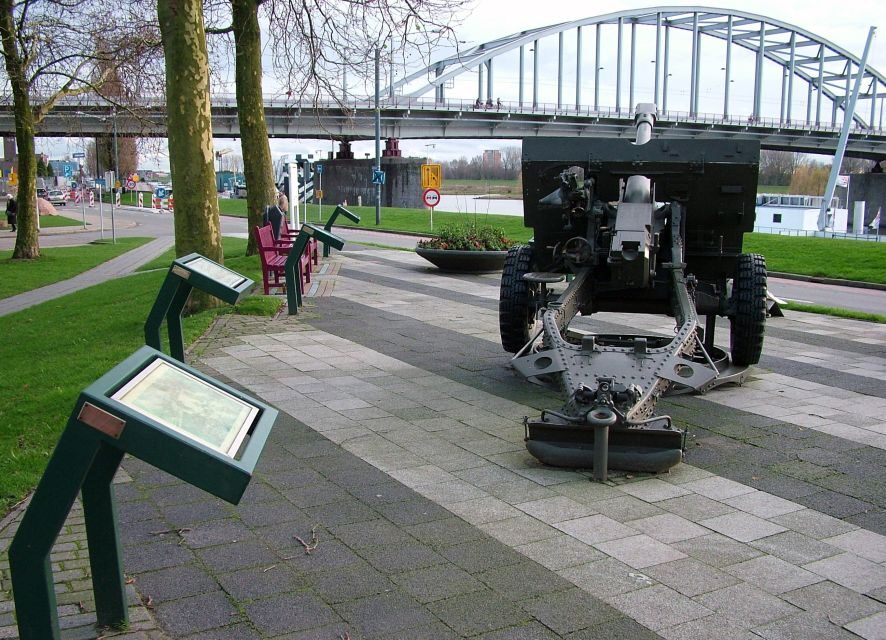
The John Frost Bridge stop is the anchor point for the Arnhem part of the day. Even if you’re not a battlefield-history person, this is one of the most recognizable sites connected to the fighting.
One reviewer highlight that I think you’ll feel firsthand is the added museum aspect at the bridge area. That small museum setup helps you switch from “standing in the right place” to “understanding what those surroundings mean.” If you like learning through objects and visuals (maps, photos, interpretive displays), it’s likely to land well.
Why this stop hits emotionally
A bridge is never just a piece of infrastructure in wartime. It’s a crossing point that controls movement, supply, and escape routes. When your guide ties the bridge to the battle story, the location stops being a landmark and becomes part of the timeline.
If you tend to get impatient with long explanations, don’t. This is one of the moments where pausing and letting the guide talk tends to pay off.
Arnhem Oosterbeek Cemetery: a memorial visit that stays with you
If you want to understand why Arnhem remains so significant, the Arnhem Oosterbeek Cemetery is the stop that most people carry with them afterward.
The cemetery is described as very moving, and I agree with the logic of why: memorials work best when they’re given space. This isn’t the kind of stop where you rush through. You’ll have time to look around and absorb what the guide explains.
It also balances the day. You get the plan and battle context around Market Garden, then you get the cost in a setting built for remembrance. That mix is important because it keeps the story from turning into pure strategy talk.
The Arnhem surroundings and the battle story in plain language
In addition to the bridge and the cemetery, you’ll visit surrounding areas connected to the Battle of Arnhem. This is where a good guide makes the difference: you don’t want random driving. You want purposeful pointing.
The way the tour frames Operation Market Garden failure is especially useful if you’ve only heard a headline version of the battle. A well-led conversation can help you understand why the situation on the ground didn’t match the optimism of the plan.
And remember: the tour notes that bravery of the soldiers is never in question. That matters. You’ll come away with an explanation of outcomes, not just a cold post-game analysis.
Timing and pacing: how a 10-hour day stays comfortable
This is a 10-hour private trip, which is long enough to cover two major cities without feeling like a whirlwind sprint. Still, it’s not a “sit all day” plan. You’ll be walking at key sites and standing for explanations, so build in your own comfort habits.
The tour also says you should bring snacks and drinks. That’s smart planning for two reasons:
- You may not have a perfect window for grabbing food during transitions.
- You’ll want energy during the memorial stops.
In Arnhem, you can also take a break to eat or drink somewhere at your own expense. I like that the break is flexible—private tours usually allow you to choose what fits your appetite and schedule better than a fixed group meal.
Price and value: $1,001 for up to four people
The price is $1,001 per group up to four people for a 10-hour private day. On paper, that can look steep if you’re traveling solo. But it often becomes reasonable when you split the cost.
Here’s the practical way to think about value:
- You’re paying for hotel pickup, private transportation, and a live English/Dutch guide for the full day.
- Food and drinks aren’t included, so you’ll still budget for snacks and any meal you choose in Arnhem.
- You get flexibility, which can be worth real money in a history context. If you want your guide to slow down at the cemetery, or you want more time around the bridge area, a private setup is designed for that.
If your group is two to four people, this type of private day trip can be a smart use of travel funds. If you’re only one person, you’ll want to compare it against cheaper group tours and then ask yourself how much time and comfort you value.
Who this tour suits best (and who should skip it)
This tour fits best if you want WWII history you can “see,” not just read. You’ll probably enjoy it most if you care about how wartime events shaped real places—Rotterdam’s landmark survival and Arnhem’s battle locations.
It’s also a strong choice if you like asking questions. Private tours work well when your group has different interests, because your guide can flex the pace.
One clear limitation: it’s not suitable for people with mobility impairments. The walking at memorial areas and the general nature of site visits means you’d need a different setup with accessibility in mind.
A quick “should I book” reality check
Book it if you want a focused, two-city WWII experience with a professional guide and the comfort of private pickup and driving. The combination of Rotterdam landmarks plus Arnhem’s John Frost Bridge and Oosterbeek Cemetery is a strong match for travelers who want history with context you can stand next to.
Don’t book it if your priority is a low-footprint day with minimal standing. Also skip if you’re on a tight schedule and need ultra-short stops. At 10 hours, it’s a real day out, and you’ll get the best results when you come with comfortable shoes and a willingness to slow down at the meaningful parts.
FAQ
FAQ
How long is the Netherlands WWII private day trip?
It lasts 10 hours.
What is the price for this tour?
It is $1,001 per group up to 4 people.
Do I get hotel pickup and drop-off?
Yes, hotel pickup and drop-off are included.
Is the tour private?
Yes, it is a private group.
What locations will the guide cover?
You’ll visit key WWII sites in Rotterdam and then go to Arnhem, including stops at the John Frost Bridge area and Arnhem Oosterbeek Cemetery.
What languages are the tour guide available in?
The live guide is available in English and Dutch.
Are food and drinks included?
No. Food and drinks are not included, so you’ll be on your own for meals and snacks.
What should I bring for the day?
Bring comfortable shoes and also snacks and drinks.
Is the tour suitable for people with mobility impairments?
No, it is not suitable for people with mobility impairments.
Can I cancel for a full refund?
Yes. You can cancel up to 24 hours in advance for a full refund.