REVIEW · UTRECHT
Utrecht: Lofen Palace with Entry Ticket & Guide
Book on GetYourGuide →Operated by Stichting Utrecht & Partners · Bookable on GetYourGuide
Utrecht’s hidden palace is literally underneath your feet. This Lofen Palace visit turns a few medieval facts into a walk-through story, mixing guided narration with an audioguide so you can follow what you’re seeing without feeling lost.
What I especially like is how the experience connects Utrecht’s role in the Holy Roman Empire to something tangible—cellars beneath the modern city. The second big win is the storytelling format: a professional guide plus an audio layer means the history sticks, and you’re not stuck reading labels the whole time.
One thing to plan for: access is not uniform. Even though the experience is listed as wheelchair accessible, Lofen Palace has limited access for some people with disabilities, so it’s smart to ask what will work for your needs before you go.
In This Review
- Key reasons this Utrecht underground tour works
- Utrecht’s lost imperial palace, found again under Lofen Palace
- Meeting at Domplein 9 and getting oriented fast
- What you’ll actually do: the guided underground route
- The Holy Roman Empire angle: why Henry V and 1122 matter
- The 1253 nine-day fire and the moment history disappears
- The museum stop and the video ending that ties it together
- Audio and live guide: how to choose your language and pace
- Price and value: is $14 worth it?
- Who this tour suits best (and who might want to rethink it)
- Quick tips to get the most from Lofen Palace
- Should you book Lofen Palace in Utrecht?
- FAQ
- FAQ
- Where do I meet for Lofen Palace?
- Is an entry ticket included?
- Do I get a live guide?
- Is there an audioguide?
- How much does it cost?
- How long is the experience?
- What’s the tour best known for?
- Is it wheelchair accessible?
- What’s the cancellation policy?
- Can I reserve without paying right away?
Key reasons this Utrecht underground tour works
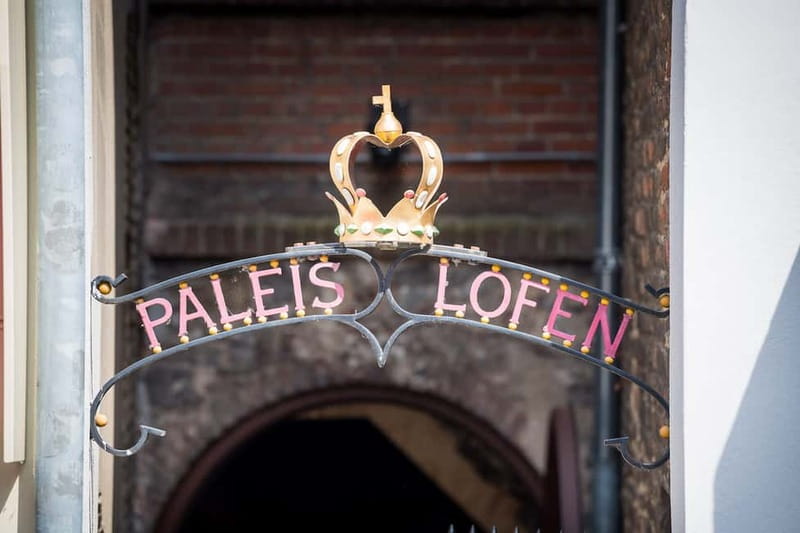
- Lofen Palace sits under the city: you’re guided through remains concealed beneath Utrecht’s streets
- Utrecht’s imperial connection becomes clear: the Holy Roman Empire context makes the place feel real
- A pro guide plus audio supports your pace: you can listen in English or Dutch and keep up
- The 1122 city-rights moment anchors the story: Emperor Henry V appears in the official context
- The 1253 city fire explains the disappearance: history shifts from power to ruins and secrecy
Utrecht’s lost imperial palace, found again under Lofen Palace
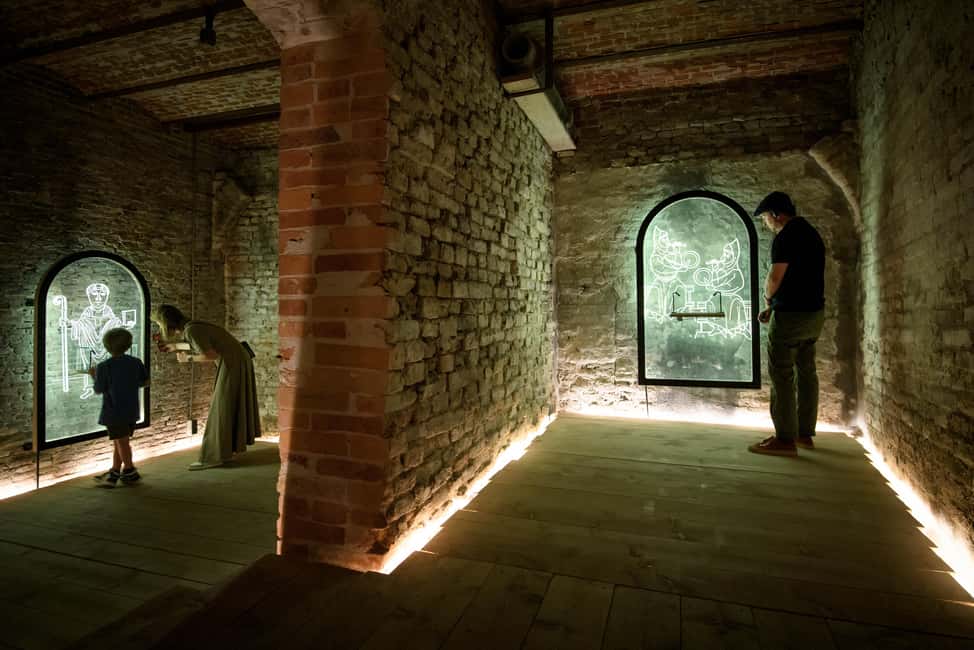
This is the kind of place that makes Utrecht feel bigger than its canal-and-dom-tower reputation. Lofen Palace is presented as a hidden imperial palace linked to medieval rulers, then lost to time, then rediscovered in the modern era. And the best part is that you don’t just hear about it—you move through the underground spaces where the remains are concealed.
The setting matters. Utrecht is already a walkable city, but here the story goes below street level. That physical switch helps your brain understand the timeline: you’re going from medieval claims of authority to the reality of destruction, forgetting, and later discovery.
For me, the value is the way it turns a complicated era—Holy Roman Empire politics—into something you can track as a single thread. You start with why the emperor traveled. You end with how a major fire erased memory, and how later generations pieced it back together.
If you like history but get annoyed by tours that are mostly dates, this one is built to be easier to follow: guide narration plus audio guidance, and a clear arc to the narrative.
You can also read our reviews of more tours and experiences in Utrecht.



Meeting at Domplein 9 and getting oriented fast
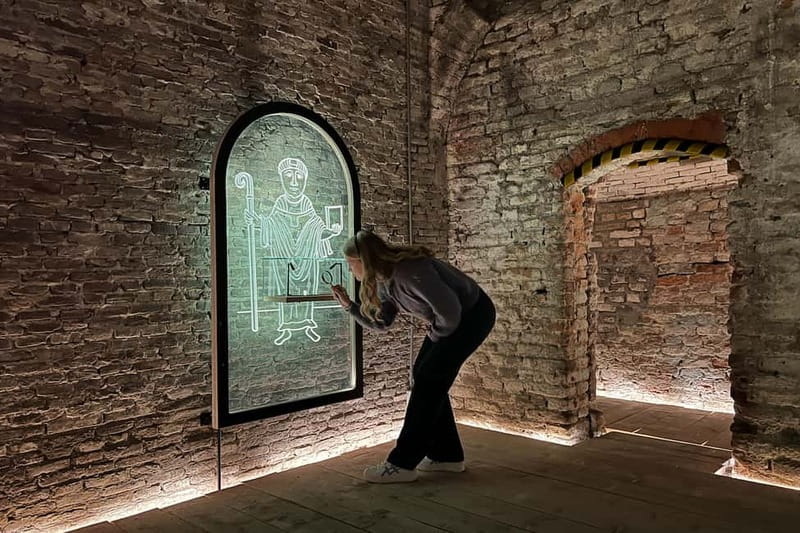
You’ll scan your ticket at the desk of the Tourist Information Centre at Domplein 9. This is helpful because it reduces the “where do we go first?” stress. Once you’ve checked in, you’re set up to start the experience with the right group and the right timing.
Your practical move: show up with enough buffer to settle your listening setup. Since the tour includes a Dutch and English audioguide, it’s worth confirming you’re ready to use your preferred language when you begin. Doing that early keeps you from pausing during the part where the story is moving.
The experience is listed as valid for a 1-day time slot, with starting times dependent on availability. That means you can plan around your Utrecht route. If you’re stacking your day with other sights, choose a slot that doesn’t force you into a rushed schedule.
What you’ll actually do: the guided underground route
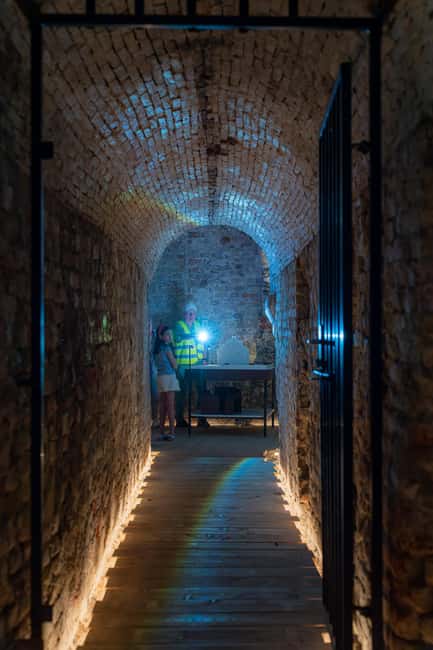
The core of the experience is a guided visit through the medieval remains associated with Lofen Palace—concealed in cellars beneath the modern city. The tour is designed like a guided story walk, not a simple museum browse. Expect to move through underground spaces with narration and audio cues that help you interpret what you’re looking at.
This is also where the experience feels most “Utrecht” to me: the city’s layers are part of the attraction. Above ground you see modern streets and buildings. Below ground, you’re stepping into the medieval footprint—arches, cellar spaces, and the idea that the palace was hidden in plain sight.
A small caution: underground spaces can feel quieter and more enclosed than you’re used to. If you tend to get claustrophobic, give yourself a mental heads-up. The tour is built for a wide range of visitors, but the environment is still underground.
The Holy Roman Empire angle: why Henry V and 1122 matter
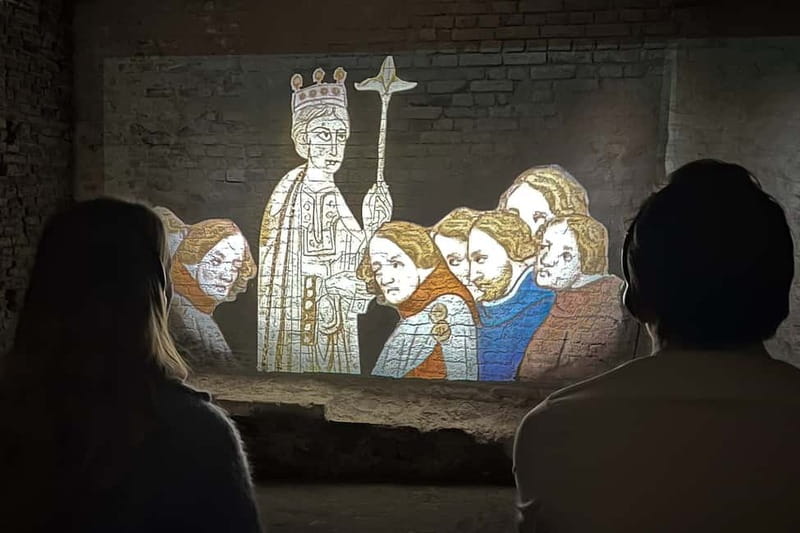
The story doesn’t start with rubble. It starts with power and movement.
In the Middle Ages, Utrecht is framed as part of the Holy Roman Empire—a massive political structure across much of Europe. Because emperors ruled by traveling, they needed places to stay and administer. In Utrecht, one of those palaces is named Lofen.
A key moment in the narrative is 2 June 1122, when Emperor Henry V granted Utrecht city rights. The tour ties this to an official-sounding charter wording: Data in palacio imperatoris in Traiecto, quod vulgor Lofen dicitur—issued in the imperial palace in Utrecht, popularly called Lofen. That isn’t just trivia. It’s the kind of detail that gives you a concrete anchor for why people argued about city rights, not just who happened to be famous.
I like this part because it makes the rest of the tour make sense. When you understand Utrecht’s imperial importance, later destruction stops being random tragedy. It becomes an event that changes an entire timeline.
And it also gives you a better Utrecht lens for the rest of your trip. After you’ve been shown how Utrecht fit into empire politics, you’ll notice how the city’s identity evolved rather than feeling like it just “ended up” where it is today.
The 1253 nine-day fire and the moment history disappears
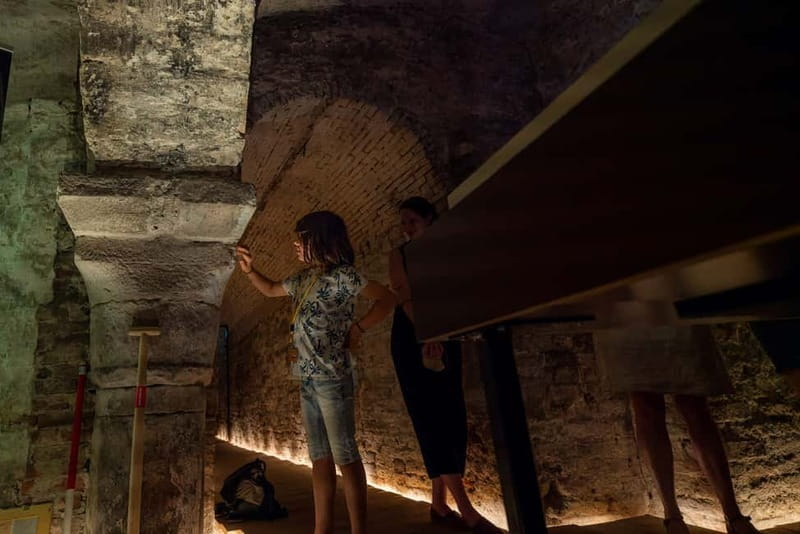
Then the story hits its turning point: Lofen Palace was probably destroyed during a major nine-day city fire in 1253. This matters because it explains why the palace’s memory was lost for centuries.
From a travel perspective, this is one of the most compelling ideas in the experience: something can be central to power, then vanish so completely that the city forgets it—until later evidence reappears.
After the fire, the location is said to become the property of the chapter of the Dom Church. That shift tells you something about what happened when imperial power moved on. The focus of the site changes, and the meaning of the place changes too.
So when you walk through underground remains during your visit, you’re not only looking at old walls. You’re watching the story of absence: what survived, what didn’t, and how later generations had to rediscover what was hidden and forgotten.






The museum stop and the video ending that ties it together
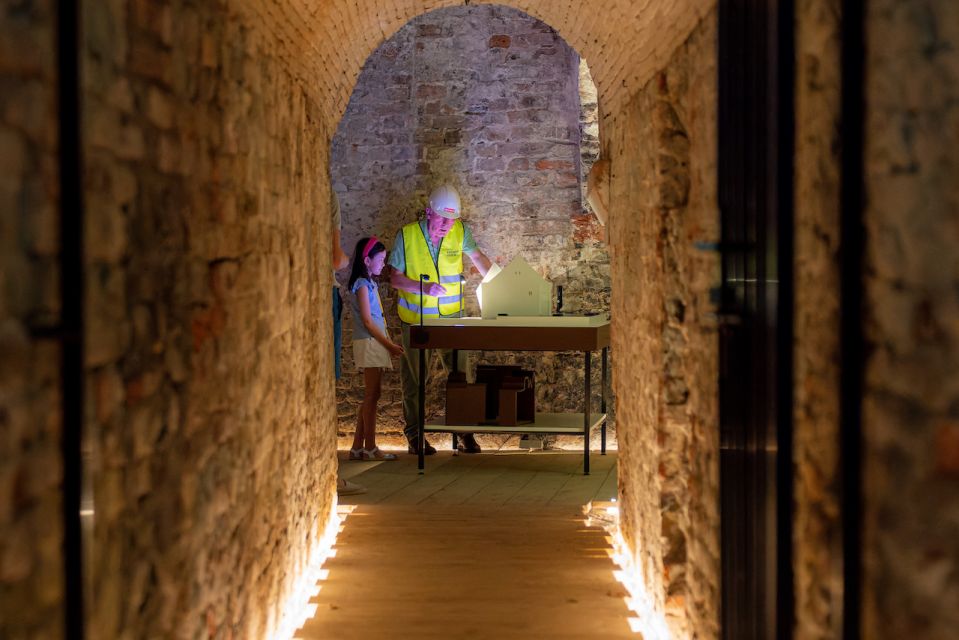
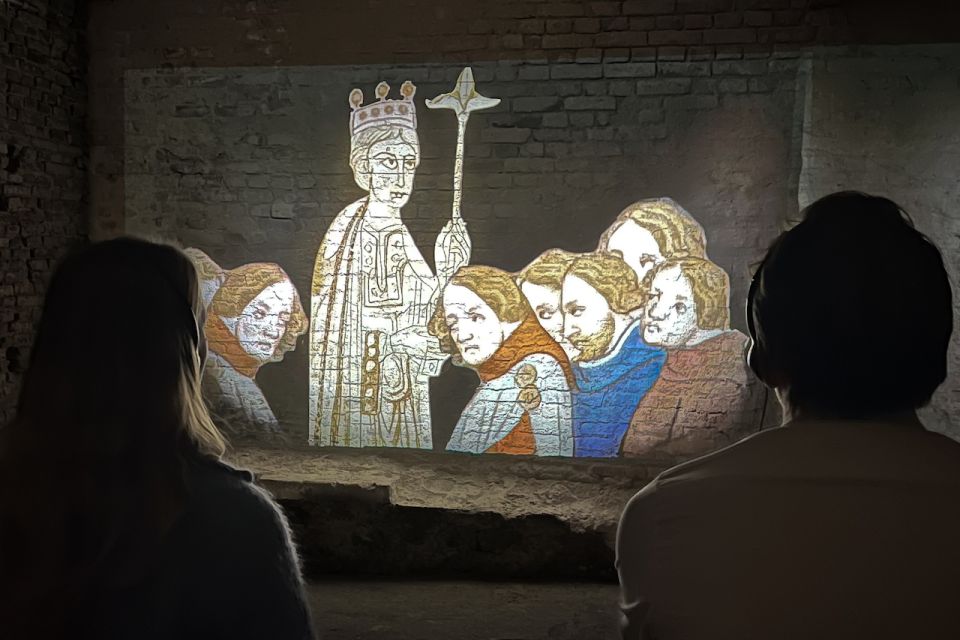
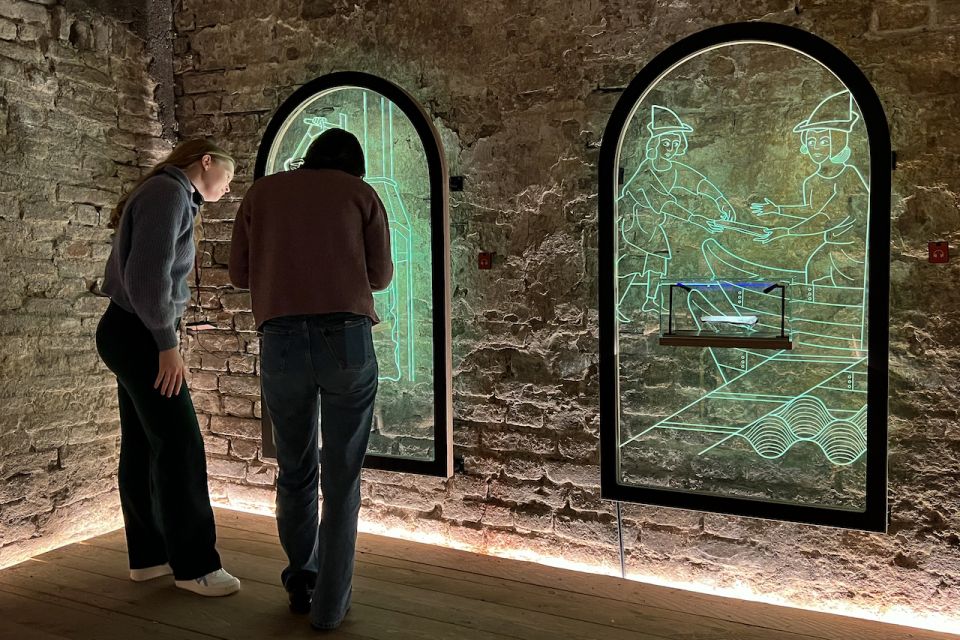
The experience also includes a small museum-style component, and it’s paired with a great video at the end. This is a smart design choice. Underground tours can be heavy on imagination because you’re literally seeing remnants. The video helps consolidate the story you’ve just followed—so your last memory isn’t a string of facts, but a clear recap of what you learned and why it matters.
If you’re someone who likes closure—especially on history tours—this ending is worth appreciating. One guide-led visit is praised for using visual aids, and the video format is described as interesting and accessible. That combination is exactly what keeps a smaller site from feeling flat.
The small size can be a positive. If you’ve ever visited a big museum and lost the thread halfway through, this avoids that problem by staying focused on one central story.
Audio and live guide: how to choose your language and pace
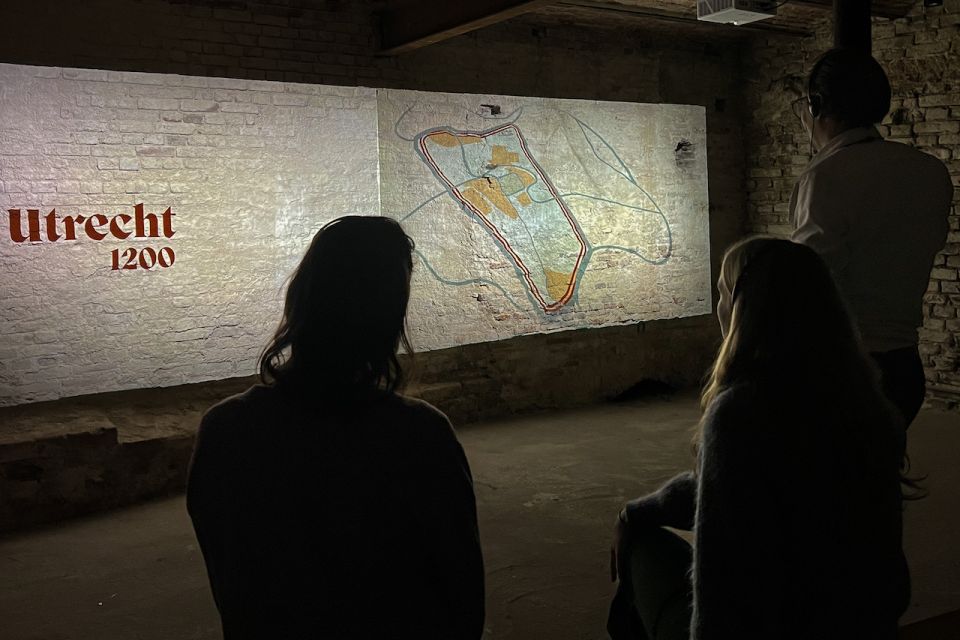
You’ll get a live tour guide (English and Dutch) plus an audioguide in the same languages. That duo is valuable because it lets the experience work for different listening styles:
- If you want a guided flow, lean into the live guide’s narration.
- If you like control, use the audioguide as your layer so you can move at your own pace.
There’s also a comfort factor: if the guide is explaining something quickly, the audio gives you an extra chance to catch it. And if you’re traveling with someone who learns better by listening repeatedly, this setup makes it easier for both of you.
In one English-language visit that gets highlighted, the guide is described as using historical background, interesting details, visual aids, and kindness. That kind of approach usually means you’re not just hearing dates—you’re being led through the logic of the story.
Price and value: is $14 worth it?
At about $14 per person, this is priced like a focused, entry-ticket-and-guide experience—not a major all-day attraction. The value comes from what you’re getting for that price:
- Guided interpretation of a unique Utrecht site under the city
- Audioguide support in English or Dutch
- A film/video ending that consolidates the story
If your Utrecht trip already includes multiple big sights, this ticket offers a different angle: underground history tied to empire politics and a real local turning point (the 1253 fire). It’s also one of those experiences that’s hard to replicate on your own. Even if you read about Lofen Palace, the guided structure makes the narrative much easier to follow while you’re in the space.
The main “cost” isn’t money—it’s time and physical comfort underground. If you’re short on time, choose a slot that doesn’t compete with everything else you planned. If you’re sensitive to enclosed spaces, plan accordingly.
Who this tour suits best (and who might want to rethink it)
This experience is a great fit if you:
- Enjoy history with a clear story arc
- Want Utrecht context beyond canals and churches
- Like guided narration and audio support
- Prefer a smaller, focused museum moment (with a video ending)
It may be less ideal if:
- You strongly prefer above-ground sights only
- You need a fully predictable accessibility route (since access is noted as limited for people with disabilities)
- You want a long, self-paced museum visit (the format is story-led and route-based)
Quick tips to get the most from Lofen Palace
- Bring comfortable shoes. Underground walking and stairs (if present) are easier when your feet feel steady.
- Pick your language and stick with it. Mixing attention between guide and audioguide can slow you down.
- Listen for the turning points: 1122 city rights, then 1253 fire, then the idea of rediscovery in the 19th and 20th centuries. Those anchors help everything click.
And one more practical thought: if you’re the type who loves stopping to read every sign, you might not have that luxury here. This tour is built for hearing and following the guide’s thread, so lean into listening rather than scanning every detail.
Should you book Lofen Palace in Utrecht?
Yes—book it if you want a memorable, well-structured way to understand Utrecht’s medieval role and the story of a palace that was lost and then found again. The combination of live guide + audioguide, plus the video ending, gives you both explanation and closure for a small site that punches above its size.
Hold off or ask more questions first if accessibility needs are complex for you, since limited access is explicitly noted even though wheelchair accessibility is included. Also, if underground spaces are an issue, plan your comfort level before committing.
FAQ
FAQ
Where do I meet for Lofen Palace?
You scan your ticket at the desk of the Tourist Information Centre at Domplein 9.
Is an entry ticket included?
Yes. The package includes an entry ticket for Lofen Palace.
Do I get a live guide?
Yes. There is a live tour guide available in English and Dutch.
Is there an audioguide?
Yes. An audioguide is included in Dutch and English.
How much does it cost?
The price is listed as $14 per person.
How long is the experience?
It’s listed as a 1-day activity. Starting times depend on availability.
What’s the tour best known for?
It focuses on Lofen Palace under Utrecht, the history of Utrecht, and stories told by the professional guide and audioguide.
Is it wheelchair accessible?
It’s listed as wheelchair accessible, but Lofen Palace has limited access for people with disabilities. Contact the provider to check what’s possible for your situation.
What’s the cancellation policy?
Free cancellation is available up to 24 hours in advance for a full refund.
Can I reserve without paying right away?
Yes. There is a reserve now & pay later option to keep plans flexible.
If you’d like, tell me your travel month and whether you prefer English or Dutch, and I’ll suggest the best way to fit Lofen Palace into a typical Utrecht day without rushing.