REVIEW · AMSTERDAM
Amsterdam: Anne Frank and World War II Walking Tour (TOP RATED)
Book on Viator →Operated by Trigger Tours · Bookable on Viator
Anne Frank and WWII still echo through Amsterdam. This walk threads the Jewish Quarter together with memorial stops and Anne Frank context you won’t get from a guidebook alone. I also like the small scale (up to 15 people), because it keeps questions flowing, and the pacing works for photos. One drawback to plan for: Anne Frank House entry isn’t included, so you’ll need a separate ticket if that’s on your must-do list.
You start at Amstel 51C and head into the places that shaped Jewish life before the war, then followed the trail of persecution and resistance. The tour is built around short, focused stops—each listed around 10 minutes—so you get atmosphere without turning it into a half-day slog. If the topic is heavy (it is), having a real guide to connect the dots makes the difference between seeing plaques and understanding why they matter.
At $29.45 per person for about 2 hours, it’s a value-priced way to get oriented and informed in a compact area. Because this experience is often booked ahead (on average about 58 days), I’d secure it early—especially in peak seasons when schedules fill up.
In This Review
- Key things to know before your Amsterdam WWII walk
- The real win: a focused 2-hour route through the Jewish Quarter
- Starting at the Portuguese Synagogue: Jewish Amsterdam before the war
- The WWII memorial trail: Auschwitz Monument, deportation camps, and resistance
- De Plantage and Spinoza: history in a real neighborhood
- Dam Square and De Schaduwkade: remembrance inside Amsterdam’s everyday streets
- Tour guides and storytelling style: why it changes the whole experience
- Price and value: what $29.45 gets you, and what it doesn’t
- What to bring, how to dress, and who this tour suits
- Should you book this Anne Frank and WWII walking tour?
- FAQ
- Is the tour price $29.45 per person?
- How long is the Amsterdam Anne Frank and WWII walking tour?
- Where do I meet for the tour?
- What’s included in the tour?
- Is the Anne Frank House ticket included?
- Is the tour only for certain ages or fitness levels?
Key things to know before your Amsterdam WWII walk
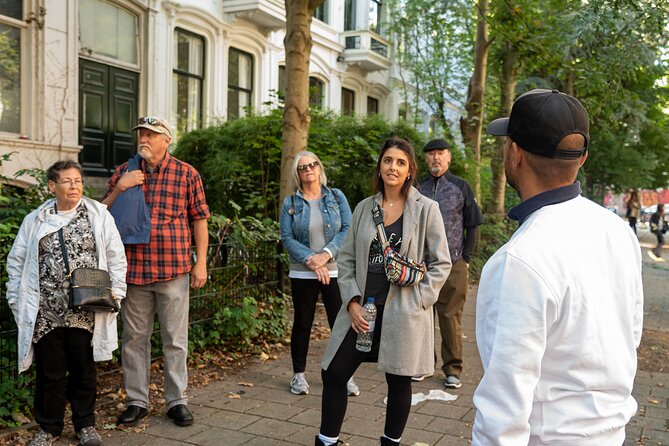
- Small group up to 15: better questions, less waiting, calmer pace for a serious topic
- Mobile ticket: less fuss at check-in
- Free-entry stops listed: the scheduled sites are marked admission ticket free
- Guide-led atmosphere: short stops that turn into meaningful connections, not a random walk
- Anne Frank House not included: you’ll cover context, but you must book the House separately
- Upgrade option for private tour: if you want a more personalized experience, ask about it
The real win: a focused 2-hour route through the Jewish Quarter

This is designed as a short walking tour, about 2 hours, with multiple quick stops that each serve a purpose. That structure matters. In Amsterdam, you can spend the whole day bouncing between highlights—here, you get a tight storyline in a single neighborhood.
I like that the tour doesn’t just shout names. It ties sites to what happened before the war and how the community responded afterward. You’ll also get enough time for photos, since the route keeps moving but isn’t rushed.
The small-group size (maximum 15) helps your guide manage the pace and handle questions without losing the thread. If you’re the type who hates being left behind at the next corner, this setup tends to feel much easier.
You can also read our reviews of more tours and experiences in Amsterdam.



Starting at the Portuguese Synagogue: Jewish Amsterdam before the war
The tour begins at Portuguese Synagogue (listed as 10 minutes, admission ticket free). This stop sets the tone by giving you background on the Jewish community in Amsterdam—especially the Sephardic community, described as one of the largest and richest in Europe during the Dutch Golden Age.
That early context is a smart choice. When you begin with community life and not only WWII trauma, the later memorial sites land with more weight. Instead of treating the Jewish Quarter as a list of tragedies, you see it as a place with depth and identity.
You’re also told the synagogue remains an active place of worship and is a popular tourist attraction. Practically, it means you’ll want to be respectful in how you move and pause, especially if services or visitors are ongoing.
The WWII memorial trail: Auschwitz Monument, deportation camps, and resistance
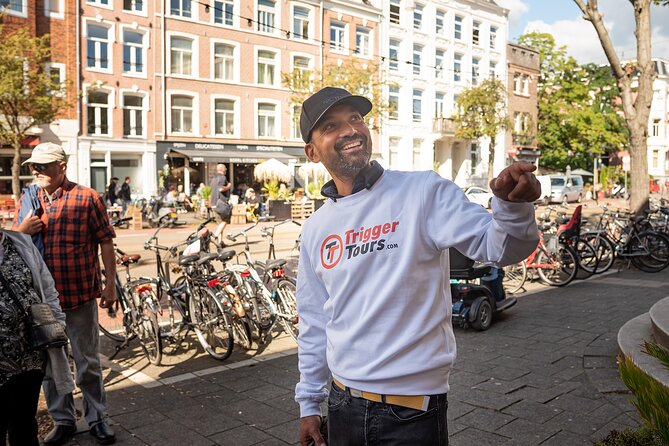
After the synagogue context, the tour moves into a sequence of WWII-related memorial stops that follow a clear emotional arc.
First is the Auschwitz Monument (10 minutes, admission ticket free). The focus here is on the Jewish deportation—short, direct, and built for understanding rather than sightseeing for sightseeing’s sake.
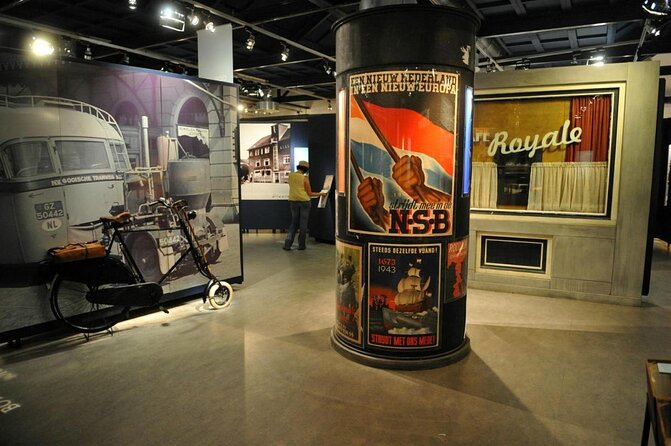
Next you’ll reach Verzetsmuseum Amsterdam (10 minutes, admission ticket free). This stop is where you’re guided through Jewish resistance in Amsterdam. That balance is important. You see both what was done to people and how people resisted and persisted.
Then comes Hollandsche Schouwburg (10 minutes, admission ticket free). Here the emphasis shifts to the deportation camps, helping you connect the memorial story to the physical places tied to that system. For many people, this is the point where the tour stops feeling like general history and starts feeling personal.
At each of these stops, the guide’s job is to give you enough background to understand why the location matters. Without that, monuments can feel like symbolic dots on a map. With it, they become part of a narrative you can carry forward.
De Plantage and Spinoza: history in a real neighborhood
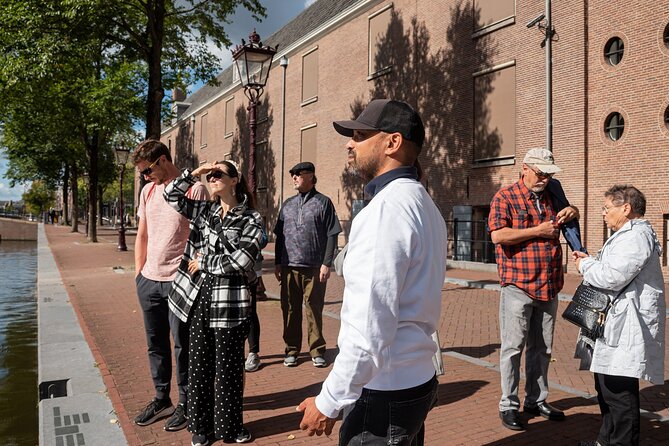
Then the tour shifts from memorial intensity to a place you can actually feel as a neighborhood: De Plantage (10 minutes, admission ticket free). The plan here is to show you the area and its history as it relates to the Jewish community.
I appreciate this pause. It’s easy to get stuck in “event mode” during WWII tours. Plantage helps your brain reset a little, so the rest of the walk doesn’t blur into one long heaviness.
After that, you’ll visit the Spinoza Monument (10 minutes, admission ticket free). The guide uses this stop to talk about Spinoza—another way the tour expands beyond WWII alone. It reminds you that Jewish life in Amsterdam wasn’t limited to one era. That broader framing helps you understand why preservation and remembrance matter now.
Dam Square and De Schaduwkade: remembrance inside Amsterdam’s everyday streets

Once you’ve spent time in the Jewish Quarter story, the route connects it back to the wider city. You walk to Dam Square (10 minutes, admission ticket free), where you’ll explore the monument there and the Royal Palace area.
This part can be surprising in a good way. You get to see how major civic spaces sit close to memorial meaning. It’s a reminder that history isn’t locked in a museum room—it’s woven into where people still walk every day.
After Dam Square, the route includes De Schaduwkade (10 minutes, admission ticket free) and the Schaduwkade monument. This stop keeps the tour from becoming a one-time landmark sprint. Instead, it leaves you with a lingering sense that Amsterdam marked these sites on purpose.
The tour ends back at the meeting point, Amstel 51C, so you’re not stranded or forced into extra transit just to get home.




Tour guides and storytelling style: why it changes the whole experience
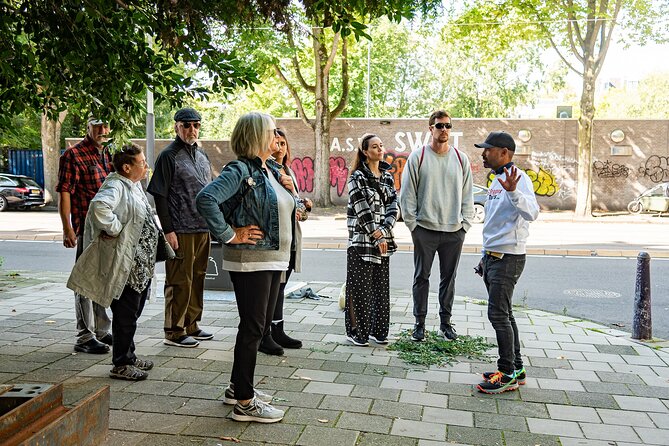
What separates a good history walk from a good history walk for you is how the guide handles pacing and tone. This tour is built for that kind of guided storytelling.
You may encounter guides who are especially praised for going beyond the headline story—connecting Anne Frank’s background with wider WWII context and adding personal, human detail. Names that come up include Aaron, James, Keese, Masha, Peter, and Stan. If your guide has a similar style—clear explanations, lots of room for questions, and energy that keeps the group together—you’ll likely feel like the neighborhood is telling you its own story.
One practical note: the walking pace matters. The structure of multiple short stops helps, but it’s still a walk. If you’re bringing kids or anyone who tires quickly, plan for stamina. One family-focused tip from real-world experience: consider this more of an adult-friendly route, or bring breaks and snacks outside the tour.
Price and value: what $29.45 gets you, and what it doesn’t
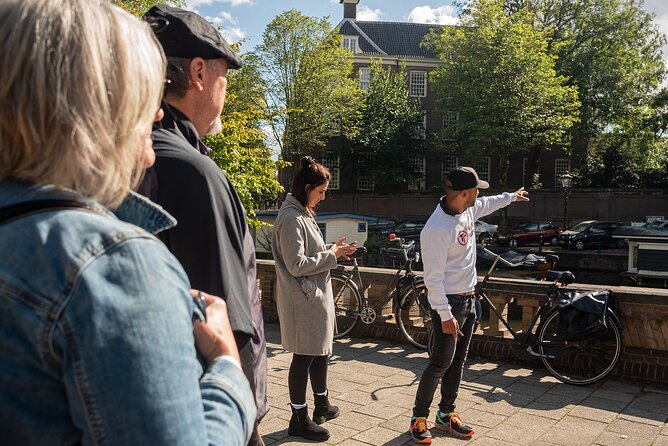
At $29.45 per person for about 2 hours, this tour is positioned as a budget-friendly way to get a real guide in a key historical area. The listed stops are marked admission ticket free, which means you’re not stacking multiple paid entries on top of the tour price.
But there’s one big thing you must not miss: Anne Frank House entrance isn’t included. The experience is about Anne Frank and the broader WWII story, with the Jewish Quarter context, but it’s not a guaranteed substitute for actually visiting the Anne Frank House.
So here’s how I’d plan it:
- If Anne Frank House is a top priority, book that separately and treat this tour as your background course.
- If your priority is WWII context and the Jewish Quarter memorial landscape, this tour already covers the key sites on foot.
In plain terms, you’re paying for guidance, story, and connections—plus a route that keeps you from wandering aimlessly. That’s where the value is.
What to bring, how to dress, and who this tour suits
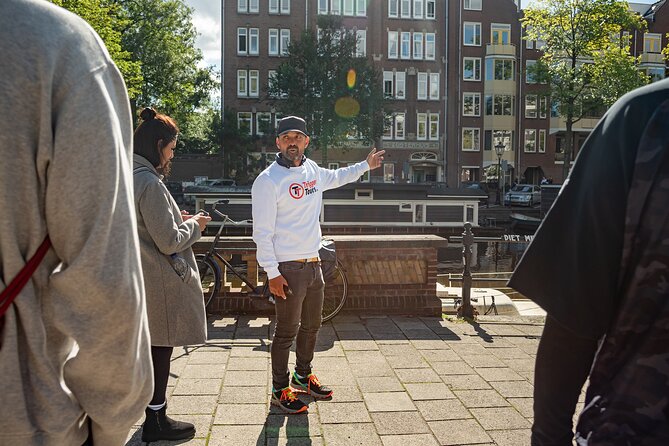
This is a walking tour, so comfortable shoes matter. The tour lasts about 2 hours and includes multiple short site stops plus walking between them, including a connection to Dam Square.
Also bring patience. The subject matter is somber—deportation, camps, and remembrance. Having a guide who can explain the context without rushing it is part of what makes the tour work.
Here’s who it suits best:
- You want a high-impact history walk in a compact area
- You like photo-friendly pacing while still learning
- You prefer a small group format with room for questions
- You’re interested in the Jewish Quarter story beyond just one famous name
If you’re the type who wants everything in one place and hates booking extra tickets, the Anne Frank House exclusion is the main thing to consider before you buy.
Should you book this Anne Frank and WWII walking tour?
I’d book it if you want to understand Amsterdam’s Jewish Quarter as more than a stop on a list. The combination of Jewish community context, WWII memorial sites, and a guide who connects the dots makes the walk feel purposeful.
I’d also book it early, because it’s commonly reserved well in advance. And if you care most about the Anne Frank House itself, treat this tour as the story setup and then add the House visit on a separate ticket.
Skip it (or at least rethink it) if you’re hoping the price includes Anne Frank House entry. The tour is strong on context and surrounding sites, but it’s not built to be a substitute for the House.
FAQ
Is the tour price $29.45 per person?
Yes. The tour is priced at $29.45 per person.
How long is the Amsterdam Anne Frank and WWII walking tour?
It runs for about 2 hours (approx.).
Where do I meet for the tour?
You meet at Amstel 51C, 1018 EJ Amsterdam, Netherlands.
What’s included in the tour?
The tour includes a local guide.
Is the Anne Frank House ticket included?
No. Entrance ticket to the Anne Frank House is not included.
Is the tour only for certain ages or fitness levels?
Most travelers can participate, but it is a walking tour. If you have limited stamina or very young children, plan for a longer walk.