REVIEW · AMSTERDAM
Amsterdam: ARTIS-Micropia Microbe Museum Entry Ticket
Book on GetYourGuide →Operated by ARTIS · Bookable on GetYourGuide
Microbes are everywhere, and this museum proves it. Micropia turns the invisible stuff into hands-on exhibits you can actually enjoy. I love that it’s inside the ARTIS complex, so it feels like part science center, part Amsterdam day out.
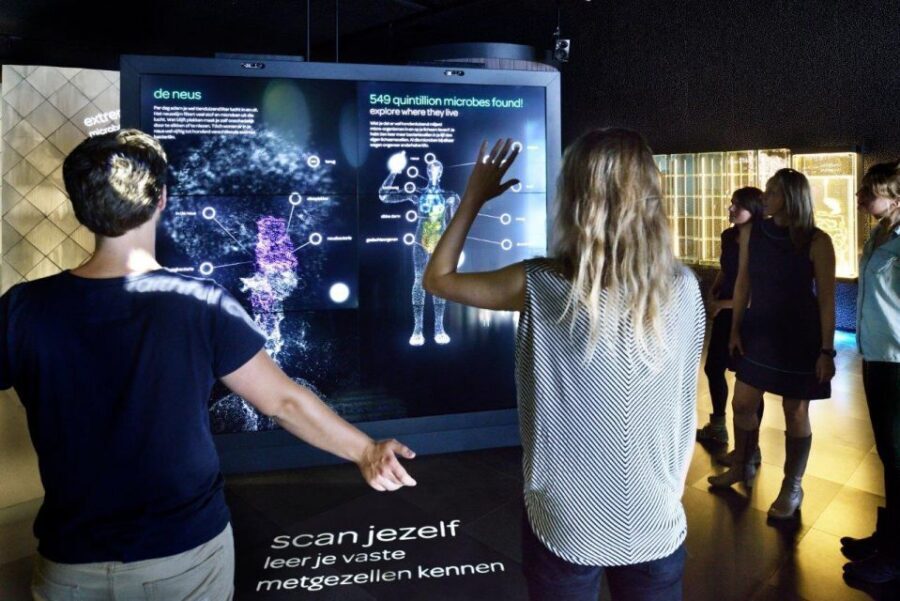
My favorite part is the personal scan. You get to discover microbes living on and inside you, and the results can be a little shocking in the most educational way. I also like the “move through the galleries” system, where you collect microbe stamps as you go.
One thing to watch: it’s not a huge building with endless galleries, so if you expect a massive museum with hours of quiet wandering, you might feel the price is a bit steep. Also, one small practical complaint pops up around cleanliness—so plan to bring sanitizer if you’re picky.
In This Review
- Key things that make Micropia worth your time
- Micropia in One Breath: The World You Can’t See
- Getting There: Plantage Kerklaan and a Smooth Walk Into ARTIS
- Entry Flow That Works: From Tickets to Stamps and Scanners
- The Lab Side: Daily Talks and an Actual Laboratory Feel
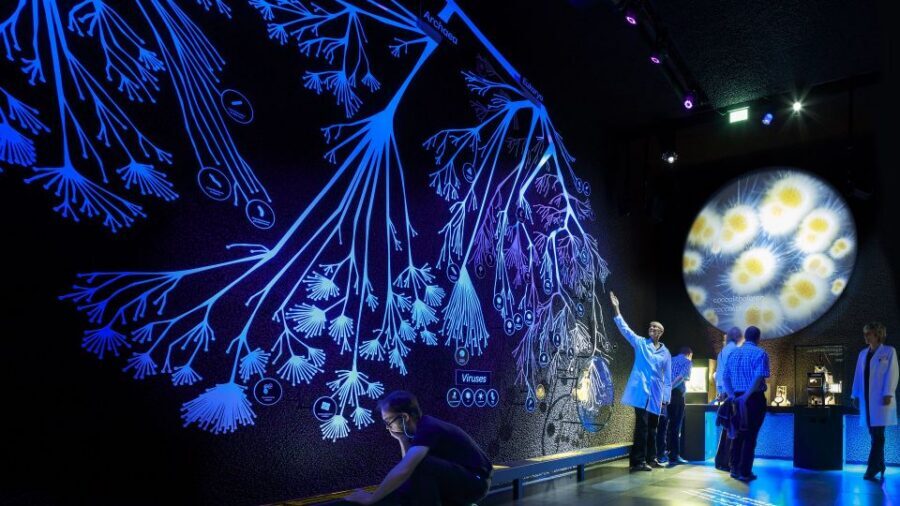
- Microbe Exhibits That Keep Attention: Microscopes, Living Material, and Animation
- Planning Your Time: How Long You’ll Really Need
- Micro Mission on Spring Break: A Free Workshop That Adds Story
- Recommended Ages and Family Reality Checks
- Price and Value: Is $21 Fair for a Microbe Museum?
- Combos With ARTIS: Turning One Ticket Day Into a Full Outing
- Small Annoyances and Practical Tips (So You’re Not Caught Off Guard)
- Should You Book Micropia?
- FAQ
- Where is the meeting point for ARTIS-Micropia?
- How long is the visit and is the ticket valid for one day?
- What’s the price for entry?
- Is Micropia free for children?
- What is the recommended age for Micropia?
- What are the opening hours?
- Are there lab talks during the day?
- Can I scan myself inside the museum?
- Is there free cancellation?
Key things that make Micropia worth your time
- World’s only microbe museum focused on microbes you can’t see unaided
- Self-scanning to reveal microbes on and inside you
- Microbe stamps collected throughout the museum to keep you moving
- Real lab visibility plus daily lab talks in front of the Laboratorium
- Lots of interactive microscopes, animations, and living displays for adults and kids
- Free entry for kids up to age 12, plus a family-friendly spring break workshop
Micropia in One Breath: The World You Can’t See
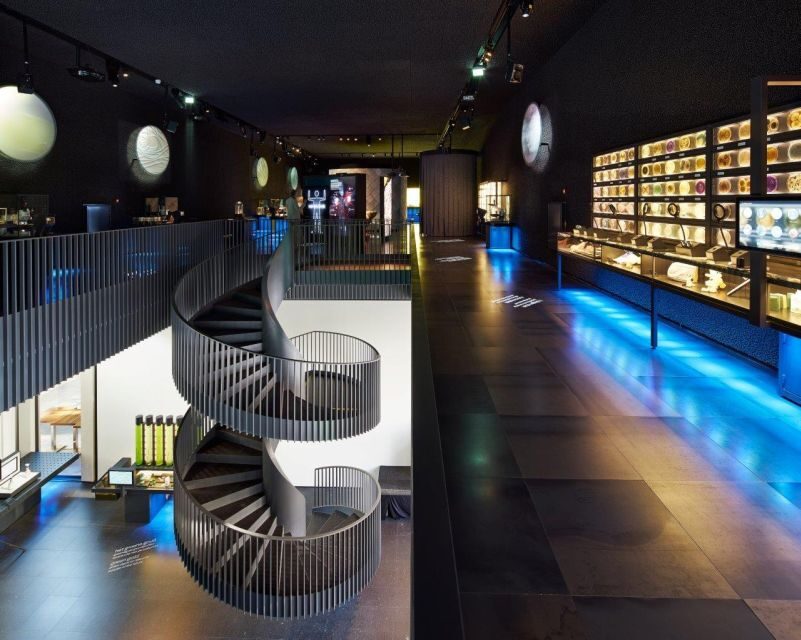
If you think of microbes as background noise, Micropia flips the script. This is a full museum experience built around the idea that microbes are essential to life on Earth—on your skin, in your gut, in the air, and everywhere food and health get their start. You don’t need a biology degree. You just need curiosity, and maybe a sense of humor about how small things can be huge.
The most compelling design choice is that Micropia keeps reminding you microbes aren’t villains. They’re the workers and balance-keepers of nature. That’s why the exhibits are both visual and interactive: you’re not just reading. You’re looking through microscopes, watching living material, and piecing together stories about how plants, animals, and microbes connect.
The museum also leans into wonder without getting too precious. One reason it works is the mix of lab-like details (you’ll see an actual laboratory area) and playful learning (like the stamp system and hands-on stations).
A few more Amsterdam tours and experiences worth a look



Getting There: Plantage Kerklaan and a Smooth Walk Into ARTIS
Micropia is easy to fit into a normal Amsterdam day. The meeting point is Plantage Kerklaan 38-40, and it’s roughly a 10-minute walk from the city center. That matters because you don’t waste your energy on transportation. You arrive ready to explore.
The location inside the broader ARTIS area is a practical bonus. You can plan a visit that feels like a whole outing: a museum stop, time in the garden spaces, and (if you want) additional animal-focused time at nearby ARTIS sites. One review also mentioned being able to sit outside nearby for coffee and food while waiting—useful if your timed entry slot has you arriving early.
If you’re traveling with kids, this neighborhood setup helps. You’re not trapped indoors the whole time, and you can burn a bit of energy before you head into the exhibit halls.
Entry Flow That Works: From Tickets to Stamps and Scanners
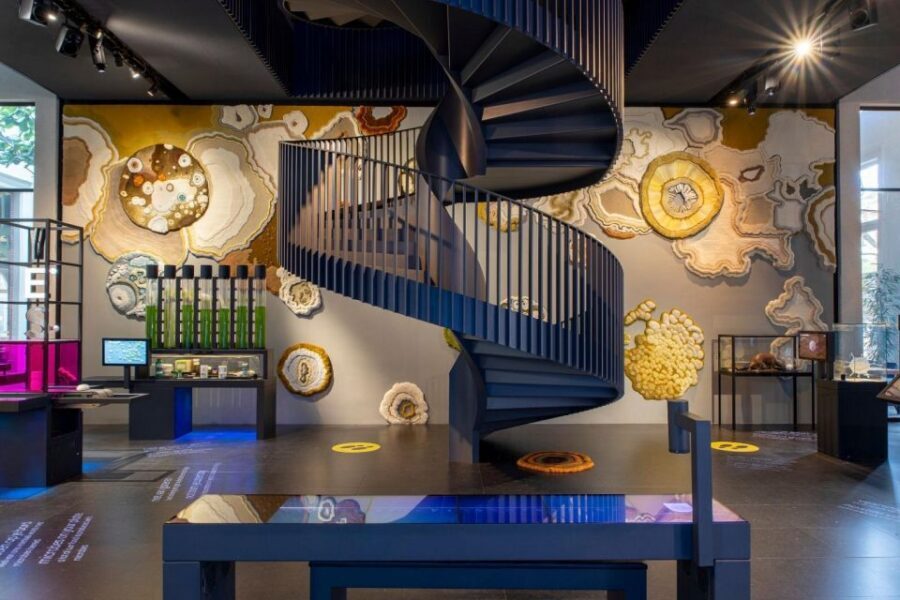
Once you’re inside, Micropia is built to keep your attention. The museum uses a simple rhythm: stations, stories, and hands-on activities that don’t take forever to understand.
A smart tip from visitor feedback: look out for free lockers to store bags and coats. Even if you’re traveling light, it makes the experience more comfortable. You’ll move between stations with fewer distractions.
Then comes the standout: the self-scanner. This isn’t just a gimmick. It’s one of those exhibits that makes people slow down and actually read what’s on the screen. You scan yourself and get a sense of the microbes that can be found on and in the body. Some results can feel surprising, which is exactly the point—microbes are usually invisible, so the museum is giving you a way to picture them.
Next, keep an eye on the stamp collecting. As you move through the museum, you collect microbe stamps along the way. It’s a mild game mechanic, but it’s a real attention anchor. You end up exploring more thoroughly because you’re not wandering aimlessly—you’re checking off stops.
The Lab Side: Daily Talks and an Actual Laboratory Feel
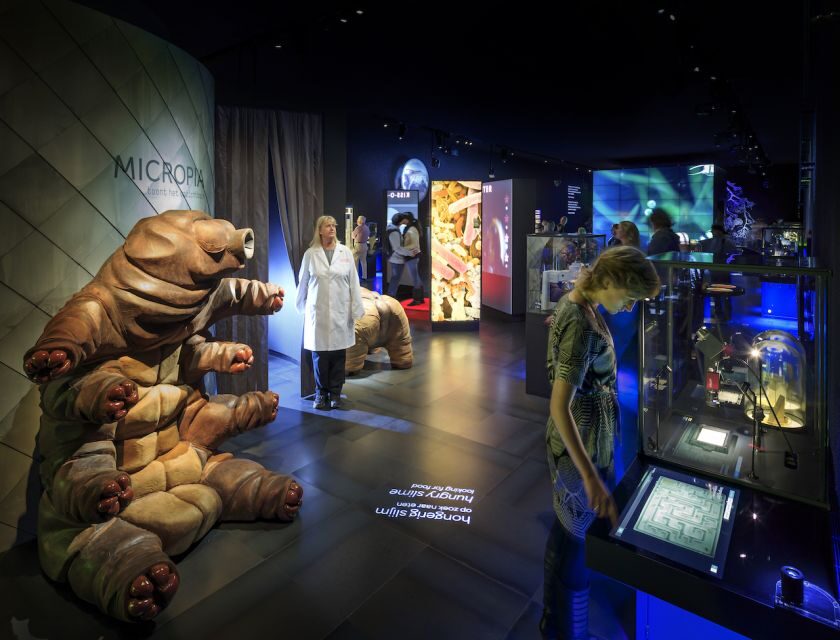
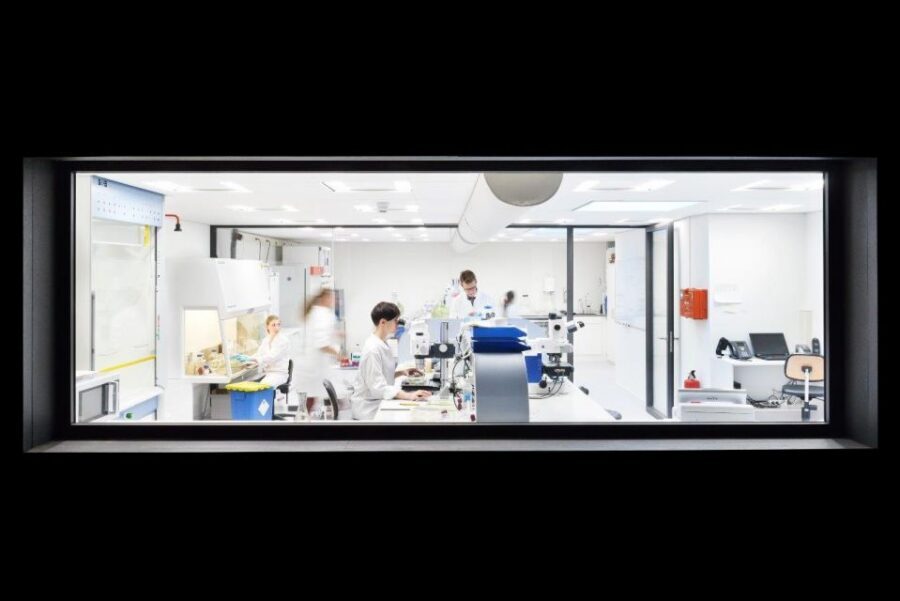
Micropia doesn’t pretend it’s all theater. It includes daily lab talks held in front of the Laboratorium. That’s a small detail on paper, but it changes the mood. You get moments where learning sounds like learning, not just museum labels.
The laboratory visibility also adds credibility. Multiple visitors highlight that you can see the lab as you walk around, which makes the exhibits feel connected to real research environments. If you like science that has process—how lab work leads to discoveries—you’ll likely appreciate that structure.
This “lab energy” also helps the museum avoid becoming too abstract. Instead of only focusing on shapes and images of microbes, you get more of a sense of what scientists do and why these organisms matter.
Microbe Exhibits That Keep Attention: Microscopes, Living Material, and Animation
The museum experience is packed with ways to make microbes feel tangible. Expect a mix of:
- Microscopes and displays that show microbes at scales your eyes can’t reach on their own
- Interactive stations where you control what you see or how you explore
- Digital screens and visual effects, including animations that help explain what you’re looking at
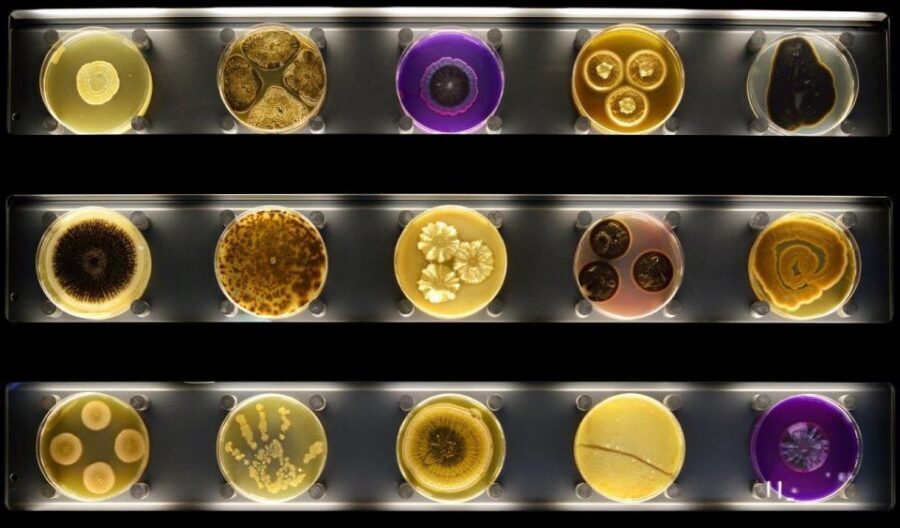
- Living microbes and stories from lab technicians, which turns facts into context
From review feedback, some exhibits that land well include detailed scientific visuals like sculptures of bacteria and viruses, and dramatic learning moments like growing moulds on plates. There’s also mention of an ant farm exhibit that surprised people—in a good way, because it gives microbes a place inside everyday ecosystems, not just on slides.
If you’re visiting with kids, this format is why the museum often holds attention longer than you’d expect. You’re not just watching. You’re doing. For adults, it’s the same reason: it’s easier to remember something when you’ve interacted with it rather than only read it.
You can also read our reviews of more museum experiences in Amsterdam



Planning Your Time: How Long You’ll Really Need
The museum is open daily from 10:00 to 17:00. Most visits seem to land between about 45 minutes and nearly 2 hours, depending on how closely you read and how many interactive stops you take.
Here’s the practical way to plan: if you want a relaxed visit, aim for about 90 minutes. If you have children who will want to scan, stamp, and stop at multiple exhibits, plan closer to 1.5 to 2 hours.
Also think about timing around any special activity. Micropia has a spring break experience called Micro Mission, and it can add time because it’s a free workshop activity during specific hours.
Micro Mission on Spring Break: A Free Workshop That Adds Story
During spring break, Micropia offers a Micro Mission every day between 10:00 and 17:00. You can collect it for free at the ticket desk.
This matters because it’s not just an “extra.” It’s a structured way to connect the museum’s exhibits to real-world ecosystems. The Micro Mission focuses on how plants, animals, and microbes work together—including a direct link to the gut, where microbes help with digestion.
If your trip overlaps spring break and you’re traveling with kids (or science-curious adults), grab the Micro Mission. It gives the museum an intentional arc, so you’re not only collecting stamps—you’re also collecting meaning.
Recommended Ages and Family Reality Checks
The recommended age for Micropia is 8 years or older, but children age 0–12 enter for free. That combination can create a sweet spot for families who want to include younger kids without paying extra for them.
In practice, families often choose this museum because it’s interactive rather than lecture-based. One common theme from feedback: children enjoy the stamp collecting and scanning features, while older kids and adults get more from the lab atmosphere and detailed exhibits.
If you’re traveling with a mix of ages, plan for patience. The museum is educational, but the best experiences happen when people slow down to scan, observe, and read. Even though some visitors say the museum can be done quickly, a family day tends to go better if you assume it will take longer.
Price and Value: Is $21 Fair for a Microbe Museum?
At $21 per person, Micropia isn’t the cheapest ticket in Amsterdam. Some people find it a little pricey for the number of exhibits. That’s a fair concern if you expect a large-scale museum with lots of hours of wandering.
Here’s the value argument you should weigh:
- You’re paying for unique subject matter: it’s described as the world’s only microbe museum.
- You get high interaction: scanning yourself, collecting stamps, using microscopes and interactive stations.
- You get real scientific atmosphere, including the visible laboratory and daily lab talks.
- If you bring kids, the ticket can feel more reasonable because children up to 12 are free.
If you love science and hands-on learning, you’ll likely feel the ticket matches the experience. If you only want a quick peek, you may come away thinking it could cost less. The key is matching your expectations to the format: this is a science-and-interaction museum, not a giant walk-through art complex.
Combos With ARTIS: Turning One Ticket Day Into a Full Outing
Micropia sits in a broader ARTIS world, so you can easily build your day.
A combination option is mentioned for ARTIS-Groote Museum, which focuses on connections between human, animal, plant, and microbe. There’s also guidance that you can step outside into ARTIS Zoo as part of the larger plan.
One review also mentioned a discount on the zoo afterwards when visiting Micropia, which suggests deals may exist depending on how you book. So when you’re making plans, check for the current bundle pricing rather than assuming everything will be separate.
Practically, the best approach is to let your group set the pace: Micropia is the science anchor. Zoo time is the longer “watch and walk” piece afterward.
Small Annoyances and Practical Tips (So You’re Not Caught Off Guard)
Most parts of Micropia are designed for comfort, but two practical points are worth your attention based on real feedback.
First, the museum experience is hands-on. That means you’ll want to be ready for mess-free comfort like wiping hands after interactive areas. One visitor complaint mentioned dirty toilets, which is exactly the kind of thing you’d rather not deal with after a bathroom hunt. If you’re sensitive to cleanliness, bring a small personal supply like sanitizer and a travel wipe.
Second, the museum can get busy at certain times. Not every visit feels crowded, but if you care about moving quickly between stations, aim for a calm time window and don’t stack too many other timed activities back-to-back.
On the positive side, staff are described as helpful and attentive, and people consistently note how interactive the museum feels—so if you’re unsure where to start, ask and then follow the stamp flow.
Should You Book Micropia?
Book ARTIS-Micropia if you want a smart, hands-on Amsterdam museum that turns biology into something you can see and touch. It’s especially worth it if you like science explanations with interactive stations, or if you’re traveling with kids who enjoy “try it” learning like scanning and collecting stamps.
Don’t book if you’re expecting a huge museum with endless galleries that justify every minute by sheer scale. Also, if you’re very concerned about basic cleanliness in public facilities, you may want to be prepared.
If you’re planning a day in the ARTIS area anyway, Micropia is one of the easiest ways to add a genuinely different kind of learning—one that makes the invisible feel personal.
FAQ
Where is the meeting point for ARTIS-Micropia?
The meeting point is Plantage Kerklaan 38-40.
How long is the visit and is the ticket valid for one day?
The experience is listed as duration: 1 day, and the ticket is valid 1 day.
What’s the price for entry?
The entry ticket price is $21 per person.
Is Micropia free for children?
Yes. Children age 0–12 can enter for free.
What is the recommended age for Micropia?
The recommended age is 8 years or older.
What are the opening hours?
Micropia is open daily from 10:00 to 17:00. Special hours are listed for 24, 25, and 26 December (9:00–17:00), 31 December (9:00–16:00), and 1 January (10:00–17:00).
Are there lab talks during the day?
Yes. There are daily lab talks in front of the Laboratorium.
Can I scan myself inside the museum?
Yes. One of the core experiences is scanning yourself to uncover the microbes living on and inside you.
Is there free cancellation?
Yes. Free cancellation is offered if you cancel up to 24 hours in advance for a full refund.