REVIEW · AMSTERDAM
Amsterdam: Canal House Museum ‘Willet-Holthuysen’ Ticket
Book on GetYourGuide →Operated by Museum Willet-Holthuysen · Bookable on GetYourGuide
A canal house full of furniture and secrets. I love the Louis XVI–style ballroom and the French-style garden, and it’s satisfying how the Willet collection is shown right where it belonged. One catch: if a temporary sound-focused installation is playing, it can be harder to hear your audio guide.
You start on the first floor and move through the house’s key rooms before going down to the kitchen and pantry in the basement. You’ll get a self-paced audio guide to control your timing, but the museum isn’t set up for wheelchair users.
In This Review
- Key Points at a Glance
- Why Museum Willet-Holthuysen Feels Different From the Usual Museum Stop
- Ticket Price and Value: What $18 Buys You in a 19th-Century Home
- Arrive at Herengracht 605: Walking into a Real Canal House Vibe
- First Floor Splendor: Louis XVI Ballroom, Dining Rooms, and Salons
- The Willet Collection: Antique Furniture, Silver, Ceramics, Paintings, and More
- The Town Garden: 18th-Century French Style, Historic Trees, and a Calm Break
- Basement Kitchen and Pantry: The Servants’ Side of the Story
- Audio Guide Reality: How to Hear the Story Without Getting Hijacked by Sound
- Comfort, Practicalities, and Who This Visit Fits Best
- Should You Book Museum Willet-Holthuysen?
Key Points at a Glance
- A 17th-century double canal house that lets you see how wealthy Amsterdam life actually fit inside real rooms
- Audio guide you can steer yourself, including the ability to choose which stops to focus on
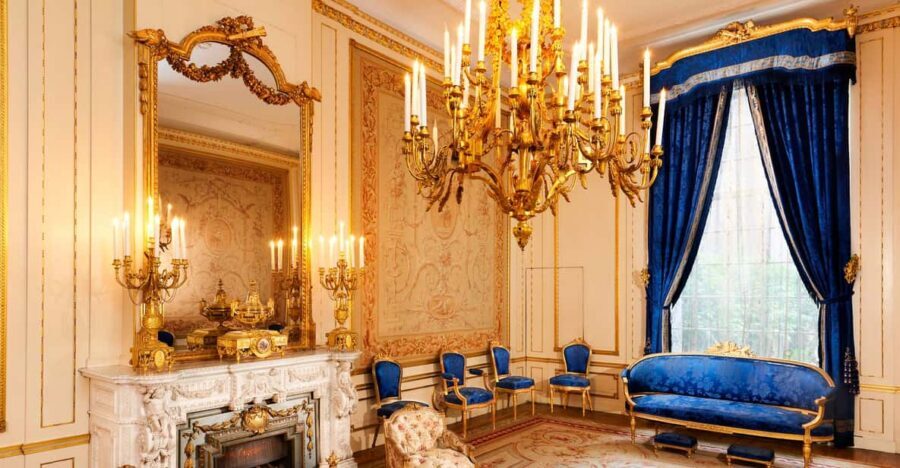
- Louis XVI ballroom plus dining rooms and the lord-and-lady salons
- French-style town garden with historic trees and plants
- In-situ collections: antique furniture, silver, ceramics, sculptures, paintings, and photographs
- Basement kitchen and pantry access that adds context about servants’ daily work
Why Museum Willet-Holthuysen Feels Different From the Usual Museum Stop
Most Amsterdam museums are about objects behind glass. This one is about rooms. Museum Willet-Holthuysen is a grand 17th-century double canal house that you walk through like you’re visiting an old household, not just viewing artifacts in separate galleries.
What makes it interesting is the time jump. The building is older, but the story centers on the Willets and how their home was preserved and then shared with the city. In 1895, Mrs. Willet left her opulent house to Amsterdam, including the art collection of her husband, Abraham Willet. That mix of architecture and collection matters because it changes how you read everything you see. You’re not studying a single theme; you’re watching how money, taste, and daily routines all lived in the same structure.
I also like the emotional balance here. You get the spectacle—big rooms, polished surfaces, formal styling—then you get the grounded stuff. The kitchen and pantry in the basement help you understand how the household worked beyond the drawing-room glamour.
A few more Amsterdam tours and experiences worth a look



Ticket Price and Value: What $18 Buys You in a 19th-Century Home
At about $18 per person for a 1-day visit, this isn’t the cheapest thing on your canal itinerary. Still, it’s a strong value when you factor in what you actually get: a ticket plus an audio guide, and access to multiple parts of a fully decorated home.
You’re paying for three things at once:
- The house itself (a double canal house, not a generic museum building)
- A large, in-situ collection (furniture, ceramics, silver, sculptures, paintings, photographs)
- A self-guided route with stop-by-stop narration
Also, you’re not stuck in a timed group process. Reviews note that you can move at your pace and even choose which stops you want to spend more time on. That “control” is part of the value. If you love decorative arts, you can slow down. If you want to keep momentum, you can follow the story without getting bogged down.
One more practical point: there are no meals included. If you’re visiting during a busy day, plan a refresh break nearby rather than assuming this stop covers food.
Arrive at Herengracht 605: Walking into a Real Canal House Vibe
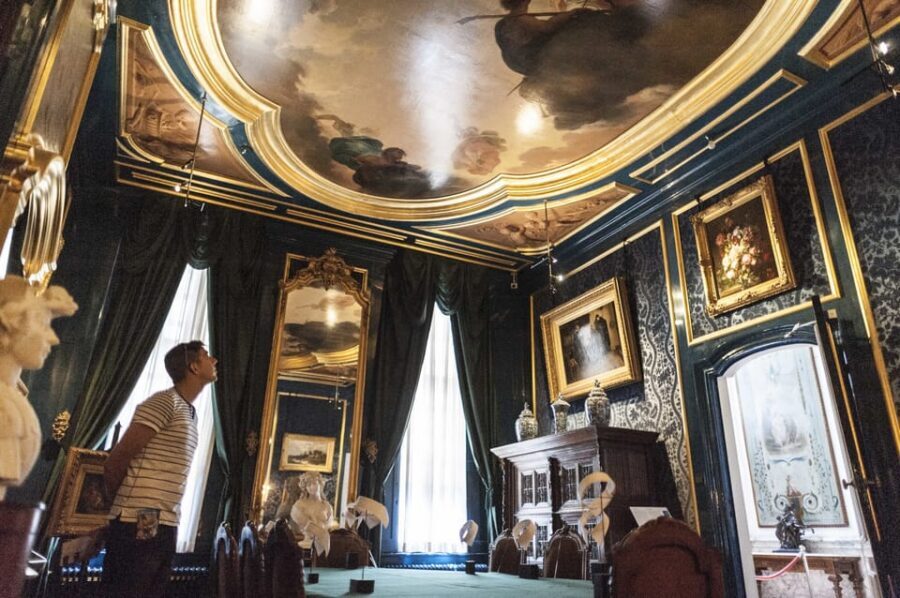
Your meeting point is Herengracht 605, which is exactly where you want to be if you’re doing Amsterdam the classic way—canals, tall façades, and that sense that every street has a backstory.
The key thing here is how quickly you’ll understand the scale. The canal houses look impressive from the street, but inside is where the reality hits. You get that “oh wow” feeling because the interior volumes are built for formal life, not just daily living.
Before you start, set yourself up for comfort:
- Use lockers if you have backpacks or bulky items. One review specifically calls out locker storage with the ticket.
- Know that the toilets are available and described as clean, which sounds small until you’re on a full walking day.
- Take it easy if you’re sensitive to sound. Some visitors found that a temporary art installation could be loud enough to make the audio guide harder to hear.
And quick reality check: smoking isn’t allowed.
First Floor Splendor: Louis XVI Ballroom, Dining Rooms, and Salons
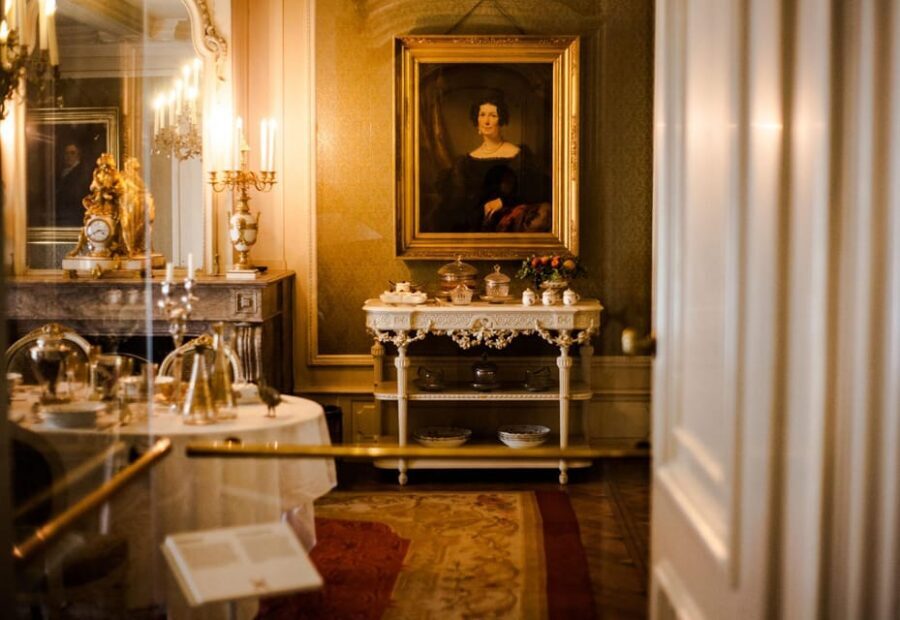
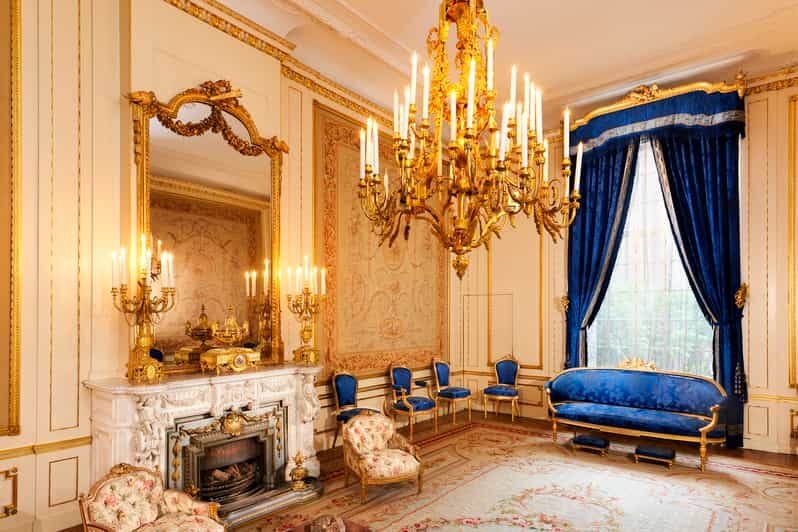
The visit route starts on the first floor, and this is where the museum sets its mood. You’ll enter the main rooms and move through a grand ballroom done in Louis XVI style—a period look associated with ornate elegance and formal gatherings.
After the ballroom, the tour continues toward the dining room and then the salons of the lord and lady of the house. This matters because the museum isn’t only about one showpiece room. It’s about how one household’s social life was staged across multiple spaces: performance here, conversation there, meals somewhere else.
What I like about going in this order is that it helps you “read” the home. You see rooms built for receiving guests, then you see spaces that suggest the rhythm of the day. Even if you don’t know every style term, you’ll get the pattern.
Downside to consider: if you’re expecting a fully open, spacious layout, canal houses can feel more compact depending on the room. That’s not a flaw in the museum; it’s just the architecture. Plan for a bit of moving from room to room, and don’t treat it as a quick stroll.
The Willet Collection: Antique Furniture, Silver, Ceramics, Paintings, and More

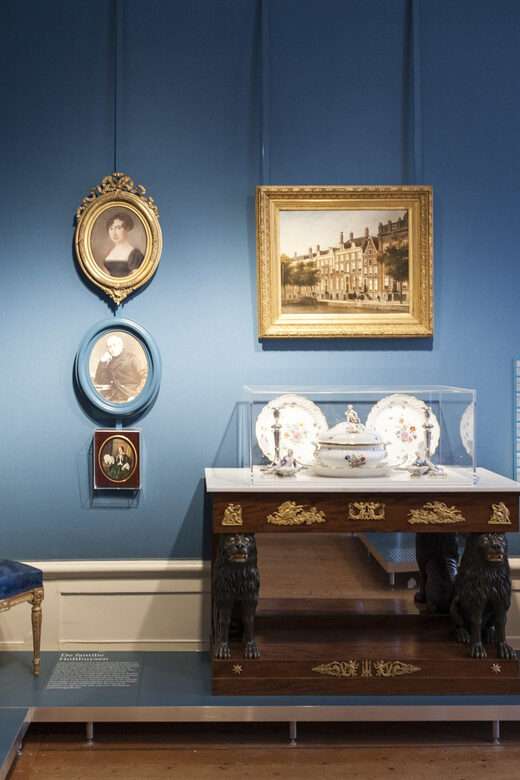
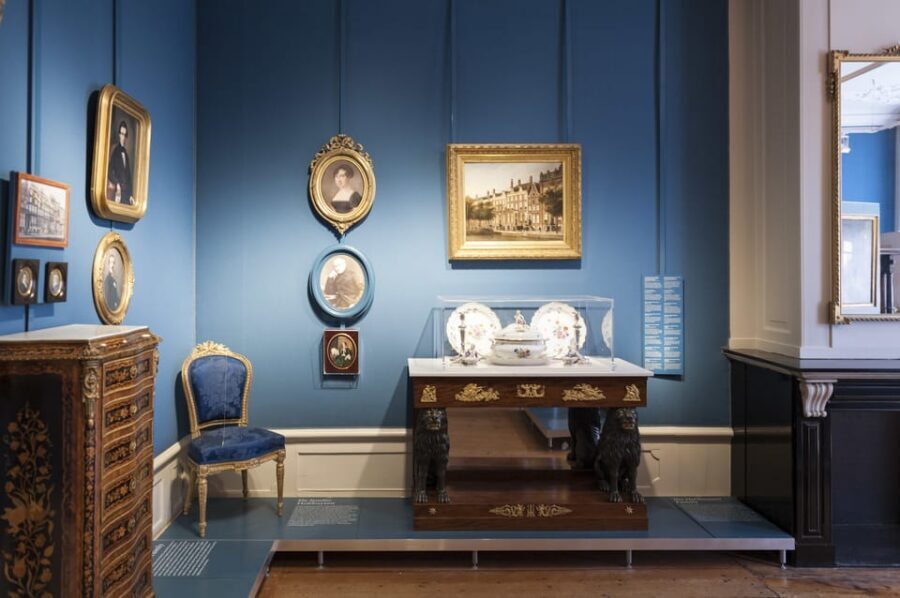
One of the best parts of Willet-Holthuysen is how the collection is displayed. You’re not looking at objects “in general.” You’re looking at them in situ, in the setting they were meant to belong to.
The collection covers a wide range of categories, including:
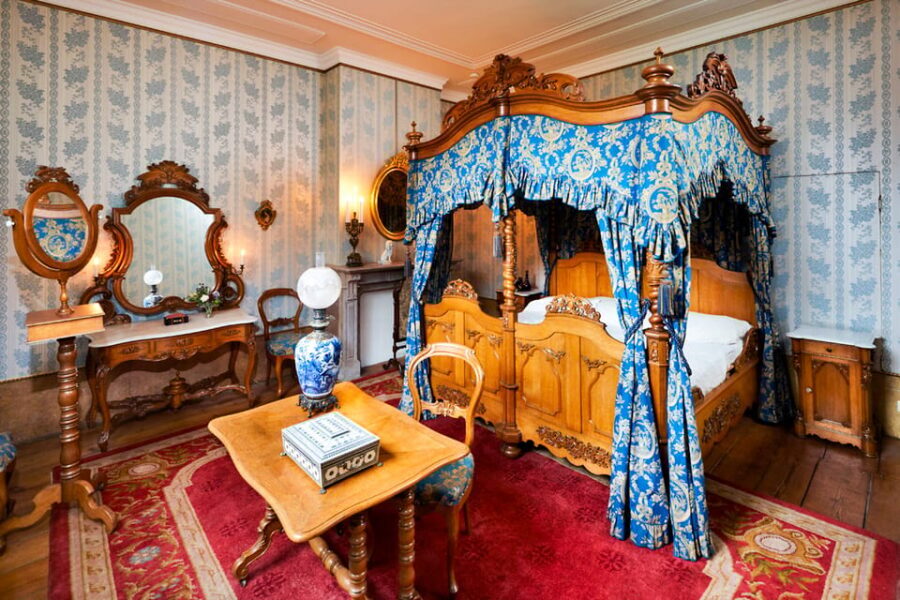
- Antique furniture
- Silver
- Ceramics
- Sculptures
- Paintings
- Photographs
That breadth is useful because it gives you multiple ways to connect. Maybe you’re drawn to the visual artistry of the paintings. Maybe you geek out on decorative materials. Maybe you like seeing how furniture choices signal wealth and status.
Another thing I appreciate: the museum combines historic rooms with modern presentation. One review notes that the house links history with modern displays, and that temporary exhibitions can feel well integrated instead of bolted on. The result is that you’re not stuck in a single-time capsule.
Still, watch for this caveat. Some visitors felt that a temporary exhibit could distract from the main tour, and at least one person found that audio from a temporary installation was so loud it interfered with hearing the audio guide. If sound distractions annoy you, you might want to time your visit when the temporary programming feels quieter, or be ready to take a short audio break.
You can also read our reviews of more museum experiences in Amsterdam






The Town Garden: 18th-Century French Style, Historic Trees, and a Calm Break
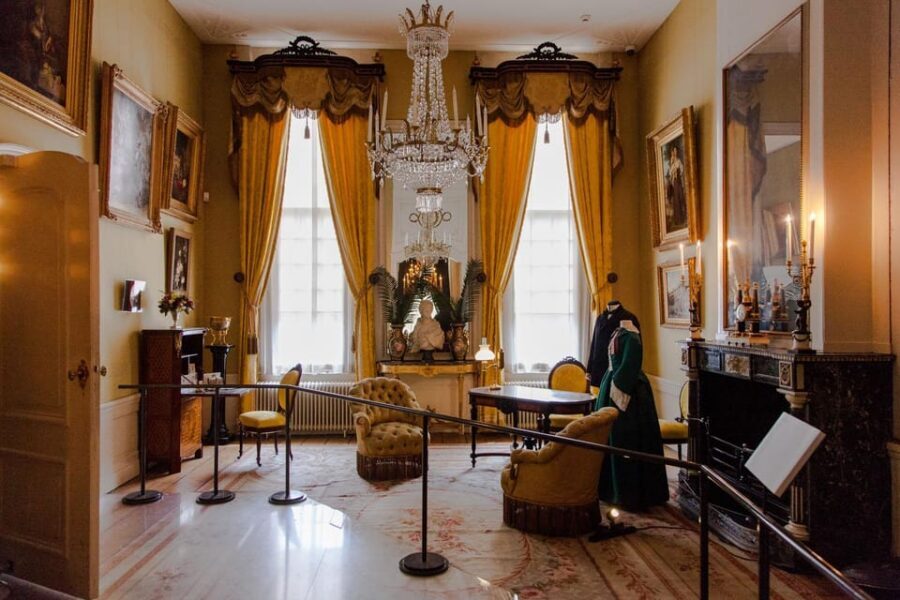
Then comes the garden, and it’s more than a decorative afterthought. The Willet garden is described as a green oasis in the heart of Amsterdam, laid out in 18th-century French style and filled with historic trees and plants.
This is one of those moments where the museum shifts from “formal interior” to “designed outdoor pause.” You can step into a different pace. Inside, rooms press you forward with their purpose. In the garden, you can slow down and look at shape, planting, and structure the way the Willets likely intended: controlled, planned, and meant to be enjoyed.
Also, gardens inside canal-house estates are a big part of why wealthy Amsterdam life feels different from the typical city apartment story. Here, the outdoor space wasn’t just functional. It was part of the household’s identity.
A practical note: since it’s a garden in a canal-house setting, it’s also a good spot to regroup. If you’ve been scanning details in rooms, the garden gives your eyes a chance to reset.
Basement Kitchen and Pantry: The Servants’ Side of the Story
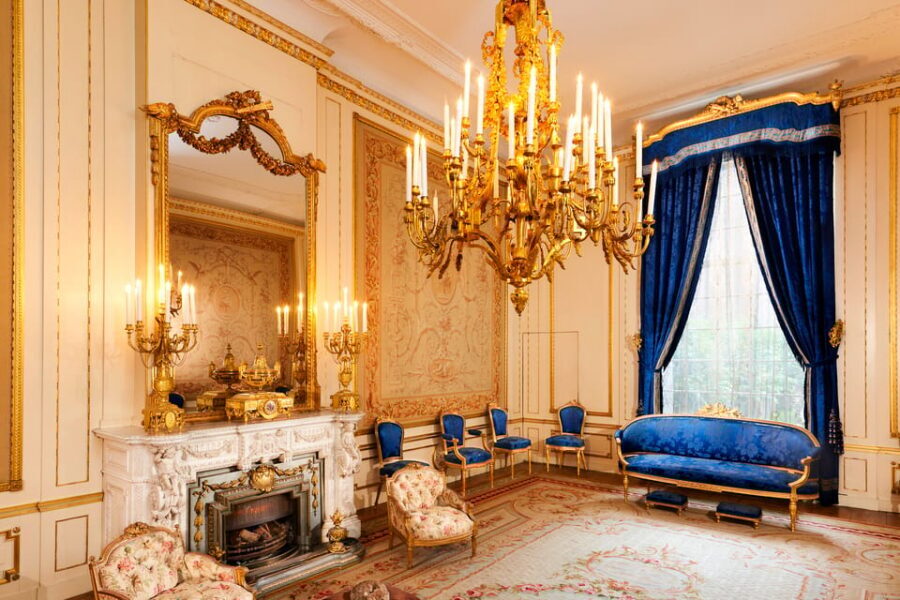
If the upper floors give you the “look at us” version of wealth, the basement gives you the “how it actually ran” part.
You’ll head down to the kitchen and pantry in the basement, and this is where the museum turns the page from decoration to daily operations. The idea isn’t to shock you with grimy hardship. It’s to show that a grand home depended on work happening out of sight.
I like this section because it stops the museum from becoming purely about style. The servants’ spaces and storage areas help you understand how food, supplies, and routine maintenance supported the more visible rooms above.
This is also the part that many people remember later, because it adds a human scale. Even if you only spend a short time there, it tends to leave a stronger impression than another portrait or another cabinet.
Audio Guide Reality: How to Hear the Story Without Getting Hijacked by Sound
Your ticket includes an audio guide in several languages: Spanish, English, Dutch, French, German, Italian, Russian. There are also staff who can greet you in Dutch and English.
Here’s the practical win: you can go at your own pace. One review highlights that you can choose which stops you want to learn more about. That flexibility is great because it stops the audio from turning into a test you have to pass.
To get the most out of it, I’d do this:
- Start listening right as you enter a key room, so your brain tags the space immediately.
- If you notice the house has a lot of competing sound, pause your audio for a moment and pick it back up when you’re back in quieter rooms.
- If you’re sensitive to noise, pay extra attention on the day of your visit. At least one review reports that a temporary installation’s audio was loud enough to make it difficult to hear the guide.
That doesn’t mean you shouldn’t go. It just means you should be aware: audio in an ornate house can bounce. You’ll enjoy it more if you manage the sound level rather than assuming it’ll always be perfectly calm.
Comfort, Practicalities, and Who This Visit Fits Best
This is a strong choice if you enjoy:
- Canal-house interiors and historic domestic architecture
- Decorative arts, especially furniture and objects shown in their intended rooms
- A self-guided museum approach where you can linger
- Seeing a full household story, including upstairs rooms and below-stairs realities
It’s also a good fit if you want a half-day to full-day activity in Amsterdam that feels more “local-life” than “big-name landmark.” One reason people recommend it is simple: unless you’re Dutch, you might not realize how extraordinary these canal houses are inside.
A drawback to note for your planning: it isn’t suitable for wheelchair users. If you need accessibility-first routing, you’ll want to choose a different museum where the layout matches your needs.
And bring your patience for a house museum vibe. This isn’t a wide-open modern exhibition center. It’s rooms in an old building, so you’ll be moving through spaces with their own flow.
Should You Book Museum Willet-Holthuysen?
Yes—if you want a hands-on look at how wealth shaped daily life inside a real Amsterdam home. The combination of a Louis XVI ballroom, the Willet collection (furniture, silver, ceramics, sculptures, paintings, photographs), and the French-style garden makes it feel more complete than many single-theme museums.
Book it with extra caution only if:
- You strongly dislike sound interference, since temporary installations can sometimes be loud enough to make audio harder to hear.
- You need wheelchair accessibility, because this museum isn’t set up for that.
If you’re the kind of traveler who enjoys details—materials, room design, and how people lived—this ticket is a smart use of an Amsterdam day. And if you’re the kind of traveler who likes to keep moving, the audio guide helps you stay in charge of your time.