REVIEW · AMSTERDAM
Amsterdam: Cultural Highlights in English/German/Italian
Book on Viator →Operated by Amsterdamliebe · Bookable on Viator
If you want Amsterdam to make sense fast, this walking route helps you do it. You’ll cover key spots around the historic core with a German (and sometimes other-language) guide who connects the dots between monuments, churches, and city legends. Two things I really like: the free admissions at every stop and the way the guide gives tailored recommendations so you know where to go next.
One thing to consider: this is on foot for about 3 to 4 kilometers, so comfortable shoes matter, and you’ll want water on hot days.
In This Review
- Key things to know before you go
- From National Monument to Dam Square: your orientation shortcut
- Beurs van Berlage: how money shaped the skyline
- Nieuwe Kerk and Multatuli’s statue: religion meets literature
- Westerkerk and the Jordaan connection: a church stop with a neighborhood payoff
- Anne Frank statue and the LGBTQ+ monuments: personal stories in public space
- Negen Straatjes (9 Little Streets): shopping tips that actually help
- Spui and the Begijnhof: finding the hidden church feel
- The guide matters: what the best versions of this tour deliver
- Price and value: why $33.88 can work out well
- Walking logistics in central Amsterdam: short on time, long on comfort
- A fair word on possible hiccups
- Who should book this tour (and who might skip it)?
- Should you book this Amsterdam cultural highlights tour?
- FAQ
- How long is the Amsterdam cultural highlights walking tour?
- What language is the tour offered in?
- Is the tour wheelchair accessible?
- How much do I need to pay for sights during the tour?
- Do you visit the red-light district or coffee shops?
- How far will we walk?
- What happens if weather is bad?
Key things to know before you go
- Small group, max 15 travelers: easier questions, less rushing
- Free entry for all listed sights: you keep your money for your actual plans
- Language focus: this specific departure is noted as German, but the tour is offered in other languages too
- No red-light district tour: you only pass it on the southern side, and there’s no coffee shop stop
- Built-in quick shopping help: guidance for the 9 Streets right after the main history stops
From National Monument to Dam Square: your orientation shortcut
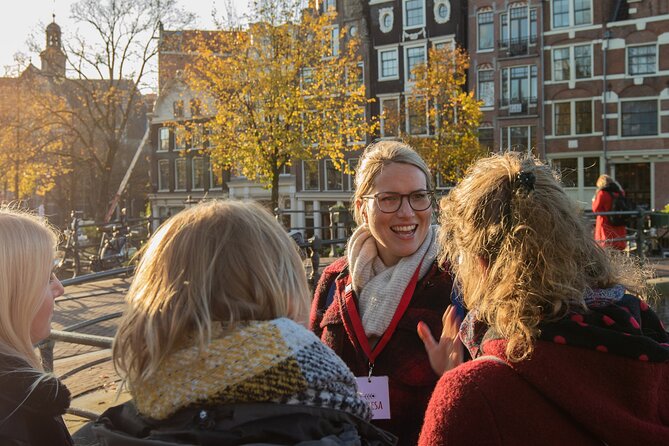
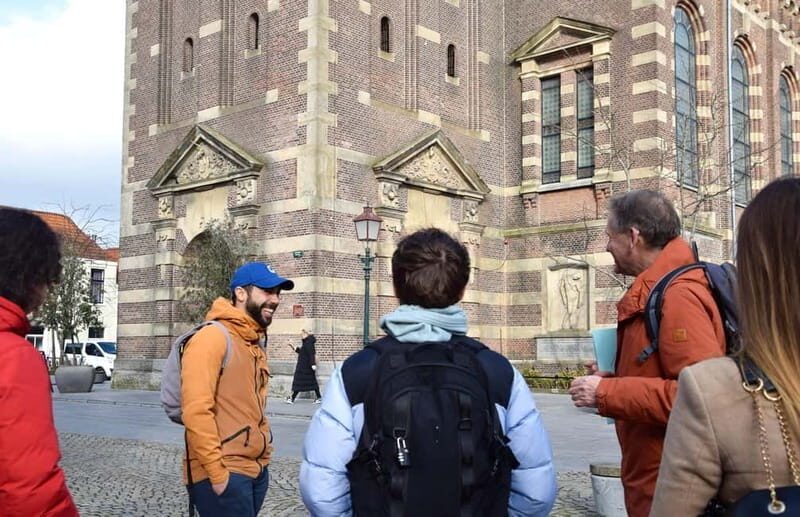
You start at the National Monument on Dam, right in the thick of the city’s “center.” It’s a smart opening because you’re standing where Amsterdam projects power, identity, and public memory. Instead of treating this as a quick photo stop, the guide sets up what you’re looking at and why it matters.
Then you head to Dam Square, where the story turns into origins and early growth. You’ll learn how Amsterdam took shape and how the old-town house and royal palace connect to the city’s shift from local importance to major status. This is a great moment for first-timers because it gives you a mental map. After that, everything you see later feels less random.
You can also read our reviews of more tours and experiences in Amsterdam.


Beurs van Berlage: how money shaped the skyline
Next comes Beurs van Berlage, an architectural landmark tied to Amsterdam’s Golden Era wealth. This stop is short, but it works because the guide focuses on what the building symbolizes: trade, prosperity, and a city that had the confidence to invest in big public projects.
Here’s the practical value: once you understand Amsterdam’s wealth-then-architecture pattern, you start noticing it everywhere. Canals, major buildings, and even what gets preserved all fit into that bigger logic. If you like history that explains present-day city layout, this is a good place to lean in.
Nieuwe Kerk and Multatuli’s statue: religion meets literature

The walk continues past the Nieuwe Kerk, which matters for Amsterdam’s development. You’re not just seeing a church exterior. You’re getting the context for why this building sits in the city’s story, and how its role connects to broader changes over time.
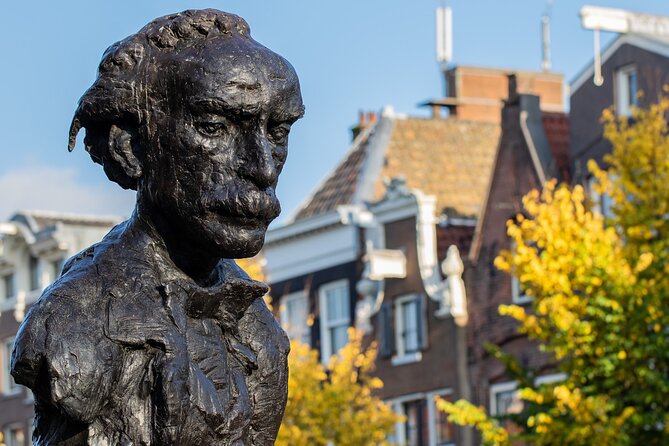
Then you reach the Statue of Multatuli, and the tour goes from “stones and buildings” to ideas and consequences. The point here is Amsterdam’s colonial era and how it ties into one of the Netherlands’ important books. It’s a reminder that this city isn’t only about art and canals. It also carries the weight of trade, policy, and the narratives that came from it.
Westerkerk and the Jordaan connection: a church stop with a neighborhood payoff

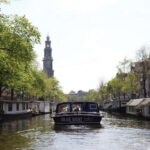
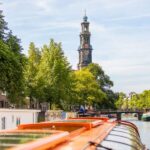
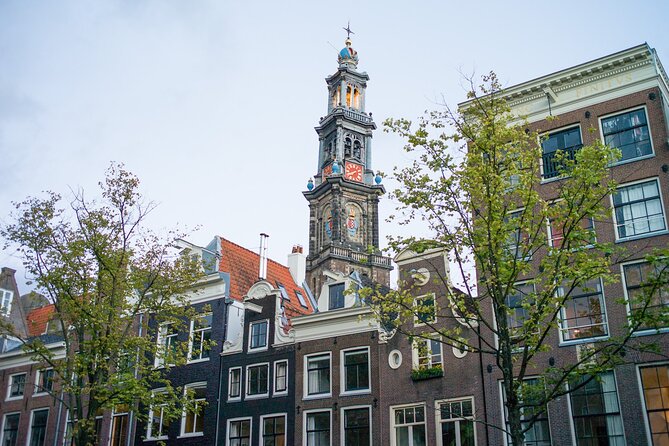
Westerkerk is the biggest church of Amsterdam, and that alone makes it worth seeing. But the real reason it’s on this route is the link to the Jordaan area. The guide helps you connect the monumental place of worship to the lived-in neighborhood feel nearby.
This is a stop where I think families and couples both enjoy the pacing. It’s quick enough not to drag, but it’s meaningful enough that you’ll remember it later when you’re walking in the Jordaan and noticing the streets and courtyards.
Anne Frank statue and the LGBTQ+ monuments: personal stories in public space
The tour includes a Statue of Anne Frank, with guidance on Jewish history in Amsterdam and how Anne Frank and her family experienced life here. You’ll get the historical frame without turning it into a museum day. It’s a reflective stop that helps you understand what the memorial stands for in the city’s ongoing memory.
After that, you visit the Gay Monument, which focuses on Amsterdam’s LGBTQ+ history. This is one of those “small stop, big context” moments. It’s not just about where the monument is—it’s about why Amsterdam became known for progressive culture and public visibility.
If you’re the kind of traveler who likes your history to show up in everyday places, these stops hit the sweet spot.


Negen Straatjes (9 Little Streets): shopping tips that actually help
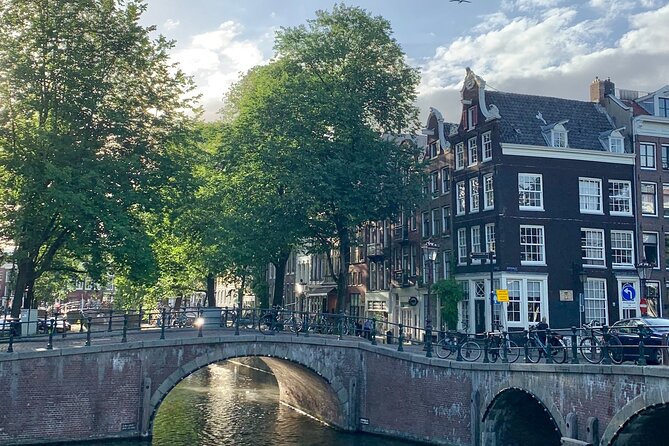
After the monuments, the tour shifts to how to enjoy the city right away. You’ll get shopping tips for the 9 Streets (Negen Straatjes). This is useful because that area can be a time sink if you wander with no plan.
The guide helps you pick the right lanes depending on what you like—so you’re not stuck doing the same “look and guess” loop. It’s also a nice transition from heavy history to real-life Amsterdam energy: small streets, shops, and just enough spontaneity to feel fun.
Spui and the Begijnhof: finding the hidden church feel
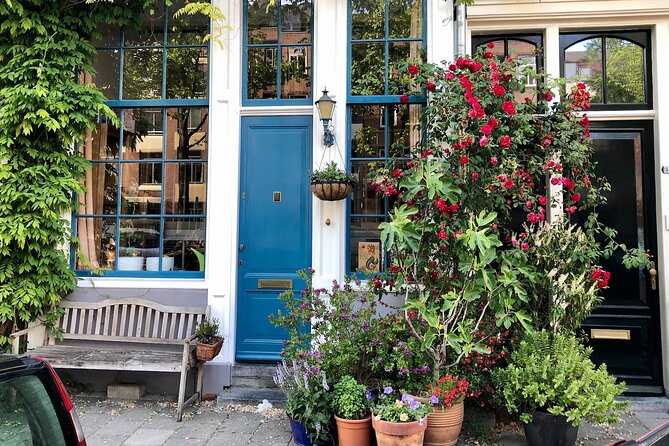
Your last stretch brings you to Spui and the historic Begijnhof. This is a great ending because it feels like stepping into a quieter world inside the city center. You’ll learn about reformation in Amsterdam and the Begijnhof’s role in that timeline.
One of the best bits here is the chance to spot the hidden church inside. You’ll get tips on what to look for and where people often miss things. And if you’re curious about more “small you-won’t-find-this-by-random” corners after the tour, the guide’s suggestions at Spui can genuinely shape the rest of your trip.
The guide matters: what the best versions of this tour deliver
This is the type of tour where the guide can make it unforgettable—or just fine. The strong versions clearly do three things well: they explain details, keep you moving, and answer questions without shutting you down.
From the experiences shared, you can see patterns with specific guides. Deborah is praised for explaining every detail and making the tour feel personal. Justin’s pace stands out too, with time taken at each stop and explanations delivered at a comfortable walking rhythm. Josh gets credit for history plus anecdotes, and for steering people toward off-the-beaten-path spots when questions came up. Stephanie is mentioned for competence and practical tips, including food-related guidance. Marina is celebrated for making Amsterdam history feel engaging and understandable. Justus is singled out for detailed, accurate background. Noeme is praised for covering not only history but also Amsterdam’s economics and for keeping attention on city details.
There’s also a small but meaningful practical note: one review mentions that bringing a dog was no problem. That suggests the group dynamic stays flexible when it needs to.
Price and value: why $33.88 can work out well
At about $33.88 per person for roughly two hours, this tour can be a good value if you’re a “see it, learn it, then use it” traveler. The big reason isn’t the price tag—it’s the structure: free entry at every stop, a walking distance that keeps you from paying for transport inside the center, and a guide who helps you turn sightseeing into a plan for the days after.
Also, you don’t need to budget for surprise tickets along the way. All sights on the route are described as free to visit, and you won’t be paying admission fees during the tour. Tips aren’t included, so if you like tipping, set aside a bit for the end.
And with an average booking window of around 46 days in advance, it’s wise to lock in early if your dates are fixed. Small group size and popular central meeting points tend to sell out.
Walking logistics in central Amsterdam: short on time, long on comfort
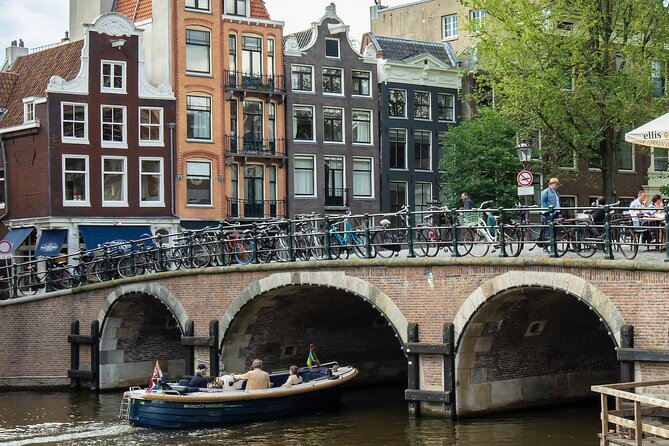
You’ll walk about 3 to 4 kilometers total. That’s not huge, but it’s also not “easy stroll” territory if you’re wearing uncomfortable shoes. I’d treat this like a proper walking day and wear something you can handle without fuss.
Bring water and a hat if it’s warm. Central Amsterdam can turn from pleasant to hot fast, and this tour is outside for the whole experience.
The tour is also described as suitable for children, which is a good sign for pacing and clarity. The route avoids a full red-light district visit. You’ll pass it on the southern side, and you’re not going inside that area. There’s also no coffee shop stop, so it’s focused on culture and city orientation rather than detours.
Finally, it’s near public transportation. So if your day changes—rain, fatigue, or a museum you decide to skip—you’re not trapped far from transit.
A fair word on possible hiccups
No walking tour is immune to surprises. Weather matters here, and the description says the experience requires good weather. If it gets canceled due to poor weather, you should be offered a different date or a full refund.
Also, one participant described a disappointment tied to an Anne Frank House visit not happening as planned. That kind of letdown can happen when you’re mixing a tour route with any separate timed visit. If you’re considering anything that needs a reservation, keep it flexible.
Who should book this tour (and who might skip it)?
Book it if you want a fast, guided route through the city center with clear story connections. It’s ideal for:
- first-time visitors who need orientation
- travelers who like walking history in manageable chunks
- people who want practical next-step recommendations for the rest of their trip
- families looking for a kid-friendly overview (the route is stated as child-suitable)
Consider skipping or swapping for something else if you’re looking for long time inside specific museums. This is a walking tour with short stop times. It’s about meaning and direction, not a deep museum session.
Should you book this Amsterdam cultural highlights tour?
I think it’s a strong pick when you want to start your trip with a map made of stories. The value is especially good because the route is set up with free sights, a small group pace, and a guide who can tailor what you do next—like where to shop in the 9 Streets and what to look for at Begijnhof.
If your dates have stable weather and you’re comfortable walking a few kilometers, this is the kind of tour that helps the rest of Amsterdam click.
FAQ
How long is the Amsterdam cultural highlights walking tour?
It runs for about 2 hours.
What language is the tour offered in?
The tour is offered in English, German, or Italian, and the provided info for this experience notes German.
Is the tour wheelchair accessible?
That’s not stated in the provided details, so I can’t confirm accessibility.
How much do I need to pay for sights during the tour?
You won’t have to pay admission fees during the tour, and all sights can be visited for free.
Do you visit the red-light district or coffee shops?
You won’t include the red-light district, and you’ll only pass it on the southern side. The coffee shop will not be visited.
How far will we walk?
It’s a walking tour of about 3 to 4 kilometers, so comfortable shoes are recommended.
What happens if weather is bad?
The experience requires good weather. If it’s canceled due to poor weather, you’ll be offered a different date or a full refund.