REVIEW · AMSTERDAM
Amsterdam: Dutch WWII Resistance Museum Entry Ticket
Book on GetYourGuide →Operated by Verzetsmuseum Amsterdam · Bookable on GetYourGuide
You will see how ordinary people resisted. At the Dutch Resistance Museum in Amsterdam, you track resistance beyond slogans, with stories, objects, photos, and an audio guide that helps you control what you hear.
Two things I really like are the museum’s focus on everyday heroes and how it turns big WWII events into personal, real-life choices. One possible drawback: this is emotionally heavy history, so go in with the right mood and plan a slower pace if you need it.
In This Review
- Key takeaways before you go
- Entering Nazi-occupied Amsterdam without losing the human scale
- How the exhibition makes resistance feel personal, not like a lecture
- What your audio guide does (and how it changes the experience)
- The occupation galleries: photos, objects, and the weight of daily life
- Stories of resistance and collaboration, plus the paperwork behind fear
- The Dutch East Indies section: how the story expands beyond Europe
- Practical visit tips for a calm, satisfying 2–3 hour plan
- Accessibility and comfort: plan for a smooth route
- Price and value: about $21 for entry plus audio
- Who this museum fits best (and who might choose differently)
- Should you book this Amsterdam WWII Resistance Museum ticket?
- FAQ
- How much is the Amsterdam Dutch WWII Resistance Museum ticket?
- How long should I plan for my visit?
- What’s included with the ticket?
- Is a guide provided?
- What languages are available on the audioguide?
- Where do I show my ticket?
- What kinds of resistance does the museum cover?
- Does the museum include the Dutch East Indies or only Europe?
- Is the museum wheelchair accessible?
Key takeaways before you go
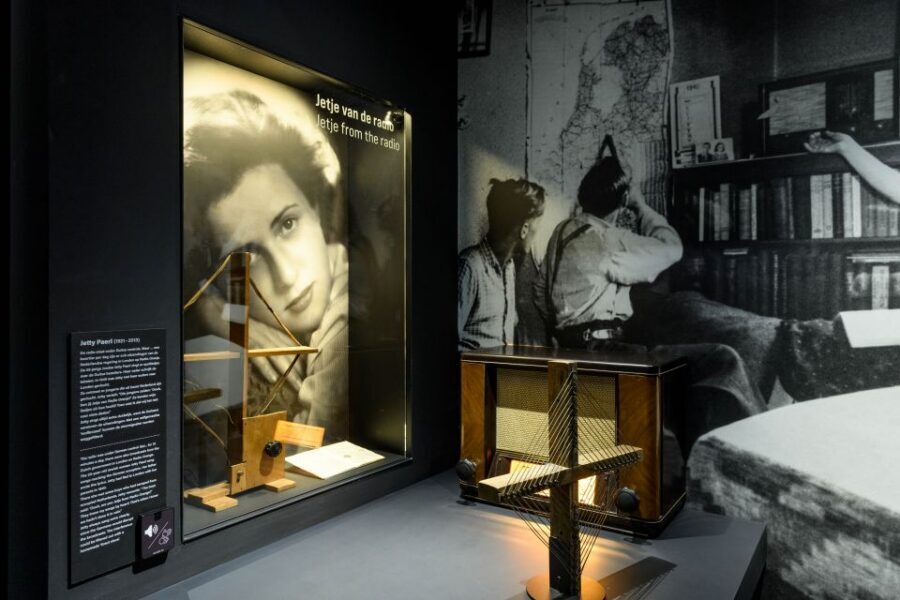
- Resistance in many forms: strikes, document forgery, helping people go into hiding, underground newspapers, escape routes, espionage, and armed resistance
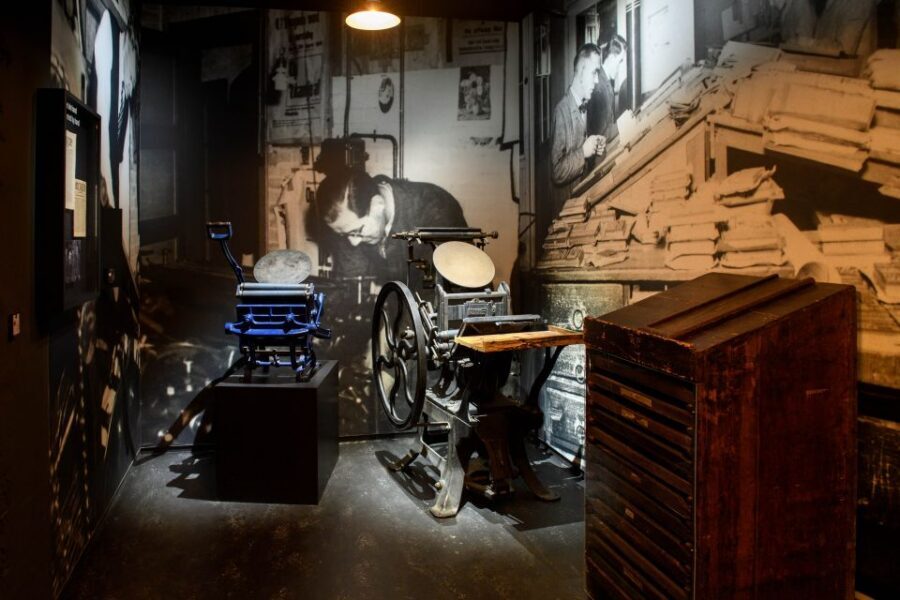
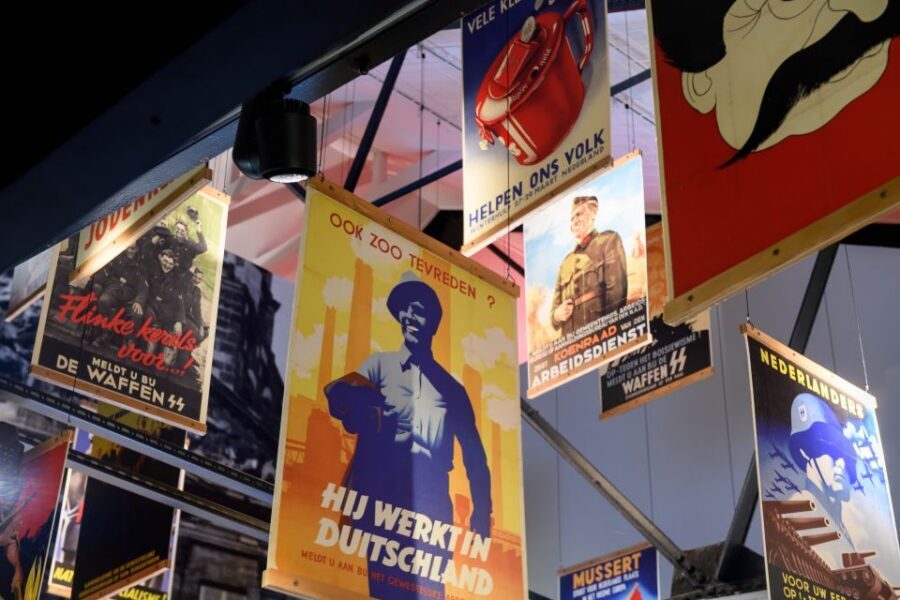
- Photo walls and period atmosphere: lots of images and wartime setting details that make the occupation feel close
- Personal documents and tough choices: dilemmas under pressure, plus stories that include both resistance and collaboration
- A Dutch East Indies section: a dedicated look at Dutch colonial life and the Japanese regime’s terror
- Audio guide you can steer: multilingual audio tied to exhibits, with device-based interaction such as scanning prompts
- A visit that takes time: plan on about 2–3 hours unless you just want the highlights
Entering Nazi-occupied Amsterdam without losing the human scale
If you think WWII history is all uniforms and dates, this museum is a reality check—in the best way. It’s built around what people in the Netherlands actually did while Nazi occupation tightened around daily life. Instead of treating resistance as a single hero story, the exhibition lays out how resistance ranged from quiet help to risky operations that could cost everything.
The first reason this museum works so well is that it doesn’t separate history into neat boxes. You feel how occupation changed routines, forced choices, and created moral pressure. The second reason I like it is the range of storytelling methods: you’ll see objects, read personal accounts, and watch short clips that connect the dots quickly.
The theme is serious, though. This is not a light museum day. If you’re tired or sensitive, you’ll still be fine—but you’ll want breathing room between rooms and to pace yourself with the audio.
A few more Amsterdam tours and experiences worth a look



How the exhibition makes resistance feel personal, not like a lecture
The museum takes a simple idea and builds on it: resistance isn’t one action. It’s a web of decisions.
You’ll move through sections showing many resistance activities, including:
- strikes and organized pushback
- forging documents
- helping people go into hiding
- underground newspapers and secret communications
- escape routes for people at risk
- espionage
- armed resistance
That variety matters because it matches how resistance actually looked on the ground. Not everyone could—or wanted to—carry out the same kind of risk. The museum shows that everyday people found ways to act within their limits: hiding someone, passing information, or creating paper trails that could redirect a fatal outcome.
One of the most moving parts is the emphasis on everyday heroes. Not all heroism is loud. Sometimes it’s paperwork, timing, and courage in small moments that only make sense once you understand the occupation context.
What your audio guide does (and how it changes the experience)
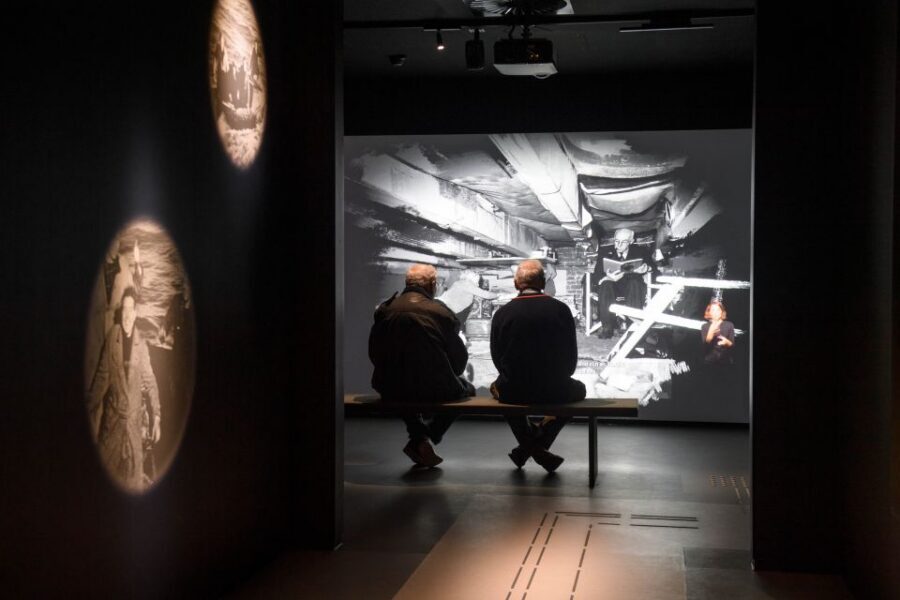
This ticket includes an audioguide, and that makes a big difference. You’re not stuck with one slow, rigid narrative. The audio is available in several languages, including English (along with Dutch, French, German, Italian, Spanish, and Portuguese).
In practice, the museum uses an interactive audio approach tied to exhibits. Many visitors use handheld audio devices and scan prompts at displays to choose what to listen to. It’s a smart setup because you can:
- focus on the stories that catch your attention
- replay a segment if you missed a detail
- spend more time where the subject hits hardest
I also like that the audio approach helps when your pace isn’t the same as the crowd. Want to read the visuals first and then listen? Fine. Want the audio right away? Also fine.
If you prefer privacy and comfort, bring along your own earphones to keep the experience consistent. The museum’s system does the heavy lifting, but your personal listening setup can help you stay focused.
The occupation galleries: photos, objects, and the weight of daily life
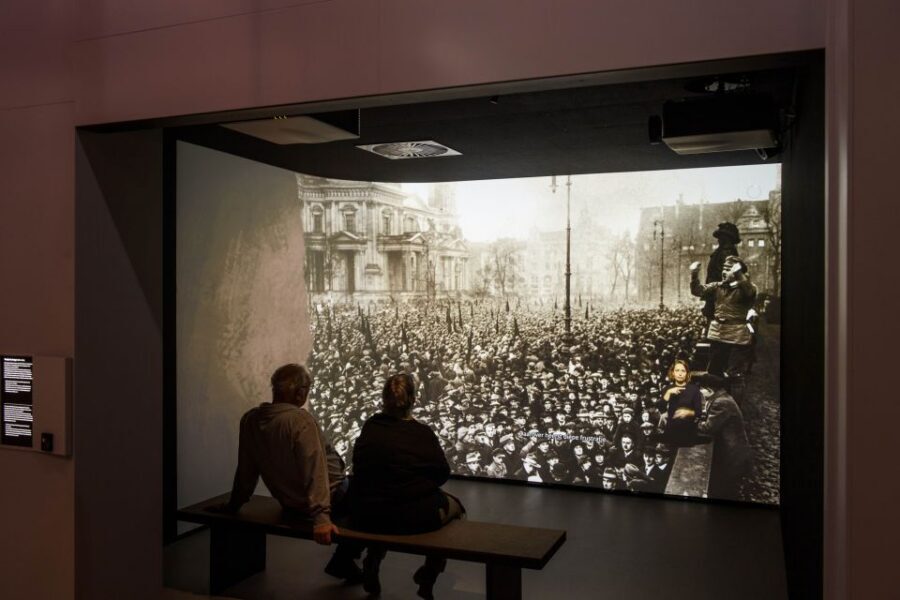
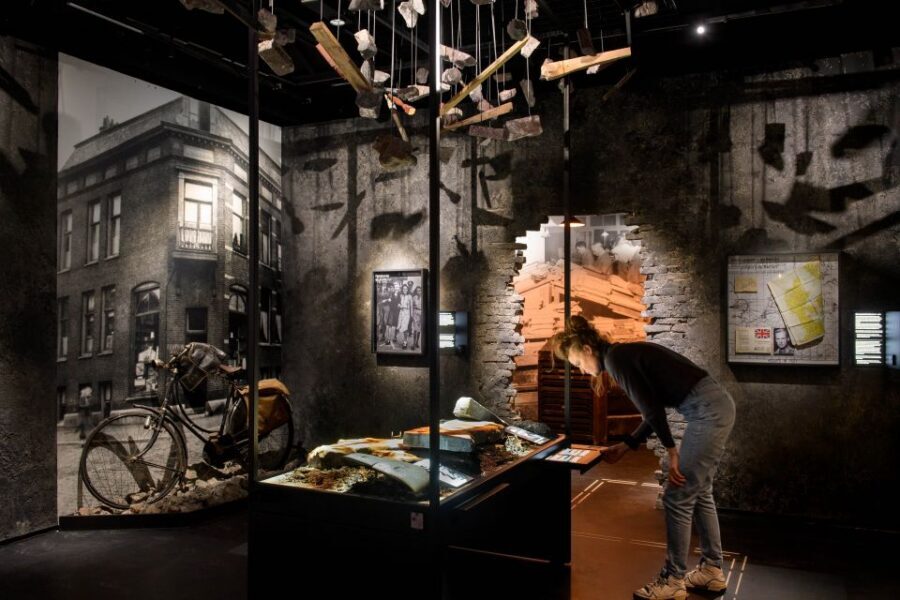
As you walk through the museum, it feels like the building is tuned to the WWII years in the Netherlands. You’ll encounter walls of photos and wartime visual material designed to create atmosphere, not just decoration.
What you should look for:
- displays that connect specific resistance actions to real people and real consequences
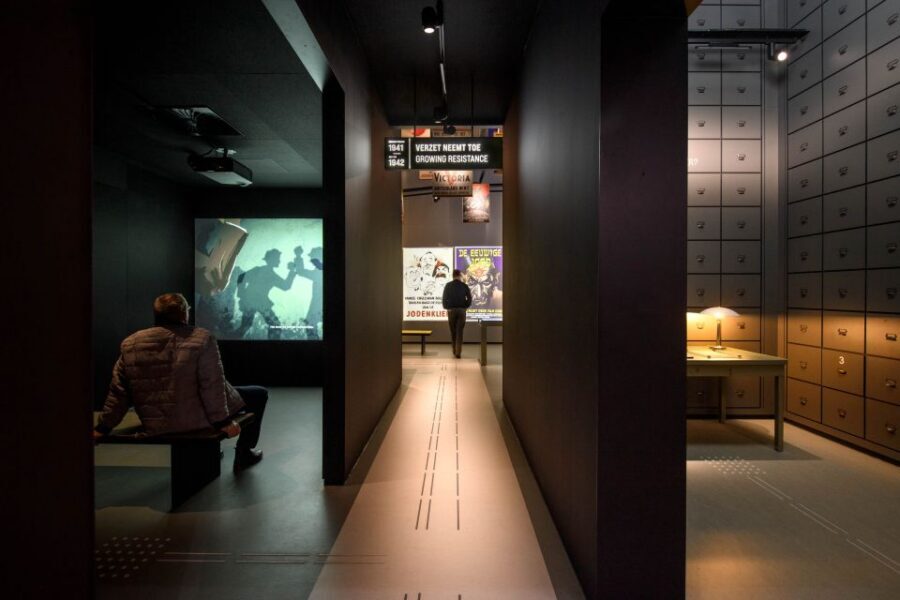
- exhibit layouts that encourage you to pause and absorb the context
- interactive elements tied to story stations, so you can choose your next step without feeling lost
A detail I found especially important is the way the museum doesn’t treat occupation as one long block of suffering. Instead, it shows how pressures accumulated: tightening control, fear spreading through communities, and how the act of surviving often required constant judgment calls.
Stories of resistance and collaboration, plus the paperwork behind fear
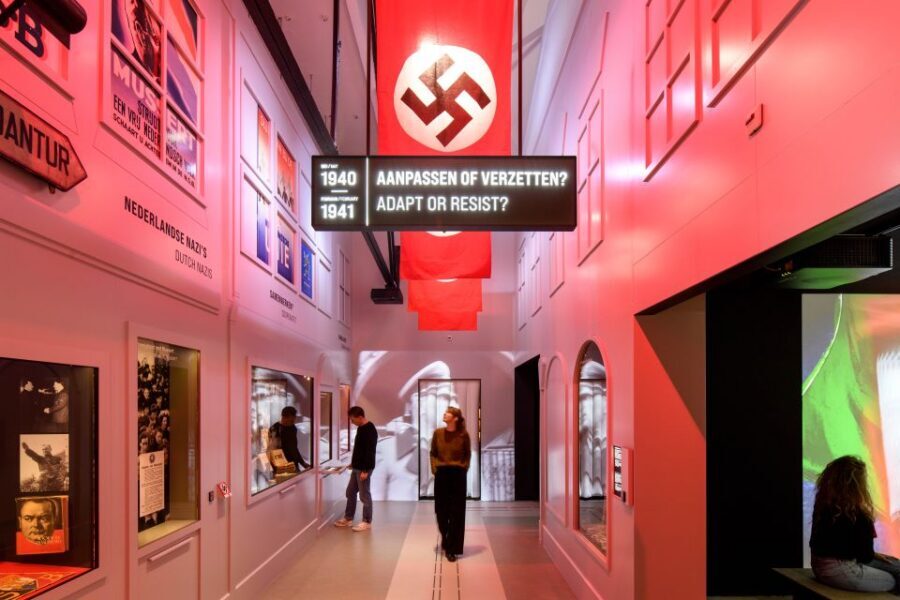
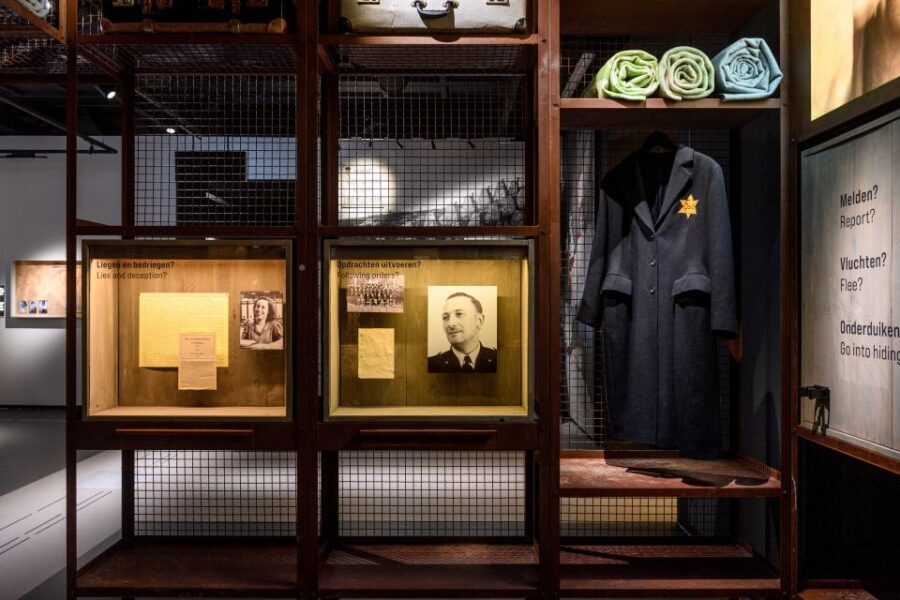
The museum’s most thought-provoking area is where it leans into dilemmas. You’ll see accounts involving people confronted with impossible decisions—choices where any option could bring danger.
You’ll also encounter how occupation affected collaboration. That’s not a side topic. It’s part of the moral landscape the museum asks you to face: not everyone responded the same way, and the reasons were complicated.
Pay attention to personal documents and written materials throughout the exhibits. They do two jobs at once:
- they humanize the story so it doesn’t feel abstract
- they show how quickly a person’s life could be shaped—or destroyed—by the occupation system
This is also where the museum’s emotional impact can hit hardest. The danger isn’t only physical. It’s the constant pressure of what might happen to someone when someone else talks, copies, reports, or refuses.
You can also read our reviews of more museum experiences in Amsterdam





The Dutch East Indies section: how the story expands beyond Europe
One section you’ll want to budget real attention for is the dedicated look at Dutch colonial history in the Dutch East Indies. The museum doesn’t stop at Europe-only WWII.
Here, you’ll find harrowing material about people’s experiences under the Japanese regime of terror. It’s a different setting, different forces, and different experiences—but it connects to the same underlying theme: occupation, power, and survival under brutality.
If you came for Amsterdam WWII resistance, this chapter can feel like an unexpected extension. But it works because it broadens your sense of what WWII meant for the Dutch world. It also helps you understand why resistance and suffering were not isolated to one geography.
Practical visit tips for a calm, satisfying 2–3 hour plan
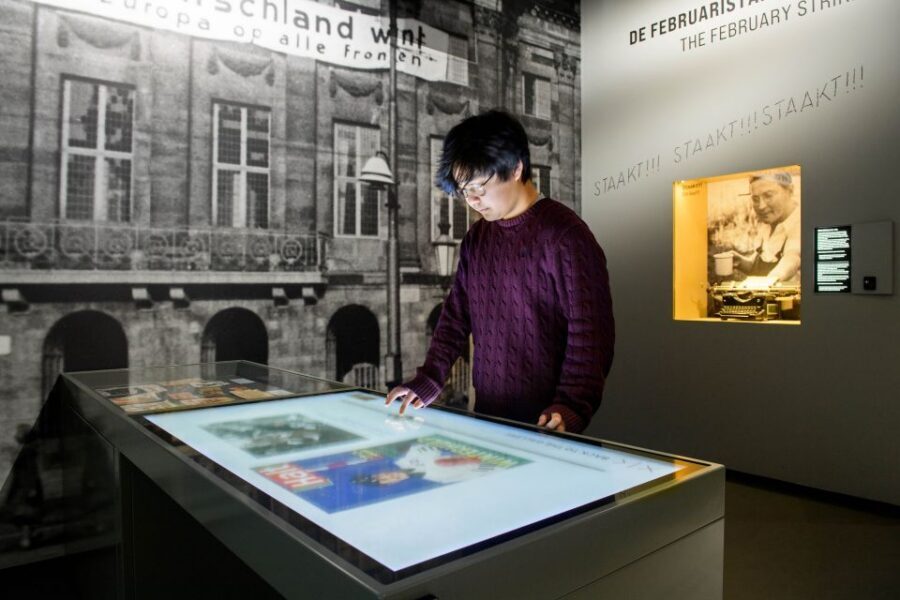
This is not a “blink and move on” museum. Even if you’re a fast reader, you’ll likely want time for audio stations.
Here’s a practical pacing approach that works well:
- Start with the big overview rooms so you get the timeline and the main categories of resistance.
- Then move room to room listening to the story sections that match your interests—like forging documents, hiding people, or underground media.
- If you feel overwhelmed, use the audio device to control what you focus on next. Short audio segments can help you avoid information overload.
- Pause often. The museum uses visual density for a reason. You’ll absorb more if you don’t rush.
If you rely on seating or need more rest breaks, plan for that. The museum’s design is interactive and story-based, and taking a moment can make the experience more comfortable without you feeling like you’re missing anything.
Accessibility and comfort: plan for a smooth route
The museum is wheelchair accessible, and that matters for a place built around movement between rooms and exhibit stations.
From an experience standpoint, the audio guide is a helpful support for many visitors. It means you’re not forced to rely only on reading labels to understand the story. Visuals plus audio makes it easier to keep going at your pace.
If you use a mobility aid, it’s smart to arrive with enough time to get settled before you start listening. Once you begin the audio stations, you’ll likely want to keep a steady rhythm.
Price and value: about $21 for entry plus audio
At around $21 per person, the value is strong because your ticket includes entry and the audio guide. You’re paying for a guided-style experience without needing a live group guide.
If you’re comparing to museums where you pay extra for audio, this package feels fair. And the audio isn’t just background sound—it’s tied to exhibits in a way that encourages you to choose what you listen to and how much you want.
Also, the museum’s scale is perfect for a single half-day. You don’t have to commit to a full day in an endless building. Plan a solid 2–3 hours, and you’ll still leave with enough energy to do something else in Amsterdam.
Who this museum fits best (and who might choose differently)
This museum fits you if:
- you want a clear picture of Dutch resistance during Nazi occupation
- you like museums that teach through real stories and artifacts
- you’re okay with heavy themes and want context, not just shock
You might choose differently if:
- you’re looking for a casual, upbeat history stop
- you need something light and entertaining today
- you only have a tight time window and won’t use the audio guide at all
Should you book this Amsterdam WWII Resistance Museum ticket?
Yes, if you want WWII history that stays human. This is one of those places where the cost feels justified by the way the experience is structured: entry plus a multilingual audio guide, lots of story stations, and sections that cover both resistance in the Netherlands and the Dutch East Indies under Japanese terror.
Book it if you can give it real focus time. If you only have an hour, you’ll likely feel rushed. If you can manage 2–3 hours, you’ll come away with a sharper sense of how occupation shaped choices—and how people pushed back in practical, sometimes quiet ways.
FAQ
How much is the Amsterdam Dutch WWII Resistance Museum ticket?
The price is listed as $21 per person.
How long should I plan for my visit?
Plan for about 1 day, and in practice you’ll likely want around 2–3 hours to cover the exhibits comfortably.
What’s included with the ticket?
Your ticket includes entry and an audioguide.
Is a guide provided?
No, a guide is not included. You’ll rely on the audioguide.
What languages are available on the audioguide?
The audioguide is available in Dutch, English, French, German, Italian, Spanish, and Portuguese.
Where do I show my ticket?
Show your ticket(s) at the museum counter.
What kinds of resistance does the museum cover?
It covers resistance such as strikes, forging documents, helping people go into hiding, underground newspapers, escape routes, armed resistance, and espionage.
Does the museum include the Dutch East Indies or only Europe?
There is a dedicated section for the Dutch East Indies, including experiences under the Japanese regime of terror.
Is the museum wheelchair accessible?
Yes, the museum is wheelchair accessible.