REVIEW · AMSTERDAM
Amsterdam Essentials: From Swamps to Riches
Book on GetYourGuide →Operated by Amsterdam Guides Collective · Bookable on GetYourGuide
Start at a bronze statue, meet Amsterdam’s full story. This 2-hour essentials walk connects medieval holiness to modern canal-side freedom, and I especially love how the Begijnhof cloister stop gives you instant quiet in the middle of the streets. I also like the small group feel and fast, friendly explanations that make the city click as you walk. The only drawback: you cover a lot in two hours, so you’ll likely want to come back to linger later.
You’ll meet at the little bronze figure Het Lieverdje on Spui square, then glide through key landmarks and the canal-world around the Grachtengordel. The route brings in the royal atmosphere near the Royal Palace, the wealth-and-power story told through canals, and the sobering wartime chapter that lands at the National Monument on Dam Square. Along the way, guides such as Jussi, Sebastian, Wendy, and Stan are praised for making details feel personal, with jokes and clear answers that help you explore smarter afterward.
At $29 per person, this isn’t a long museum day. It’s more like a high-quality “Amsterdam orientation” that gives you context for what you’re seeing next—plus practical pointers for Dutch snacks and where the city works best on a bike.
In This Review
- Key highlights you’ll feel from the first 20 minutes
- Spui to Dam Square: how the route turns sights into meaning
- Het Lieverdje at Spui: the perfect “small start” for a big city
- The Royal Palace stop: power, pageantry, and what it signals
- Begijnhof: the courtyard you’ll want to slow down for
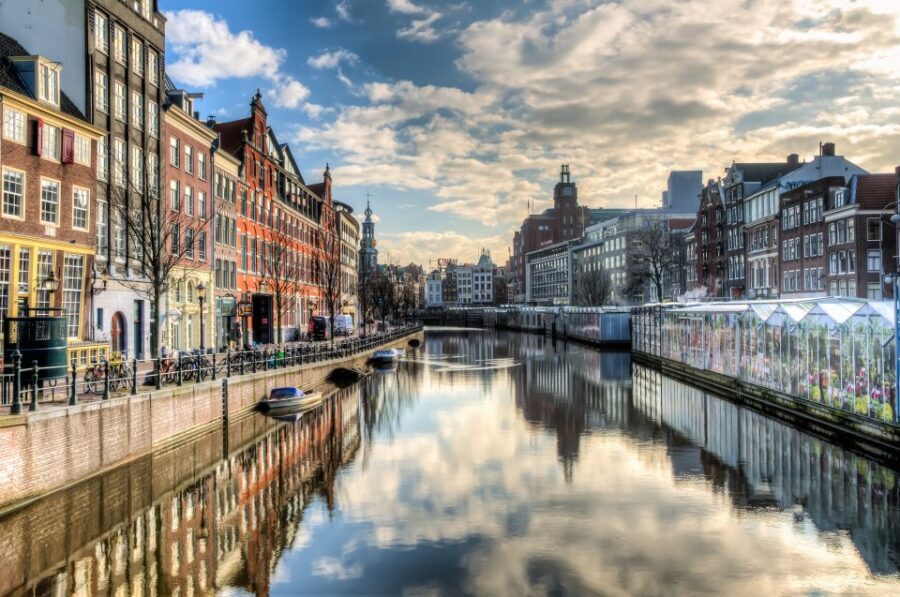
- Grachtengordel: canals as a timeline (not just scenery)
- Architecture as a “constant change” record
- Amstel River to Dam Square: when the tone gets serious
- What you’ll do differently after the tour
- You’ll know what to notice next
- You’ll get sharper food and snack ideas
- You’ll explore on a smarter map
- You’ll ask better questions later
- Price and value: why $29 can be a smart buy
- Small group feel: what it changes on the street
- Who this walk is best for
- Should you book Amsterdam Essentials: From Swamps to Riches?
- FAQ
- Where does the tour start?
- How long is the walking tour?
- How much does it cost?
- What group size should I expect?
- What languages are offered?
- Where does the tour finish?
- What are the main areas and landmarks covered?
- What kind of guidance and recommendations do I get?
- Can I cancel for a full refund?
- Can I book without paying today?
- Is there a guided tour, or is it self-guided?
Key highlights you’ll feel from the first 20 minutes
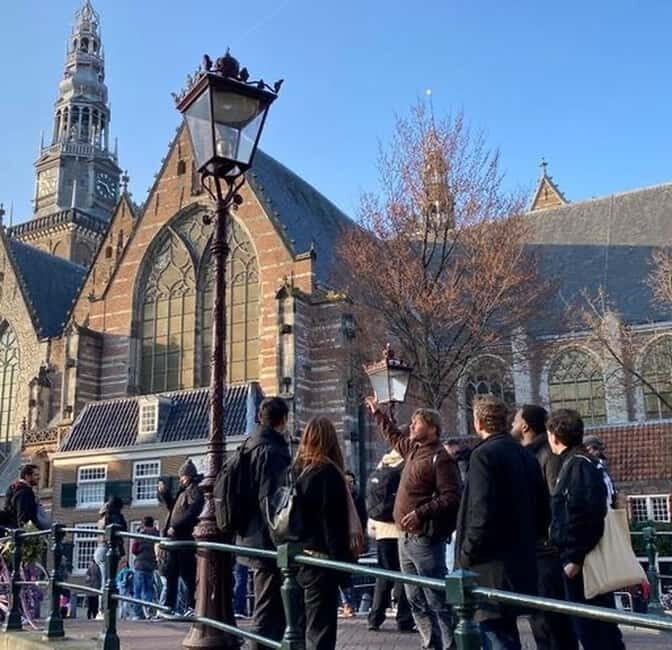
- Het Lieverdje at Spui: a clever, low-key start that puts the story in motion right away.
- Begijnhof courtyard time-out: a calm cloister you can easily miss on your own.
- Grachtengordel storytelling: canals and buildings explained as part of one long change-over-time.
- Royal Palace contrast: you get power and pageantry early, then shift into everyday Amsterdam.
- Amstel River finish at Dam Square: history that changes tone, ending at the National Monument.
- Local recommendations that stick: you’ll leave with ideas for snacks and neighborhoods, not just facts.
Spui to Dam Square: how the route turns sights into meaning
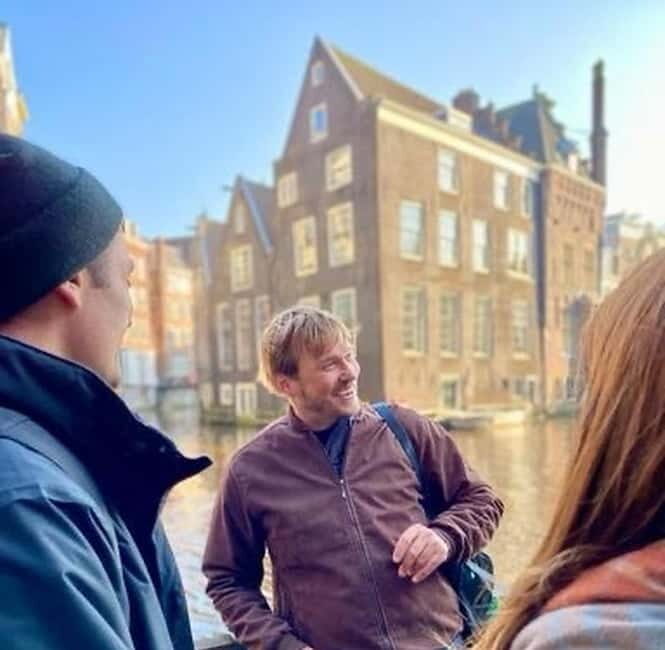
Amsterdam is easy to admire and hard to understand. This walk helps with both. You’re not just ticking off famous stops—you’re learning how different eras shaped the city’s layout, mood, and even how people use the streets today.
The pacing matters. It’s two hours, built for walking at a conversational speed with room for questions. With a group limit of 10, you’re more likely to get specific answers (like what area fits your interests, or how to interpret what you’re looking at) instead of being lost in a large crowd.
You start in the lively center at Spui, at Het Lieverdje, a small bronze presence in a big city-thought square. From there, the tour builds momentum: you move from civic life into monuments, then into the canal belt, then out toward the Amstel River and finally the emotional center at Dam Square.
The result is a walk that feels like a guided tour and a practical briefing at the same time. You learn what to notice next, so your remaining time in Amsterdam feels less like wandering and more like exploring on purpose.
You can also read our reviews of more tours and experiences in Amsterdam.



Het Lieverdje at Spui: the perfect “small start” for a big city
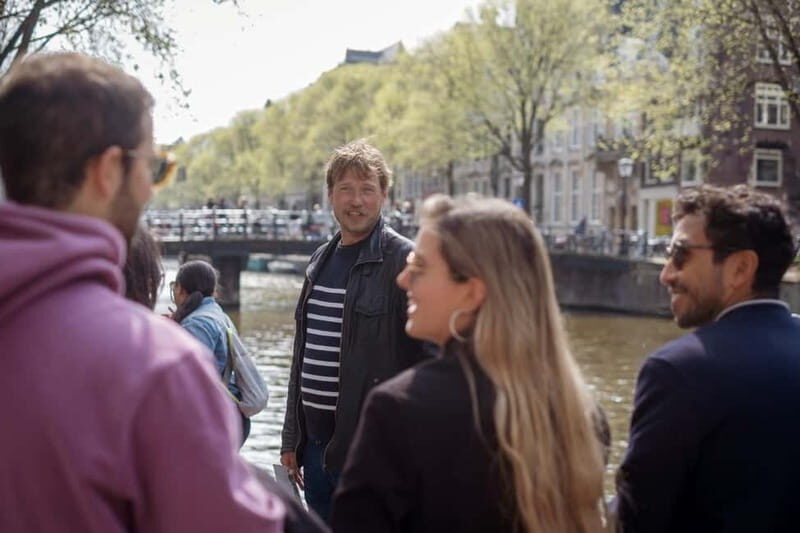
Meeting at Het Lieverdje is a neat trick. Spui is one of those places where you can see the city’s energy right away—people moving, streets converging, and lots going on. Starting with a small bronze statue makes you pay attention instead of just scrolling past famous buildings.
This is also a good place to adjust your mental map. Early on, you get the story thread: Amsterdam went from a city with strong medieval religious influence to a modern capital known for free-spirited habits. That transformation isn’t delivered as a lecture; it’s grounded in what you pass on the street.
If you’re the kind of traveler who likes context, this start works because it’s neutral and practical. You’re not stuck in one “pretty postcard” spot. You’re in the real movement of the center, setting you up to understand the rest of the walk.
The Royal Palace stop: power, pageantry, and what it signals
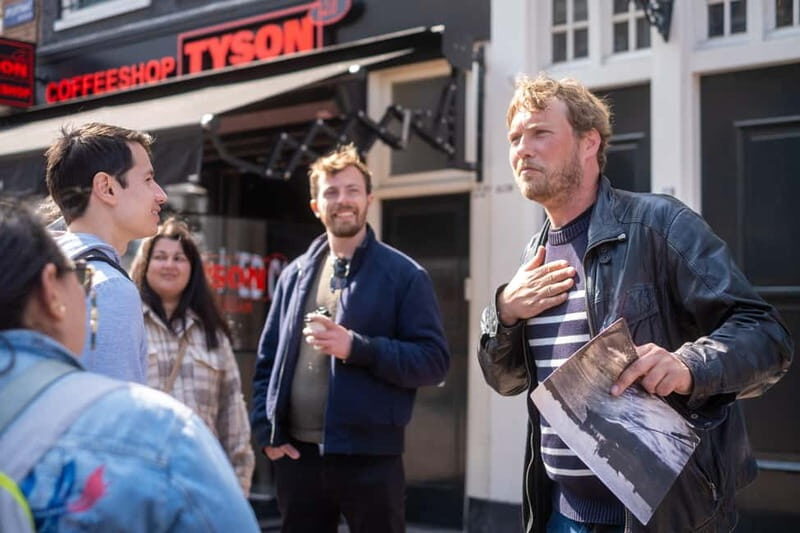
Not every Amsterdam story starts with canals. The tour briefly touches the area around the Royal Palace, giving you the feeling of state power and official presence.
Why that matters: Amsterdam’s canal-ring wealth didn’t happen in a vacuum. You’re seeing a pattern—how the city built status, prestige, and influence alongside commerce. Even if you don’t go inside (the tour segment is guided and time-limited), you get a better sense of what the buildings are communicating.
This is one of those stops where a guide’s explanations do a lot of work. You learn how architecture and street location reflect authority, not just beauty. Then the tour shifts back toward the human scale of everyday Amsterdam.
Begijnhof: the courtyard you’ll want to slow down for
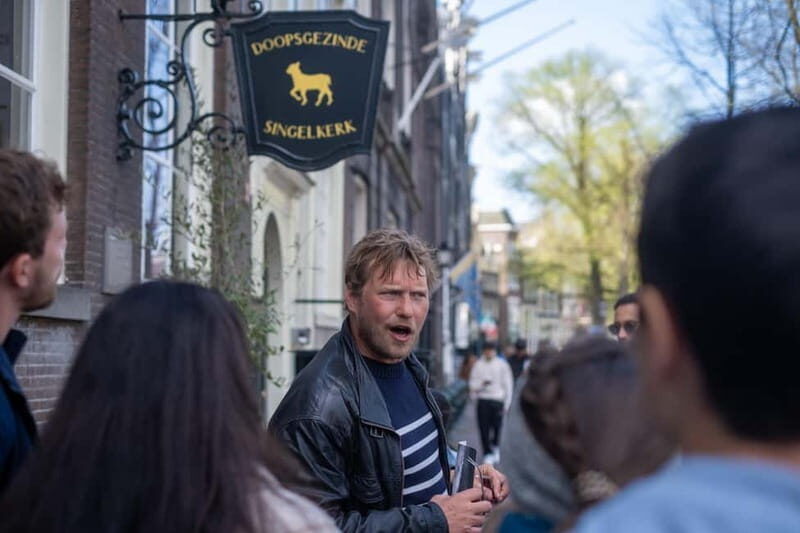
One of the most memorable parts of the walk is the Begijnhof, a cloistered courtyard that’s easy to miss if you’re only watching for big landmarks. The moment you step inside, the noise drops. You go from street-level life into a quiet pocket that feels separated from the city’s urgency.
This stop is valuable because it shows another side of Amsterdam’s transformation. The story isn’t only about money and modern freedom. It also includes the calmer, tucked-away spaces where older community life continued—quietly shaping the city’s character even as everything else changed around it.
You’ll also get a sense of how Amsterdam hides meaning in plain sight. On your own, you might walk right past the entrance or assume it’s just a pretty courtyard. On this walk, you understand what it represents and why it matters.
Grachtengordel: canals as a timeline (not just scenery)
The longest guided segment is the heart of the canal story: the Grachtengordel area. This is where the walk shifts from “where are we?” to “what am I actually looking at?”
You’ll hear how medieval street traces can still be felt, how the Golden Age brought wealth and ambition, and how darker years—especially World War II—left marks on the city. The guide helps you read architecture as evidence of change: different materials, street patterns, and building styles become clues to when and why people built what they did.
Here’s the practical payoff: once you learn to treat canals and buildings like a timeline, your self-guided sightseeing stops feeling random. You start spotting patterns. You connect what you see to a broader story, which makes the city more satisfying even if the weather turns.
Also, this part of the walk sets you up for biking decisions later. You’ll get hints about where the city works best by bike—helpful if you plan to rent and roam.





Architecture as a “constant change” record
A big theme of the tour is the idea of constant change. Amsterdam doesn’t freeze in time; it keeps rewriting itself.
You’ll get pointed instructions on what to notice:
- how public squares feel different depending on their history
- how quieter courtyards can be part of the same city fabric
- how the same street can tell you multiple stories depending on where you stand
This matters because Amsterdam is visually busy. You can end up seeing “pretty canals and leaning buildings” without understanding what shaped them. The guide turns your attention into a skill, so you’re not just collecting images—you’re collecting understanding.
In particular, you’ll get context for why some spots feel solemn and others feel playful, and how those moods are tied to real historical moments.
Amstel River to Dam Square: when the tone gets serious
The walk ends by the Amstel River, the waterway that helped give Amsterdam its name. Even just standing near the water, the city’s logic becomes clearer: canals aren’t decorations. They’re part of how Amsterdam moves, trades, and organizes itself.
Then you head to Dam Square and the National Monument, a solemn memorial for lives lost in war. This is where the tour’s emotional weight shows up. The shift from canals and architecture into remembrance is not accidental—it gives the city a fuller shape, not only the fun parts.
If you want Amsterdam to feel honest, this ending helps. It reminds you that the city’s freedom and creativity grew out of complex history, including pain that still deserves attention.
What you’ll do differently after the tour
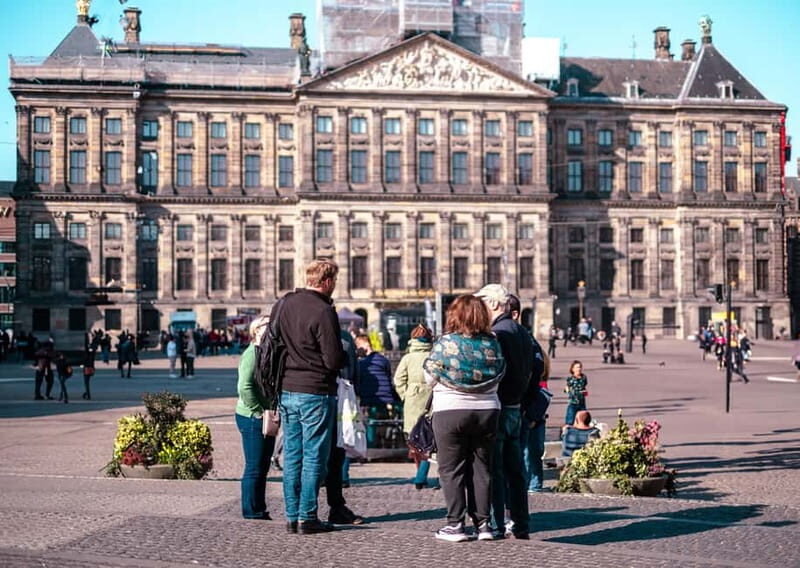
This type of walking tour is at its best when it changes how you spend the rest of your trip. Here’s what you’re likely to carry with you:
You’ll know what to notice next
After learning to read the city as eras stacked on eras, you’ll find yourself looking at buildings with purpose. That’s how a short guided walk creates a longer “aha” effect once you’re on your own.
You’ll get sharper food and snack ideas
You’re not just told where to go—you’re pointed toward what to try. One guide-referenced highlight is getting introduced to a stroopwafel, which is the kind of small local treat that tastes better when you understand the context and the tradition.
You’ll explore on a smarter map
You’ll get district pointers and guidance for biking areas. Even if you don’t bike, the advice helps you understand the city’s flow—where streets feel natural to move through and where they feel more like a maze.
You’ll ask better questions later
The guides who lead this tour—often praised for friendliness and humor—create a comfortable environment for curiosity. That makes your next museum stop, canal cruise, or neighborhood walk easier to enjoy.
Price and value: why $29 can be a smart buy
At $29 per person for two hours, you’re paying for time with a guide who can connect multiple eras into one walk. You’re not paying for a day-long ticket system, timed entry, or long indoor segments.
The value shows up in three ways:
- You save mental effort. Amsterdam’s history is layered. A good guide hands you a structure so you don’t have to build it from scratch.
- You get practical recommendations. Dutch snack ideas and district tips are the kind of “small info” that improves a trip a lot.
- You get a human experience. With a small group cap of 10, your attention stays on the guide and the route, not on squeezing through crowds.
If you’re visiting Amsterdam for the first time, this tour works like a foundation. If you’re returning, it can feel like a way to reset your understanding and spot details you missed.
Small group feel: what it changes on the street
A small group isn’t a luxury detail here—it affects how the tour plays out. With up to 10 people, the guide can react to questions, check your interests, and adjust the way stories are explained.
You’ll likely notice a conversational tone. Many named guides tied to this experience—Jussi, Sebastian, Wendy, Stan, and Wendelin—are described as engaging storytellers who keep the pace light even when the subject turns serious. That balance is important: Amsterdam’s history has big highs and heavy lows, and you want a guide who can switch gears without making it feel like a textbook.
Who this walk is best for
This is a strong fit if you:
- want an easy starting point for your Amsterdam stay
- like history explained through streets and buildings, not only museum rooms
- appreciate a mix of solemn moments and playful city quirks
- want practical recommendations (snacks, neighborhoods, biking ideas)
- prefer a guided approach but still want freedom afterward
It’s also a nice choice for a couple, friends, or a parent with a teen who can handle a walking pace. The tour is short enough to work even if you don’t want a full-day commitment.
If you hate walking or need long stops, this may feel fast. The structure is designed to cover key areas efficiently.
Should you book Amsterdam Essentials: From Swamps to Riches?
Yes—if you want a smart, story-driven orientation to Amsterdam in just two hours. I’d especially recommend it as one of your first walks, because the historical context makes later sights click. The combination of Spui → Royal Palace area → Begijnhof → Grachtengordel → Amstel → Dam Square gives you a balanced overview: old sanctity, canal wealth, wartime gravity, and modern-day quirks.
If you’re the kind of visitor who likes facts but also needs humor and clear explanations to keep attention, you’ll likely enjoy the guide style tied to this tour. And with a small group size, you’re more likely to get the recommendations you actually need for your next meal, your next neighborhood, and your next route.
FAQ
Where does the tour start?
You meet at the statue called Het Lieverdje at Spui square.
How long is the walking tour?
The tour duration is 2 hours.
How much does it cost?
The price is listed as $29 per person.
What group size should I expect?
The tour is limited to a small group of up to 10 participants.
What languages are offered?
The live tour guide leads in English and German.
Where does the tour finish?
The walk finishes at the National Monument on Dam Square, with the route ending near the Amstel River.
What are the main areas and landmarks covered?
You’ll see highlights including the Royal Palace area, the Grachtengordel canal belt, the Begijnhof courtyard, and you end at the National Monument on Dam Square.
What kind of guidance and recommendations do I get?
You’ll get insights into Amsterdam’s history, culture, and architecture, plus recommendations for Dutch delicacies and districts to explore.
Can I cancel for a full refund?
Yes. Free cancellation is available up to 24 hours in advance for a full refund.
Can I book without paying today?
Yes. You can reserve now and pay later to keep your plans flexible.
Is there a guided tour, or is it self-guided?
This is a live guided walking tour with a tour guide on-site.