REVIEW · AMSTERDAM
Amsterdam: Fabrique des Lumières Dutch Masters Ticket
Book on GetYourGuide →Operated by Fabrique des Lumières · Bookable on GetYourGuide
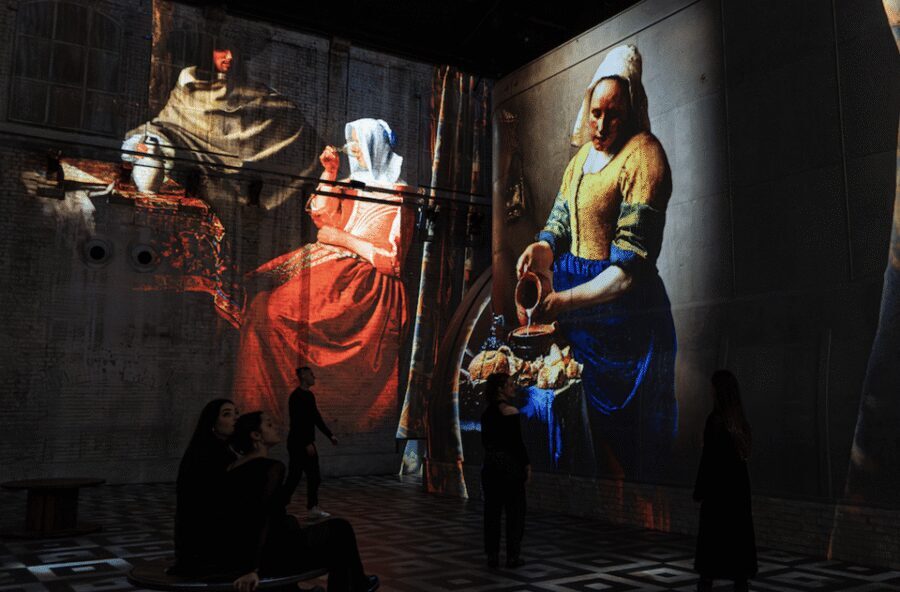
There’s something oddly moving about watching paintings breathe. At Amsterdam’s Fabrique des Lumières, Dutch Masters like Vermeer, van Gogh, Rembrandt, and Mondriaan play out in massive digital light projections synchronized with music. It’s not a museum crawl. It’s a timed show inside a converted Westergas Park warehouse.
I especially love the scale: 3,800m² of projections across walls that can rise to 17 meters. I also like how the program connects famous works to everyday scenes, so you don’t just see the art—you feel the story behind it. For a one-day visit, it’s a strong use of time.
One consideration: the session is strict. The show is presented only once and starts exactly at your booked time, so being a few minutes late can throw off your whole experience. Also, based on guest comments, you may spend a chunk of time seated on the floor in a space that can feel cold.
In This Review
- Key highlights worth planning for
- Fabrique des Lumières in Westergas Park: what you’re walking into
- Your timed ticket: how the Dutch Masters show really works
- Inside the halls: Vermeer to Rembrandt in light and sound
- The Mondriaan follow-up: neoplasticism comes after the main show
- Locker use, no bags, and how to stay comfortable
- Price and value: why $21 can still feel like a win
- Best for you if you like art with tech (and can handle rules)
- Should you book the Amsterdam Dutch Masters ticket?
Key highlights worth planning for
- First-and-last-daytime showings only: limited slots, so pick your time carefully
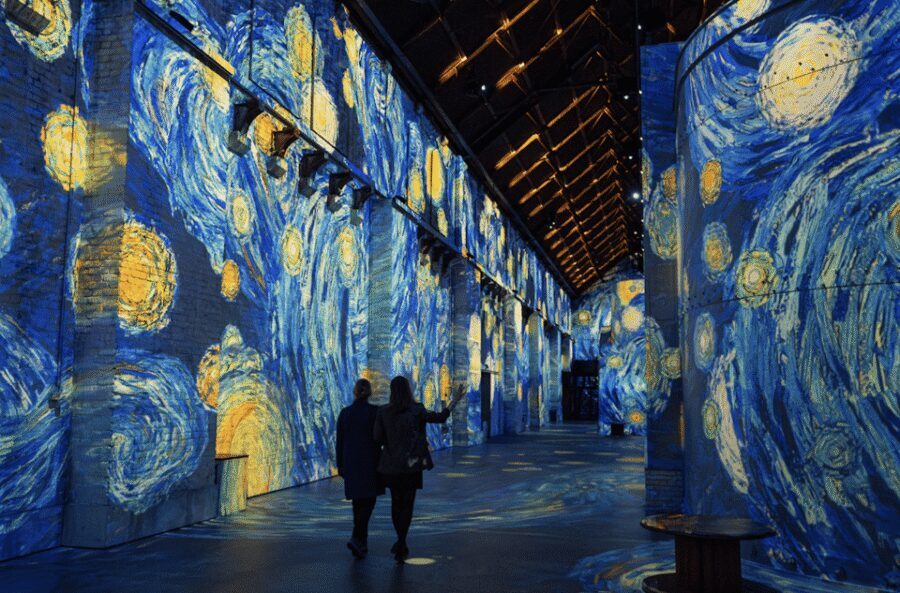
- 17-meter-tall industrial walls: the architecture makes the projections feel bigger than life
- 3,800m² projection surface: you see the art across a wide field, not just on screens
- Music is part of the artwork: the soundtrack is synchronized to the visuals
- A short Mondriaan follow-up: the program continues with his shift toward neoplasticism
- You must be on time: the show runs once per slot and closes afterward
Fabrique des Lumières in Westergas Park: what you’re walking into
Fabrique des Lumières sits in Westergas Park in Amsterdam, in North Holland. The setting is a big industrial space with very tall walls, which is exactly what makes this experience work. Digital art can look flat in a normal room, but here the building itself becomes part of the show.
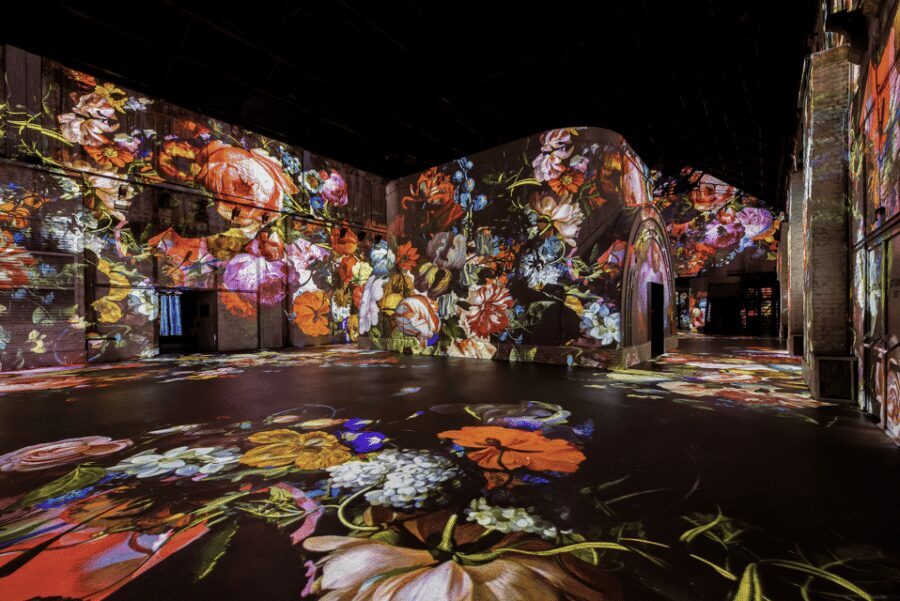
Think of it as a gallery that uses light instead of frames. The walls can reach up to 17 meters, and the projections spread over about 3,800m² of space. That scale matters because Dutch Masters paintings were meant to command your attention, not get swallowed by a small venue.
If you’re curious about art but tired of standing in front of paintings under museum lighting, this is a different rhythm. You move through rooms as the visuals change, and the sound design keeps you anchored to what’s happening next. It’s a visual-and-audio experience more than a traditional viewing.
A few more Amsterdam tours and experiences worth a look

Your timed ticket: how the Dutch Masters show really works
This ticket is timed-entry, and it’s important to treat the time slot like a theater appointment. The Dutch Masters exhibition is only available during the first and last time slot of the day. That’s it. So when you book, you’re choosing your window in a pretty limited schedule.
Doors open 15 minutes before the exhibition, but the show itself starts exactly at your booked time. The exhibition is shown only once, and it runs during your slot only. After it ends, the venue closes—so don’t plan on “wandering a bit” if your time is tight.
Skip the ticket line is included, which helps. But the bigger practical win is that you’re not waiting around in a queue for a flexible admission window. You’re joining a scheduled session, which keeps the experience focused.
My advice: arrive a little early, get settled, and let the building do the rest. This is one of those attractions where arriving calmly beats arriving fast.
Inside the halls: Vermeer to Rembrandt in light and sound
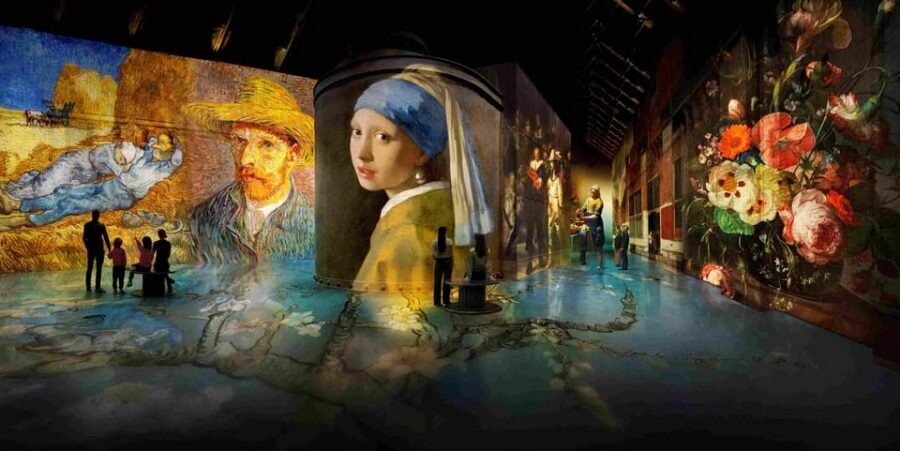
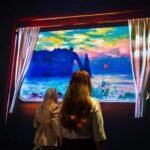
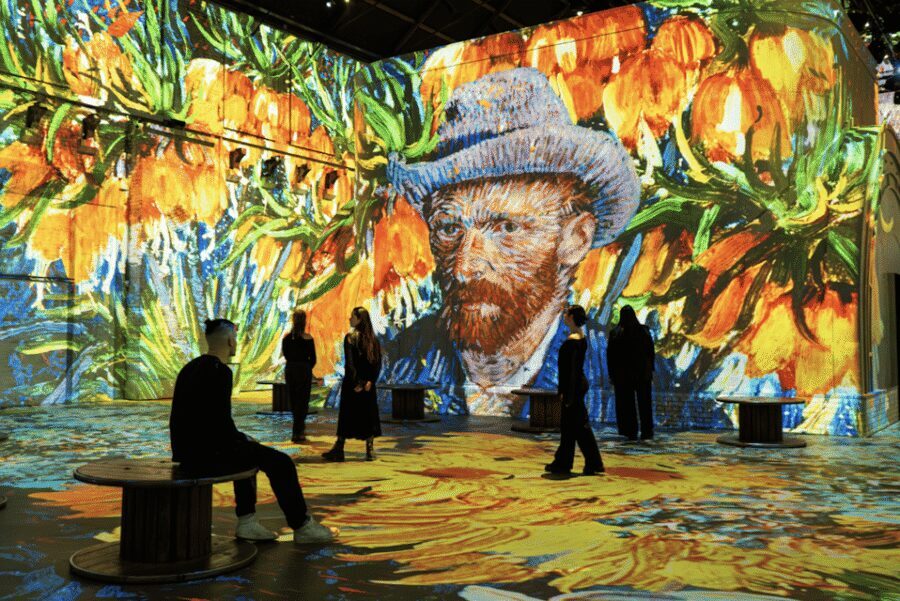
The core Dutch Masters program is the main event. You’ll move through the large industrial space and watch artworks come to life via light projections and accompanying music. The goal is full visual storytelling: paintings are transformed into moving scenes around you.
The program focuses on major Dutch names—Vermeer, van Gogh, Rembrandt, and Mondriaan—so it’s a good match if you want a concentrated sampler of the “greatest hits.” And the idea isn’t just to make famous art look pretty in motion. It also aims to show how these painters portrayed everyday life in extraordinary ways.
One reason this show lands for many people is that it changes your viewing habits. In a museum, you usually study details one painting at a time. Here, the visuals roll across rooms in sequence, so your brain follows the story arc of the program. It can feel almost like you’re walking inside the composition.
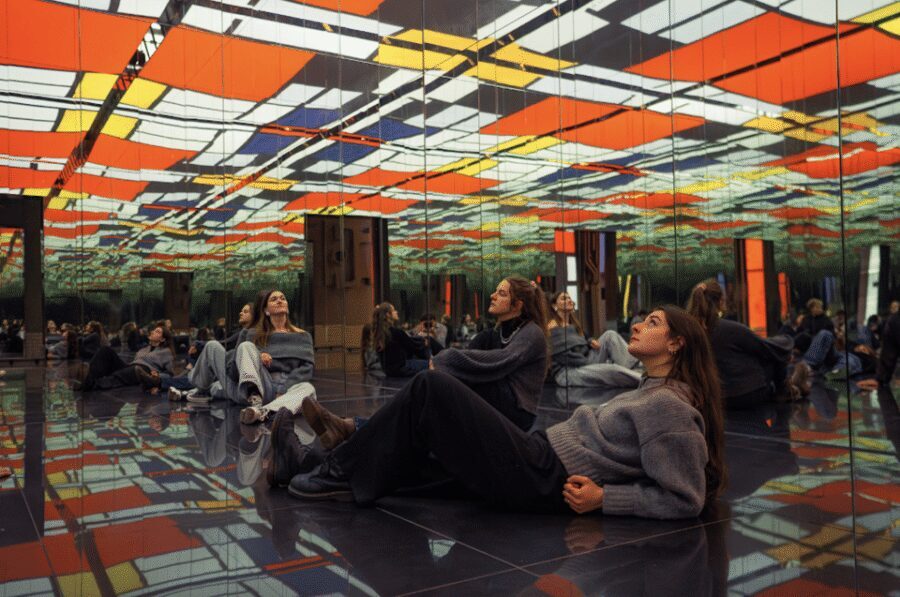
The space also includes distinct areas as the program shifts. Guests have specifically mentioned multiple rooms and even a mirror room, which adds another layer to the whole “standing inside the artwork” feeling. If you like playful staging (not just quiet looking), you’ll probably enjoy how the venue turns movement into part of the spectacle.
Music is a big deal here. Several visitors note the soundtrack is perfectly matched to what you’re seeing. That’s crucial because sound helps you process the visual changes without needing a traditional guide to narrate everything.
The Mondriaan follow-up: neoplasticism comes after the main show
After the main Dutch Masters exhibition, there’s a short follow-up programme dedicated to Mondriaan. The structure is simple: you start with the bigger Dutch Masters sequence, and then you continue with Mondriaan’s artistic evolution.
The program follows the idea that he freed himself from the restraints of traditional painting and helped pioneer a more visionary style known as neoplasticism. In practice, that means the experience doesn’t just repeat the same formula. It pivots toward a different visual language—more abstract, more structured.
Why that matters for you: it gives the show a satisfying “aftertaste.” Even if you came in mainly for the famous paintings, the Mondriaan segment gives your visit an extra layer—like ending with a modern chapter rather than a stop in the past.
So if you’re the type who wants one Amsterdam attraction to do more than one thing, this two-part flow helps. You get classic works first, then a clear creative thread into modern art.
Locker use, no bags, and how to stay comfortable
The ticket includes locker use, which is handy because the venue has clear restrictions. Pets are not allowed, baby strollers are not allowed, and luggage or large bags are not allowed. If you’re traveling with backpacks, plan to keep your load manageable so you can move quickly when you enter.
Also note: pets, strollers, and large luggage are a no-go. So if you’re the kind of traveler who likes to bring a full day bag, you’ll want to rethink what you actually need inside the hall.
Comfort is the other big practical point. Multiple guest comments mention the experience can be cold because people may sit on the floor, with limited seating cushions. Another comment suggests there could be more seating comfort. So I’d treat this as an indoor show where a light layer helps, even in warmer weather.
Finally, there’s a “can’t break the moment” rule baked into the schedule: the show starts at your time slot and is presented only once. That means you should handle any needs before you enter, since the timing window is tight.


Price and value: why $21 can still feel like a win
At $21 per person, this is priced like an attraction, not like a major museum ticket. The value question is: what do you get for that money, and how does it fit a day in Amsterdam?
Here’s the honest math in experience terms. You get skip-the-line entry, timed access, and locker use. You also get a full program featuring Dutch Masters, presented across 3,800m² with large-scale projections and a music track. That combination is why the price can feel reasonable: you’re paying for a high-production multisensory show, not for a single gallery room.
It’s also a good value option if you’re an art fan who’s already seen some Dutch Master works in museums. Several guests say it offers a new perspective if you’ve encountered these artists before. The projections give you a different way to interpret the same subject matter.
And if you’re not usually “the museum type,” it can still work. One review highlights it as a great option for someone who doesn’t normally gravitate toward art exhibitions. The show’s pacing and soundtrack make it approachable in a way that quiet galleries sometimes aren’t.
That said, it isn’t a guided lecture. A guide is not included. If you want lots of verbal context and slow explanation, you might find yourself wishing for more description. A couple of guest notes also mention wanting more information on what you’re seeing. So if you’re the kind of visitor who reads every label, plan to do a little prep beforehand or just enjoy the show as a mood first, lesson second.
Best for you if you like art with tech (and can handle rules)
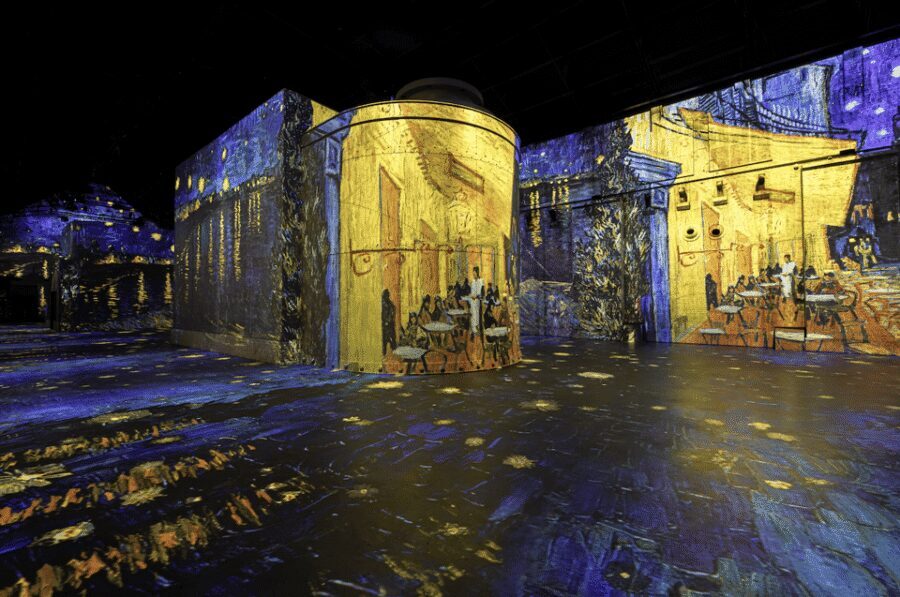
This attraction is best if you enjoy the intersection of art and technology. The format is built around light projections and music, so your enjoyment will depend on how much you like that kind of presentation.
You’ll likely get a lot out of it if:
- You want to see major Dutch Masters names in one place
- You like the idea of moving through rooms as visuals change
- You appreciate sound design and synchronized visuals
- You want a memorable break from the typical museum routine
It may be less ideal if:
- You strongly prefer guided explanations (no guide is included)
- You dislike sitting on the floor or being cold indoors
- You’re sensitive to epilepsy (it’s not suitable for people with epilepsy)
Also keep in mind one subtle social factor. A couple of comments mention kids can be loud and disrupt the fantasy of the experience. If you know you’re bothered by that sort of thing, consider choosing your time slot thoughtfully—especially since the show only runs at the first and last times.
Should you book the Amsterdam Dutch Masters ticket?
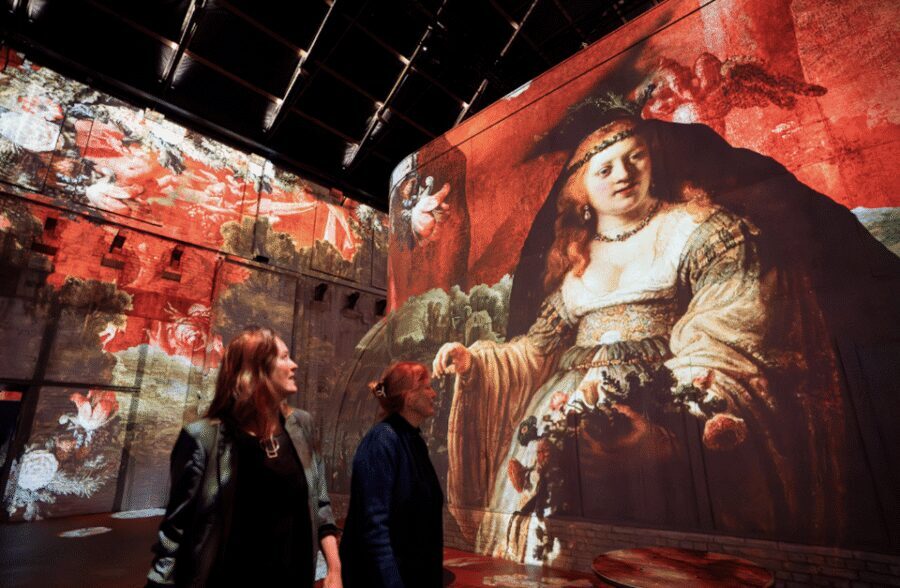
Yes, I’d book it if you want a high-impact, one-session Amsterdam art experience that feels more like theater than a museum. The mix of Vermeer, van Gogh, Rembrandt, and Mondriaan, the huge projection scale, and the music synchronization make it worth planning around—especially at $21.
Skip it (or at least think twice) if you need a lot of guided context, you’re very sensitive to cold seating comfort, or you can’t handle strict timing. This show rewards calm punctuality and a willingness to experience art as light and sound first.
If you’re doing Amsterdam on a schedule and want one attraction that’s easy to fit into a day, Fabrique des Lumières is a strong pick—just don’t arrive late to your time slot.