REVIEW · AMSTERDAM
Amsterdam: National Holocaust Museum Entry Ticket
Book on GetYourGuide →Operated by Jewish Cultural Quarter Amsterdam · Bookable on GetYourGuide
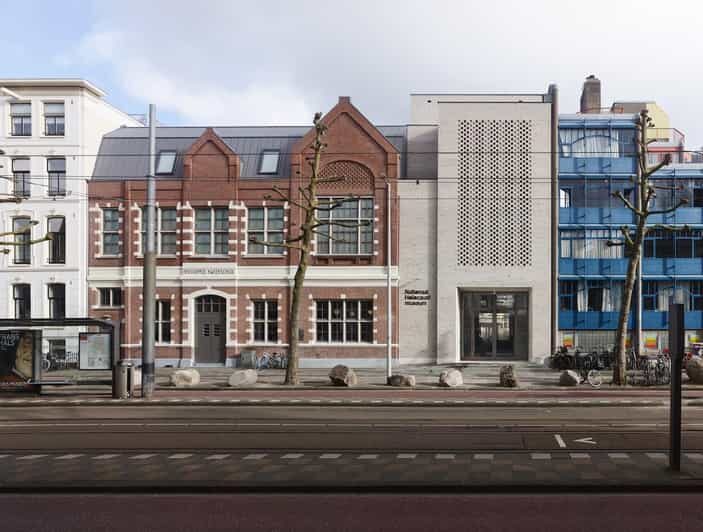
A place like this turns volume down and facts up fast. In Amsterdam, the National Holocaust Museum tells the story of Dutch Jews through the rooms where Nazi persecution unfolded. It’s housed in the Hervormde Kweekschool, a site tied directly to the deportation of children.
I especially like the museum’s focus on daily life before World War Two, where Jews and non-Jews lived with the same rights. I also appreciate the way the exhibition confronts what happened in the Netherlands, including the museum’s use of recognizable human faces rather than hiding behind statistics.
One thing to consider: the museum is information-heavy, and some interactive elements can make it feel like a lot at once. If you go in with limited time, you may need to pace yourself—or accept that you won’t catch every detail in one sitting.
In This Review
- Key points before you go
- Why the Hervormde Kweekschool feels different than a typical museum
- Daily life before the war: what you’ll recognize in the exhibits
- The occupation story: how child deportation is explained on-site
- Liberation and Dutch national memory culture: why the museum looks forward
- Your time plan: pacing a museum that can feel like too much
- Price and value: why $24 can be more than a bargain ticket
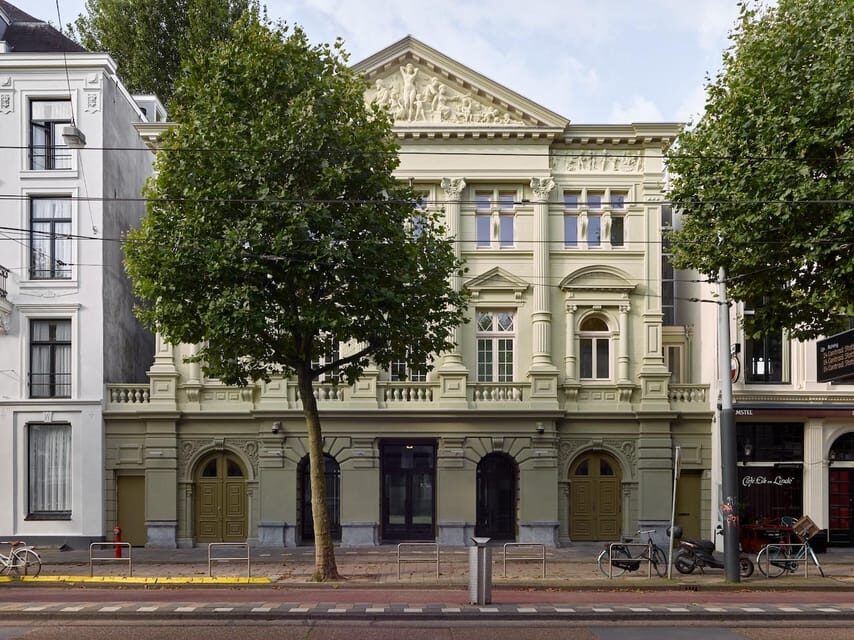
- Hollandsche Schouwburg: the ticket’s second anchor
- What the exhibits feel like: audio guides, holograms, and reflective glass
- Photography and etiquette: the rules are simple
- Who this is for (and who might want a different plan)
- Should you book the National Holocaust Museum ticket in Amsterdam?
- FAQ
- How much is the Amsterdam National Holocaust Museum entry ticket?
- What’s included with the ticket besides the National Holocaust Museum?
- Where do I meet for this experience?
- Can I cancel for a full refund?
- Is photography allowed inside the museum?
- Is the museum wheelchair accessible?
- How long is the ticket valid?
Key points before you go
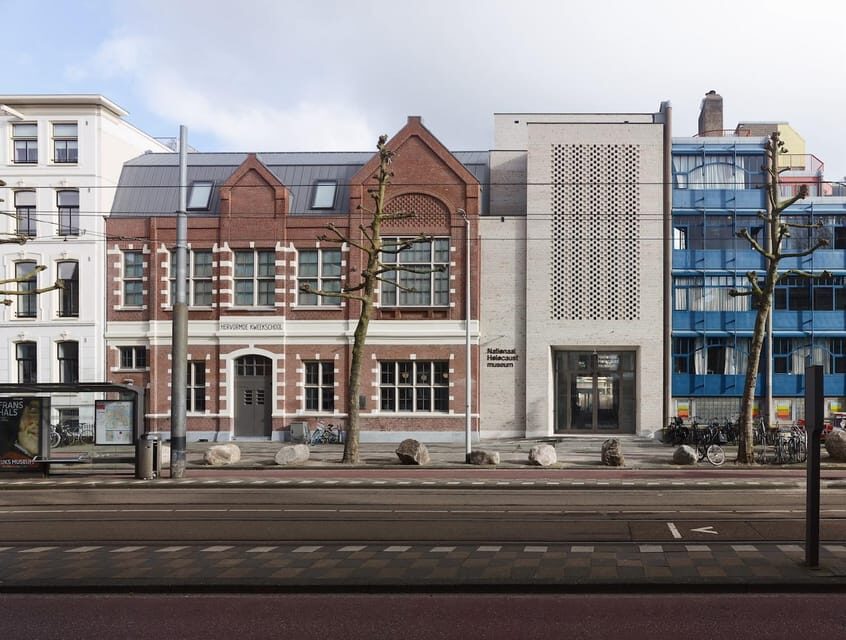
- A powerful setting: the Hervormde Kweekschool links the exhibition to real rooms and real wartime actions.
- Dutch-specific story: you learn how persecution unfolded in the Netherlands, not just in general Holocaust history.
- Henriëtte Pimentel’s role: the museum highlights how she helped hundreds of children escape via the Kweekschool.
- Victims shown as people: the display approach aims to keep individuals recognizable, not anonymous.
- Interactive tech: holograms and guided audio can answer questions and carry the narrative through key themes.
- You also get Hollandsche Schouwburg: your ticket covers another important memorial site tied to Jewish deportations.
Why the Hervormde Kweekschool feels different than a typical museum
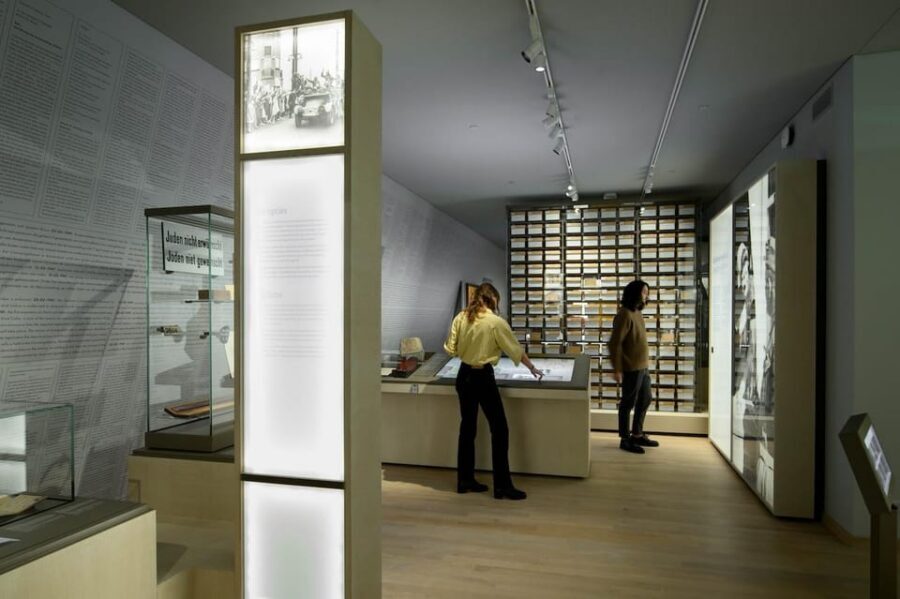
Most museums in Amsterdam do a great job with art, ships, or canals. This one works on a different level: the building itself matters. The National Holocaust Museum is located in the Hervormde Kweekschool, a historic school building that becomes part of the message. When a site is tied to what it documents, the story stops feeling like history from a textbook and starts feeling like a chain of choices that took place around real people.
The museum also does not soften the subject. It presents persecution and deportation in a direct way and keeps the focus on the Dutch experience—how policies were put in place, how life changed, and how the Holocaust was handled in national memory culture afterward. That combination—building, clarity, and scope—helps you understand not only what happened, but how it was enabled.
A few more Amsterdam tours and experiences worth a look



Daily life before the war: what you’ll recognize in the exhibits
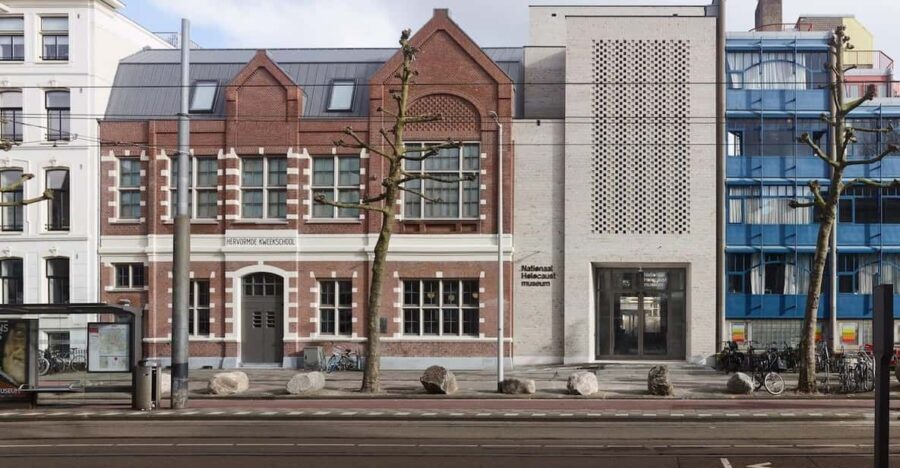
One of the strongest parts of the visit is the museum’s attention to daily life before World War Two. The exhibition sets up an important contrast: before the occupation, Jews and non-Jews lived alongside each other and held the same rights. That detail matters because it shows the violence wasn’t inevitable. It was imposed.
As you move through the galleries, you get a sense of normal routines—ordinary spaces, ordinary objects, and ordinary people—before the occupation reshaped everything. It’s the kind of context that makes later sections hit harder. If you only see the horror without the baseline, it can feel abstract. Here, the baseline makes it personal.
A practical note: the exhibit content can be dense. Even with good layout, you may need to slow down and read selectively. If you tend to skim, your visit could still be meaningful, but I’d suggest planning to actually sit with a few areas rather than trying to absorb it all at speed.
The occupation story: how child deportation is explained on-site
During the occupation, the Nazis murdered approximately six million Jews across Europe, and the exhibition brings that total into focus through the Dutch scale. The museum presents the specific impact in the Netherlands, where about three-quarters of the Jewish population were killed. Those figures are heavy, but the museum doesn’t rely on numbers alone.
What makes this section stand out is the building connection. The museum explains how the Nazis used the adjacent daycare as a gathering and deportation point for Jewish children. In other words, the violence wasn’t limited to remote camps in the imagination—it was part of the machinery operating in places that also served children.
This is also where Henriëtte Pimentel comes into the story. The museum highlights how she helped hundreds of children escape, including through the Kweekschool. For me, that’s an essential counterpoint: it shows courage inside a system designed to crush people. If you’re looking for something more than tragedy, this is one of the places where the exhibition gives you human agency—even in a situation where options were brutally limited.
Liberation and Dutch national memory culture: why the museum looks forward
After the occupation period, the museum doesn’t stop at what happened. It also looks at liberation and at how the Holocaust is handled in Dutch national memory culture. That part can be surprising if you only expect a straight timeline ending in 1945.
Memory culture matters because it shapes what a country chooses to teach, remember, and prevent. In this museum, the focus on how history is presented afterward helps you understand the present relevance. It’s not just about knowing events; it’s about seeing how societies carry the weight of those events through education, memorials, and public interpretation.
This forward-looking approach also helps explain why the museum includes a memorial stop beyond the main building. One site gives context; the other adds an additional layer of remembrance.
Your time plan: pacing a museum that can feel like too much
Most people won’t finish this museum in a quick sweep. The content ranges from daily life before the war to the mechanics of occupation and deportation, plus interactive elements and audio guidance. The result: it’s the kind of place where your first hour sets the tone, and your second hour determines whether it stays meaningful or starts to feel overwhelming.
Here’s a practical way to pace it. Decide in advance how you’ll handle the emotional weight: pick one theme you care about most—daily life, deportation of children, or liberation and memory. Then let the other sections support that main theme. You’ll see more than you would by trying to read everything word-for-word.
Some visitors note the museum can be information-heavy and interactive segments can add to the feeling of overload. If that sounds like you, consider this: you don’t need to be in a hurry to get value from the ticket. Many people choose to take their time and spread attention across the spaces rather than rushing toward the exit.
Also plan for practical time pressure near closing. If your schedule is tight, give yourself buffer time for the last rooms. It’s not a good feeling to reach the part you’re most interested in and then get cut off.
You can also read our reviews of more museum experiences in Amsterdam




Price and value: why $24 can be more than a bargain ticket
The National Holocaust Museum entry ticket is listed at $24 per person. On paper, that’s easy to compare to other Amsterdam attractions. But the value here isn’t about cost-per-minute. It’s about the specific combination you get:
- You visit the National Holocaust Museum in the Hervormde Kweekschool.
- Your ticket also includes entry to the Hollandsche Schouwburg National Holocaust Memorial.
That second included entry is a big part of the pricing logic. It turns your purchase into more than one exhibit—it becomes a two-part route through Holocaust remembrance connected to Dutch deportation history. If you care about understanding how memorials work, and how historical sites connect to each other across a city, that bundled value matters.
You also get flexibility: the ticket is valid for 7 days from first activation, and there’s free cancellation up to 24 hours in advance for a full refund. Add that to the fact the museum is wheelchair accessible, and it’s easier to plan around your Amsterdam rhythm.
Hollandsche Schouwburg: the ticket’s second anchor
The ticket includes admission to the Hollandsche Schouwburg National Holocaust Memorial. That matters because Holocaust history in the Netherlands includes specific deportation-related sites, and memorials help you connect individual stories to physical places tied to the process.
Even if you already know the general outline of the Holocaust, this kind of second visit helps you build a stronger mental map. One stop sets the historical context; the other gives another focal point for remembrance. If you’re the type who likes to understand the geography of history—where things happened and how memory survives—this add-on makes the ticket feel more complete.
If you have limited time in Amsterdam, don’t treat the second memorial as optional. The ticket is priced like a package for a reason.
What the exhibits feel like: audio guides, holograms, and reflective glass
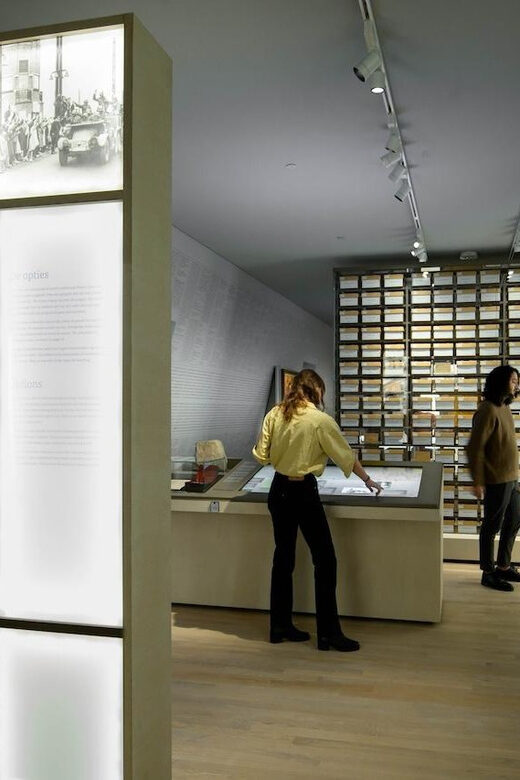
A lot of people leave impressed by the museum’s storytelling tools. Some visitors highlight interactive holograms where you can ask questions and receive answers. If you like active learning, that format can keep you engaged instead of stuck reading panel after panel.
Audio guidance is also a strong support. One review points out the audio guide as especially informative across the museum. When you pair audio with exhibit labels, you can catch key points even when you’re emotionally slowing down. It’s also helpful if you’re moving at your own pace rather than following a strict route.
Now, the practical wrinkles. Some displays sit behind glass cabinets, and reflective surfaces can make it harder to see small items clearly. If you want to view artifacts in detail—like suitcases and portraits—try changing your angle and position when possible. Lighting can affect visibility, and it’s not your fault if reflections interrupt your view.
There can also be crowding around certain exhibits. Some areas may feel hard to see because viewing space can be limited, creating short queues or requiring you to wait. If you’re sensitive to tight spaces, build that into your pacing.
Signage can be another issue. A few visitors mention poor signage for navigation. So once you enter, take a quick moment to orient yourself. If you like structure, I’d suggest planning to follow the flow at first, then circle back to areas you want to linger in.
Photography and etiquette: the rules are simple
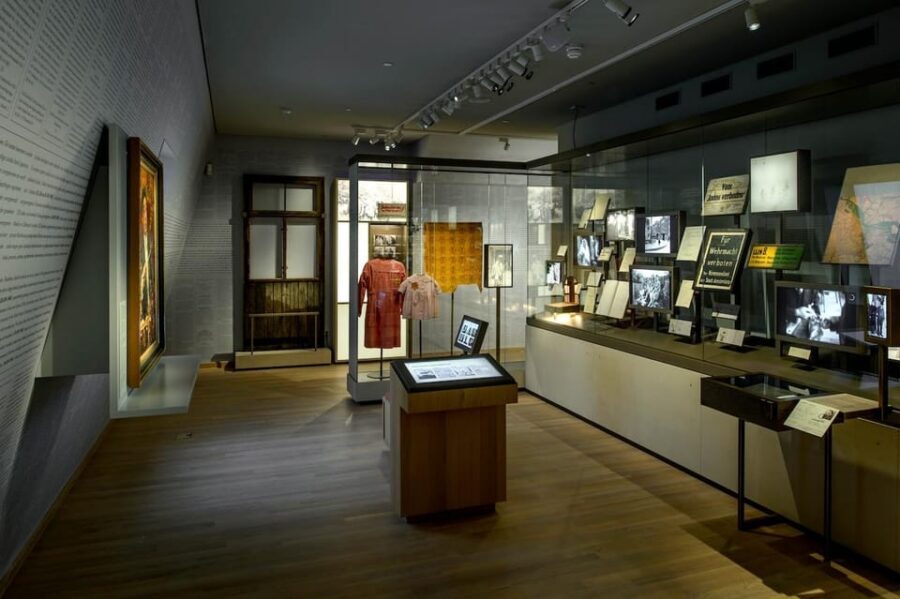
Photography is allowed, but it comes with a reminder to be respectful. In a museum like this, treat the camera like a tool, not a performance. If you see others reading or listening closely, give them room. If you’re photographing exhibit text, consider whether you’re slowing other visitors down.
Also, since the topic is so emotionally direct, keep your posture and volume low. Quiet focus makes the museum work better for everyone—and for you.
Who this is for (and who might want a different plan)
This is a must-consider visit if you:
- want Dutch-specific Holocaust history rather than a generic overview
- care about the role of place and buildings in telling the story
- appreciate narrative tools like audio and interactive elements
- prefer self-paced visits where you can stop, read, and reflect
It may be less ideal if you:
- can’t handle a heavy subject with lots of text and layered context
- need a light, short attraction that you can finish quickly
- dislike exhibits where viewing can be crowded or constrained
If you’re traveling with kids, the museum clearly relates to children and includes deportation of Jewish children, so you’d want to think carefully about age and readiness. The museum does not shy away from the subject; it’s best suited when visitors can engage responsibly.
Should you book the National Holocaust Museum ticket in Amsterdam?
I think you should book if you want one of Amsterdam’s most important, place-based historical visits—and you’re willing to give it real attention. The combination of the Hervormde Kweekschool setting plus the included Hollandsche Schouwburg memorial makes the ticket feel like a coherent route, not a single stop.
But only do it if you can plan time for pacing. This isn’t the kind of museum where you win by rushing. If you have half a day or more and you’re ready for strong emotion and dense information, the $24 value becomes obvious fast: you’re paying for depth, context, and direct remembrance in real historical space.
FAQ
How much is the Amsterdam National Holocaust Museum entry ticket?
The price is listed at $24 per person.
What’s included with the ticket besides the National Holocaust Museum?
The ticket also includes entry to the Hollandsche Schouwburg National Holocaust Memorial.
Where do I meet for this experience?
The meeting point is the National Holocaustmuseum.
Can I cancel for a full refund?
Yes. Free cancellation is offered up to 24 hours in advance for a full refund.
Is photography allowed inside the museum?
Photography is allowed, but you should be respectful.
Is the museum wheelchair accessible?
Yes. The experience is wheelchair accessible.
How long is the ticket valid?
The ticket is valid for 7 days from the first activation.