REVIEW · AMSTERDAM
Amsterdam: Rijksmuseum Private Tour
Book on GetYourGuide →Operated by Orange Adventures · Bookable on GetYourGuide
At the Rijksmuseum, paint turns into clues. This 2-hour private tour of Amsterdam’s Rijksmuseum centers on the Dutch Masters, with clear explanations of painting techniques and what artists were really trying to say. I especially love the way the guide makes works feel readable, like a story you can actually follow.
I also like the structure of seeing major paintings with purpose, including Rembrandt’s The Nightwatch in the Honorary Gallery, plus the contrast between Medieval art and the smarter, more everyday focus of 17th-century Flemish and Dutch painters. One thing to consider: the museum can be crowded, and if you visit at a busy time, you may feel a bit of time pressure as the guide moves on to the next group.
In This Review
- Key points worth knowing before you go
- What this private Rijksmuseum tour is really about
- The Nightwatch moment in the Honorary Gallery
- Dutch Masters techniques: why this tour feels different from a standard highlights run
- From Medieval art to Dutch and Flemish realism
- Vermeer, Frans Hals, and Rembrandt: how the tour handles variety
- How the guide keeps it engaging (and personal)
- Price and value: what $235 gets you for a private Rijksmuseum visit
- Meeting point: where you’ll go once you enter
- Entrance ticket: plan for it early
- Should you get an Amsterdam Card?
- Who this tour suits best
- A fair heads-up about pacing in a busy museum
- Practical tips to make your 2 hours work harder
- Should you book the Amsterdam Rijksmuseum private tour?
- FAQ
- Is the Rijksmuseum entrance ticket included?
- How long is the tour?
- Where do I meet the guide?
- What languages are offered?
- Is this tour wheelchair accessible?
- What is the group size?
Key points worth knowing before you go
- Honorary Gallery focus: you’ll see The Nightwatch as a centerpiece moment
- Technique talk: you’ll learn how Dutch Masters built images, not just what they painted
- Medieval vs Dutch Masters: the art changes are explained in plain, visual terms
- Small private group: designed for up to 2 people, so your questions can steer the pace
- Crowd-smart guidance: you get practical advice to make museum entry and flow easier
- Guide-led meaning-making: hidden meanings and cultural context are woven into the viewing
What this private Rijksmuseum tour is really about
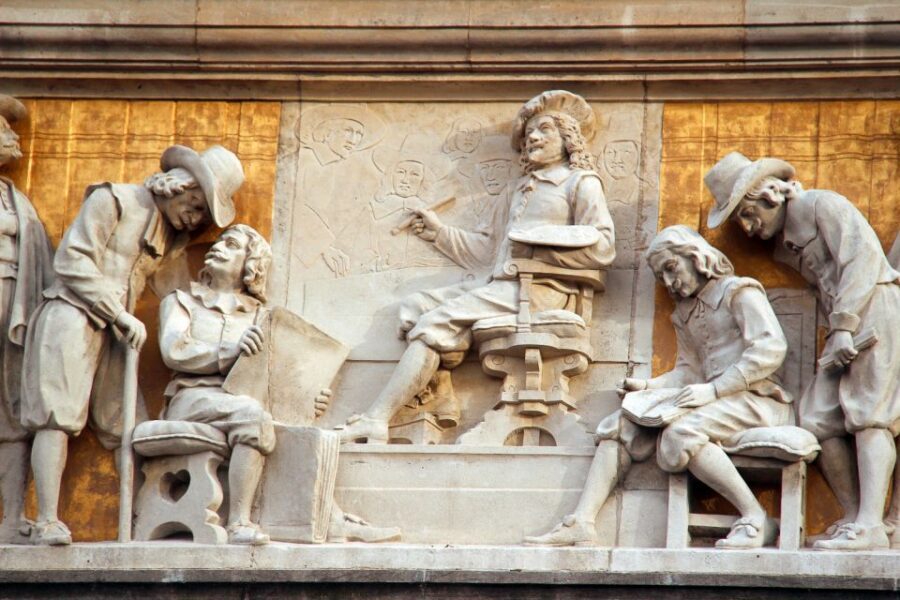
This isn’t a checklist tour that rushes you from famous painting to famous painting. The goal is to help you read Dutch art. In the 1600s, a painting wasn’t only decoration. It worked like a book or a poster with lessons baked in—religion, politics, trade, status, and morality all mixed into one image.
That mindset is what makes a private tour work so well here. With a guide beside you, you’re not stuck squinting at details that don’t yet mean anything. Instead, the guide points out the practical “how” (technique, composition choices) and the “why” (what viewers were meant to notice and believe).
And yes, you’ll see top-level paintings. But you’ll also understand what makes 17th-century Dutch painters different from the Medieval tradition that came before.
You can also read our reviews of more private tours in Amsterdam



The Nightwatch moment in the Honorary Gallery
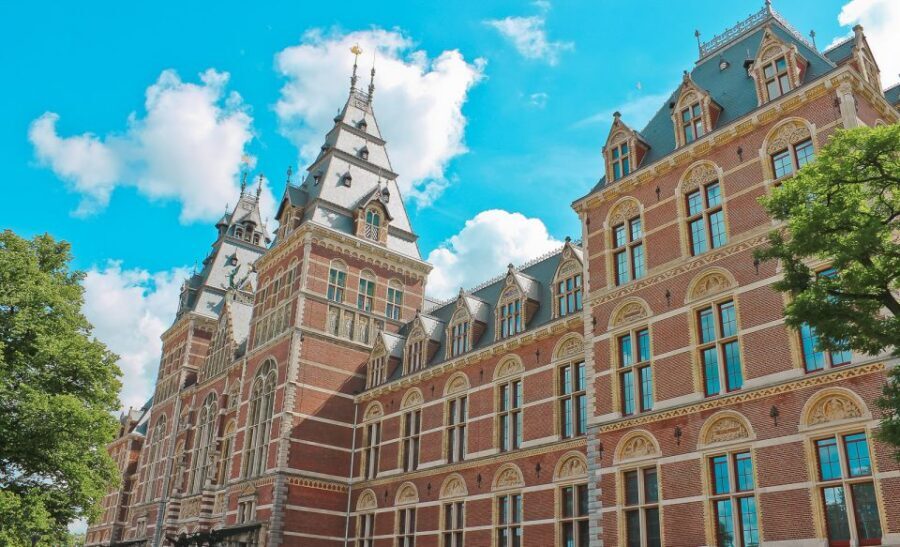
One of the biggest reasons to book this tour is the planned attention on Rembrandt’s The Nightwatch in the Honorary Gallery. That painting is famous for a reason, but it can feel chaotic if you don’t know what to look for. A good guide changes that.
Expect the tour to treat The Nightwatch as more than a masterpiece on a wall. You’ll get a way of seeing it—how the scene is staged, how details pull your eye, and how Rembrandt’s approach supports the meaning. The Honorary Gallery setting also gives you that classic Rijksmuseum feeling: the painting isn’t buried among random rooms, it’s presented like an event.
If you’re a fan of Rembrandt already, this will likely feel like the tour’s anchor. If you’re not, it’s still a strong starting point because it shows what Dutch painting could do when it aimed for drama, motion, and story all at once.
Dutch Masters techniques: why this tour feels different from a standard highlights run
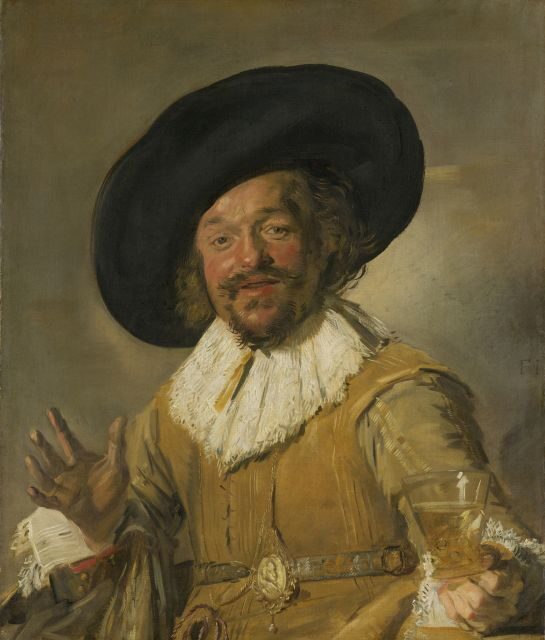
The Rijksmuseum has an endless catalog of masterpieces. The trick is turning looking into understanding.
This tour is built around technique—how the artists handled paint, light, and realism to make scenes feel believable. You’ll also hear about hidden meanings in selected works, with the explanation grounded in how everyday people would have experienced images at the time.
A helpful way to frame it: for 17th-century citizens, pictures weren’t only for elites. They acted like visual education. A painting could teach you what to admire, who mattered, what virtues looked like, and what power meant in daily life.
That’s why you’ll hear the tour connect art to culture: Dutch life, Dutch rule at sea, and the way new tastes shifted what people wanted on their walls.
From Medieval art to Dutch and Flemish realism
One of the tour’s standout themes is the shift from Medieval art to the Flemish and Dutch Masters of the 17th century.
Medieval art often feels symbolic or flattened, like meaning is more important than lifelike space. The Dutch Masters, by contrast, aim for realism and human presence. They make figures feel closer to you—less like distant icons, more like real people in a real world.
On this tour, you’ll get that difference explained as an actual evolution, not just a label on a timeline. You’ll see how the focus moves toward ordinary scenes and recognizably human moments, even when the subject is still kings, mythology, or historical events.
That context matters. When you understand the cultural change, the paintings stop looking like random “old art” and start looking like communication.
Vermeer, Frans Hals, and Rembrandt: how the tour handles variety
Even within the Dutch Masters, styles aren’t identical. That’s where a private guide helps most: you get comparisons instead of isolated facts.
Expect the tour to touch major names—Vermeer, Frans Hals, and Rembrandt (including The Nightwatch)—and to show how painters used different approaches to make their subjects feel alive. The guide also works in comparisons so you can feel the difference between artists’ choices rather than memorizing titles.
From the experience design described here, the guide doesn’t treat these works as museum trophies. Instead, they’re presented as parts of one bigger story: how Dutch society looked at itself, how it celebrated success, and how it used art to signal identity.
If you like art history but want it without the lecture vibe, this is the right balance. You’ll get enough structure to connect the dots, and enough flexibility to ask questions that match your taste.




How the guide keeps it engaging (and personal)
This tour is led by a private guide, and multiple guided experiences connected to this booking describe a style that feels energetic and interactive. One consistent theme: the guide starts with broader framing—sometimes including Rijksmuseum architecture and the museum’s historical context—then narrows into specific paintings with questions that get you looking differently.
You might be asked things like what you notice first in a painting, how two works compare, and what you personally like or dislike about an artist’s style. That sort of back-and-forth is more than fun. It forces your eyes to do the work.
Also worth noting: the guide can adjust the tour based on your interests. If you’re more drawn to technique, ask for more painting detail. If you care about the social meaning, steer toward cultural context and symbolism.
In past runs tied to this booking, guides have included Rolf (one guide name mentioned in confirmations) and a substitute guide named Isabel when needed. Either way, you’re paying for a private format, so the main value is the direction and pacing the guide brings to your time in the galleries.
Price and value: what $235 gets you for a private Rijksmuseum visit
The price is $235 per group up to 2, for a tour lasting about 2 hours. Entrance tickets are not included, so plan to add the cost of your museum admission separately.
Is it “worth it”? Here’s the practical way to judge value:
- If you’re going as a couple, the per-person cost drops fast compared with buying two separate guided seats.
- If you care about understanding painting technique and meaning, you’re buying time with an interpreter who can point out what you’ll miss on your own—especially in crowded rooms.
- The included advice on how to skip-the-line or make entry easier can save real effort. At the Rijksmuseum, being efficient matters.
If you mainly want to do a self-guided wander through famous galleries, a private guide may feel like extra spending. But if you want your eyes to be guided—so the art actually lands—this price tends to make sense.
Meeting point: where you’ll go once you enter
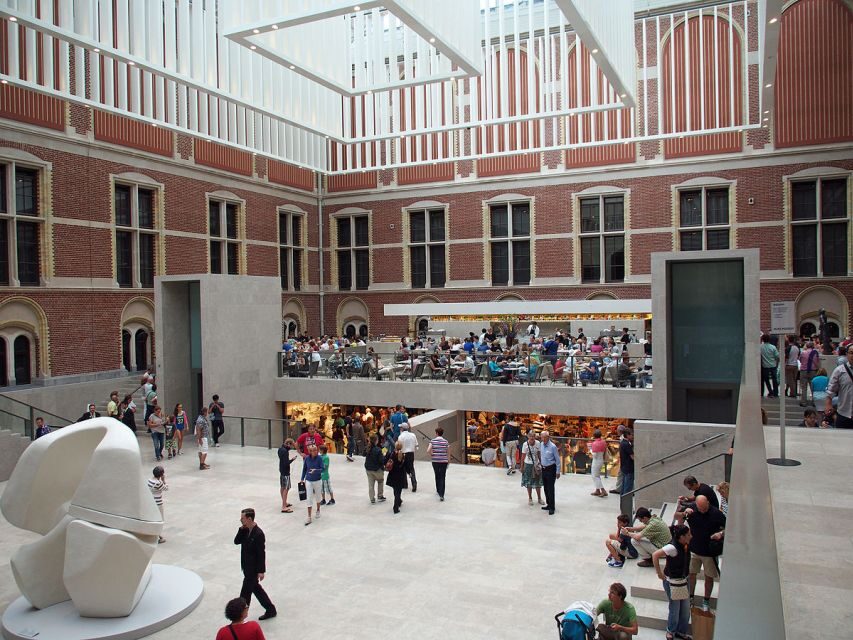
Your guide meets you inside the museum, after you get in. You’ll look for a round info counter. About 10 meters to the right is a small sign that says meeting point.
This is one of those details that can waste time if you’re not ready for it. Before you head in, take a minute to scan the entrance area so you don’t end up waiting or backtracking.
Entrance ticket: plan for it early
The tour includes a guide and guidance, but the museum entrance ticket isn’t included. That means your total trip cost depends on the admission price at the time you visit.
Also, the tour includes advice on how to skip-the-line or make it bearable. Take that seriously. The Rijksmuseum is popular, and planning your entry with a guide in mind can make your 2 hours feel fuller.
Should you get an Amsterdam Card?
The Amsterdam Card is recommended for this experience, mainly because it can give you broad museum access and public transport options in Amsterdam.
If you’re staying several days or you’re planning multiple museum stops, it can be a strong way to keep costs controlled and reduce the “every ticket is another line item” effect. If you’re only doing one major museum, you might compare value first.
Who this tour suits best
This tour fits well if you want:
- a guided focus on Dutch Masters and major works like The Nightwatch
- explanations of art technique and meaning, not just facts
- a private experience for up to 2 people
- a guide who can adjust to your interests and keep you asking questions
It’s also a good choice if you’re traveling with mixed art attention levels. Several accounts tied to this booking describe the tour working for groups with teenagers and family members, because the guide’s approach turns viewing into active learning.
One more “real life” factor: the Rijksmuseum can be crowded, and the guide’s job is to keep the tour moving through it. If you dislike museums that feel like a line moving forward, this private format helps.
A fair heads-up about pacing in a busy museum
There’s one potential drawback to name. The museum can be packed, and a private guide may have another tour afterward. In that situation, the tour can feel a bit rushed near the end.
You can reduce this risk by choosing a time slot that’s less chaotic, and by being clear about what you most want to see early on. If The Nightwatch is your must-do, make sure you spend time with it early in your tour flow. That way, even if the last minutes get tight, you’ll still have the core moment.
Practical tips to make your 2 hours work harder
- Bring your most “curious” questions. Technique and hidden meaning explanations go best when you want to see details.
- Plan for crowds. If your timing is flexible, avoid peak arrival windows.
- If you need extra comfort, tell your guide. In past experiences associated with this tour, a wheelchair was arranged to make the visit easier for a guest.
Should you book the Amsterdam Rijksmuseum private tour?
I’d book this tour if you want the Rijksmuseum to feel understandable, not just impressive. The biggest win is the combination of private attention plus painting-technique explanations plus focused viewing of major works, especially The Nightwatch in the Honorary Gallery.
Skip it if you’re mainly looking for a quiet self-guided stroll and you’re happy reading wall labels at your own pace. In that case, a standard ticket plus an audio guide might feel like enough.
If you’re an art lover—or even a curious beginner who wants the museum to click—this is a strong way to spend a couple of hours in Amsterdam. You’re not just seeing Dutch Masters. You’re learning how to see them.
FAQ
Is the Rijksmuseum entrance ticket included?
No. The tour includes a private guide and advice, but the Rijksmuseum entrance ticket is not included.
How long is the tour?
The tour is about 2 hours inside the Rijksmuseum.
Where do I meet the guide?
Meet your guide inside the museum. Look for the round info counter, then go about 10 meters to the right to a small sign that reads meeting point.
What languages are offered?
The live guide is available in Dutch, English, and German.
Is this tour wheelchair accessible?
Yes. The experience is wheelchair accessible.
What is the group size?
This is a private group for up to 2 people per group price.