REVIEW · AMSTERDAM
Amsterdam: Private Anne Frank and Jewish Quarter Tour
Book on GetYourGuide →Operated by Trigger Tours · Bookable on GetYourGuide
Amsterdam can hit you fast, then stay with you. This 2-hour walking tour through the Jewish Quarter connects street corners to the Anne Frank story, from her diary’s rise to the darker world her family faced. I like the tight pacing and the number of real landmarks you cover in one go, and I also like how the guide helps you read the city instead of just hearing facts. The one drawback: it’s a heavy subject, and Anne Frank House entry tickets are not included, so you’ll need to plan that part separately.
What makes this tour work is how it balances atmosphere with context. You start in a central, easy-to-find spot on the Amstel River, then your guide guides you through the places that shaped Jewish life in Amsterdam and the memorials that mark what followed. If you want your visit to feel grounded and human—without turning into a lecture—this format is a strong fit.
Just know what you’re signing up for: walking, real memorials, and a story told with care. If you’re sensitive to Holocaust history, go in with your expectations set, and lean on your guide if you want questions answered at a comfortable pace.
In This Review
- Key things I’d focus on before you book
- Walking from Hermitage Pier into the Jewish Quarter’s real geography
- Nieuwmarkt and Lastage: where the quarter’s life gets its setting
- The Auschwitz Monument: remembering without turning away
- Portuguese Synagogue: faith, community, and continuity
- Zuiderkerk and the Jewish institutions nearby: how city life shaped the story
- Jewish Historical Museum: turning background into understanding
- The Dokwerker and the language of place: loss marked in public space
- National Holocaust Names Monument: what the tour wants you to carry forward
- How the Anne Frank story is woven into the walking route
- Anne Frank House as your ending point: plan tickets and timing yourself
- Private format in two hours: who this is best for
- Value for $25: why the price can still make sense
- What to expect from the guide: respectful storytelling and room for questions
- Should you book this Anne Frank and Jewish Quarter tour?
- FAQ
- Is the Anne Frank House entrance included?
- How long is the walking tour?
- Where do we meet the guide?
- What languages are available?
- Is this private or group-based?
- Is there free cancellation?
Key things I’d focus on before you book
- A short, high-impact route: two hours, many key stops, so you get context fast
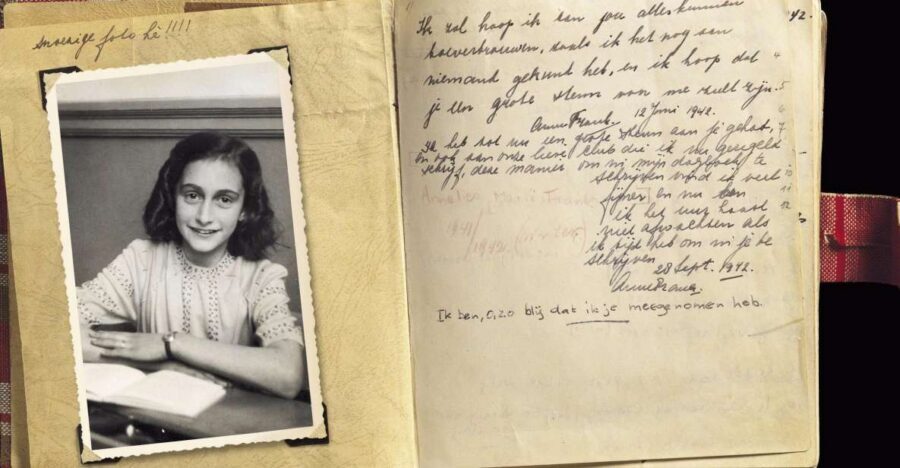
- Anne Frank’s story in the streets: her move from Germany, her hiding time, and her diary’s publication explained
- Holocaust memory landmarks: including the Auschwitz Monument and the National Holocaust Names Monument
- Jewish cultural landmarks: like the Portuguese Synagogue and the Jewish Historical Museum
- Guides who handle tone well: reviews highlight guides such as Aaron and James for careful, respectful storytelling
- Anne Frank House finishes the walk, but tickets are separate: you’ll plan that next step yourself
Walking from Hermitage Pier into the Jewish Quarter’s real geography
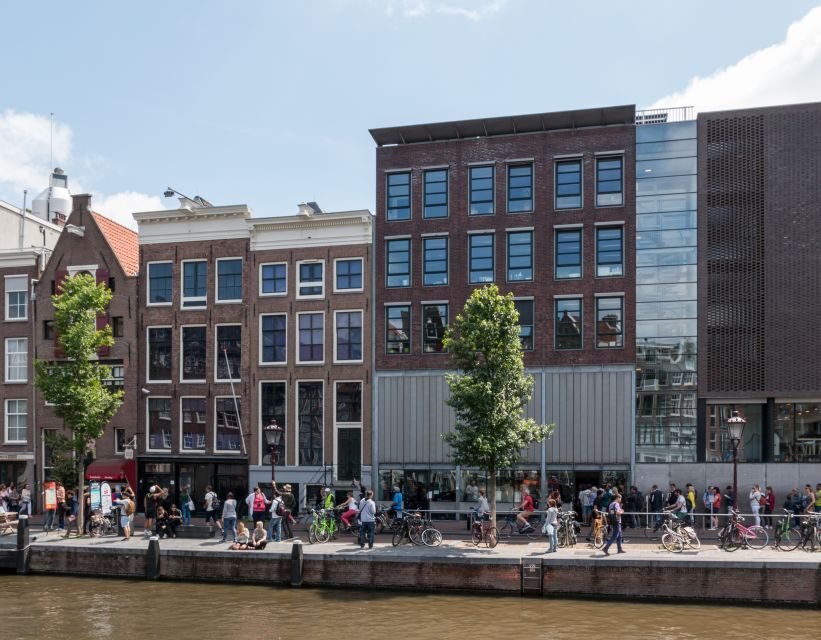
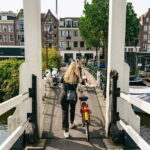
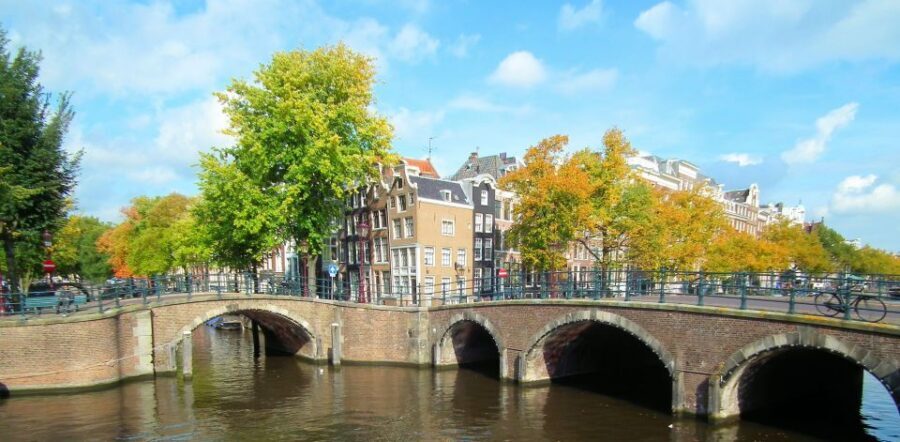
I like tours that help me understand where I am, not just where I’m going. This one starts at the Hermitage Pier, right in front of the main entrance of the H’ART Museum, next to the Amstel River. That’s a useful start point because it anchors the whole walk in the city’s geography: water, bridges, and the old urban center.
From there, your guide takes you into the former Jewish neighborhood area—streets and buildings you can walk past every day without realizing what happened on them. The route is designed to show how the quarter evolved over time, not as an abstract concept, but as a lived place with institutions, places of worship, museums, and memory sites.
Even in just two hours, the tour gives you a framework you can use later when you visit museums, memorials, or the Anne Frank House. You’re not simply collecting names; you’re learning how the story became visible in Amsterdam’s landscape.
You can also read our reviews of more private tours in Amsterdam



Nieuwmarkt and Lastage: where the quarter’s life gets its setting
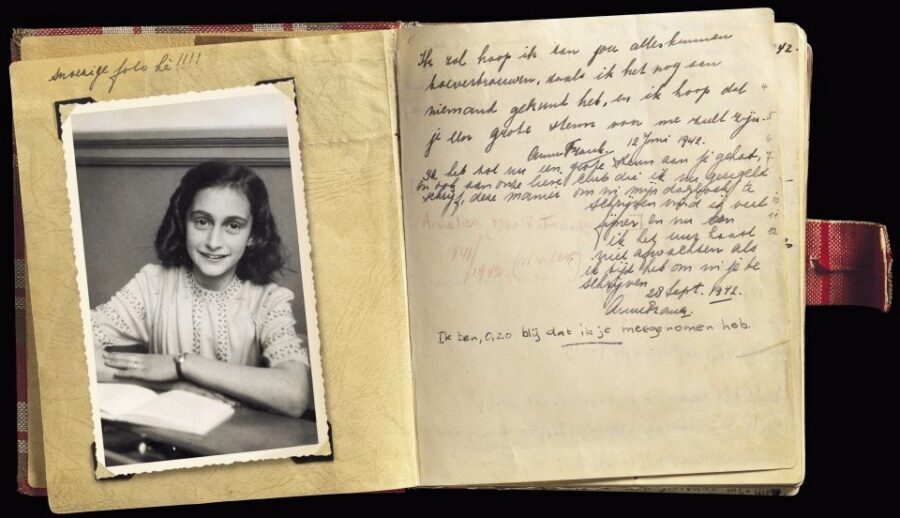
One of the first stops is the Nieuwmarkt and Lastage area (around 15 minutes). This is where your guide typically sets the stage: what the Jewish quarter looked like earlier on, how it grew, and how life there changed as Europe moved toward catastrophe.
This early context matters because later stops won’t feel like random points on a map. When you understand the neighborhood’s roots and rhythms, the memorials and the Holocaust-era stories land with more weight—without turning your brain into a timeline spreadsheet.
If you’ve only got a day or two in Amsterdam, this is the kind of grounding that makes the rest of your trip click. You’ll know why certain buildings and corners matter.
The Auschwitz Monument: remembering without turning away
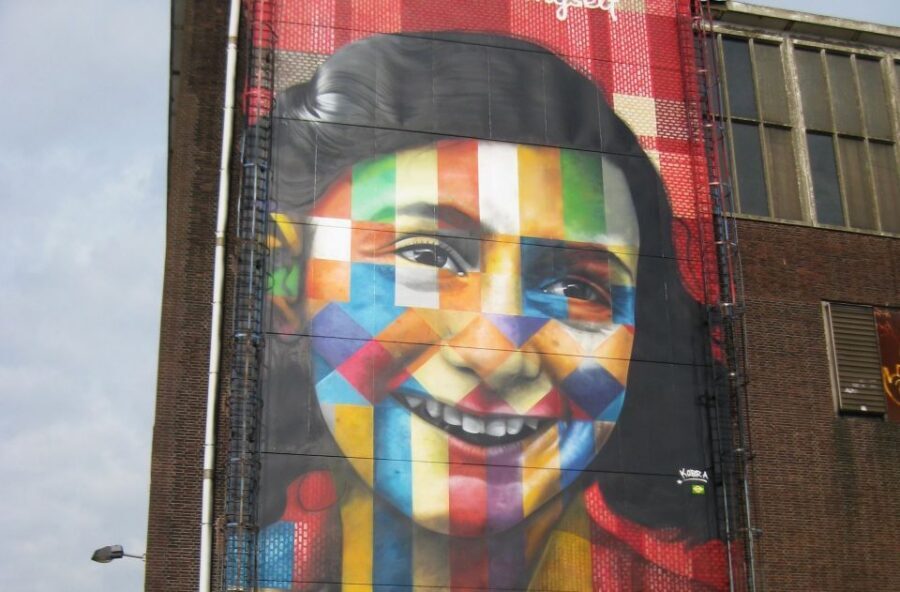
Then you reach the Auschwitz Monument in Amsterdam (about 15 minutes). The point here isn’t sightseeing. It’s a place of memory, and your guide’s job is to help you understand why it exists and what it symbolizes.
In the reviews, the strongest praise repeatedly centers on guides who handle the subject with care and respect, while still keeping the experience understandable in a short time. That tone matters a lot with Holocaust history. You want facts, but you also want pacing that doesn’t steamroll your emotions.
Practical tip: if you feel yourself getting overwhelmed, you’re allowed to take a breath and ask your guide to slow down. A good guide should be able to explain in layers—starting with clear context and then offering detail.
Portuguese Synagogue: faith, community, and continuity
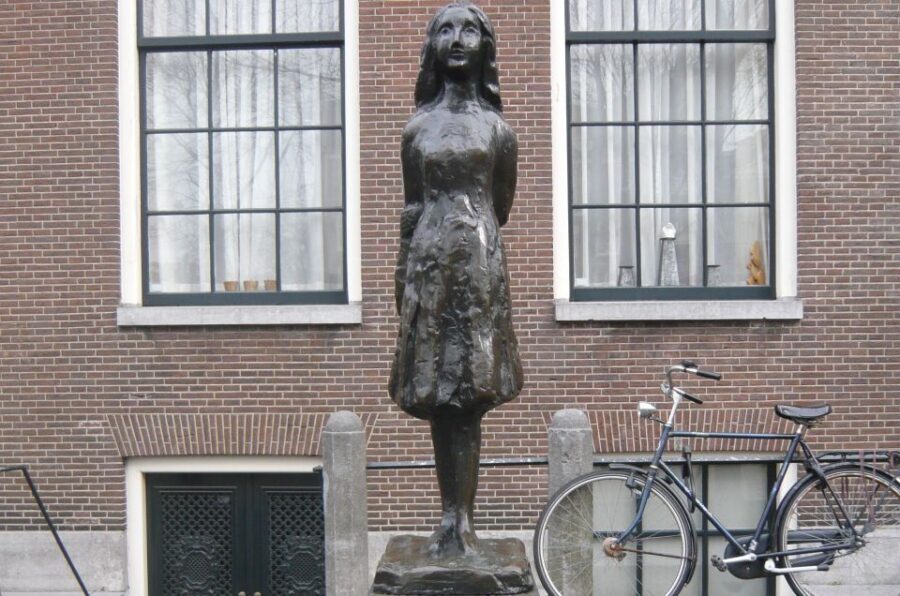
The Portuguese Synagogue is another key stop (about 15 minutes). This is one of the places that helps you remember the obvious but easy-to-forget truth: the Jewish story in Amsterdam wasn’t only about persecution and loss. It also involved community life, worship, and long-standing presence.
Your guide uses this stop to connect culture and history. You get context that supports the larger Anne Frank story—because Anne Frank’s family history wasn’t separate from Amsterdam’s Jewish community life. The synagogue stop acts like a bridge between centuries.
For me, this is one of the best “value per minute” stops on the walk. Even if you’ve read about Anne Frank already, seeing how community structures fit into the broader story gives you something you can’t get from a diary excerpt alone.
Zuiderkerk and the Jewish institutions nearby: how city life shaped the story
Next comes the Zuiderkerk (about 15 minutes). This stop can feel like a contrast on paper—another historic Amsterdam landmark rather than a direct Jewish memorial. But that’s exactly why it’s useful.
Amsterdam’s history is tangled together in real space. Your guide uses landmarks like the Zuiderkerk to show how the Jewish quarter existed in the same city as the rest of Amsterdam, not behind a curtain. That’s part of how the story becomes more believable: it’s not happening in a distant vacuum.
When guides do this well, they help you picture daily life—where people moved, where institutions were, and how the neighborhood connected to the wider city fabric.





Jewish Historical Museum: turning background into understanding
The Jewish Historical Museum stop (about 15 minutes) is where the background you’re hearing starts to feel more concrete. Even without extra time inside galleries, a guide-led walk-through like this can help you interpret what you see and why it’s curated the way it is.
This kind of stop is ideal if you’re the type who likes to keep your head organized. You’ll usually get a quick explanation of what the museum represents and how it connects to Jewish life in Amsterdam across different periods.
If you’re the type who wants to revisit later, this stop is also a great prompt. You’ll know what kinds of themes to look for if you come back for a longer visit.
The Dokwerker and the language of place: loss marked in public space
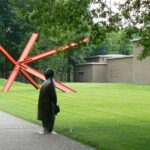
Another memorial stop is The Dokwerker (about 15 minutes). This is the sort of place where the structure itself can carry meaning, and your guide helps you read it.
Some memorials explain themselves with text. Others rely on symbols and atmosphere. Either way, a good guide keeps it respectful and clear, so you understand what the memorial is communicating rather than treating it like another “stop photo” spot.
This is also where the tour’s short length matters. In a two-hour format, you don’t have time to get lost in emotional processing. But you do get enough context to leave with a clear sense of remembrance and responsibility.
National Holocaust Names Monument: what the tour wants you to carry forward
You finish at the National Holocaust Names Monument (about 15 minutes). This stop shifts the feel from general history to named remembrance—an important step. Holocaust history can become so large that it turns abstract. Memorial sites that focus on names and identity help pull it back toward individual human reality.
Again, the guide’s handling is crucial. In reviews, guides like Aaron and James are praised for being able to communicate clearly and answer questions, while also keeping the mood sober and appropriate.
If you’re going to ask one question during the walk, this is a great place for it—because your question will likely connect what you’ve learned to what you’re seeing right now.
How the Anne Frank story is woven into the walking route
The big thread of the tour is how your guide brings Anne Frank’s story into the neighborhood itself. You’ll learn how her diary was published by her father and how it went on to gain worldwide fame. You’ll also hear about Anne Frank’s love of writing and the circumstances that shaped what she wrote while in Amsterdam in the 1930s and 1940s.
A strong version of this tour also covers the family context: relationships inside the Frank family, Anne’s move from Germany, the time she spent hiding, and what her father’s life looked like after the war. That last piece can be especially meaningful, because it shows what happened after survival—what it costs, what it changes, and how the diary became a legacy rather than only a personal document.
Your guide also points out that there were hiding places connected to the Dutch resistance during World War II. The tour mentions secret hiding places where the writer sought refuge, which helps you understand this wasn’t only a story about one building. It was part of a wider network of risk, resistance, and concealment.
And here’s why this matters for you: when the Anne Frank story is told next to real landmarks, it stops feeling like an internet article and starts feeling like something that occupied real space and real streets.
Anne Frank House as your ending point: plan tickets and timing yourself
The tour ends at the house of Anne Frank area. However, entrance tickets are not included. So when you finish the walk, you’ll want to be ready to take care of the next step on your own.
This is one of the most important practical considerations when you’re deciding if the tour fits your plans. You’ll likely come away with a stronger emotional and historical understanding, and then you’ll still need a separate visit plan for the House itself.
If you’re short on time, consider this a two-part experience: first the guided understanding of the city and context, then the Anne Frank House visit as a focused follow-up.
Private format in two hours: who this is best for
This is offered as a private or small-group walking tour, in English, Dutch, or Spanish. I like this format for three types of visitors:
- If you want more interaction, this private setup makes it easier to ask questions without feeling rushed.
- If your group includes different backgrounds and knowledge levels, a well-run tour keeps everyone moving forward together.
- If you want history that feels personal but still grounded, the short route and the guide’s storytelling approach can hit the right tone.
In reviews, guides such as Aaron and James are praised for communicating well with mixed nationalities and for being able to answer questions beyond the script. That’s a strong sign that the guide quality can make the difference between a good walk and a memorable one.
Value for $25: why the price can still make sense
At $25 per person for about two hours, this is priced as an accessible city experience rather than a museum-ticket substitute. The value comes from what’s included: a local guide and a private tour format.
What you’re not getting for that price is entrance to the Anne Frank House, food, or drinks. So if your plan is only to see the House and you’re not interested in the surrounding context, the value drops.
But if you plan to visit the House anyway, this tour can be a cost-efficient way to make that ticket more meaningful. You’ll arrive with context for what you’re about to see, and you’ll understand why these streets and institutions connect to the diary.
What to expect from the guide: respectful storytelling and room for questions
This is not a “walk fast, learn nothing” tour. The reviews emphasize that the best guides manage a heavy subject with care and respect, while also keeping the tone accessible. Some guides (including Aaron, James, and Andrea in feedback) are described as funny or engaging in small ways, not as a distraction, but as a way to keep people thinking and listening.
You can also expect your guide to interact with the group. Some reviews mention engaging pacing, question-and-answer moments, and a feeling that the tour helps you visualize how the neighborhood looked in different eras.
So if you want a guide who can handle respectful questions, explain clearly, and adapt when other groups overlap at sites, this tour has strong signals.
Should you book this Anne Frank and Jewish Quarter tour?
Yes, if you want a focused, two-hour way to connect Amsterdam’s Jewish Quarter landmarks with the Anne Frank story. The best reason to book is that you’ll leave understanding how the diary became world-famous, what family and hiding meant, and how the neighborhood and memory sites hold that history in public space.
Book it if:
- You’re planning to visit the Anne Frank House and want context first
- You prefer a guided walk over reading everything on your own
- You want a private or small-group experience with time for questions
Skip it (or at least plan a different approach) if:
- You only care about Anne Frank House and already have tickets timed with no flexibility
- You’re not ready for Holocaust history and memorial stops
- You need a purely casual, lighthearted city stroll
FAQ
Is the Anne Frank House entrance included?
No. The tour does not include entrance tickets to the Anne Frank House, so you’ll need to arrange that separately.
How long is the walking tour?
It’s 2 hours long.
Where do we meet the guide?
Meet your guide at the Hermitage Pier, in front of the main entrance of the H’ART Museum, next to the Amstel River.
What languages are available?
The tour guide is available in English, Dutch, and Spanish.
Is this private or group-based?
It’s offered as a private tour, with private or small groups available.
Is there free cancellation?
Yes. Free cancellation is available up to 24 hours in advance for a full refund.