REVIEW · AMSTERDAM
Amsterdam: Windmill Guided Tour
Book on GetYourGuide →Operated by Molen van Sloten · Bookable on GetYourGuide
A working windmill still runs in Amsterdam West. The Molen van Sloten tour is short, focused, and genuinely fun: you’ll step inside a functioning water-pumping mill from 1847 and learn how Amsterdam keeps low areas dry. It’s not a museum-only stop, and that makes the whole experience feel more real than the usual sightseeing.
I love two things most. First, the guide makes Dutch water control make sense in plain language, from what the windmill does to why it mattered around Sloten and Old Osdorp. Second, you get a view payoff from up high, including the Ringvaart Canal area and the surrounding canals stretching out below.
One consideration: this is a tight 45-minute visit, and it’s not set up as a sit-down stop for snacks or drinks. If you’re expecting a long winding adventure or a full meal break, you’ll want to plan your timing around the tour.
In This Review
- Key highlights worth your time
- Why a working Sloten Windmill is a standout Amsterdam West stop
- Finding Molen van Sloten: the souvenir shop meeting point
- What you do during the 45-minute guided tour
- Step 1: Meet, then follow the guide into the mill
- Step 2: Learn the history tied to Sloten and Old Osdorp
- Step 3: See how wind power ties to water control
- Step 4: Attic time for the Rembrandt-painted wax figures
- Step 5: Top views and a canal panorama
- Watching the sails turn: the moment it gets real
- The Dutch “keep your feet dry” lesson, explained in human terms
- The Rembrandt wax characters: art in a working mill
- Views from the top: what you should look for
- How much time you really need (and what 45 minutes feels like)
- Language options and guide style you can expect
- Practical value: is $9 really worth it?
- Who this tour suits best
- Should you book this Amsterdam-Sloten Windmill tour?
- FAQ
- How long is the Amsterdam Windmill Guided Tour?
- How much does it cost?
- Where do I meet for the guided tour?
- What’s included in the price?
- What languages are available for the live tour?
- Is the tour wheelchair accessible?
- Are unaccompanied minors allowed?
- Do children under 12 need to be with an adult?
- Can I cancel for a refund?
Key highlights worth your time
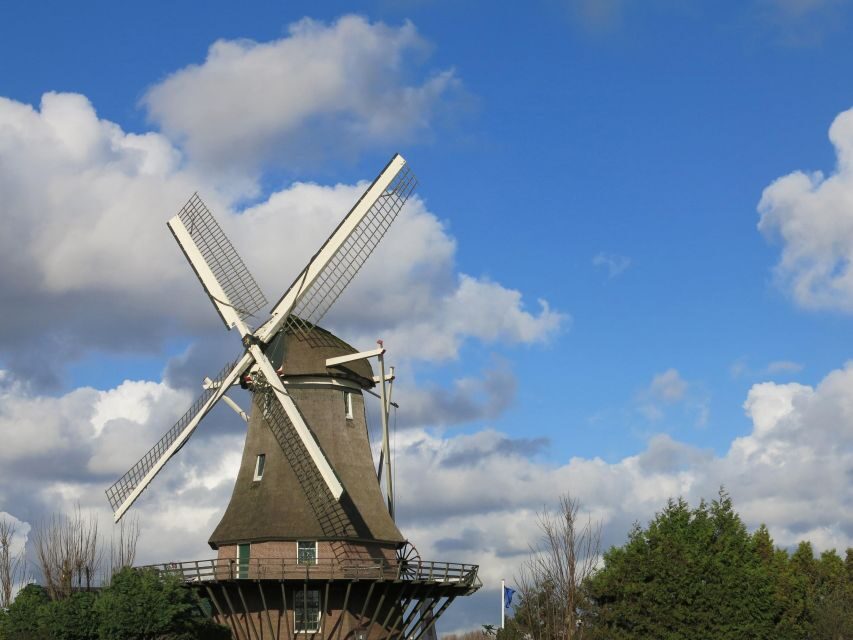
- A functioning water-pumping windmill that still helps manage water levels in Amsterdam West
- 1847-built mill experience with real machinery explanations
- Sail movement you can actually see while the mill is operating
- Panoramic views from the top toward canals and the Ringvaart area
- Wax figures linked to Rembrandt van Rijn, painted characters you can view in the attic
Why a working Sloten Windmill is a standout Amsterdam West stop
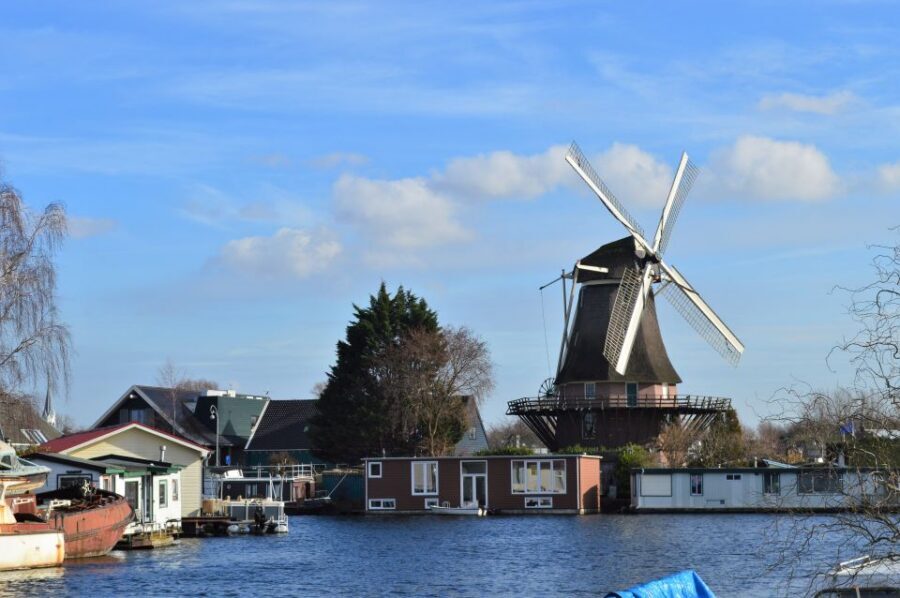
Amsterdam gets credit for canals, bikes, and charming streets. But the Dutch secret weapon is water management, and that’s what you’ll get here. The Sloten Windmill in Amsterdam West isn’t just decorative. It controls water levels in the low-lying area and shows how wind power was put to work for daily survival.
Even better, this mill is one of the few open to the public. So you’re not just learning about windmills in theory. You’re standing inside a place built to do a job, with a guide translating what you’re seeing into something you can picture.
The tone of the tour tends to be hands-on and specific. In the reviews, I saw comments about the guide adjusting the brake on the sails during the visit, and about guides being volunteers who care deeply about keeping the mill working. That kind of attention changes what you notice. When people are proud of the details, you catch the small stuff, too.
You can also read our reviews of more guided tours in Amsterdam


Finding Molen van Sloten: the souvenir shop meeting point
You’ll start at Molen van Sloten (1990) & Kuiperij Museum – Windmill, with the tour entrance located in the souvenir shop. That detail matters because windmill sites can look straightforward on maps, but meeting points aren’t always where you expect.
Plan to arrive a few minutes early so you’re not rushing when the group is ready to go inside. The tour is only 45 minutes, and that means there’s little slack once it starts.
If you’re combining this with other Amsterdam West plans, treat it like a quick “must-do” window. It’s easy to fit, but you’ll enjoy it more if you’re not trying to sprint between neighborhoods right before your slot.
What you do during the 45-minute guided tour
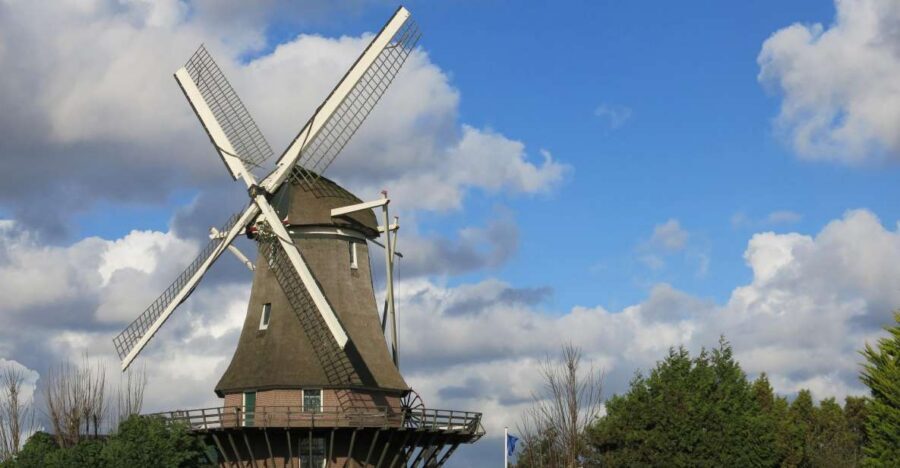
This isn’t a long museum loop. The flow is designed for one big idea: understand how this windmill protects the area from flooding and how the mechanism works while you’re inside.
Step 1: Meet, then follow the guide into the mill
You’ll begin with your guided visit and then move through the mill with the guide explaining what you’re looking at. The key point here is that the tour is structured around the working parts and what they do, not just the building’s appearance.
Step 2: Learn the history tied to Sloten and Old Osdorp
As you move upward, you’ll hear stories connected to nearby villages like Sloten and Old Osdorp. That context helps you see the mill as part of a lived landscape, not an isolated photo backdrop. It also reinforces why this site could be so important in a low-lying region where water control wasn’t optional.





Step 3: See how wind power ties to water control
The guide explains how the mill functions as a water-pumping setup. You’ll also learn why this mattered specifically for Amsterdam West: without a system like this, low areas could be at serious risk.
The best part is that you don’t have to be a technical person to follow. The tour is short, but the explanations aim to connect cause and effect: wind pushes sails, machinery drives the work, and that work helps keep water levels controlled.
Step 4: Attic time for the Rembrandt-painted wax figures
In the attic, you’ll find wax characters painted by the iconic Dutch painter Rembrandt van Rijn. This is a delightful change of pace. After the machinery talk, the scene shift makes the mill feel even more like a human place, with art showing up where you might not expect it.
Step 5: Top views and a canal panorama
Finally, you’ll enjoy panoramic views from the top. The highlight you’re most likely to notice is the Ringvaart Canal area and the surrounding canal network.
That view is more than a postcard moment. It helps you connect the “why” of the windmill to the “where” of the water. When you can see the canal system and the flatness of the area, the whole flood-prevention idea clicks into place.
Watching the sails turn: the moment it gets real
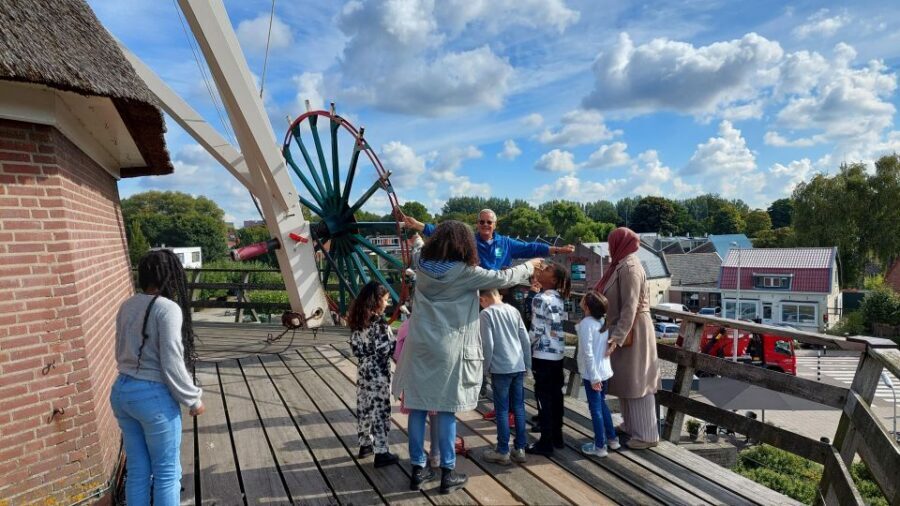
If you’re deciding based on one thing, make it this: you’ll see the wings turn on a functional windmill. It’s one of the big reasons the tour feels worth it for people who already know what windmills look like.
A lot of windmill visits stop at photos. Here, you’re watching the motion and getting explanations for what’s happening while it operates. That’s the difference between passively viewing and actively understanding.
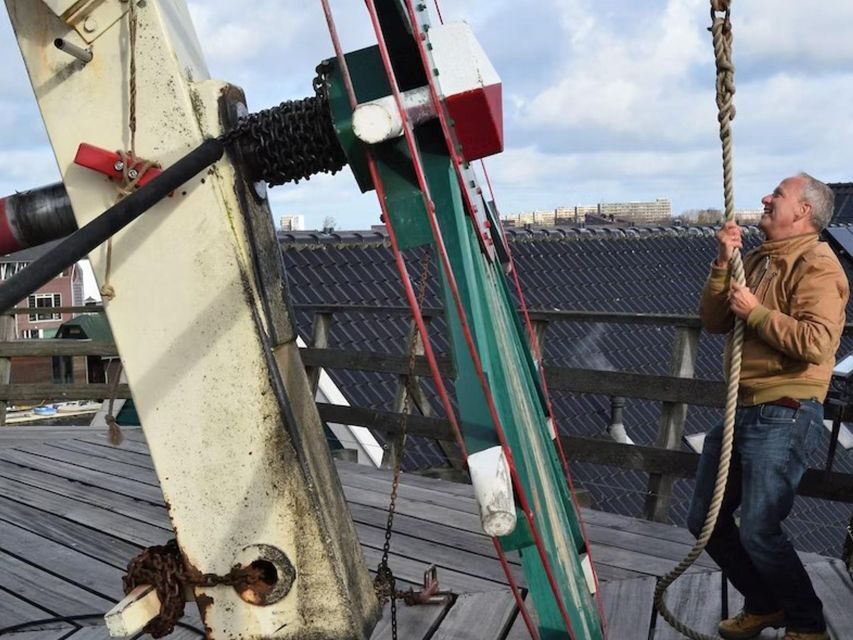
In at least one visit, the guide even adjusted the brake on the sails during the tour. Whether it happens during your slot or not, that detail signals the kind of on-the-ground maintenance and care the site depends on. It also hints that the tour is guided by people who pay attention to how the system runs, not just how to describe it.
The Dutch “keep your feet dry” lesson, explained in human terms
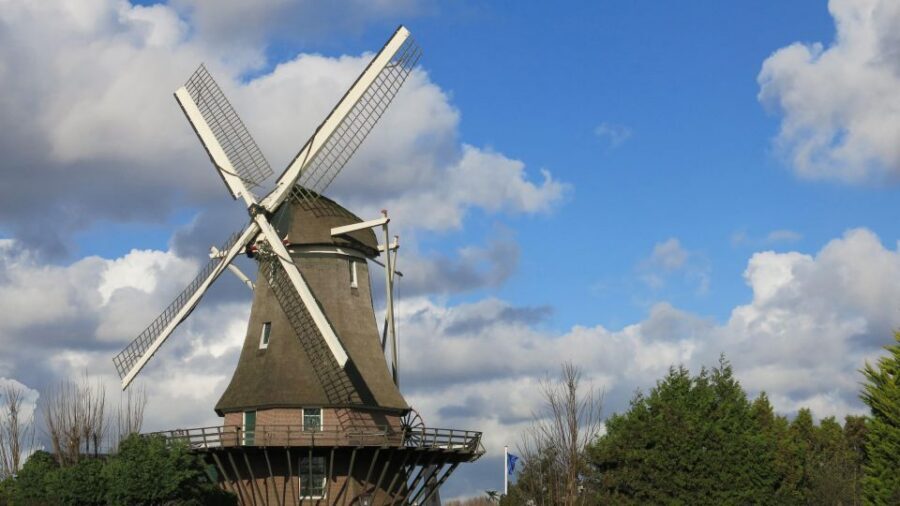
Dutch water control is often discussed in big-picture numbers. This tour keeps it grounded. The guide’s goal is to show how the windmill protects Amsterdam West and keeps water levels in check in a low-lying area.
The mill dates back to 1847, which matters because it shows the longevity of the water-management challenge. This wasn’t a quick fix. It was something that had to work reliably for generations as conditions and needs changed.
A guide-led explanation also helps you understand the logic behind why windmills were so useful. Even if you’ve heard the general story before, you’ll probably leave with a clearer mental map of what the mill is doing and how that connects to the canals you see from above.
The Rembrandt wax characters: art in a working mill
Yes, you came for the windmill mechanics. But the attic stop is a nice surprise, and it gives you a breather from technical talk.
Wax figures painted by Rembrandt van Rijn add a distinctly Dutch, cultural twist to a structure that’s otherwise all function. The effect is small but memorable: the mill feels like it belongs to Dutch history as a whole, not only to engineering history.
It’s also a good moment for kids or anyone who gets impatient with nonstop explanation. You’ll get something visually engaging before finishing with the top views.
Views from the top: what you should look for
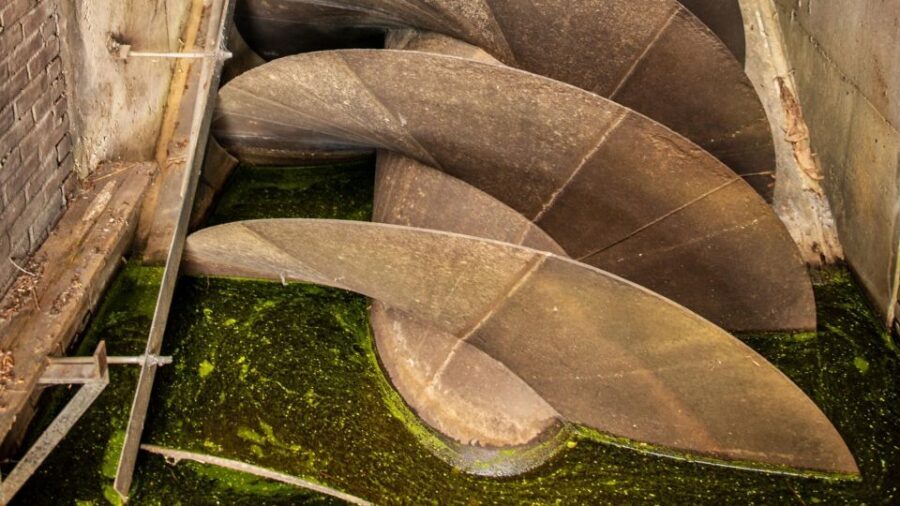
From the top, you’ll get panoramic views of the Ringvaart Canal and nearby areas. What I suggest you focus on is how flat the region looks and how the canal lines frame the surroundings.
Those views help you understand why a pumping windmill mattered. When water has room to spread, controlling levels becomes a constant priority. This is the kind of insight that’s hard to pick up from street-level Amsterdam alone.
If your goal is photography, go in with a simple plan: aim to capture the canal line and the general geometry of the area. The site gives you the height you need to make sense of the local water system.
How much time you really need (and what 45 minutes feels like)
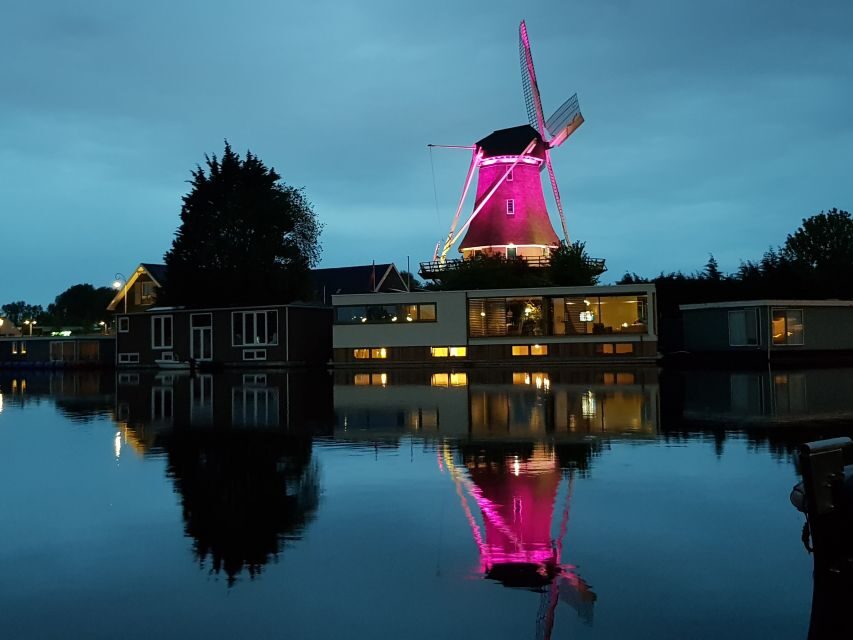
The whole guided tour is 45 minutes, including the time spent moving through the mill and learning. That duration is a strong point for practical tourists.
You can do this without sacrificing your whole day. It also means the guide’s explanations are likely to stay focused. If you like efficient tours where you get the core ideas without wandering for an hour just to “see more,” this matches your style.
The main drawback is simple: if you want slow, unhurried browsing or lots of extra questions with no time pressure, this format may feel brief. The tour is built to fit, not to sprawl.
Language options and guide style you can expect
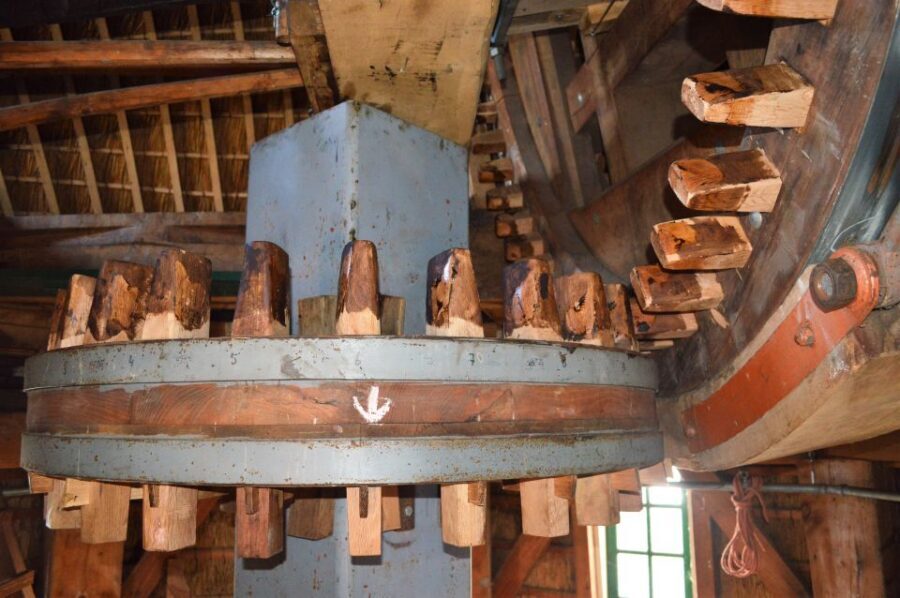
The tour offers live guidance in English, Dutch, and German. If you’re visiting with a group, this is helpful for mixed-language families.
From the review feedback, there’s a consistent theme: guides are volunteer-run and take pride in maintaining the mill. That shows up in the tone. You’ll likely get clear explanations and a friendly attitude toward questions.
One traveler specifically noted that the tour was perfectly explained and another mentioned technical details. So if you like your explanations to include how things actually work, you should be in the right place.
Practical value: is $9 really worth it?
At $9 per person (for a 45-minute guided, entrance-fee-included experience), this is strong value by Amsterdam standards. You’re paying for three things at once: access to a working windmill, a live guide, and a structured way to understand Dutch water control.
What makes the price feel fair is that you’re not only buying entry to a building. You’re getting interpretation. And you’re visiting a site that’s not always open, which matters if you’ve been touring Amsterdam and looking for experiences beyond standard canal cruises.
Also, skipping the ticket line can save a bit of hassle when you’re on a schedule. It doesn’t turn this into a “fast and frantic” stop. It just removes friction.
Who this tour suits best
This is ideal if you:
- Want a family-friendly, hands-on Dutch experience that’s still short enough to manage
- Like your sightseeing grounded in how the world works
- Are curious about why the Netherlands stays dry and how wind power helped make that possible
- Want a change of pace from typical canal-only Amsterdam days
It’s also a good fit if you’re a practical traveler who prefers small, focused tours rather than big, generic ones.
The one group to note: unaccompanied minors aren’t allowed. And children under 12 must be accompanied by an adult. So if you’re traveling with young kids, you’re fine as long as you come together with an adult.
Should you book this Amsterdam-Sloten Windmill tour?
Book it if you want a real working windmill experience with a guide who focuses on function and meaning. For the price, it’s hard to beat: you’ll learn how water control works, you’ll see the sails turning, and you’ll get canal views from up top, all in under an hour.
Skip it only if you strongly prefer longer guided tours, want a stop built around food and downtime, or you’re traveling with children where the no unaccompanied-minors rule would be a problem.
If your Amsterdam trip includes Amsterdam West or you just want one authentic, non-tour-bus activity that teaches something useful, this is the kind of stop that makes the rest of the day feel smarter.
FAQ
How long is the Amsterdam Windmill Guided Tour?
The tour lasts 45 minutes.
How much does it cost?
It’s priced at $9 per person.
Where do I meet for the guided tour?
The guided tour entrance is in the souvenir shop.
What’s included in the price?
Entrance fees and a tour guide are included.
What languages are available for the live tour?
The tour is available in English, Dutch, and German.
Is the tour wheelchair accessible?
Yes, it is wheelchair accessible.
Are unaccompanied minors allowed?
No. Unaccompanied minors are not allowed.
Do children under 12 need to be with an adult?
Yes. Children under 12 years old must be accompanied by an adult.
Can I cancel for a refund?
Yes. Free cancellation is available up to 24 hours in advance for a full refund.