REVIEW · AMSTERDAM
Guided Walking Street Food Tour of De Pijp & Beyond
Book on Viator →Operated by Hungry Birds Street Food Tours Amsterdam · Bookable on Viator
Street food can teach Amsterdam fast. This guided walk turns Albert Cuyp Market and De Pijp into a practical food map, with stops that reflect real neighborhoods—not a checklist of tourist bites. I like that the guide uses the food route to explain everyday life in the city as you stroll through streets you could easily walk past on your own.
Two things I’d call out right away: you’ll sample at least seven local street foods plus a few drinks, and the guide storytelling is built around how those foods fit into Amsterdam life. In the feedback, guide names like Sharmain (great banter, reads the group well) and Sara (knowledgeable and fun, food in historical context) come up often.
One consideration: this is a 4 to 5 hour walking tour, and your best experience depends on being ready to eat on the move. If you’re not into multiple small tastings, the value can feel harder to justify, even though the portions are meant to add up.
In This Review
- What Makes This De Pijp Street Food Walk Worth Your Time
- Albert Cuyp Market: Getting Oriented at Amsterdam’s Best-Used Food Stop
- De Pijp Streets: Toko Stops, Dutch Classics, and a Few Curveballs
- How the Guide Turns Tastings Into Context (Sharmain and Sara Are Noted)
- The Practical Pace: Timing, Group Size, and What 4–5 Hours Feels Like
- Food Value: Why $155.68 Can Make Sense Here
- Logistics That Actually Matter on the Day
- Who This Tour Fits Best (And Who Might Prefer Another Plan)
- Should You Book Hungry Birds’ De Pijp Walking Street Food Tour?
- FAQ
- Where does the tour start?
- What time does it start?
- How long is the walking tour?
- What food should I expect to try?
- What languages is the tour offered in?
- How big is the group?
- Where does the tour end?
- What is the cancellation window?
What Makes This De Pijp Street Food Walk Worth Your Time
- A small max group of 8 keeps the pace human and helps the guide manage questions while you’re eating.
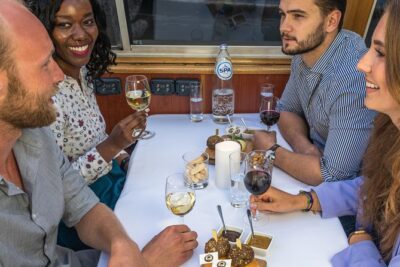
- At least 7 street foods plus drinks means you get variety in one afternoon without hunting each item down.
- Local focus on De Pijp is the whole point: small families, neighborhood spots, and food traditions you’d miss on a bus tour.
- Albert Cuyp Market as a starting anchor gives you a quick orientation to Amsterdam flavors and the market rhythm.
- International options show up naturally (Indonesian, Surinamese, Japanese) so you taste more than just Dutch classics.
- You learn by walking—the route helps you connect foods to the streets and shopfronts where they belong.
Albert Cuyp Market: Getting Oriented at Amsterdam’s Best-Used Food Stop
Your tour begins at Albert Cuypstraat 75, right by the area that feeds a lot of Amsterdamers day-to-day. The logic here is smart: markets are where locals make quick decisions, grab comfort food, and compare new vendors to old favorites. In about 45 minutes, you’re not trying to see everything—you’re learning how this place thinks.
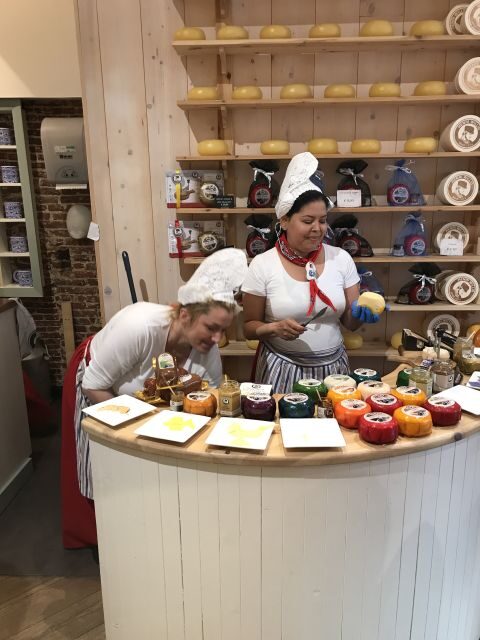
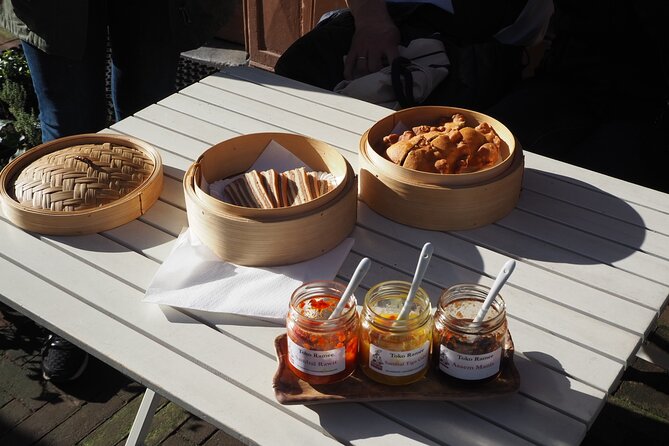
At this first stop, you’ll visit small family businesses and a mix of vendor types—traditional counters, market stalls, and newer food entrepreneurs. The tasting mix is designed to cover Dutch staples and then branch out. You can expect hits like herring, broodje pom (a Dutch sandwich-style favorite), kroket, and stroopwafels, plus pastry options. The tour also leans into international street food influences you can taste across Amsterdam, with examples like Indonesian, Surinamese, and Japanese-style foods.
What I like for you here is the reset it gives. If you’ve just arrived in Amsterdam, you’ll often feel that the city is big and the food scene is scattered. This stop compresses it. You leave with a better sense of what you should look for later in neighborhoods, and how to read a menu that might not be written for tourists.
A small drawback: because it’s a market, it can be busy and close. Come ready for standing, grabbing, and moving fast. If you get overwhelmed in crowds, plan to keep your focus on the next tasting rather than trying to absorb the whole space.
You can also read our reviews of more tours and experiences in Amsterdam.


De Pijp Streets: Toko Stops, Dutch Classics, and a Few Curveballs
After the market, the tour shifts into the neighborhood mood of De Pijp. This is where the walk becomes more than eating—it becomes route knowledge. You’ll cover about 3 hours around narrow streets and small storefronts, the kind of streets that don’t look like “attractions,” but feel like real Amsterdam when you’re there.
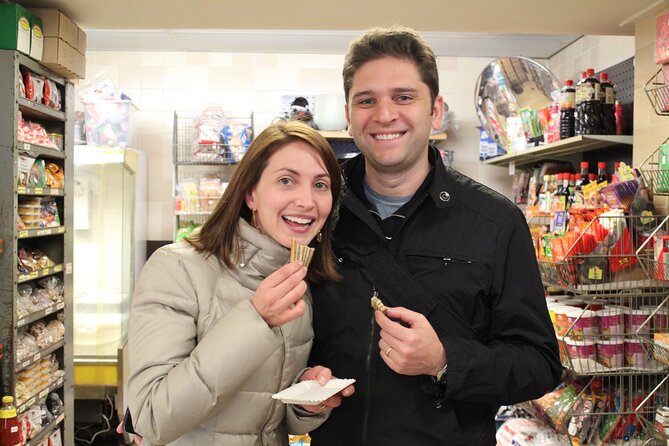
The neighborhood stop is built around toko’s—small grocery stores and eateries where you’ll often find Indonesian or Surinamese food and lots of Asian pantry products. You get a sense of how Amsterdam’s immigrant communities shape everyday cooking and snacking. It’s not a lecture; it’s a street-level way to notice what locals buy, how they package it, and what types of flavors stay consistent.
You’ll also hit the Dutch street-food menu that De Pijp is known for: herring, fries, kroket, poffertjes, and stroopwafels show up again in different forms. Then the tour throws in international newer spots too, like Japanese-style sandos. That mix matters. If your goal is to understand Amsterdam food, you want both the classics people keep ordering and the cross-cultural stuff that keeps changing.
One thing to keep in mind: because this part is more walking than the market, you’ll feel it in your feet. The upside is that De Pijp rewards slow attention—watching storefronts, small lines, and the flow of people buying takeaway food. You’re learning how the neighborhood works without needing a guidebook page.
How the Guide Turns Tastings Into Context (Sharmain and Sara Are Noted)
The best food tours don’t just hand you snacks. They connect the dots—why a food shows up here, who it’s for, and what it reflects about the city. This one leans into that approach, with guides described as able to manage the group and keep the energy light.
In the feedback, Sharmain is mentioned for strong banter and for reading the group as you move around. Sara comes up for being knowledgeable and fun, with a focus on food in context—how street food fits into Amsterdam’s history and daily habits. Even if your guide is someone else, the pattern is clear: you should expect an English-speaking guide who can explain what you’re tasting in plain, practical terms.
For you, this matters because it changes what you do after the tour. Instead of remembering a list of dishes, you’re more likely to remember what to look for: the kind of places that serve quality fast, the flavors that pair well, and the neighborhood logic behind where street food lives.
The Practical Pace: Timing, Group Size, and What 4–5 Hours Feels Like
This is scheduled for an 11:00 am start and runs about 4 to 5 hours. With a maximum of 8 travelers, the pacing usually stays manageable. Smaller groups mean fewer awkward stops where everyone hesitates, and more time for the guide to keep things moving without rushing the story.
Also, since the tastings are spread across two areas, you’re not stuck in one location for the entire tour. You get a market burst at the beginning, then a neighborhood walk that turns you into a more confident pedestrian. The route is designed for orientation as much as for food.
One practical tip: bring comfortable shoes and keep some water handy, even though drinks are part of the plan. Amsterdam afternoons can shift between mild and cool, and if you’re eating a lot, you’ll want to stay comfortable rather than powering through.
Food Value: Why $155.68 Can Make Sense Here
Let’s talk value in real terms. You’re paying $155.68 per person for a guided route that includes at least seven street food tastings plus drinks, with time spent in both a major market area and a neighborhood built around small shops.
If you try to recreate this on your own, the cost can creep up fast. In Amsterdam, you’ll pay for convenience, and the “I’ll just find the next thing” strategy can turn expensive once you’re buying multiple items one by one at places that may not be the best deal. Here, the guide handles sequencing, so you’re not wandering. And the focus on small businesses in De Pijp helps you avoid the most common tourist-trap pattern: expensive food in the wrong place, served like a performance instead of a habit.
You should also think about what you’re buying besides food. The value includes:
- walking time that gives you a usable neighborhood feel,
- guidance on what’s worth ordering,
- and context so you understand what you’re tasting.
That said, if you’re the type who only wants one or two bites and hates line time, you might feel the price more than if you enjoy building a tasting journey. This tour works best for people who like variety.




Logistics That Actually Matter on the Day
A few details can make your day smoother:
- You’ll get a mobile ticket, so you can keep everything simple on your phone.
- It’s in English.
- The group is capped at 8, which is great for pacing.
- It’s near public transportation, which helps if you’re combining it with other plans.
- Service animals are allowed, and most people can participate since it’s a standard walking format (not listed as specialized gear-based travel).
The end location is different from the start. That’s common for neighborhood walks, but it does mean you should plan your next stop with flexibility rather than assuming you’ll end exactly where you started.
If you’re traveling soon: this tour is often booked about 34 days in advance on average. That’s not a panic number, but it’s a sign that popular dates can sell out.
Who This Tour Fits Best (And Who Might Prefer Another Plan)
This tour is a strong match if you want:
- a food route that helps you explore Amsterdam beyond the biggest landmarks,
- street food variety, including Dutch classics and international flavors,
- and a guide who makes the experience social and easy to follow.
It’s also a good idea for first-timers who feel overwhelmed by Amsterdam food options. The two-part structure—market then neighborhood—gives you a clear beginning and then a “keep walking and see how locals shop” feel.
You might want a different style of tour if you:
- don’t eat much (the tastings won’t land for you),
- have mobility limits that make 4–5 hours of walking hard,
- or dislike guided groups and prefer fully self-led exploration.
Should You Book Hungry Birds’ De Pijp Walking Street Food Tour?
If your goal is to eat well while learning how Amsterdam neighborhoods actually work, I’d book it. The combination of Albert Cuyp Market energy and the De Pijp toko-and-street-food mix is exactly what makes this kind of tour useful. You’re not just collecting snacks; you’re building a map in your head.
Book this one if you’re excited by variety—herring, kroket, stroopwafels, and the international street influences you’d otherwise have to chase. If you’re budget-strict and picky about eating “too much,” check your appetite first. For the price, the main question is simple: do you want a planned tasting route with expert sequencing and local flavor focus?
FAQ
Where does the tour start?
It starts at Albert Cuypstraat 75, 1072 CN Amsterdam, Netherlands.
What time does it start?
The start time is 11:00 am.
How long is the walking tour?
It runs about 4 to 5 hours.
What food should I expect to try?
You’ll try at least seven local street foods, along with a few drinks. Examples include herring, broodje pom, kroket, stroopwafels, fries, poffertjes, and Japanese sandos.
What languages is the tour offered in?
The tour is offered in English.
How big is the group?
The tour has a maximum of 8 travelers.
Where does the tour end?
It ends in a different location. The exact end details are provided separately.
What is the cancellation window?
You can cancel for a full refund up to 24 hours before the experience’s start time. If you cancel less than 24 hours before, it isn’t refunded.