REVIEW · NETHERLANDS
Zeeland Wild Oyster Picking Tour with drink and BBQ
Book on GetYourGuide →Operated by www.zeelandguidedtours.nl · Bookable on GetYourGuide
Wild oysters in Zeeland are a treat you can actually help make. This guided trip in Oosterschelde National Park turns mudflats and tide changes into a hands-on snack, not a museum stop. I also love that you leave with real taste results: oysters you picked yourself, plus cava and BBQ oyster toppings.
One thing to consider: you’re walking in mucky tidal areas, and the start time depends on low water—so bring the right shoes and clothing, or you’ll feel every step.
In This Review
- Key highlights at a glance
- Oysters in Oosterschelde: why this tour feels different
- Meet at De Heerenkeet: coffee, safety, and tide timing
- The tidal walk: what you’re actually learning out there
- Picking wild oysters responsibly (and without breaking your hands)
- From reef to plate: raw oysters, BBQ toppings, and cava
- BBQ oyster tasting: what to watch for when you choose your style
- Price and value: is $34 worth 2 hours of tide-and-oyster time?
- What to bring (and why it matters more than you think)
- Languages, group vibe, and how to handle the time limit
- Who should book this oyster-picking tour?
- Book it or pass: my honest take
- FAQ
- Where does the tour start?
- How long is the Zeeland wild oyster picking tour?
- What is included in the price?
- What should I bring with me?
- What equipment is not included?
- Do I need to bring rain gear?
- Is it a boat tour?
- When does the tour run?
- What languages are available for the guide?
- Can I cancel for a full refund?
Key highlights at a glance
- De Heerenkeet welcome: coffee or tea first, then a relaxed safety briefing that sets expectations
- Tide-timed walking: you see how the Oosterschelde works when the sea withdraws
- Picking with real guidance: learn what to look for, and how to do it responsibly
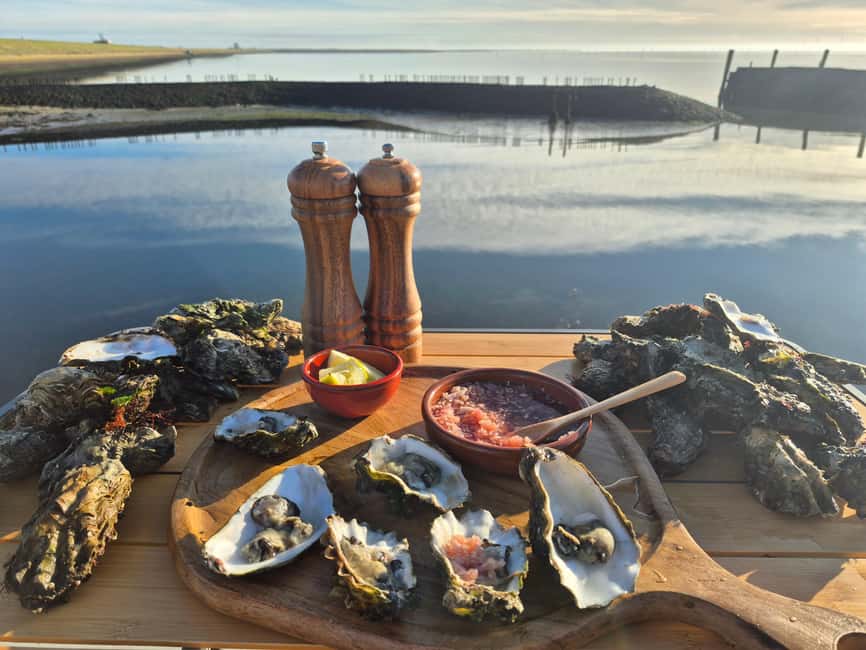
- Reef-to-plate tasting: enjoy oysters in natural raw form and also on the BBQ
- A glass of cava: a simple drink pairing that fits the salt-air setting
- Small-scale, respectful approach: focus stays on the ecosystem, not taking shortcuts
Oysters in Oosterschelde: why this tour feels different
Zeeland does seafood in a practical way. Not in a fussy, plated-for-instagram way. This tour gives you the full story of wild oysters in Oosterschelde National Park: where they grow, why the tides matter, and how that changes what you’ll taste.
The big difference here is that you don’t just watch someone else do the work. You get boots-on-the-ground guidance, then you pick the oysters yourself. That turns the whole experience into something you can remember with your hands as much as your brain.
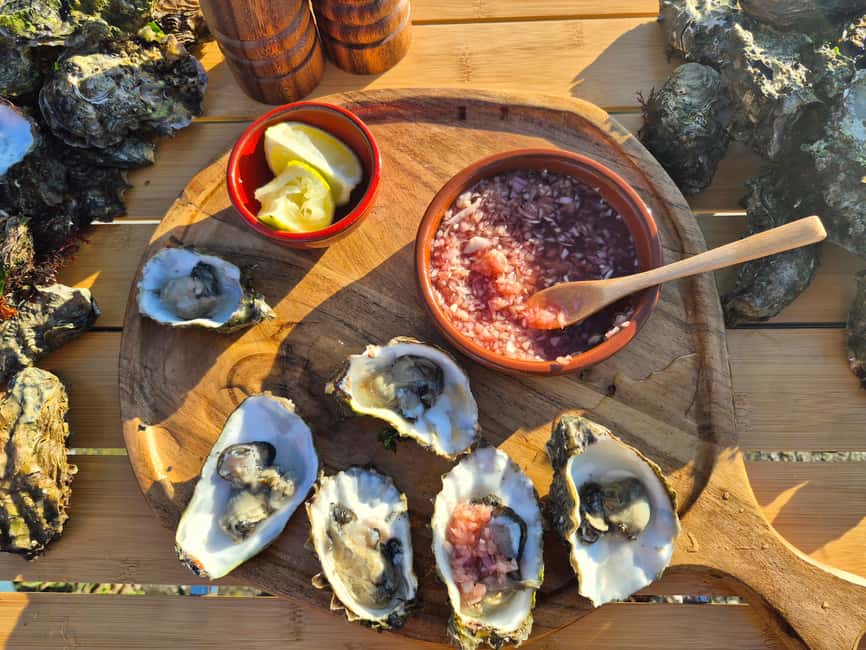
And yes, you still eat well. After the walk and picking, you clean and open the oysters on the spot. Then you can choose what you want: raw, natural oysters with that straight salt-and-brine flavor, or warm BBQ oysters with toppings. Add a glass of sparkling cava, and you’ve got a simple meal that feels connected to the place you were just standing in.
You can also read our reviews of more tours and experiences in Netherlands.


Meet at De Heerenkeet: coffee, safety, and tide timing
You start at Restaurant De Heerenkeet, with your guide waiting at the entrance. Before you head out, you get coffee or tea. It’s a small thing, but it matters—especially if it’s cool or windy when you arrive. You’re not thrown straight into the cold sea-air chaos.
This is also where the tour lays out the rules. You get a safety briefing and learn what to expect from the tidal zone. You’ll be told how to interact respectfully with nature and how responsible picking works. You’re also introduced to how the Oosterschelde behaves: saltwater, tidal movement, and the underwater life that depends on those rhythms.
The start time depends on the tide. That’s not just trivia. It changes the whole experience because you head into the zone when the sea has withdrawn enough for walking. If you’re someone who hates waiting around, this may feel like the one part you can’t fully control. But it’s also exactly why the tour works.
The tidal walk: what you’re actually learning out there
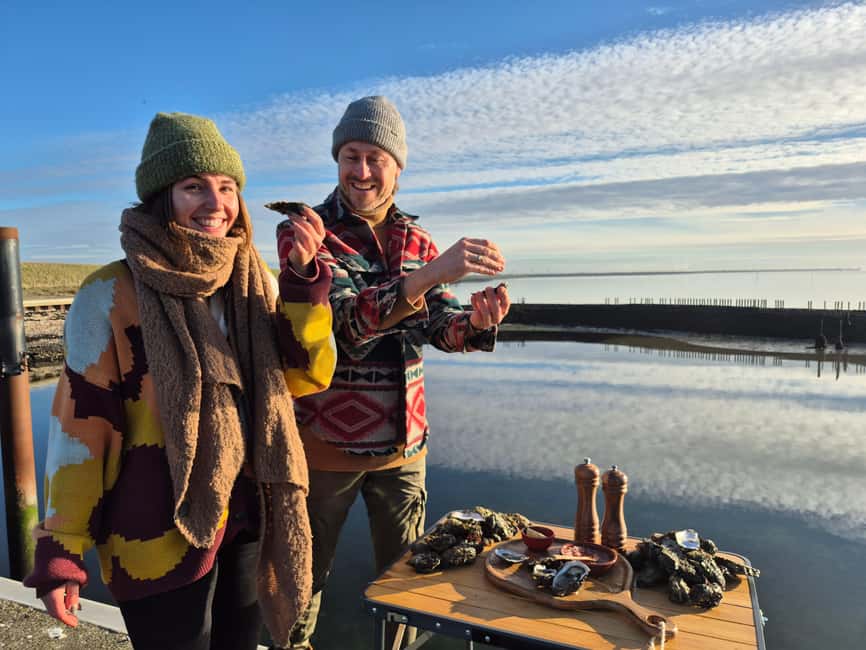
After the intro, you head into the tidal zone. You’ll walk across mudflats and sandbanks—areas that are usually under water and become passable when the tide is out. This is where the Oosterschelde National Park comes alive in a way photos can’t copy.
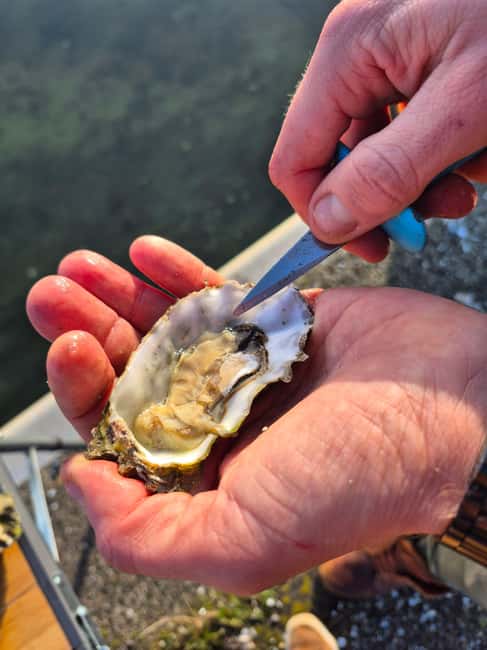
You learn how to recognize a good oyster and what to look out for when picking. That’s the practical side. But there’s also the ecosystem side: you’re taught how the environment supports the oysters and why conditions affect flavor and quality. Even without heavy science talk, you start to understand that oysters aren’t a generic product. They’re tied to season and tide.
Your guide also keeps it real with safety and respect. You’ll get professional guidance while you’re out there, and the tour stays small-scale. That matters because wild oyster picking needs boundaries—both for safety and for the reef.
You may also spot birds foraging or small creatures like crabs moving around. You shouldn’t count on specific sightings, but this is the kind of place where nature keeps moving while you learn.
Picking wild oysters responsibly (and without breaking your hands)
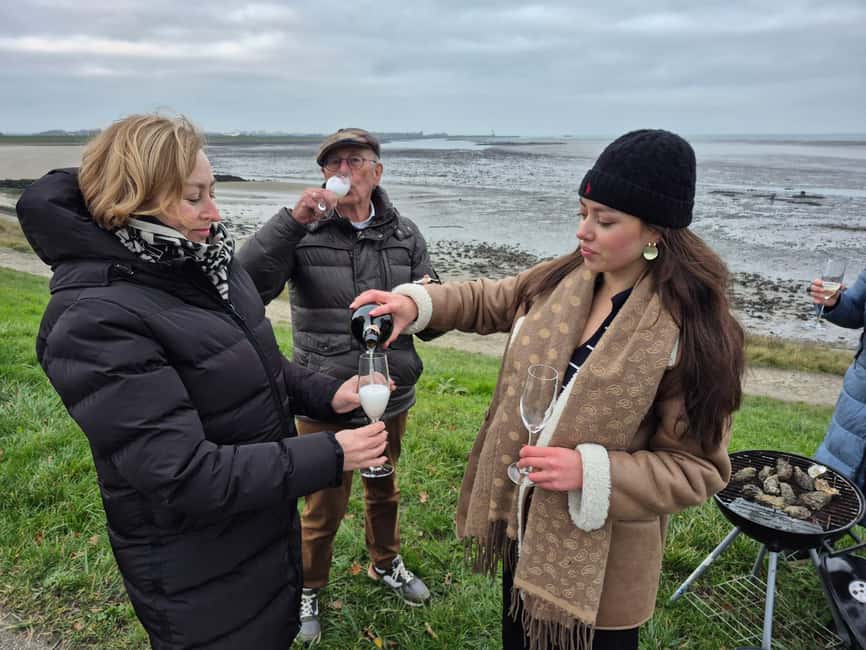
Picking oysters sounds easy until you’re standing in the mud and trying to do it carefully. That’s why the guide-led part is the point. You get a tool—an oyster knife—and you’re guided on how to use it. The tour emphasizes picking on a small scale and responsibly, with respect for the ecosystem coming first.
The responsible part is not just a moral note. It also makes the experience better. When the tour is designed around care, it isn’t rushed, and you’re more likely to learn properly instead of just grabbing and going.
You’ll also hear about which oysters make sense for which preparation. Some are better eaten raw, while others work best for the BBQ. That’s a fun twist because it turns picking into a decision-making process, not just a collection mission. It also helps you leave knowing why your meal tasted the way it did.
One practical thought: the tour notes that you should bring work gloves and a towel, but those items aren’t included. If you show up empty-handed, you may still be able to pick, but your comfort level will drop. Bring gloves if you have them. Your hands will thank you.
From reef to plate: raw oysters, BBQ toppings, and cava
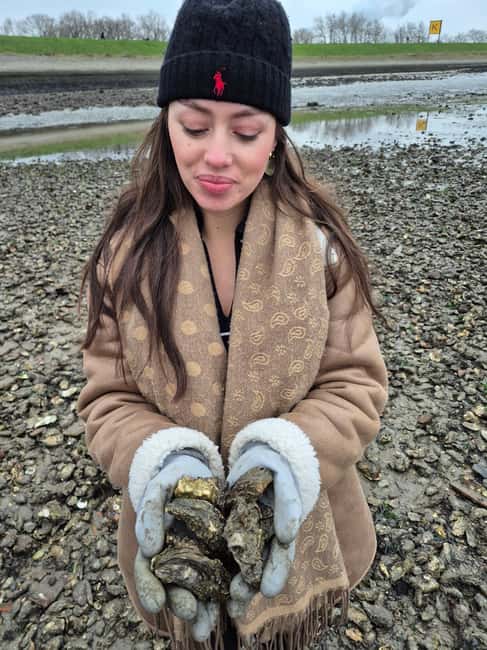
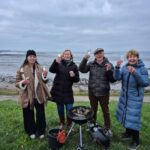
This is the part most people remember. After picking, you return to an outdoor spot where the oysters are cleaned and opened. Then you can choose how you want to eat them.
Raw oysters first, if you’re curious and brave. You get that natural salty taste—the one Zeeland people talk about all the time. Even people who think they don’t like oysters often find the flavor surprising because it’s fresher and more direct than what you’re used to buying in a shop.
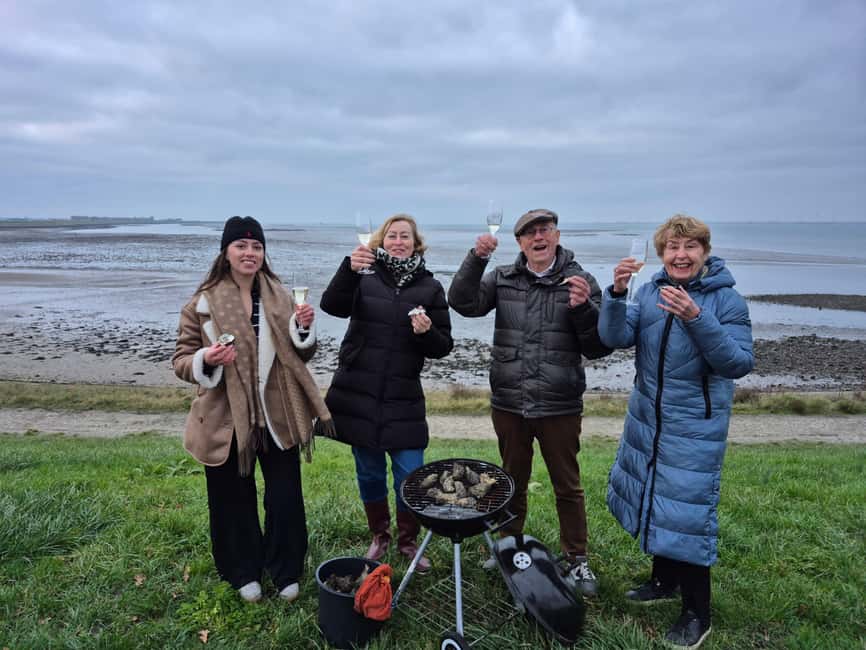
Then there’s the BBQ option. These oysters come warm with BBQ toppings. The tour keeps it simple and outdoors-focused: you smell the sea, hear birds, and eat what you just gathered. It’s slow food in the most literal sense.
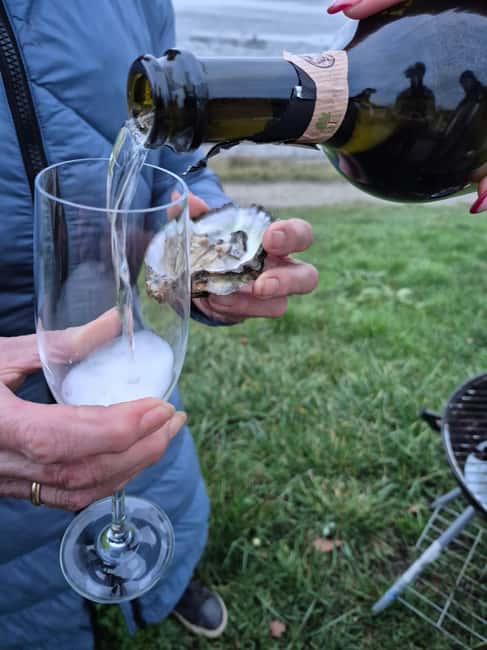
A glass of sparkling cava is included alongside the oysters. It’s a solid choice because it doesn’t fight the brine; it just keeps the meal festive. If you like your drinks crisp and light, this pairing makes sense.





BBQ oyster tasting: what to watch for when you choose your style
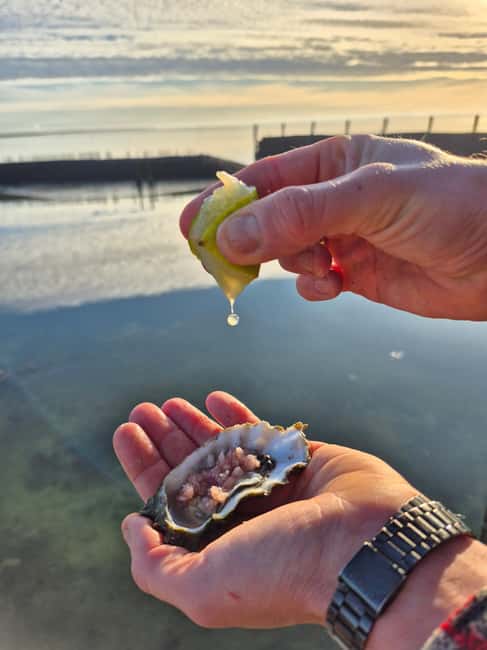
One of the smarter parts of this tour is that it gives you a reason to pick oysters in different ways. The guide explains that certain oysters shine raw, and others are better suited for the BBQ. That means you’re not locked into just one eating style.
Here’s how I’d think about it as a first-timer:
- If you want the most authentic taste, start with the raw oysters. Ask the guide what you grabbed and what to expect.
- If you’re unsure about strong brine, go BBQ first. Warm oysters and toppings can feel more approachable while still staying true to the wild ingredient.
- Try both if you can. You’ll learn faster because you’ll taste the difference.
Also, the BBQ isn’t just an add-on. It’s part of the tour’s flow: walk, pick, then cook and eat outside. If your goal is a full nature-and-food afternoon, this is built for that.
Price and value: is $34 worth 2 hours of tide-and-oyster time?
At about $34 per person for a 2-hour experience, this can be good value if you factor in what’s included versus what you’d otherwise pay for separately.
Included:
- coffee or tea at the start
- safety briefing and professional guidance
- oyster picking with an oyster knife
- oyster tasting (including cleaned/opened oysters)
- a glass of sparkling cava
- BBQ oysters with oyster toppings
What that means in plain language: you’re paying for the guided access to the tidal zone, the know-how for responsible picking, and the meal. If you’ve ever tried to do something like this on your own, the missing piece isn’t just gear—it’s knowing what to pick and how to do it safely.
Potential extra costs (or annoyances):
- You may need to buy or rent gear you don’t already own, like gloves, waterproof footwear, and a towel.
- If you forget rain gear or muddy-shoe setup, you’ll still go—but you’ll feel uncomfortable, and you’ll need change of clothes.
If you already own water shoes and a windproof jacket, the tour’s value jumps. If you don’t, set aside a little budget for basics so the experience stays fun.
What to bring (and why it matters more than you think)
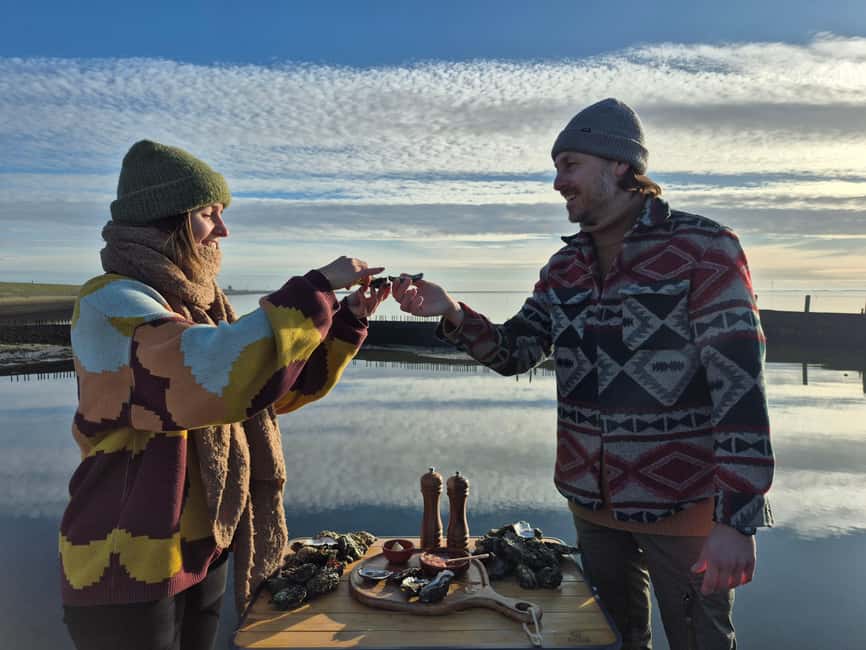
This tour is weather-and-tide dependent, and it involves mud. So your packing list is really about comfort and safety.
Bring warm clothing and windproof/waterproof layers. A jacket that can handle wind helps a lot when you’re outside near tidal areas. Also bring a change of clothes. Even if you keep things careful, you’ll likely get damp from the ground and sea air.
For footwear, the guidance points you toward closed-toe, waterproof shoes or water shoes. You’re walking about 500 meters, and you’ll likely be stepping over wet, uneven ground. If you wear sneakers you care about, you’re taking a risk.
Other useful items:
- small towel and work gloves (not included)
- sunscreen and camera (it’s outdoors time)
- rain gear if the forecast looks messy
- cash (it’s listed as something to bring)
- clothes that can get dirty
Not included items to note:
- bucket, hammer, flathead screwdriver, and similar tools
- rain boots
- clean shoes for the restaurant
Also: the tour asks you to not litter. It’s a small rule, but it helps keep the place healthy for the next low tide.
Languages, group vibe, and how to handle the time limit
The tour runs in Dutch, German, and English. That’s helpful if you’re not Dutch-speaking, and it’s a good sign that the guide can explain both safety and picking clearly across languages.
Duration is about 2 hours, so it’s not a long wandering day. It’s designed for focus: walk, learn, pick, taste, and move on. That makes it a nice option if you want something hands-on without eating your whole afternoon.
One practical detail: the toilet is at the starting point. So handle it before you head out. Once you’re in the tidal zone, you’re living that “nature rules” version of timing.
Who should book this oyster-picking tour?
Book it if you:
- want an active food experience, not just a tasting
- enjoy learning by doing
- like nature with practical context (tides, saltwater ecosystems, and responsible harvesting)
- eat oysters and want to taste them in both raw and BBQ styles
Skip it if you:
- can’t handle walking in muddy, wet terrain
- are expecting a boat tour (this is not one)
- don’t want to follow tide timing
Wheelchair users are listed as not suitable. If that’s your situation, it’s worth looking for a different Zeeland food experience that doesn’t involve tidal walking.
Book it or pass: my honest take
If you want a Zeeland experience that mixes outdoors time with a real meal, this one fits. The value comes from the full loop: coffee and briefing, guided tidal walking, hands-on oyster picking, then cava and BBQ oysters you can connect directly to the place you were just standing.
My advice: treat this as a short adventure with food at the end, not a fancy dinner. Bring the gear, dress for wind and mud, and you’ll walk away with a better understanding of why oysters taste the way they do in Oosterschelde.
If you’re on the fence, decide based on one question: are you willing to get a little dirty for fresh oysters? If yes, book. If no, you’ll probably find it less enjoyable.
FAQ
Where does the tour start?
You meet at the entrance of Restaurant De Heerenkeet in Zeeland.
How long is the Zeeland wild oyster picking tour?
The experience lasts about 2 hours.
What is included in the price?
It includes coffee or tea, a safety briefing, a guided walk, oyster picking and tasting, a glass of sparkling wine (cava), BBQ with oyster toppings, and an oyster knife.
What should I bring with me?
Bring warm clothing, a windproof/waterproof layer, closed-toe waterproof shoes or water shoes, a change of clothes, a small towel, and sunscreen. A camera is also recommended.
What equipment is not included?
Not included are gloves, a bucket, rain boots, a hammer, a flathead screwdriver, and clean shoes for the restaurant. You should also be prepared to take the extra items listed on the tour guidance.
Do I need to bring rain gear?
Yes. The tour guidance specifically asks you to bring rain gear and weather-appropriate clothing since you’ll be walking in muddy tidal areas.
Is it a boat tour?
No, it is not a boat tour. You walk in the tidal zone.
When does the tour run?
Start times depend on the tide, typically low water.
What languages are available for the guide?
The guide offers Dutch, German, and English.
Can I cancel for a full refund?
Yes, you can cancel up to 24 hours in advance for a full refund.