REVIEW · AMSTERDAM
Amsterdam Highlights and History Walking Tour (MUST DO)
Book on Viator →Operated by Trigger Tours · Bookable on Viator
Amsterdam hits you fast, and this walk helps you steer. In just two hours, you’ll connect the dots between Dutch politics, religion, and city design as you move from Dam Square to the UNESCO canal ring and beyond. It’s a small-group tour (max 15) that feels more like a guided stroll with smart commentary than a factory tour.
I especially like how the itinerary mixes big-picture context with specific places you can actually point to. Dam Square sets the political stage, the canal ring shows how engineering shaped daily life, and stops like the Old Church and Beguine courtyard give you human-scale history you can feel.
One thing to plan for: you’ll be walking for about two hours and you need to stay aware of bicycle traffic—so bring good shoes and expect some standing time in busy areas.
In This Review
- Quick reasons this Amsterdam highlights tour earns its ticket
- Starting at Damrak: easy meeting point, quick orientation
- Dam Square: where power, culture, and crowds all meet
- UNESCO canal ring: the city’s engineering story in street-level form
- A 14th-century Beguines courtyard: quieter history in old stone
- Old Church: from Catholic roots to Protestant use to today’s cultural center
- Royal Palace zone: a 17th-century town hall turned royal residence
- Nieuwmarkt: daily market life and the city walls’ old footprint
- Guides and pace: small group energy, moderate walking, real bike awareness
- Value check: why $26.91 can be a smart Amsterdam move
- Who should book this tour (and who should consider alternatives)
- Should you book this Amsterdam Highlights and History Walking Tour?
- FAQ
- How long is the Amsterdam Highlights and History Walking Tour?
- How much does the tour cost?
- Where do I meet the guide, and where does the tour end?
- Is the tour offered in English?
- How big is the group?
- Are food and drinks included?
- Is the tour ticket mobile?
- Is cancellation free if plans change?
Quick reasons this Amsterdam highlights tour earns its ticket
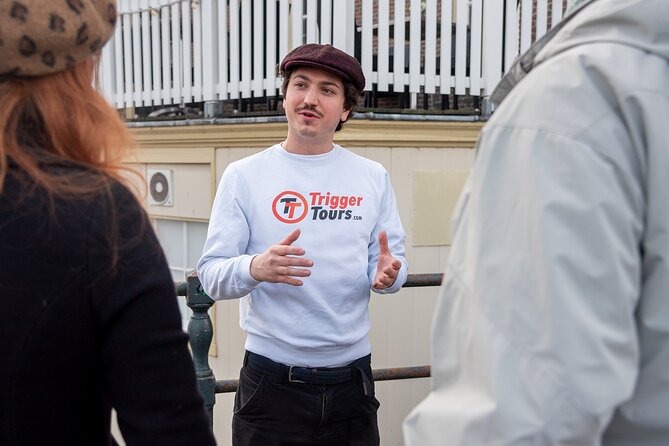
- Small group, big attention: up to 15 people, so your guide can answer questions instead of rushing past.
- A smart route for first-timers: you cover Dam Square, the canal ring area, Old Church, Royal Palace zone, and Nieuwmarkt.
- History with real place names: Beguines, the Old Church’s Catholic-to-Protestant shift, and the Royal Palace’s origin as a town hall.
- UNESCO canals without getting lost: you see the canal ring’s design and why it matters to Amsterdam.
- English guide, mobile ticket: easy to join and follow along.
Starting at Damrak: easy meeting point, quick orientation
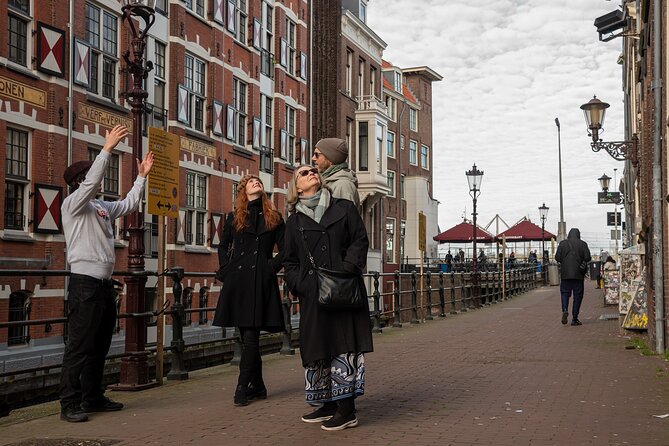
The tour starts near Damrak 1-5 (1012 TM Amsterdam), right in the heart of the city. That’s a big deal because Amsterdam can feel like a maze on day one. Being in this central area means you can arrive by public transportation without a long trek, then use the walking time to get your bearings.
You’ll also get a mobile ticket, which keeps things simple—no paper hunt, no last-minute scrambling. The tour ends back at the meeting point, so it doesn’t strand you across town when you still need time for museums, food, or canal-cruise planning.
This start matters because the tour is designed as an orientation. You’re not just sightseeing—you’re learning how Amsterdam became Amsterdam, step by step, in the city center where most visitors first feel the scale and energy.
You can also read our reviews of more tours and experiences in Amsterdam.

Dam Square: where power, culture, and crowds all meet
Dam Square is one of those places you can’t really skip in Amsterdam. It’s been central to political and cultural life for centuries, and your guide uses it as a reference point for everything that comes after.
Expect stories that connect the square to how the city governs itself and how public space shapes identity. Dam Square is also where the crowd energy is on full display, so it’s a good moment to learn what you’re looking at and why it matters—before you start interpreting canals, churches, and palace-era architecture later.
Practical note: Dam Square is busy and open. The tour pace is described as moderate, but this stop can involve waiting for your guide to finish a point while people flow around you. Keep your footing steady and stay aware of cyclists cutting through nearby areas.
UNESCO canal ring: the city’s engineering story in street-level form
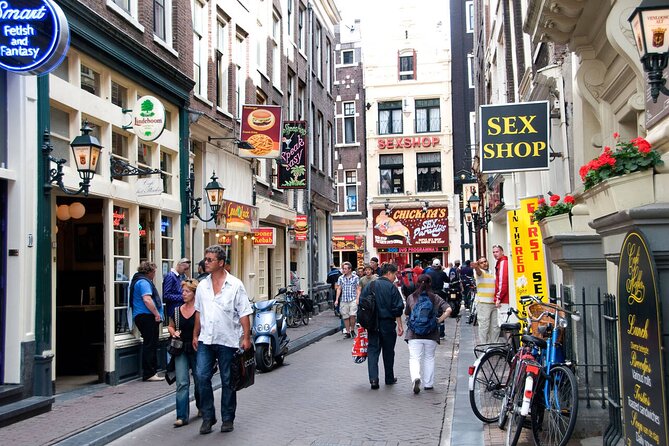
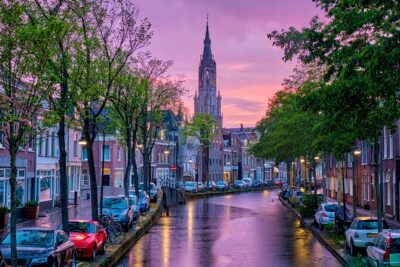
One of the most memorable parts is the canal ring, recognized as a UNESCO World Heritage Site. Your walk treats the canals like more than pretty scenery. You’ll get the city-planning and engineering side—how Amsterdam’s layout helped the city work, grow, and function.
This is where the tour earns its value for first-timers. The canal ring can feel like a postcard wall unless you know what to look for. With a guide, you start seeing how the canals connect districts, how the city’s waterways shape movement, and why this design is so tied to Amsterdam’s identity.
I like this stop because it changes how you experience the rest of your trip. After you understand the canal ring as a planning achievement, you’ll spot patterns faster when you wander on your own later.
A 14th-century Beguines courtyard: quieter history in old stone
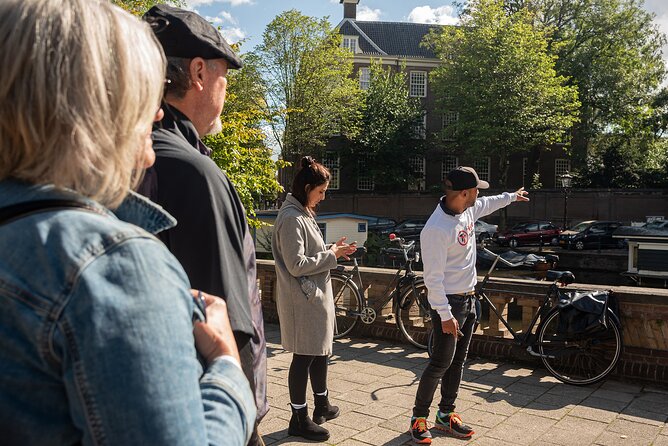
You’ll pass through a historic courtyard dating back to the 14th century, one of the oldest and best-preserved corners of Amsterdam. What makes this stop click is the human story tied to it: it was originally home to Beg uines—religious women who lived in a semi-monastic community.
Instead of only focusing on famous rulers and public buildings, this part brings you into a more intimate world. You’re essentially stepping into a pocket of daily life that doesn’t scream for attention, but tells a big story about how faith, community, and independence shaped the city.
If you like history that feels personal—small-scale, place-based, and specific—this is likely to be one of your favorite moments. It’s also a nice break from the open squares and wide streets.
Old Church: from Catholic roots to Protestant use to today’s cultural center
The tour includes Amsterdam’s Old Church, dating to the 13th century. Your guide explains that it began as a Catholic church, later used by Protestant congregations, and is now a cultural center.
That timeline is the point. Amsterdam’s religious and political shifts show up in architecture and reuse. You’re not just looking at a building—you’re seeing how the same walls adapted to changing eras.
This stop can feel especially meaningful if you’re the kind of traveler who enjoys understanding how cities evolve instead of treating landmarks like museum objects. Even if you don’t go inside (you might find opportunities to attend events elsewhere, depending on schedules), the exterior and guide-led context make it worth the walk.

Royal Palace zone: a 17th-century town hall turned royal residence
Next up is the Royal Palace area. The palace originally started as a town hall in the 17th century, and it now serves as one of the three palaces used by the Dutch royal family. The guide also highlights Dutch classicism and notes that it’s open to the public for tours.
Even if you’re not planning to enter on the same day, this stop connects government history to architecture. You’ll see how the building’s purpose shifted with power and how Dutch classicism fits into the broader story of the era.
One practical consideration: palace buildings and nearby streets can be crowded around sightseeing hours. Wear comfortable shoes and stay patient while your guide finishes the key points.
Nieuwmarkt: daily market life and the city walls’ old footprint
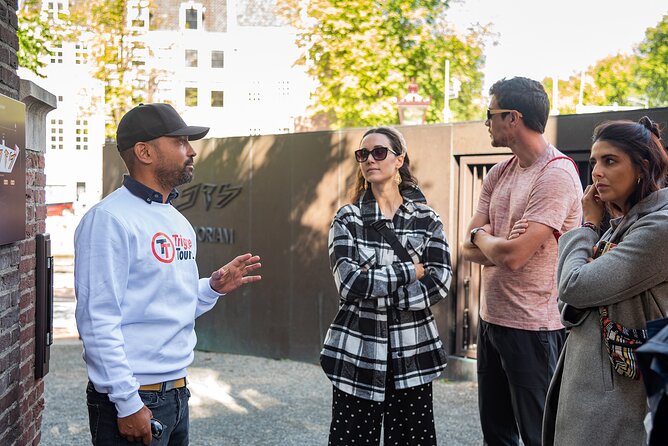
Nieuwmarkt is where the tour links past to present. The square today is busy with a daily market, plus cafes and restaurants. Your guide also ties it to the 17th-century city walls—this area was once part of where Amsterdam defended itself.
This stop works because it’s not just a “look at the old thing” moment. It’s a “watch how the city still functions” moment. Markets keep happening, people still meet in the same general space, and that continuity makes the past feel less distant.
If you want a smooth transition from history mode to eating and wandering mode, Nieuwmarkt is a great place to end with energy. And since the tour returns to the meeting point afterward, you’re free to keep exploring afterward without feeling like you got dropped somewhere inconvenient.
Guides and pace: small group energy, moderate walking, real bike awareness
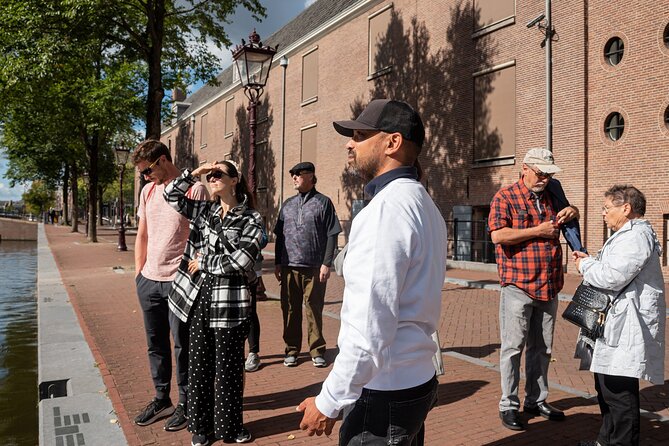
The tour’s structure is built for comfort: a moderate pace over roughly two hours, with a group size capped at 15. In practice, the small group is what lets your guide actually interact—answer questions, respond to what you’re curious about, and keep the stories moving at a speed that feels livable.
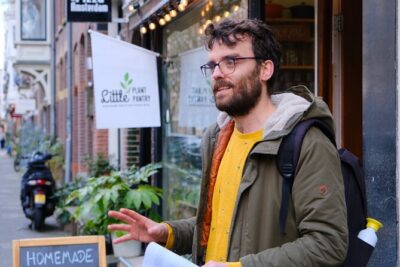
The guide quality shows up consistently in what you can expect from the narration style. Names you may come across include Andrea, Aaron, Aarre, David, Gio, and James, and the common thread is personality plus depth. Guides are described as funny, passionate, and intensely prepared with details on building significance and area history.
Two important “show up ready” notes:
- You must be able to stand and walk for two hours.
- Stay alert to bicycle traffic in and around central streets and squares.
If you’re traveling with limited mobility, this may not be your best pick. If you can handle a brisk walk and crowds, it’s a strong way to get information fast without burning your whole day.
Value check: why $26.91 can be a smart Amsterdam move
At $26.91 per person for about two hours, this tour is priced like a practical orientation. What you get is a local guide and a focused tour of the city center—no food included.
That “no food” detail matters. If you join hungry, you’ll be distracted. I’d plan your meal either before the walk (so you can focus on the stories) or after (so you can turn Nieuwmarkt or nearby spots into your reward).
Here’s the value logic I like:
- You’re paying for guided context that turns recognizable places into a connected story.
- You cover several major areas in one go, which helps when your time is short.
- The small group size means you’re not lost in a crowd of 40 people.
Also, the timing pattern helps. This tour is often booked about 57 days in advance on average, which usually means it’s a popular, steady offering. If you know your dates, booking earlier is a safer move.
Who should book this tour (and who should consider alternatives)
This is a great match if:
- You’re visiting Amsterdam for the first time and want a clean introduction to how the city works.
- You care about history tied to real buildings—church reuse, palace origins, and old community spaces.
- You want a group activity that still feels fun and interactive, including larger groups (the tour max is 15).
This may not be ideal if:
- You dislike walking for about two hours or need frequent breaks.
- You’re uncomfortable around bike traffic and busy city-center movement.
- You’re expecting a food stop—this is sightseeing and storytelling only.
Weather can also affect walking plans. I saw one account of a very bad-weather situation where people missed the tour and reported no refund. So if skies look rough, bring layers, a waterproof jacket, and expect the need to be flexible.
Should you book this Amsterdam Highlights and History Walking Tour?
Yes, if you want a focused, central introduction that helps you understand Amsterdam fast. For $26.91, you get a small-group guide who can connect Dam Square, the canal ring (UNESCO), Old Church, the Royal Palace’s origins, and Nieuwmarkt into one coherent story you’ll remember when you wander later.
Before you book, be honest about the practical stuff. Wear shoes that handle stone streets, plan for bike awareness, and accept that it’s a walking tour—not a sit-and-watch museum day. If that fits you, this is a high-value way to start your Amsterdam time on the right foot.
FAQ
How long is the Amsterdam Highlights and History Walking Tour?
It lasts about 2 hours.
How much does the tour cost?
The price is $26.91 per person.
Where do I meet the guide, and where does the tour end?
The start is at Damrak 1-5, 1012 TM Amsterdam. The tour ends back at the meeting point.
Is the tour offered in English?
Yes, it’s offered in English.
How big is the group?
The tour has a maximum of 15 travelers.
Are food and drinks included?
No, food and drinks are not included.
Is the tour ticket mobile?
Yes, the tour uses a mobile ticket.
Is cancellation free if plans change?
You can cancel for a full refund up to 24 hours before the start time. If you cancel less than 24 hours before, the amount paid is not refunded.